Design and Construction Made Simple with Design-Build
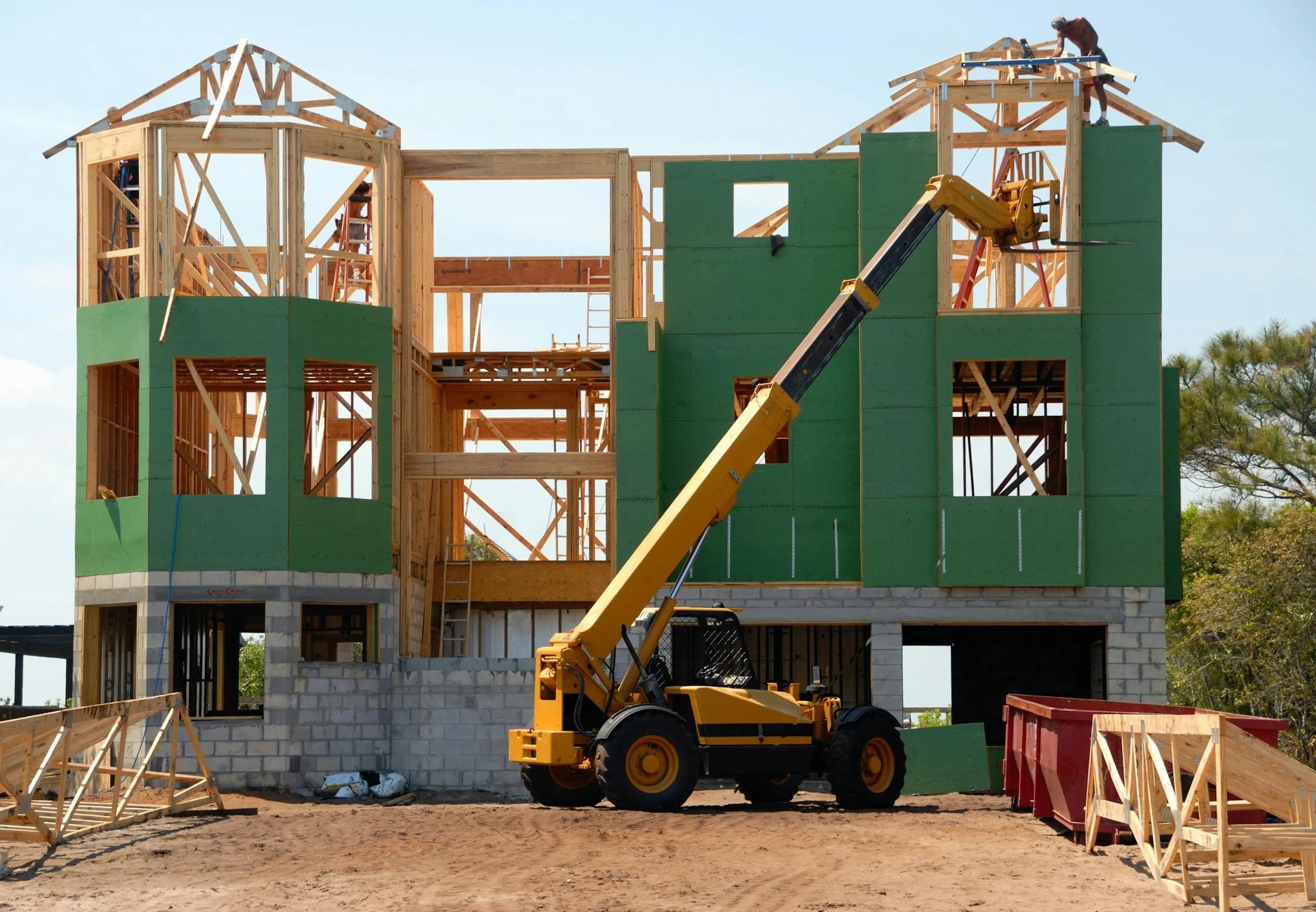
In most project delivery methods, design and construction are handled through separate contracts. The key difference with design-build is that it uses a single contract for both design and construction. This approach isn’t just about combining contracts; it promotes collaboration and integration. It emphasizes teamwork, innovation, creative problem-solving, and cost efficiency, with all parties working together as a unified team toward shared project goals. Whether it’s a small project with just a designer and contractor or a large project involving architects, civil engineers, contractors, and subcontractors, design-build is effective for projects of any size.
Transform Your Space with BUILPIRE – Book Your Consultation Today!
The Basics
Design-Build is like a one-stop shop for your construction project. Instead of splitting the design and construction phases, you hire a single team to handle everything from the initial sketches to the final touches. It’s one contract, one team, and one smooth process.
Benefits of Design-Build :
Design-build offers several advantages that make it a beneficial choice for customers looking to undertake construction projects. Here’s how it helps:
- Single Point of Contact:
With design-build, customers deal with a single entity responsible for both design and construction. This simplifies communication, reduces the chances of misunderstandings, and ensures a smoother process overall. - Collaborative Approach:
In a design-build setup, designers and builders work together from the start. This collaboration fosters innovation, as the team can collectively brainstorm and implement creative solutions. It also ensures that the project is designed with practical construction in mind, helping to stay within budget and avoiding costly redesigns. - Faster Delivery:
Since design and construction phases can overlap, projects are often completed faster. While the design team finalizes plans, the construction team can begin preliminary work. This parallel processing saves time and accelerates project completion. - Cost Savings:
A unified team leads to better budget management. With everyone on the same page, there are fewer unexpected costs and easier implementation of changes. The design-build approach helps manage the budget more effectively, reducing the likelihood of financial surprises. - Higher Quality and Innovation:
The collaborative nature of design-build often results in higher-quality outcomes. The integration of design and construction teams encourages innovative solutions, ensuring the final product meets or exceeds expectations. - Reduced Risk and Fewer Disputes:
Design-build allocates risk to those best equipped to manage it. With a single contract and integrated team, there’s less room for disputes and fewer claims. This reduces the likelihood of litigation and makes the process more straightforward for the customer. - Earlier Knowledge of Firm Costs:
With design-build, customers have earlier access to firm costs, allowing for better financial planning and decision-making. This transparency helps customers understand the full scope of the project from the outset.
Popular Variations of Design-Build:
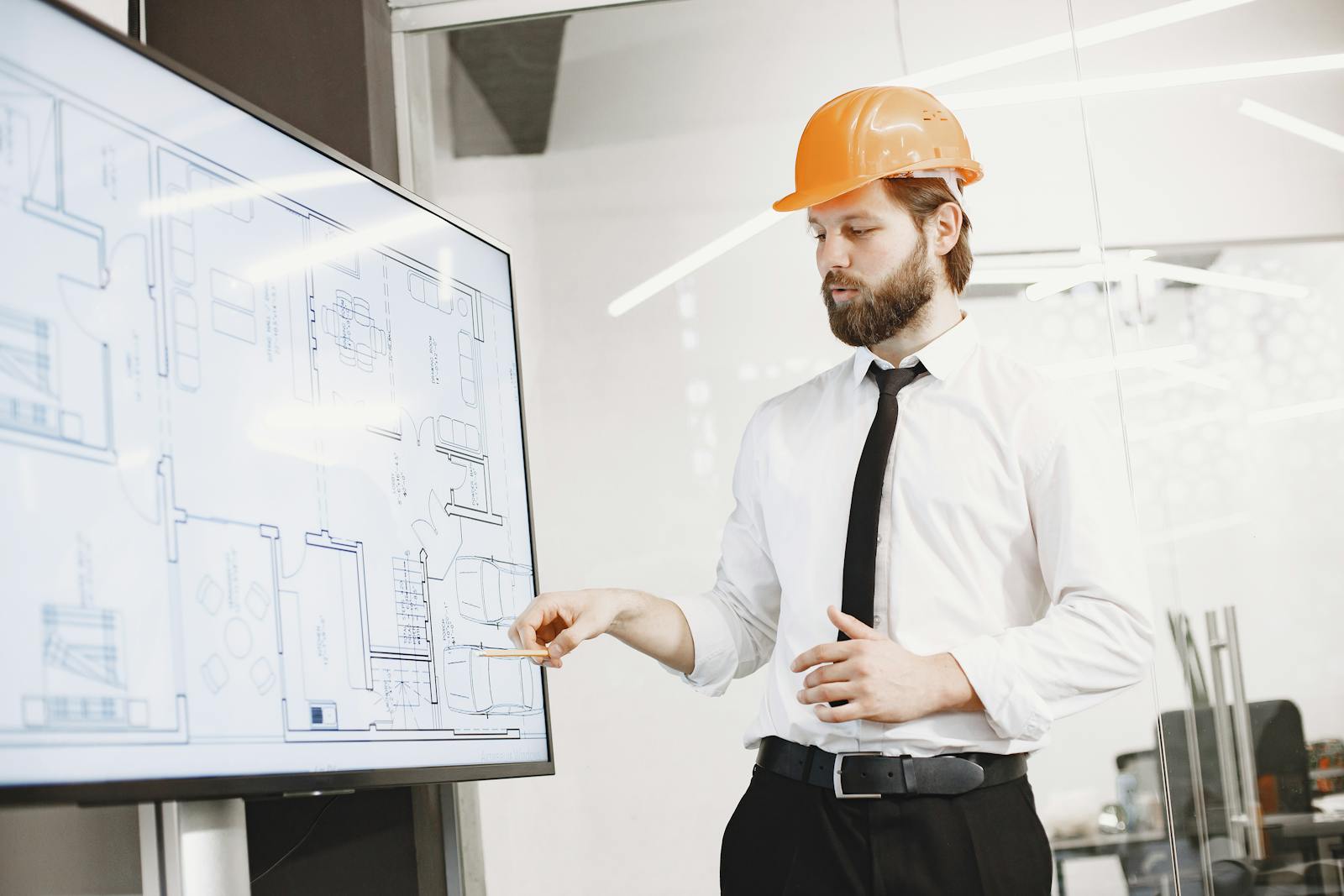
Progressive Design-Build
The design-builder is selected mainly based on qualifications. After selection, the owner and design-builder work together to advance the design and cost model towards an agreed-upon design concept and contract price.
Two-Step Best Value Design-Build
This two-step process first identifies the most qualified design-builders and then seeks design and cost proposals. The owner selects the design-builder offering the best value, considering the design, project approach, and contract price.
View DBIA’s Position Statement on the Flexibility of Design-Build or the Project Delivery Primer for a deeper dive into these variations.
The Design-Build Process
Overall, design-build is a customer-friendly approach that emphasizes efficiency, quality, and collaboration, making it a popular choice for those seeking a streamlined and cost-effective construction process.
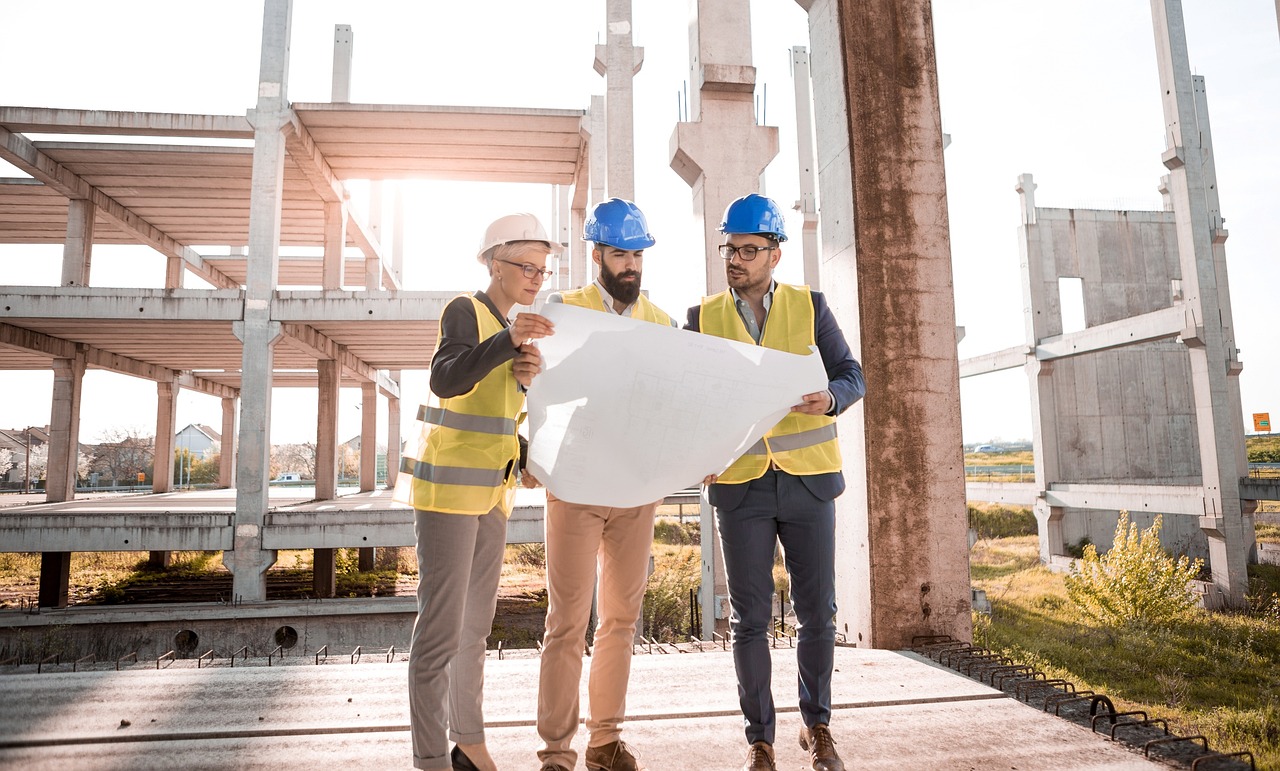
There are five main phases in the Design-Build process, and they often overlap to keep things moving smoothly:
- Team Selection: The owner selects a design-build team based on their experience, design cost proposal, and understanding of the project’s vision, needs, and budget. While cost is an important consideration, it is not the only factor.
- Pre-construction: This phase involves learning about the owner’s goals, challenges, budget, and vision. Detailed assessments of current structures and systems are done to prepare for construction.
- Architectural Design: With project parameters defined, the team develops the best design, assessing cost savings and productivity while meeting functional requirements and style preferences.
- Construction: To save time, construction can overlap with the design phase. During this time, the team works together toward the same goals and deadlines. Communication is streamlined, accountability is clear, and issues are resolved quickly.
- Post-construction: After completion, the team provides an overview of deliverables and training materials. The process is streamlined since the work is done by a single entity.
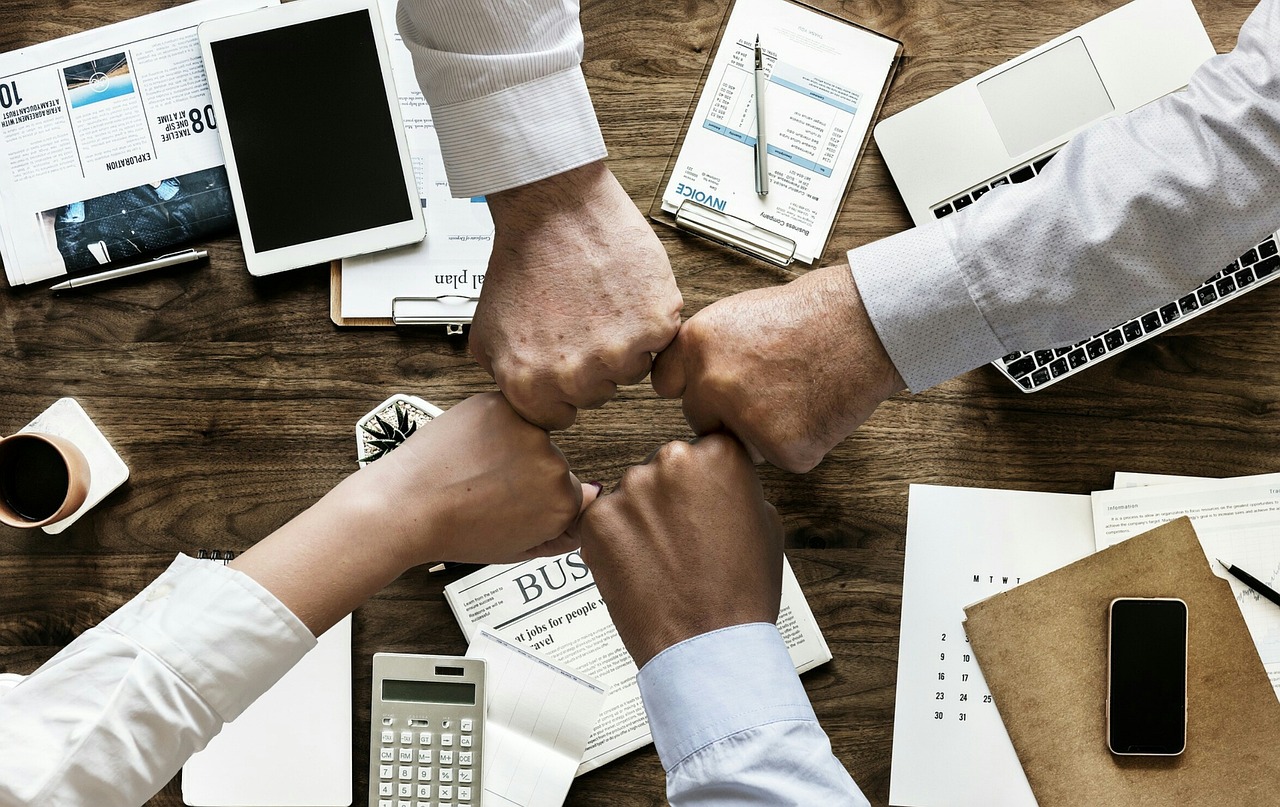
Design-Build for Projects of All Sizes
Design-build is an efficient approach that benefits a wide range of projects, from small kitchen or bathroom remodels to large multi-million dollar developments. For smaller projects, it simplifies communication by providing a single point of contact, speeds up completion by allowing overlapping design and construction phases, and ensures cost efficiency and quality through cohesive team management.
For larger projects, design-build enhances coordination and efficiency by having a single entity oversee the entire process. It effectively manages risks, provides early cost transparency, and encourages innovative solutions. This approach ensures timely delivery and adherence to budget, making it a versatile and reliable option for projects of any scale.
Ready to Start Your Project?
When you’re ready to bring your vision to life with all the benefits of Design-Build, look no further than Builpire. Our expert team is dedicated to providing top-notch service, ensuring your project is completed on time, within budget, and to the highest standards. Whether you’re planning a residential build, a commercial project, or anything in between, Builpire has the experience and skills to make it happen seamlessly.
Want to know more? Get in touch with us today for a free consultation and see how we can turn your dreams into reality. Let’s build something great together!
Emerging Trends and the Future of Design-Build
One of the main reasons design-build continues to gain traction worldwide is its ability to adapt to new industry challenges and integrate advanced technologies. While the core benefits of collaboration, cost savings, and streamlined communication remain the same, the design-build model has evolved to include modern approaches that address sustainability, digitalization, and customer experience.
1. Sustainability and Green Building Integration
Today’s construction market demands not only speed and efficiency but also sustainable outcomes. Design-build is uniquely positioned to incorporate green building practices from the very beginning of the project. Since designers and builders collaborate early, they can evaluate sustainable materials, energy-efficient systems, and renewable energy sources in tandem with cost and feasibility. This results in eco-friendly buildings that reduce long-term operational costs while meeting environmental standards such as LEED or WELL certification.
2. The Role of Building Information Modeling (BIM)
Another key advancement enhancing design-build projects is Building Information Modeling (BIM). BIM provides a digital representation of the project, enabling all stakeholders to visualize the structure, detect clashes, and analyze potential issues before construction begins. In a design-build setting, BIM strengthens collaboration by allowing architects, engineers, and contractors to work on the same platform in real-time. This not only minimizes errors but also improves accuracy in cost estimation, scheduling, and facility management.
3. Technology-Driven Efficiency
Beyond BIM, technologies such as drones, AI-powered project management tools, and virtual reality (VR) are being used to improve design-build workflows. Drones can monitor construction progress, VR can present immersive design experiences to clients, and AI can forecast risks or optimize material usage. By integrating these tools, design-build teams deliver projects faster, more accurately, and with higher client satisfaction.
4. Enhanced Client Experience
One of the lesser-discussed advantages of design-build is how it transforms the client experience. Instead of managing multiple contracts and coordinating between separate teams, clients enjoy a single, transparent process with clear accountability. Modern design-build firms are also focusing on customer-centric practices, such as interactive digital dashboards that provide real-time updates on project progress, costs, and timelines. This level of transparency not only builds trust but also keeps the client engaged as an active partner throughout the project.
5. Risk Management in a Changing Industry
The construction industry is facing increasing uncertainties—from supply chain disruptions to inflation and labor shortages. The integrated nature of design-build allows risks to be managed more effectively by assigning responsibilities to the party best equipped to handle them. With a unified contract, the project owner avoids the disputes and delays commonly seen in traditional project delivery methods. This makes design-build particularly attractive in volatile market conditions.
6. Design-Build in Public Infrastructure and Mega Projects
While design-build is often associated with residential and commercial developments, it has become increasingly popular in public infrastructure projects such as highways, bridges, hospitals, and airports. Governments and municipalities appreciate its ability to deliver large-scale projects faster and with fewer disputes. In fact, in many countries, design-build has become the preferred model for mega projects due to its efficiency and cost predictability.
7. The Future of Design-Build
Looking ahead, design-build is set to play an even more significant role in shaping the future of construction. With the integration of sustainable design, digital technology, and client-focused processes, the model is evolving from a simple project delivery method into a holistic, innovation-driven approach. As the demand for smarter, greener, and faster construction grows, design-build is poised to remain at the forefront, offering solutions that are not only practical but also visionary.
Frequently Asked Questions (FAQs)
1. How does design-build differ from traditional project delivery methods?
Design-build integrates design and construction under a single contract, which means one team manages the entire process. This reduces communication gaps, speeds up delivery, and minimizes disputes compared to traditional methods like design-bid-build, where separate contracts often create delays and conflicts.
2. Is design-build more expensive than traditional construction methods?
Not necessarily. While initial costs may vary depending on the project, design-build typically results in better cost control due to early collaboration and streamlined decision-making. By reducing redesigns, change orders, and disputes, design-build often proves more cost-effective in the long run.
3. Can design-build be used for both small and large projects?
Yes. Design-build is highly versatile and works effectively for projects of all sizes—from small home renovations to large-scale commercial and public infrastructure developments. Its efficiency and risk management advantages make it an attractive option regardless of project scope.
4. What role does technology play in modern design-build projects?
Technology has become a cornerstone of design-build. Tools like Building Information Modeling (BIM), drones, virtual reality, and AI-driven project management systems enhance collaboration, improve accuracy, and deliver faster results. These innovations ensure higher quality outcomes and greater transparency for clients.