


Common Signs of Basement Water Damage You Shouldn’t Ignore
Basement water damage rarely starts with a major flood. In many homes, the first warning signs are subtle—musty odors, discoloration, efflorescence, peeling paint, increased humidity, or small areas of dampness that appear after rain. Recognizing these early signs of water damage in a basement can help homeowners identify moisture problems before they lead to mold growth, damaged materials, or more extensive restoration work. Understanding what to look for—and knowing when a moisture problem requires professional attention—is an important part of protecting both the condition and long-term usability of your basement.
Key Takeaways: Signs of Water Damage in a Basement
- Early basement water damage may appear as musty odors, water stains, efflorescence, peeling finishes, warped flooring, or unusual humidity.
- Identifying the source of moisture is essential because basement water can come from foundation walls, poor drainage, plumbing leaks, condensation, or excessive indoor humidity.
- Persistent moisture can create conditions that support mold growth and can damage drywall, flooring, insulation, wood, and other building materials.
- Keeping basement humidity under control and addressing leaks or water intrusion promptly can help reduce the risk of recurring moisture problems.
- Wet materials should be dried as quickly as possible, while extensive water intrusion, visible mold, recurring leaks, or structural concerns may require professional assessment.
- Before repairing cosmetic damage, homeowners should address the underlying source of moisture to prevent the problem from returning.
Transform Your Space with BUILPIRE – Book Your Consultation Today!
1. Musty Odors and Mold Growth
A persistent musty smell in the basement is one of the first signs of hidden moisture. This smell is typically a result of mold or mildew growing in damp and dark spaces. Mold thrives in basements that have poor ventilation and high humidity levels. Even if you don’t see mold, the smell alone is a major red flag.
If left untreated, mold can spread rapidly and become a serious health hazard. Mold exposure is known to trigger allergies, asthma, and respiratory problems, especially in children and elderly individuals.
If you can already see or smell mold, identifying the exact type is usually not the first priority. CDC guidance recommends focusing on removing the mold and correcting the moisture problem rather than relying on routine mold testing to determine whether action is needed.
2. Efflorescence on Walls
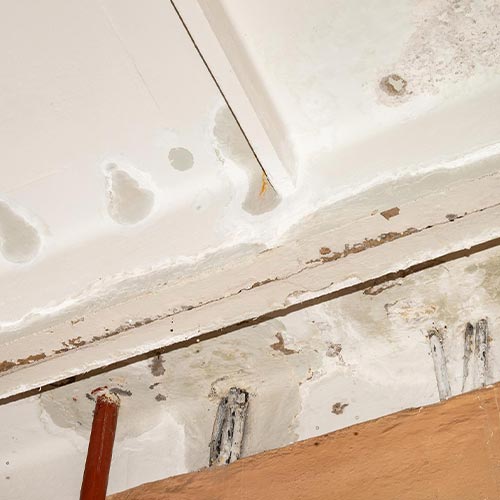
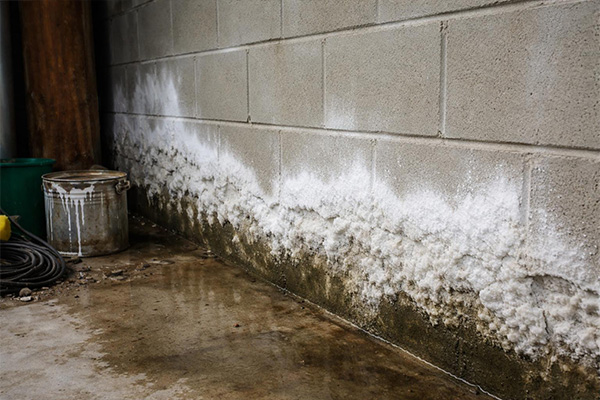
Efflorescence refers to a white or grayish powdery deposit on concrete or brick walls. It’s caused by water seeping through the walls and leaving behind salt deposits as it evaporates. While not harmful on its own, efflorescence is a telltale sign that water is intruding through your basement walls and needs immediate attention.
3. Water Stains or Discoloration
Discolored walls or floors are another major indicator of water damage. Stains often appear as yellow, brown, or rusty spots, usually around windows, doors, or floor cracks. These stains don’t just look unsightly—they indicate that moisture is present or has been present in the past.
4. Cracked Foundation Walls
Cracks in basement walls or floors can be caused by natural settling, but they can also be a symptom of water damage. Water puts pressure on the foundation walls, causing them to crack, bow, or even collapse over time. Small cracks may seem harmless, but they can easily expand and let in more moisture.
5. Peeling Paint or Wallpaper
Moisture buildup behind walls can cause paint or wallpaper to peel, bubble, or warp. This is especially common in finished basements, where drywall and decorative finishes are used. If you notice bubbling or flaking, it’s a clear sign that water is getting into areas it shouldn’t.
6. Warped Flooring
Wooden or laminated flooring in the basement can begin to buckle or warp when exposed to water. Warped floors not only look bad, but they also compromise the integrity of your home’s interior and can be dangerous to walk on.
7. Pooling or Standing Water
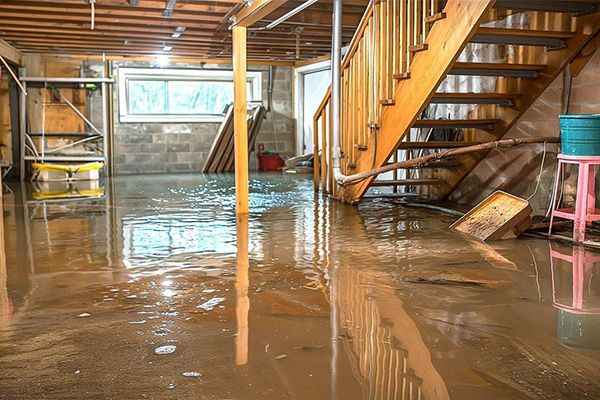
Perhaps the most obvious sign is standing water on the floor. If you notice puddles after a heavy rain or snowmelt, it’s a clear indication that your basement is not properly sealed or your drainage system is failing.
8. High Humidity Levels
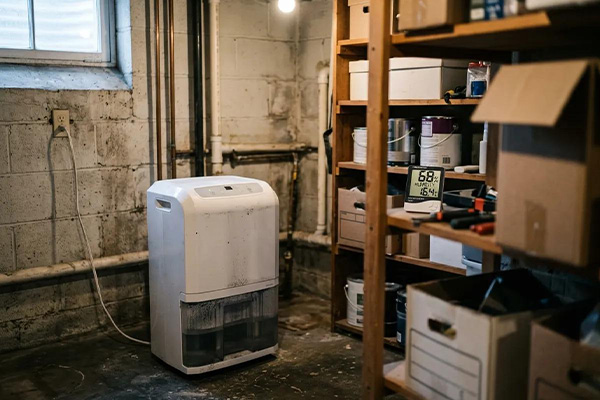
A constantly damp or sticky atmosphere in the basement could indicate water is present somewhere nearby. Using a hygrometer, homeowners can check humidity levels. Anything above 60% should be addressed immediately.
EPA recommends keeping indoor relative humidity below 60%, with an ideal range of approximately 30% to 50% when possible. A simple hygrometer can help you monitor basement humidity and identify conditions that may support mold growth.
9. Rust on Metal Fixtures
Moisture can cause metal support beams, pipes, or appliances to rust over time. Rust is not just a cosmetic issue; it weakens the structure of metal and can lead to dangerous failures in plumbing or construction materials.
10. Increased Allergy Symptoms
A hidden sign of water damage might actually show up in your body. If you or your family experience frequent allergy symptoms like sneezing, coughing, or itchy eyes when spending time in the basement, it might be due to mold or mildew hidden behind walls or under flooring.
How to Identify the Source of Basement Moisture
Finding moisture in your basement is only the first step. The next question is where the water is coming from. Different moisture sources require different solutions, so treating the visible damage without addressing the underlying cause can allow the problem to return.
If moisture appears after heavy rain or snowmelt, inspect the exterior drainage system first. Gutters, downspouts, grading, foundation walls, and window wells can all influence how much water reaches the foundation. Water that consistently appears near foundation walls or floor-wall joints may indicate exterior drainage or waterproofing issues.
Moisture can also come from inside the home. Plumbing leaks, HVAC condensation, water heaters, and improperly drained appliances can introduce water into a basement without any obvious exterior leak. In these cases, the location of the moisture and the timing of its appearance can provide useful clues.
Condensation is another common source of basement dampness. When warm, humid air comes into contact with cooler basement surfaces, moisture can form on pipes, walls, windows, or other materials. A hygrometer can help monitor relative humidity and determine whether excessive indoor moisture may be contributing to the problem.
The goal is not simply to remove visible water. A lasting solution starts by identifying the source, correcting the moisture pathway, drying affected materials, and then repairing any resulting damage.
Prevention Tips
-
Ensure your gutters and downspouts direct water away from your foundation.
-
Install or maintain a sump pump in your basement.
-
Seal cracks in the foundation with waterproof materials.
-
Use a dehumidifier to keep humidity levels under control.
-
Improve basement ventilation with fans or air exchangers.
-
Regularly inspect your basement after heavy rains or snowmelt.
A sump pump can be an important part of a basement water-management strategy, but reliability matters. In flood-prone or seepage-prone conditions, FEMA technical guidance identifies the importance of sump-pump capacity and backup power for certain basement designs. The appropriate system should be based on the property’s drainage conditions and water-intrusion risk.
What to Do After Basement Flooding or Water Intrusion
When water enters a basement, acting quickly can help limit damage to building materials and reduce the conditions that allow mold to grow. Before beginning cleanup, make sure the area is safe and avoid entering standing water if there may be electrical hazards or other immediate risks.
Start by stopping the source of the water whenever it is safe to do so. This may involve addressing a plumbing leak, controlling water entering through the foundation, or dealing with a drainage problem outside the home. Removing standing water should be followed by thorough drying of floors, walls, furnishings, and other affected materials.
Use appropriate ventilation, fans, and dehumidification to accelerate drying when conditions allow. EPA guidance recommends drying wet or damp materials within 24 to 48 hours when possible because prolonged moisture increases the opportunity for mold growth.
After the area is dry, inspect drywall, insulation, flooring, wood components, and other porous materials for signs of damage. Materials that cannot be properly cleaned and dried may need to be removed. If visible mold, extensive water damage, or structural concerns are present, professional assessment and remediation may be appropriate.
Do not simply cover water stains, repaint damaged surfaces, or replace flooring before the underlying moisture problem has been corrected. Cosmetic repairs can hide the evidence of a continuing water problem without actually resolving it.
For more ideas and guidance, follow us on Instagram.
Why You Shouldn’t Delay Repairs
Delaying action when you notice signs of water damage in basement areas can cost you more in the long run. Minor signs may be masking major structural or health risks. Immediate intervention can prevent the spread of mold, the degradation of building materials, and steep home repair bills.
When Does Basement Water Damage Require Professional Restoration?
Not every basement moisture problem requires a full restoration project. Minor, isolated issues may be manageable once the source of moisture has been identified and corrected. However, professional assessment becomes more important when water damage is extensive, recurring, hidden, or connected to structural components.
Visible mold growth, persistent musty odors, repeated water intrusion, damaged drywall or insulation, warped flooring, foundation concerns, and moisture that continues after basic repairs are all reasons to consider professional evaluation. The same applies when water has affected areas that are difficult to inspect, such as wall cavities or finished basement assemblies.
Professional restoration is not simply about removing damaged finishes. A proper approach should consider the source of water, the extent of moisture intrusion, the condition of affected materials, drying requirements, and the repairs needed to return the space to a functional condition.
It is also important to distinguish restoration from cosmetic remodeling. Painting a stained wall or installing new flooring may improve the appearance of a basement, but those improvements should come after the underlying water problem has been addressed.
For homeowners planning to continue using the basement as a living area, office, recreation room, or finished space, addressing moisture before remodeling can help prevent new finishes from being damaged by an unresolved water problem.
Trust Builpire for Professional Basement Restoration
If you’re experiencing any of these issues, don’t wait. Builpire is a trusted name in home restoration and interior design, offering expert solutions for water damage repair, basement remodeling, and complete home makeovers. With years of experience and a commitment to excellence, Builpire transforms damaged spaces into beautiful, functional areas once again. Contact Builpire today for a consultation and protect your home from further harm.
Frequently Asked Questions About Basement Water Damage
How do I know if my basement has a moisture problem?
Common indicators include musty odors, visible mold, water stains, efflorescence, peeling paint, warped flooring, condensation, rust, and recurring dampness. A consistently humid basement can also indicate an underlying moisture problem. Because these signs can have different causes, identifying where and when the moisture appears is an important step before choosing a repair solution.
What humidity level should a basement have?
EPA guidance recommends keeping indoor relative humidity below 60%, with an ideal range of about 30% to 50% when possible. A hygrometer can help homeowners monitor basement humidity. If humidity remains high, using appropriate ventilation or a dehumidifier and correcting the source of moisture can help reduce conditions that support mold growth.
Should I test my basement for mold?
In many situations, mold testing is not necessary when visible mold or a clear moisture problem is already present. CDC guidance states that homeowners do not need to identify the specific type of mold before taking action. The priority is to correct the moisture source and safely remove the mold. Professional assessment may still be useful when the source of contamination is unclear or the affected area is extensive.
How quickly should I dry a wet basement?
Wet materials should be dried as quickly as possible. EPA guidance recommends drying wet or damp areas within 24 to 48 hours when possible to reduce the opportunity for mold growth. The exact drying process depends on the amount of water, the materials affected, ventilation, temperature, and humidity. Extensive or contaminated water damage may require professional restoration rather than simple household drying.
Does homeowners insurance cover basement water damage?
Coverage depends on the cause of the water damage and the specific insurance policy. Damage from certain plumbing failures may be treated differently from flooding, groundwater intrusion, or sewer backup. Flood insurance and optional endorsements can also have different coverage rules and limitations. Homeowners should review their policy and contact their insurance provider to confirm the applicable coverage.