


How to Fully Restore Your Home After a Fire
A house fire can leave behind far more than visible damage. Smoke and soot can affect surfaces, belongings, and building systems, while water used to extinguish the fire may create additional problems such as moisture damage and mold. For homeowners searching for how to restore a home after a fire, the first priority is understanding what needs to be assessed, cleaned, repaired, or replaced before restoration and rebuilding begin.
Article Summary
- A safe return should come before cleanup or rebuilding after a house fire.
- Fire restoration begins with assessing structural, smoke, soot, water, electrical, plumbing, and HVAC damage.
- Restoration and reconstruction are not always the same process; some materials can be restored while others may require replacement.
- Professional assessment can help identify hidden fire-related residues, odors, and damage that may not be visible.
- Documenting damage, keeping receipts, and communicating with your insurance provider are important parts of the recovery process.
- A detailed rebuilding plan can help coordinate repairs, restoration, interior finishes, and the final redesign of the home.
Transform Your Space with BUILPIRE – Book Your Consultation Today!
Step-by-Step Guide to Restoring Your Home After a Fire
Ensure Safety First
Before entering your home, make sure it’s safe to do so. Fires can weaken floors, roofs, and walls, creating hidden dangers. Always wait for clearance from the fire department or a licensed inspector.
Contact Your Insurance Provider
The first official step in how to restore home after fire is contacting your insurance company. Report the damage immediately and provide any documentation they need, including photos, videos, and receipts. An insurance adjuster will visit your property to assess the damage.
Secure the Property
To prevent vandalism or additional weather-related damage, board up broken windows and doors, and cover damaged roofs with tarps. If you’re not sure how to do this safely, hire a professional board-up service.
Hire a Fire Damage Restoration Company
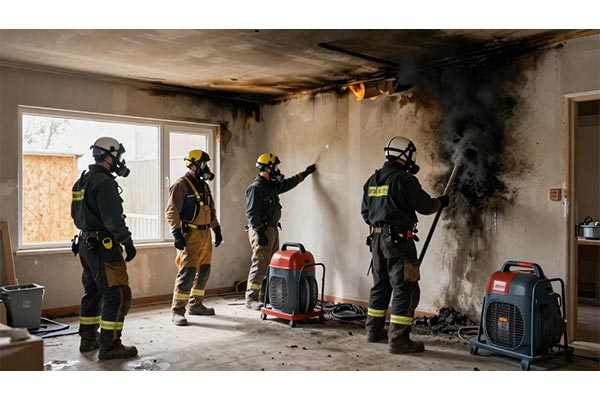
A certified restoration team is crucial. They’ll assess the extent of the damage, create a detailed plan, and begin the cleanup process. Experts like these understand how to restore home after fire using industry-grade equipment and methods.
Assess Structural Damage
After cleanup, a thorough evaluation of the structure is essential. Walls, beams, ceilings, and foundations may need inspection. Engineers and building contractors will determine what needs repair, reinforcement, or replacement.

Restoration vs. Reconstruction: What Does Your Home Actually Need?
Not every fire-damaged home needs to be rebuilt from the ground up. In many cases, restoration focuses on cleaning, repairing, and preserving parts of the existing structure, while reconstruction involves replacing components that can no longer be safely restored. The right approach depends on the extent of fire, smoke, soot, and water damage.
A professional assessment should look beyond visible damage. Walls, ceilings, insulation, flooring, cabinetry, electrical systems, HVAC components, and other building systems may have been affected even when the fire itself was limited to one area. The ANSI/IICRC S700 Standard for Professional Fire and Smoke Damage Restoration specifically addresses the assessment of fire residues and odors, building systems, contents, documentation, and the development of a restoration work plan.
In practical terms, restoration may be appropriate when affected materials can be safely cleaned, treated, repaired, or otherwise returned to a functional condition. Reconstruction becomes more relevant when materials or structural components have been extensively damaged, cannot be adequately restored, or require replacement to meet safety and building requirements.
This distinction is important because rebuilding too early can create unnecessary costs. A proper restoration plan should first establish what can be preserved, what needs specialized cleaning or treatment, and what genuinely needs to be removed and replaced. That assessment gives homeowners a clearer scope of work before major reconstruction begins.
A professional fire restoration assessment should identify the type, extent, and boundaries of fire-related residues and odors before major restoration or reconstruction decisions are made. This helps create a more accurate restoration work plan based on the actual condition of the property.
Official IICRC S700 Standard for Professional Fire and Smoke Damage Restoration
Remove Smoke and Soot Residue
Even if flames didn’t reach every room, smoke and soot spread quickly and can cause lingering odors and health risks. Restoration professionals will use HEPA vacuums, ozone treatments, and specialized cleaners to remove contaminants.
HVAC, Hidden Smoke Damage, and Indoor Air Quality After a Fire
Smoke damage does not always remain where the fire occurred. Depending on the building layout and HVAC configuration, smoke and fire-related residues can affect air-handling equipment, ductwork, filters, vents, and other parts of the system. This is why restoring visible surfaces alone may not address every area affected by a fire.
A professional assessment should determine whether HVAC components were exposed to smoke, soot, or other fire-related residues before the system is returned to normal operation. The IICRC identifies ANSI/IICRC S590 as the standard for assessing HVAC systems following water, fire, or mold damage, while its S700 standard addresses fire and smoke damage restoration more broadly.
Indoor air quality should also remain part of the restoration plan. Cleaning should not simply focus on making rooms look normal again. The goal is to address affected materials, systems, residues, and odors using appropriate restoration procedures and equipment.
Homeowners should also be cautious about attempting extensive smoke cleanup on their own. Depending on the severity and materials involved, professional assessment may be necessary to determine which surfaces, contents, insulation, or HVAC components can be cleaned and which require removal or replacement.
A complete restoration plan therefore looks beyond walls and floors. It considers the entire indoor environment so that the home is not only visually restored but also properly evaluated after the fire.
Do not evaluate smoke damage only by what you can see. HVAC systems may require a separate assessment after a fire because affected components can include air-handling equipment, ductwork, filters, and other internal surfaces.
Water Damage Mitigation
Most fires are extinguished with large volumes of water, which can result in secondary damage. Mold growth, warped floors, and soaked drywall are common. Proper water extraction and drying must occur before rebuilding.
Clean and Deodorize All Surfaces
From ceilings to carpets, every inch of the home should be deep-cleaned. This includes HVAC systems, furniture, and personal belongings where possible. Using enzyme-based cleaners helps remove persistent odors.
Electrical and Plumbing Inspection
Fires can damage wiring and plumbing lines behind walls. Licensed electricians and plumbers must check and replace damaged components to avoid hazards and meet building codes.
Begin Rebuilding and Restoration
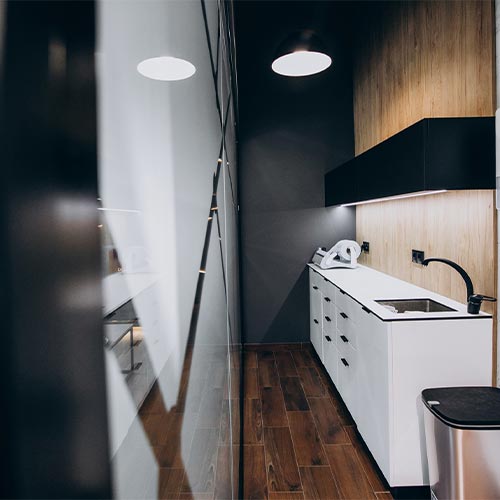
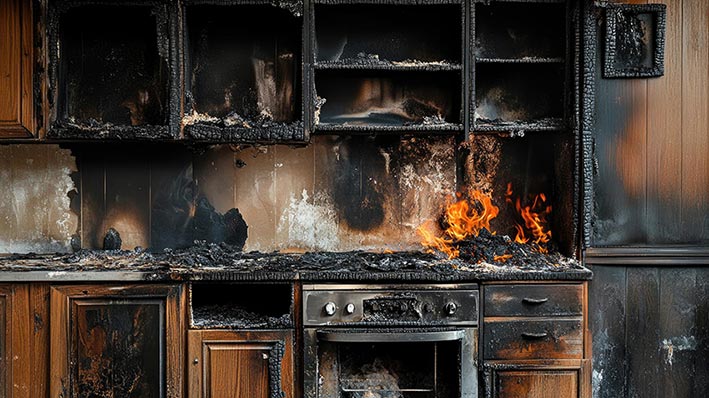
This is where the transformation truly begins. New drywall, flooring, cabinets, paint, and fixtures are installed. Depending on the fire’s extent, this phase may include redesigning entire rooms. Many homeowners see this as an opportunity for a fresh start.

How to Plan the Rebuild After Fire Damage
Once the property has been stabilized and the extent of fire, smoke, and water damage has been documented, the rebuilding phase can begin with a clearer plan. Instead of immediately selecting finishes and materials, homeowners should first establish the complete scope of work, including structural repairs, electrical and plumbing work, drywall, flooring, cabinetry, painting, fixtures, and any necessary interior redesign.
Documentation is especially important during this stage. Keep photographs, estimates, receipts, reports, and communications related to the loss organized in one place. The U.S. Fire Administration recommends working with the insurance company early in the recovery process, while the American Red Cross advises homeowners to document damaged property and retain relevant receipts and records.
The rebuilding plan should also separate essential repairs from design upgrades. Safety-related work and code-required repairs should be addressed first, while aesthetic improvements can be planned once the structure and major systems are ready. This makes it easier to control the project scope and avoid making expensive design decisions before the condition of the property is fully understood.
For larger losses, homeowners may also benefit from working with a team that can coordinate restoration, construction, and interior design. This can create a more consistent process from damage assessment through the final finishes and help reduce the risk of disconnected decisions between different contractors.
The goal of rebuilding after a fire is not simply to make the property look new. A well-planned project should restore the home’s function, address the underlying damage, and create a finished space that works for the homeowner’s needs and priorities.
Before major cleanup or reconstruction begins, document the damage with photographs or video, keep a detailed list of damaged or lost items, and retain receipts for fire-related expenses. These records can be important during the insurance claim process.
Tips to Speed Up the Fire Damage Restoration Process
-
Act Quickly: The faster you begin restoration, the lower the risk of long-term damage.
-
Document Everything: Keep receipts, take photos, and track conversations with professionals.
-
Work with Licensed Contractors: Only hire certified specialists in fire restoration.
-
Communicate Regularly: Stay in close contact with your insurance provider and restoration company.
-
Focus on Health: Don’t move back in until the property is fully deodorized and inspected for air quality.
Emotional Recovery: Healing After the Fire
While most people focus on the physical aspects of how to restore home after fire, emotional recovery is equally important. Fire survivors often experience stress, anxiety, and grief over lost belongings. Counseling, community support groups, and family conversations can all help in this emotional rebuilding phase.
Why Choose Builpire for Home Fire Restoration?
If you’re unsure where to begin or overwhelmed by the scope of work ahead, trust the experts at Builpire. Specializing in fire damage restoration and custom interior design, Builpire takes a comprehensive approach to rebuilding homes from the inside out.
Their team understands how to restore home after fire in a way that respects your emotional and financial investment. From initial cleanup to beautiful, modern redesigns, Builpire brings homes back to life with care, expertise, and innovation. When you need more than restoration—when you need transformation—Builpire delivers.
For more ideas and guidance, follow us on Instagram.
Frequently Asked Questions About How to Restore Home After Fire
What is the difference between fire restoration and reconstruction?
Fire restoration focuses on assessing, cleaning, treating, repairing, and preserving parts of a home affected by fire, smoke, soot, or water. Reconstruction involves replacing or rebuilding components that cannot be safely or effectively restored. A professional assessment helps determine which approach is appropriate for each part of the property.
Can smoke damage affect my HVAC system?
Yes. Smoke and fire-related residues can potentially affect HVAC components, filters, air-handling equipment, and ductwork depending on the fire and the building’s ventilation system. HVAC components should be assessed before the system is returned to normal operation when smoke exposure is suspected.
Should I clean my home myself after a fire?
Minor cleanup may be possible in limited situations, but extensive fire, smoke, soot, or water damage may require professional assessment and specialized restoration procedures. Before beginning major cleanup, make sure the property has been declared safe to enter and consider documenting the damage for your insurance claim.
How should I document fire damage for my insurance claim?
Once authorities confirm that the property is safe to enter, photograph and video damaged rooms, structural components, furniture, appliances, and personal belongings. Keep a written inventory of damaged or lost items and retain receipts for temporary repairs, cleanup, lodging, and other fire-related expenses. Do not discard items you intend to claim without discussing the situation with your insurance company or adjuster.
When should I start rebuilding after a house fire?
Rebuilding should begin after the property has been assessed, immediate safety issues have been addressed, and the scope of restoration and reconstruction is sufficiently clear. Starting with a documented plan helps identify what needs to be cleaned, repaired, removed, or replaced before major construction and design decisions are made.