


Professional Fire Damage Cleanup Services You Can Trust
A house fire can cause far more damage than what is visible after the flames are extinguished. Smoke and soot can settle throughout the property, while water and moisture from firefighting efforts may create additional problems for walls, flooring, insulation, and other building materials. Professional fire damage cleanup services address these combined effects through a structured assessment, specialized cleaning, drying, odor control, and restoration process designed to help protect the property and move the recovery process forward.
Article Summary
- Fire damage can involve more than visible burns, including smoke residues, odors, water damage, building materials, contents, and potentially HVAC systems.
- A professional assessment helps determine the extent of damage and identify areas that may require cleaning, repair, removal, or further evaluation.
- Documentation is an important part of the restoration process and can help homeowners communicate the scope of damage to restoration professionals and insurance providers.
- The ANSI/IICRC S700 Standard provides a current professional framework for assessing and restoring fire and smoke damage.
- Indoor air quality should also be considered after a fire, particularly when smoke, soot, or other contaminants may remain inside the property.
- Choosing a qualified restoration provider should involve more than comparing prices; homeowners should consider experience, assessment procedures, documentation, equipment, availability, and relevant professional standards.
Transform Your Space with BUILPIRE – Book Your Consultation Today!
Why Fire Damage Cleanup Is Crucial
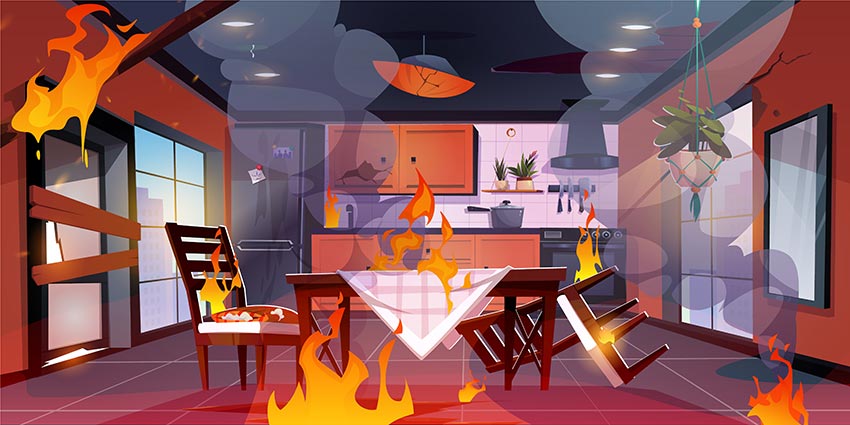
Fires leave more than ashes in their wake. Once the flames are out, the real damage becomes evident. Soot clings to surfaces, smoke seeps into walls and fabrics, and water from firefighting efforts saturates floors and furniture. Left untreated, these remnants can cause permanent damage and dangerous living conditions.
Fire damage cleanup services are essential because:
-
Smoke residues are acidic and can corrode surfaces.
-
Soot can stain walls, ceilings, and furniture permanently.
-
Moisture from fire suppression can lead to mold within 24–48 hours.
-
Toxins and contaminants released during combustion can linger in the air and surfaces.
These services use advanced cleaning technologies like HEPA vacuums, ozone generators, and thermal fogging to remove contaminants and purify the air.
Professional fire restoration should go beyond visible soot and burned materials. The ANSI/IICRC S700 Standard addresses the assessment of fire residues and odors, affected building systems such as HVAC, contents, documentation, and restoration planning. Asking a restoration provider how these areas will be assessed can help homeowners better understand the scope of the project.
What Should Be Inspected After Fire and Smoke Damage?
Fire damage is not always limited to the areas that show visible burns or soot. Smoke residues and fire-related contaminants can affect building materials, contents, HVAC components, and areas beyond the room where the fire started. A professional assessment should therefore look beyond visible damage and determine the extent of the impact before restoration work begins.
The assessment may include walls, ceilings, flooring, insulation, electrical components, ventilation systems, and personal belongings. HVAC systems deserve particular attention because smoke and fire residues can affect components and potentially distribute contaminants through the building if the system is operated before it has been properly evaluated.
Professionals should also consider secondary damage caused by firefighting activities, including moisture from water used to suppress the fire. The condition of the property, the severity of the fire, the type of residues present, and the areas affected all influence the scope and priority of restoration work.
The ANSI/IICRC S700 Standard for Professional Fire and Smoke Damage Restoration provides a current industry framework for assessing fire residues and odors, defining affected boundaries, documenting conditions, and developing an appropriate restoration work plan. Using a structured assessment helps homeowners avoid treating only the visible symptoms while overlooking less obvious damage.
The Step-by-Step Process of Fire Damage Cleanup
-
Emergency Response
A team is dispatched immediately to assess the scene and prevent further damage by securing the property and boarding up broken windows or doors. -
Damage Assessment
Professionals evaluate the extent of fire, smoke, and water damage to determine the scope of work required. -
Water Extraction & Drying
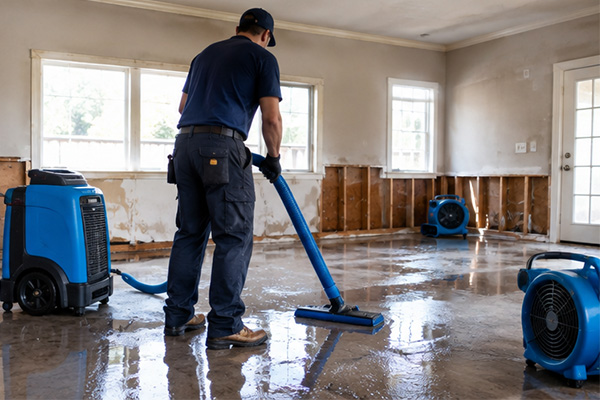
Any standing water is removed using industrial pumps, followed by dehumidifiers and air movers to dry the structure. -
Smoke and Soot Removal
Walls, ceilings, and personal belongings are cleaned using specialized techniques to eliminate soot and smoke residue. -
Odor Elimination
Advanced equipment like hydroxyl generators and fogging machines remove lingering odors completely. -
Restoration and Reconstruction
This includes replacing drywall, painting, flooring, and sometimes full room reconstructions.
Benefits of Professional Fire Damage Cleanup Services
Hiring professionals ensures:
-
Faster recovery time, which means less disruption to your life.
-
Improved indoor air quality, reducing health risks.
-
Thorough cleaning and deodorization, removing all traces of the fire.
-
Assistance with insurance claims, as many companies work directly with adjusters.
-
Peace of mind, knowing certified experts are handling your property.
How to Choose the Right Fire Damage Cleanup Provider
When selecting a cleanup company, consider the following:
-
Certifications: Look for IICRC-certified technicians.
-
Experience: Choose providers with a track record of handling similar jobs.
-
Equipment: Modern, high-grade equipment ensures faster, more effective cleanup.
-
Availability: 24/7 emergency service is a must.
-
Reviews: Online testimonials and reviews can reveal reliability and customer service quality.
Don’t be afraid to ask for references or before-and-after photos of previous work.
When comparing restoration providers, ask whether the company follows a recognized professional standard for fire and smoke restoration and how it documents the initial assessment. The ANSI/IICRC S700 Standard provides a structured framework for assessing fire and smoke damage, planning restoration work, documenting project conditions, and addressing affected building systems.
Fire Damage Cleanup and Insurance
One of the most stressful parts of fire recovery is dealing with insurance companies. Fortunately, many professional fire damage cleanup services coordinate directly with insurers to streamline the claims process. They document all damages, provide detailed reports, and ensure nothing is overlooked. This partnership can help speed up approvals and ensure you receive the maximum compensation possible.
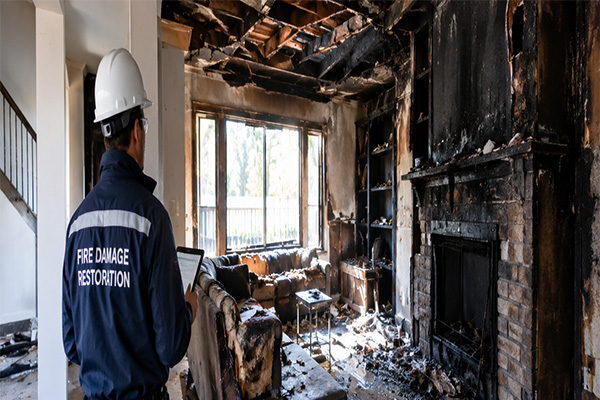
Fire Damage Documentation: What Homeowners Should Know
Documentation is an important part of the fire damage restoration process. Before damaged materials are removed or restoration work begins, homeowners should keep a clear record of the condition of the property whenever it is safe to do so. Photos and videos can help document visible damage to rooms, structural components, furniture, appliances, and personal belongings.
A professional restoration company should also document the conditions identified during its assessment and clearly define the work that needs to be performed. This can include the affected areas, the type of fire and smoke residues, water-related damage, materials requiring cleaning or removal, and the restoration steps recommended for the property.
Homeowners should keep copies of estimates, reports, photographs, receipts, and communication related to the loss. These records can make discussions with an insurance carrier more organized and help everyone involved understand the scope of the restoration project.
Documentation should not be treated as paperwork added at the end of the project. It is part of a structured restoration process that helps establish what was affected, what work is required, and how the project should progress.
Why Fire Damage Cleanup Should Never Be a DIY Task
While some homeowners may be tempted to handle cleanup themselves, fire damage is not a typical cleaning job. Exposure to soot, ash, and structural instability can be dangerous. Moreover, improper cleaning methods can worsen damage or spread contamination.
Professionals have the tools and protective equipment to safely and effectively manage the job. They also understand which materials can be salvaged and which must be removed.
Indoor Air Quality After a House Fire
Indoor air quality can remain a concern after the flames are extinguished. Smoke and fine particles can affect indoor spaces, while residues may remain on surfaces, materials, and building systems. Fire suppression can also introduce moisture into areas of the home, creating another layer of restoration work.
Whether a home is safe to occupy depends on the severity and location of the fire, the condition of the structure, the presence of smoke or other contaminants, and the results of the professional assessment. Homeowners should not assume that a property is safe simply because the visible flames and smoke are gone.
The EPA recommends reducing exposure to smoke by limiting the introduction of outdoor smoke, improving indoor air filtration when appropriate, and using cleaner-air spaces during smoke events. After a fire, however, property-specific assessment is necessary because the source and type of contamination can differ significantly from a wildfire smoke event.
Professional restoration can help identify affected areas, address smoke and soot residues, evaluate HVAC systems when necessary, and determine what materials can be cleaned, restored, repaired, or removed. The goal is not simply to make the home look clean, but to address the conditions created by the fire and the restoration process.
Indoor air filtration can play an important role when smoke affects indoor air quality. The EPA recommends appropriate air-cleaning strategies to reduce indoor smoke levels, including high-efficiency HVAC filters when compatible with the system and portable air cleaners for individual spaces.
The Role of Builpire in Fire Restoration
At Builpire, we understand the emotional and structural toll that fire can take on a home. Our team is dedicated to offering comprehensive home restoration services, including expert fire damage cleanup services. With years of experience in remodeling and interior design, we don’t just clean up—we rebuild and transform your space into something even better than before.
Builpire’s professionals are fully licensed and trained to handle fire damage with care, precision, and efficiency. Whether you need emergency cleanup, structural repair, or a complete home makeover, we’re here to restore your peace of mind. Trust Builpire for restoration that goes beyond recovery—it’s a fresh start.
For more ideas and guidance, follow us on Instagram.
Frequently Asked Questions
What should be inspected after a house fire?
A professional fire damage assessment should look beyond visible burns and soot. Depending on the situation, the inspection may include walls, ceilings, flooring, insulation, contents, electrical components, HVAC systems, and areas affected by smoke or firefighting water. The severity of the fire, the type of residue, and the condition of the building determine the scope of the assessment and restoration work.
Can smoke damage affect areas that were not directly burned?
Yes. Smoke residues and odors can affect areas outside the room where the fire started. Smoke can travel through openings and building systems, while residues can settle on surfaces and contents. This is why professional assessment should consider the boundaries of smoke and fire impact rather than focusing only on visibly burned materials.
Should the HVAC system be checked after a house fire?
In many fire loss situations, HVAC systems should be considered as part of the assessment because smoke and fire residues can affect building systems. Whether cleaning, repair, or other action is necessary depends on the condition of the system and the extent of the fire and smoke impact. A qualified restoration professional should evaluate the system before assuming it is unaffected.
Is it safe to stay in a house after a fire?
That depends on the severity of the fire and the condition of the property. Structural damage, smoke residues, contaminated materials, electrical issues, and water from firefighting can all affect whether a home is suitable for occupancy. Homeowners should follow instructions from emergency officials and qualified professionals rather than relying only on whether the property appears clean or stable.
What should I document before fire damage cleanup begins?
When it is safe to do so, homeowners should document visible damage with photos and videos and keep records of damaged rooms, furniture, appliances, personal belongings, and other affected property. Estimates, professional assessment reports, receipts, and communications related to the loss should also be retained. Good documentation can make the restoration and insurance process easier to organize.