

Best Fireproof Materials for Exterior Walls
When choosing exterior wall materials for a home, fire resistance should be considered alongside durability, building codes, climate, and overall construction performance. This is especially important for properties located in wildfire-prone areas, where radiant heat, direct flames, and windborne embers can threaten vulnerable parts of a building.
The right exterior wall system can help reduce the risk of ignition and slow the spread of fire. However, protection does not depend on the cladding material alone. The complete wall assembly—including siding, sheathing, framing, windows, doors, vents, eaves, and other exterior components—can affect how well a home performs during a fire.
From masonry and concrete to stucco, fiber-cement siding, and other fire-resistant options, homeowners have several materials to consider. The best choice depends on the home’s location, construction type, wildfire exposure, local building requirements, maintenance needs, and design preferences.
In this guide, we explore some of the most effective fire-resistant materials for exterior walls and explain what homeowners should consider when selecting a safer and more resilient exterior for their property.
Fire-Resistant Exterior Walls: Materials & Key Considerations
- Choosing the right fire-resistant materials for exterior walls can help improve a home’s resilience against wildfire, heat, flames, and windborne embers.
- Masonry, concrete, stucco, metal, and suitable fiber-cement siding systems can provide fire-resistant or noncombustible performance when properly selected and installed.
- The best exterior wall solution depends on the home’s construction, location, wildfire exposure, local building requirements, design preferences, and maintenance needs.
- Exterior wall materials are only one part of wildfire protection. Windows, doors, vents, eaves, roofs, decks, and gutters should also be evaluated.
- A complete home-hardening strategy can help address vulnerabilities throughout the building envelope and the area immediately surrounding the home.
- The goal is not simply to choose a material labeled as fire-resistant, but to create a properly designed and installed exterior system suited to the specific property.
Transform Your Space with BUILPIRE – Book Your Consultation Today!
Best Fireproof Materials for Exterior Walls
1. Fire-Resistant Bricks
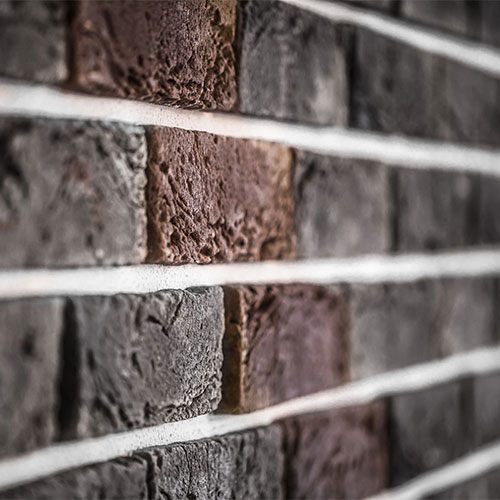
Bricks are among the oldest and most reliable fireproof materials for exterior walls. They are naturally non-combustible and have excellent thermal resistance. Clay bricks, in particular, can withstand extreme heat and slow down the spread of fire.
Advantages:
- Highly durable and weather-resistant
- Low maintenance
- Excellent thermal insulation properties
- Available in different colors and textures
- Environmentally friendly and sustainable
For wildfire-prone homes, don’t evaluate exterior siding by itself. FEMA recommends considering fire-resistant or noncombustible cladding as part of the overall exterior wall system. Materials such as stucco, metal siding, fiber-cement siding, masonry, and concrete can be used as fire-resistant or noncombustible cladding when properly specified for the application.
2. Concrete and Reinforced Concrete
Concrete is another widely used fireproof material for exterior walls. It does not burn and has exceptional fire-resistant properties. Reinforced concrete, which includes steel reinforcements, provides added strength and durability.
Advantages:
- High resistance to fire and heat
- Strong and durable structure
- Versatile for different architectural designs
- Low maintenance and long-lasting
- Can be combined with insulation for energy efficiency
3. Fiber Cement Siding
Fiber cement siding is a popular choice for homeowners looking for stylish yet fireproof materials for exterior walls. Made from a combination of cement, sand, and cellulose fibers, this material is highly resistant to fire.
Advantages:
- Resistant to fire, pests, and rot
- Available in various textures and colors
- Low maintenance and long lifespan
- Does not expand or contract with temperature changes
- Cost-effective compared to other fireproof materials

4. Fire-Rated Glass
Fire-rated glass is designed to prevent the spread of fire while allowing natural light into a building. This type of glass is specially treated to withstand high temperatures without shattering.
Advantages:
- Enhances fire safety without compromising aesthetics
- Available in different thicknesses for various fire resistance levels
- Ideal for modern architectural designs
- Can be used in doors and windows for extra safety
- Improves energy efficiency by regulating indoor temperature
Windows and vents can become weak points even when the exterior wall itself is fire-resistant. NFPA guidance recommends protecting attic and garage vents with appropriate screening or fire-resistant vent designs to help reduce ember penetration during a wildfire.
5. Stucco
Stucco is a fire-resistant material often used as a finishing layer for exterior walls. When applied in thick layers, it can effectively protect buildings from fire damage.
Advantages:
- Affordable and easy to apply
- Provides a smooth or textured finish
- Resistant to fire, weather, and pests
- Can be reinforced with mesh for extra strength
- Works well in both modern and traditional architecture

6. Gypsum Board (Type X)
Type X gypsum board contains additives that enhance its fire-resistant properties. This material is often used in commercial and residential buildings to improve fire safety.
Advantages:
- Enhances fire resistance when used with other materials
- Lightweight and easy to install
- Cost-effective solution for fireproofing
- Can be combined with insulation for improved efficiency
- Resistant to mold and mildew
What Makes an Exterior Wall Fire-Resistant?
Choosing a fire-resistant exterior wall material is only one part of protecting a home from fire. The performance of the entire wall assembly matters, including the exterior cladding, sheathing, framing, openings, joints, eaves, and the way each component is installed.
For homes located in wildfire-prone areas, this distinction is especially important. Fire can reach a structure through direct flame contact, radiant heat, or windborne embers. A wall system that performs well in one condition may still have vulnerabilities at windows, vents, corners, roof-to-wall connections, or other openings.
According to the International Wildland-Urban Interface Code (IWUIC), exterior walls in ignition-resistant construction can use approved noncombustible materials, fire-resistance-rated assemblies, or other materials that meet applicable ignition-resistance requirements. This means homeowners should evaluate the tested wall assembly rather than choosing a material based solely on its label.
Common exterior wall options include masonry, concrete, stucco, and fiber-cement siding. FEMA identifies materials such as stucco, metal siding, fiber-cement siding, masonry, and concrete as examples of fire-resistant or noncombustible exterior cladding for wildfire mitigation.
Another important consideration is the connection between the wall and other parts of the building envelope. A fire-resistant wall can still be exposed to ignition if nearby combustible materials, unprotected vents, vulnerable windows, or gaps around exterior components allow embers or heat to reach combustible areas.
For this reason, the best approach is to evaluate the exterior wall as part of a complete home-hardening strategy. Material selection, assembly design, installation quality, local building requirements, and the home’s wildfire exposure should all be considered before choosing a solution.

Exterior Wall Materials Are Only One Part of Wildfire Home Hardening
When preparing a home for wildfire exposure, focusing only on exterior wall materials can create a false sense of security. A home’s ability to resist ignition depends on multiple components working together as part of the building envelope.
Windborne embers are a major concern because they can travel beyond the immediate flame front and enter vulnerable parts of a home. Roof edges, gutters, vents, eaves, decks, windows, doors, and gaps around exterior components can all influence how easily a structure becomes exposed to fire.
The National Fire Protection Association (NFPA) recommends looking at the exterior of the home as a whole when reducing wildfire ignition risk. Its guidance includes using fire-resistant materials, protecting vents against ember entry, and keeping combustible materials away from the structure.
For homeowners, this means a fire-resistant siding upgrade should ideally be considered alongside other improvements. Depending on the home’s design and local requirements, these may include protected attic and crawl-space vents, more fire-resistant windows, noncombustible materials near the structure, protected eaves, and improved roof and gutter maintenance.
The area immediately surrounding the house also matters. Wildfire Risk to Communities describes the first five feet around the home as the most vulnerable portion of the Home Ignition Zone and recommends creating a noncombustible zone in this area. Additional vegetation management and fuel reduction become important farther from the structure.
In other words, choosing a fire-resistant exterior wall material is best viewed as one component of a broader wildfire-resilience strategy. A coordinated approach can address both the building envelope and the surrounding ignition risks rather than relying on one material to provide complete protection.
How to Choose the Right Fire-Resistant Exterior Wall for Your Home
There is no single exterior wall material that is automatically the best choice for every home. The right solution depends on the home’s location, wildfire exposure, construction type, existing wall assembly, design goals, maintenance requirements, and applicable building codes.
Start by identifying the level of wildfire exposure and the requirements that apply to the property. Homes located in Wildland-Urban Interface areas may be subject to additional ignition-resistant construction requirements. Local jurisdictions can also have specific requirements that go beyond general recommendations.
Next, evaluate the complete wall assembly rather than looking only at the siding. Ask whether the proposed system has been tested or approved for the intended application and whether the installation details maintain the required level of fire resistance.
Material durability should also be considered. Masonry and concrete can provide excellent noncombustible options, while fiber-cement and stucco may offer a balance between appearance, durability, and fire resistance when properly specified and installed. Metal siding can also be appropriate in certain applications.
Windows, doors, vents, eaves, and roof-to-wall transitions deserve special attention. These components can create weak points in an otherwise resistant exterior wall system. A professional assessment can help identify these vulnerabilities before renovation work begins.
Finally, consider the home’s long-term maintenance needs. Even a well-designed fire-resistant exterior can become more vulnerable if combustible debris accumulates near walls, gutters are neglected, vegetation grows too close to the structure, or protective components deteriorate.
The goal should not simply be to find the most expensive fire-resistant material. The goal is to create an exterior system that is appropriate for the home’s risk level, construction, budget, appearance, and local code requirements.
If your property is located in a Wildland-Urban Interface area, check the requirements that apply to your jurisdiction before selecting exterior wall materials. The International Wildland-Urban Interface Code includes specific ignition-resistant construction provisions for exterior walls, eaves, and other building components.
Conclusion
Investing in fireproof materials for exterior walls is crucial for ensuring the safety and longevity of a building. From fire-resistant bricks and concrete to fiber cement siding and fire-rated glass, there are plenty of options available. Choosing the right materials not only enhances fire protection but also improves the overall durability of your home.
For homeowners looking for expert advice and high-quality materials, Builpire is a trusted name in home renovation and interior design. With years of experience in creating safe and aesthetically pleasing homes, Builpire provides top-tier solutions tailored to your needs.
For more ideas and guidance, follow us on Instagram.
Frequently Asked Questions
What is the most fire-resistant material for exterior walls?
There is no single exterior wall material that is the best choice for every home. Masonry, concrete, stucco, metal, and certain fiber-cement siding systems can provide strong fire-resistant or noncombustible performance when properly selected and installed. The best option depends on the home’s construction, wildfire exposure, local building requirements, and the performance of the complete wall assembly.
Is fiber-cement siding fireproof?
Fiber-cement siding is considered a fire-resistant exterior cladding option, but it should not automatically be described as completely fireproof. Its performance depends on the specific product, testing, installation method, and overall wall assembly. Homeowners should review the manufacturer’s specifications and applicable building requirements before selecting a fiber-cement siding system for wildfire protection.
What exterior materials are best for a wildfire-prone home?
Common fire-resistant exterior options include masonry, concrete, stucco, metal siding, and suitable fiber-cement siding systems. However, exterior wall materials are only one part of wildfire protection. Windows, doors, vents, eaves, roofs, decks, gutters, and combustible materials around the home should also be evaluated as part of a complete home-hardening strategy.
Can I make my existing home’s exterior more fire-resistant?
Yes. Many existing homes can be upgraded with fire-resistant or ignition-resistant improvements. Depending on the home’s construction and location, upgrades may include replacing combustible siding, improving vent protection, upgrading vulnerable windows and doors, protecting eaves, and reducing combustible materials close to the structure. A professional assessment can help determine which improvements are appropriate for the property.
Are fire-resistant exterior walls required in wildfire-prone areas?
Requirements vary by state, city, county, and property location. Homes located in Wildland-Urban Interface areas may be subject to specific ignition-resistant construction requirements under applicable codes. Before starting an exterior renovation, homeowners should check local requirements and confirm whether additional fire-resistant construction measures apply to their property.