




What Materials Are Best for Kitchen Countertops?
Choosing the best kitchen countertop material is one of the most important decisions in a kitchen renovation. The right surface should complement your kitchen’s design while offering the durability, maintenance requirements, and functionality your household needs. From quartz and granite to porcelain, marble, and laminate, each material has its own advantages, limitations, and price considerations. Whether you’re planning a complete kitchen remodel or simply upgrading your countertops, understanding how these materials compare can help you make a confident choice that fits your lifestyle, design preferences, and budget.
Article Summary
- Quartz, granite, porcelain, marble, and laminate are among the most popular kitchen countertop materials.
- The best countertop depends on your budget, cooking habits, maintenance preferences, and kitchen design.
- Quartz offers a low-maintenance, nonporous surface, while granite provides natural patterns and variation.
- Porcelain is valued for its resistance to heat, stains, and UV exposure, while laminate is a budget-friendly alternative.
- Countertop installation costs depend on more than the material price, including fabrication, cutouts, removal, and plumbing.
- Choosing the right countertop requires comparing durability, appearance, maintenance, and total project cost.
more:view interior decoration equipment
Granite Countertops: A Classic Favorite
Granite has been a staple in kitchen design for decades, prized for its durability, elegance, and natural beauty.
- Durability: Granite is a natural stone that resists scratches, heat, and stains when properly sealed. It’s tough enough to handle the rigors of daily kitchen use.
- Maintenance: Granite requires regular sealing to maintain its stain resistance. Cleaning is easy with mild soap and water.
- Cost: Granite countertops range from $40 to $200 per square foot, depending on the quality and rarity of the stone.
- Style: Available in a wide array of colors and patterns, granite complements both modern and traditional kitchen designs.

Not every granite countertop requires sealing. The need for a sealer depends on the specific stone’s porosity and the recommendations of the stone supplier. Sealing can improve resistance to moisture and staining, but it does not make natural stone completely stain-proof. Before applying a sealer, ask your fabricator which product is appropriate for your countertop and whether sealing is necessary.
Source: Natural Stone Institute – Sealing Natural Stone Countertops
Quartz Countertops: The Perfect Blend of Beauty and Function
Quartz countertops, made from engineered stone, combine natural quartz crystals with resins and pigments for a durable, low-maintenance surface.
- Durability: Quartz is non-porous, making it resistant to stains, scratches, and bacteria. It doesn’t require sealing, unlike natural stone.
- Maintenance: A simple wipe-down with soap and water is sufficient to keep it clean.
- Cost: The price typically ranges from $50 to $150 per square foot.
- Style: Quartz offers consistent patterns and vibrant colors, making it a versatile choice for contemporary kitchens.
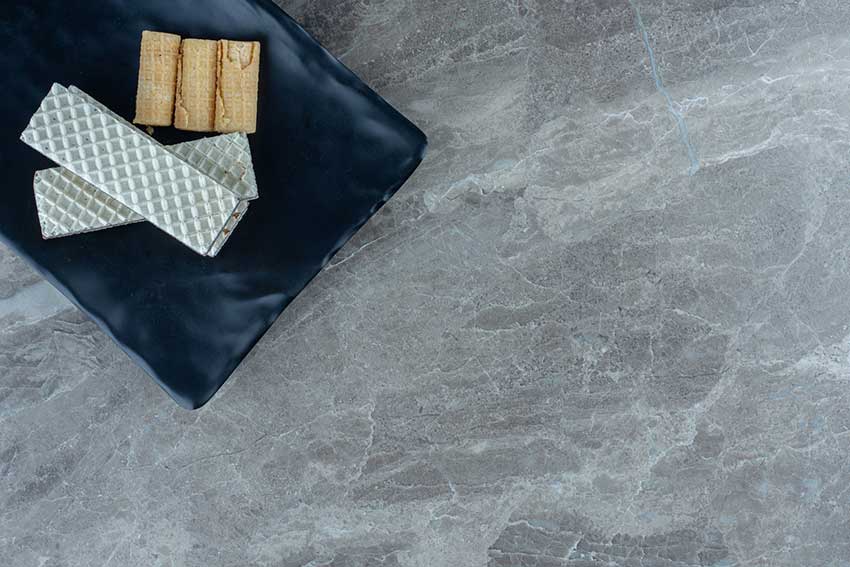
Quartz countertops are low-maintenance, but they are not heat-proof. Direct contact with hot cookware or sudden temperature changes can damage the surface, especially near edges and cutouts. Always use a heat-resistant trivet or hot pad to protect your countertop. Following the manufacturer’s care instructions can help preserve the surface and prevent avoidable repairs.
Marble Countertops: Timeless Elegance
Marble is synonymous with luxury and sophistication, often seen in high-end kitchens.
- Durability: While visually stunning, marble is softer than granite and prone to scratches, chips, and etching from acidic substances.
- Maintenance: It requires regular sealing and careful cleaning to prevent staining and damage.
- Cost: Marble can cost anywhere from $60 to $200 per square foot.
- Style: Its unique veining and classic appeal make it a favorite for traditional and elegant kitchen designs.

Butcher Block Countertops: Warm and Inviting
Butcher block countertops bring warmth and charm to any kitchen, made from hardwoods like maple, oak, or walnut.
- Durability: While it can scratch and dent, butcher block is repairable through sanding and refinishing. It is sensitive to moisture and requires care to prevent water damage.
- Maintenance: Regular oiling is necessary to maintain its appearance and prevent drying or cracking.
- Cost: Prices range from $30 to $100 per square foot, depending on the wood type.
- Style: Butcher block pairs well with farmhouse, rustic, and modern kitchen designs.

Concrete Countertops: Industrial Chic
Concrete countertops are highly customizable and offer a sleek, industrial look.
- Durability: Concrete is strong and heat-resistant but can be prone to cracks and stains without proper sealing.
- Maintenance: Requires sealing to prevent stains and periodic waxing to maintain its finish.
- Cost: Prices generally fall between $65 and $135 per square foot.
- Style: With various color pigments and finishing techniques, concrete fits well in contemporary or industrial kitchens.
Stainless Steel Countertops: Sleek and Hygienic
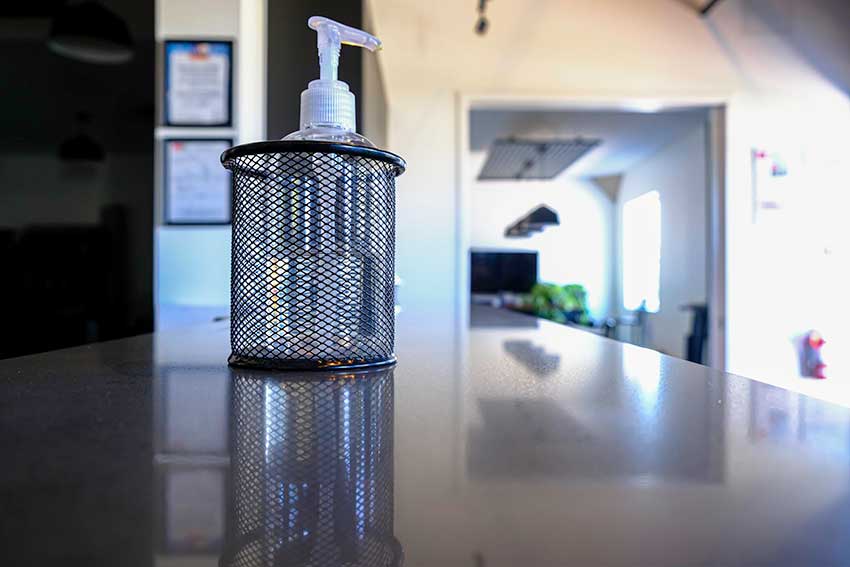
Stainless steel is a favorite in professional kitchens due to its durability and easy maintenance.
- Durability: Resistant to heat, stains, and water, but prone to scratches and dents over time.
- Maintenance: Requires regular cleaning to prevent water spots and fingerprints.
- Cost: Costs range from $70 to $150 per square foot.
- Style: Its sleek, metallic finish suits modern and industrial kitchen designs.
Laminate Countertops: Budget-Friendly and Versatile
Laminate countertops, made from a plastic coating bonded to particleboard, are an affordable and versatile option.
- Durability: Resistant to stains and scratches but susceptible to burns and chipping.
- Maintenance: Easy to clean with soap and water but cannot be refinished if damaged.
- Cost: A budget-friendly choice, costing $10 to $40 per square foot.
- Style: Available in a wide range of colors and patterns, including designs that mimic natural stone.

Soapstone Countertops: Soft and Natural Beauty
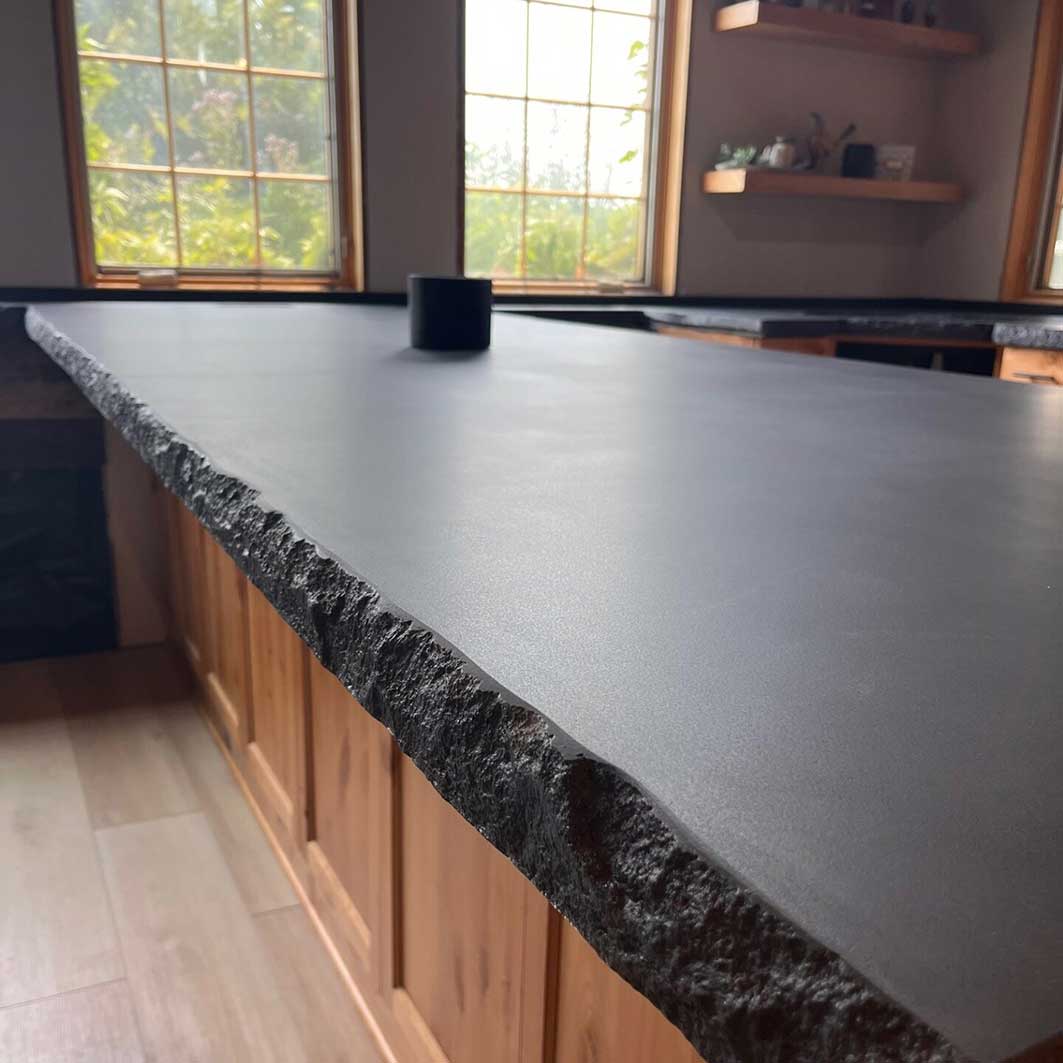
Soapstone, a natural stone with a smooth, matte finish, offers an understated elegance.
- Durability: Resistant to stains and heat but softer than granite, making it prone to scratches and dents.
- Maintenance: Requires periodic oiling to maintain its dark color and unique appearance.
- Cost: Typically priced between $70 and $120 per square foot.
- Style: Its natural beauty and soft appearance suit vintage or country-style kitchens.

Solid Surface Countertops: Seamless and Modern
Solid surface materials, like Corian, are engineered from a mix of acrylic and polyester resins, creating a seamless and customizable option.
- Durability: Non-porous and resistant to stains and bacteria, but less heat-resistant than stone materials.
- Maintenance: Easy to clean and repair scratches with sanding.
- Cost: Prices range from $40 to $80 per square foot.
- Style: Available in a variety of colors and patterns, offering a modern, sleek appearance.
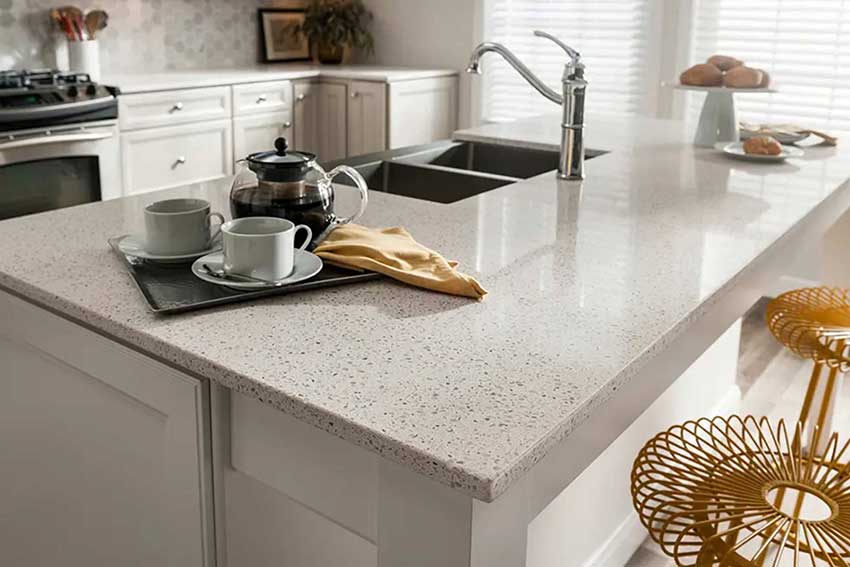
Porcelain Countertops: Durable and Lightweight
Porcelain countertops are gaining popularity for their high durability and lightweight properties.
- Durability: Resistant to heat, scratches, and UV rays, making it suitable for outdoor kitchens as well.
- Maintenance: Non-porous and easy to clean, requiring little upkeep.
- Cost: Prices range from $60 to $100 per square foot.
- Style: With options that mimic marble, wood, or concrete, porcelain is incredibly versatile.
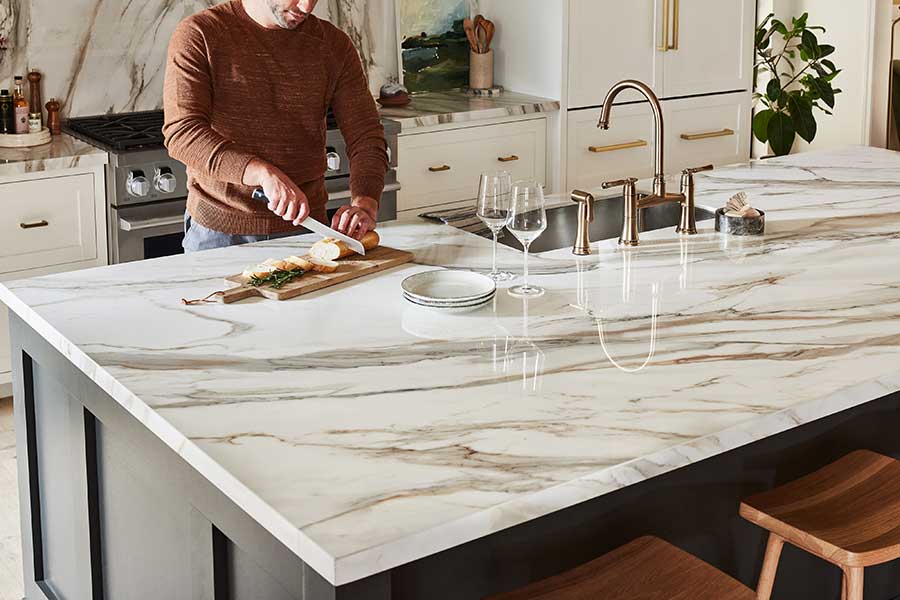
Recycled Glass Countertops: Eco-Friendly and Vibrant
Made from a mix of recycled glass and resin, these countertops are both sustainable and stylish.
- Durability: Resistant to stains, heat, and scratches, though heavy impacts can cause chips.
- Maintenance: Easy to clean with standard household products.
- Cost: Typically costs $50 to $100 per square foot.
- Style: Available in bold, vibrant colors and unique designs.
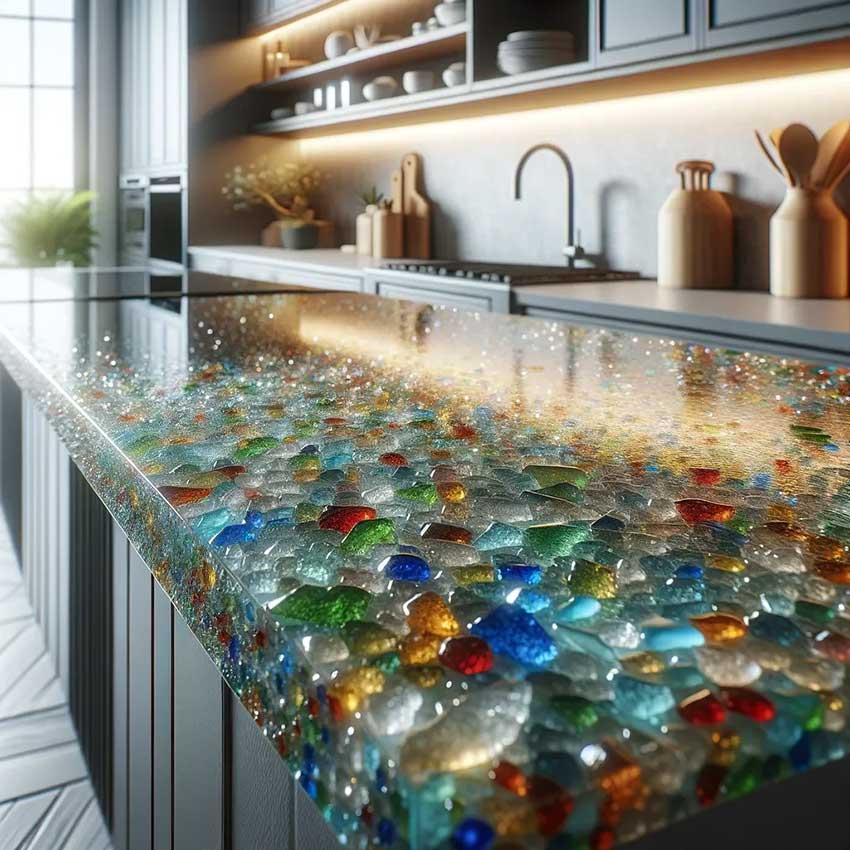
Tile Countertops: Customizable and Affordable
Tile countertops are a traditional option that offers endless customization possibilities.
- Durability: Resistant to heat and scratches but prone to chipping and grout stains.
- Maintenance: Requires sealing of grout lines to prevent staining and frequent cleaning.
- Cost: A budget-friendly choice, costing $10 to $50 per square foot.
- Style: Allows for creative designs with various tile patterns, colors, and textures.
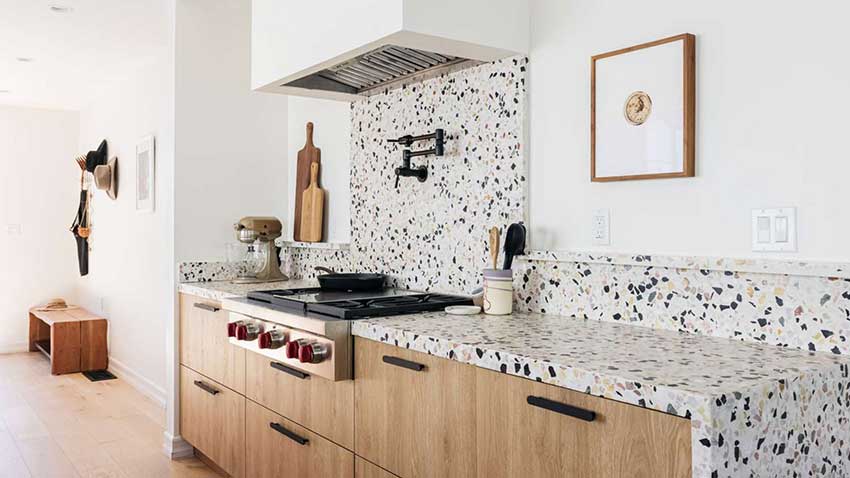
Bamboo Countertops: Sustainable and Unique
Bamboo countertops are an eco-friendly option made from renewable bamboo stalks.
- Durability: Hard and durable but sensitive to water and heat.
- Maintenance: Requires sealing and regular oiling to prevent damage.
- Cost: Prices range from $30 to $100 per square foot.
- Style: Perfect for eco-conscious homeowners seeking a modern, natural aesthetic.
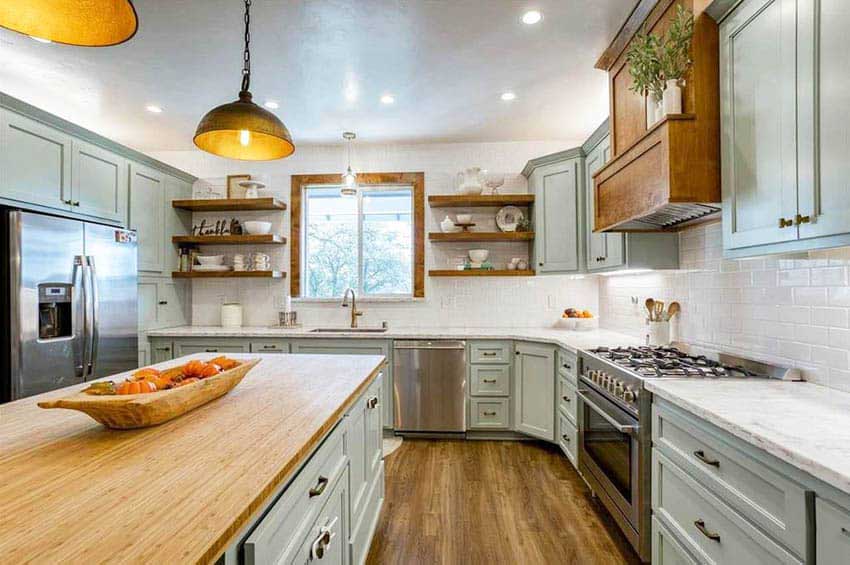
Lava Stone Countertops: Rare and Resilient
Lava stone is a unique material that combines beauty and durability.
- Durability: Highly resistant to heat, stains, and scratches.
- Maintenance: Virtually maintenance-free, requiring no sealing.
- Cost: An expensive option, ranging from $250 to $300 per square foot.
- Style: Offers a glossy, vibrant finish that adds a luxurious touch.

Choosing the Best Material for Your Needs
Selecting the best material for your kitchen countertop depends on your budget, lifestyle, and aesthetic preferences. Factors like durability, maintenance, and style should guide your decision. For homeowners who prioritize elegance, materials like marble or quartz are excellent choices. Those seeking affordability might opt for laminate or tile. Eco-conscious individuals can explore options like bamboo or recycled glass.
How to Choose the Right Kitchen Countertop for Your Budget
Choosing a kitchen countertop is not just about comparing the price of different materials. The total cost of your project also depends on fabrication, installation, edge profiles, cutouts, removal of the existing countertop, and any plumbing adjustments. A material that appears affordable at first may become more expensive once these additional costs are included.
For homeowners working with a limited budget, laminate countertops can provide an attractive and practical solution. They are available in a wide range of colors and patterns, including designs that resemble natural stone. However, homeowners should understand their limitations, particularly around heat exposure and repairs.
For a balance between appearance and everyday maintenance, quartz and granite are worth comparing. Quartz offers a consistent look and does not require routine sealing, while granite provides natural patterns and variation. The final price of either option depends on the specific slab, fabrication requirements, and installation details.
Before making a decision, request an itemized estimate that includes the material, fabrication, installation, sink and cooktop cutouts, edge details, demolition, disposal, and any required plumbing work. Comparing complete project estimates makes it easier to understand the true cost of each option and avoid unexpected expenses.
Quartz vs. Granite vs. Porcelain: Which Countertop Is Best?
Quartz, granite, and porcelain are popular choices for homeowners who want a durable and attractive kitchen countertop. However, each material offers a different combination of appearance, maintenance requirements, and performance. The right choice depends on how the kitchen is used and what matters most to the homeowner.
Quartz is an engineered surface made with mineral materials, resins, and pigments. It is nonporous and does not require routine sealing, making it a convenient option for busy households. However, quartz countertops should be protected from direct heat because sudden temperature changes or prolonged exposure to hot cookware may damage the surface.
Granite is a natural stone, so every slab has its own color variations and patterns. It is a strong choice for homeowners who appreciate natural materials and want a countertop that can handle everyday kitchen use. Depending on the specific stone, sealing may be recommended to improve stain resistance.
Porcelain offers another option for homeowners who prioritize a modern appearance and a surface that is easy to clean. It is commonly selected for its resistance to staining, heat, and UV exposure, although fabrication and edge details require careful planning. Large slabs can also require specialized handling and installation.
Instead of choosing a countertop based on a single performance claim, compare the manufacturer’s care instructions, available finishes, fabrication requirements, and installed cost. Reviewing actual samples under your kitchen’s lighting can also help you make a more confident decision.
Emerging Trends in Kitchen Countertop Materials
As kitchen design continues to evolve, so do the choices available for countertops. While granite, quartz, and marble remain timeless favorites, modern homeowners are increasingly exploring innovative materials and finishes that combine function with cutting-edge style. If you are still wondering what materials are best for kitchen countertops, staying informed about these emerging options can help you make a forward-thinking choice.
1. Ultra-Compact Surfaces (Dekton & Neolith)
Ultra-compact materials such as Dekton and Neolith are quickly gaining popularity in luxury kitchens. Made from a blend of porcelain, glass, and quartz under extreme heat and pressure, these surfaces offer unmatched durability.
-
Durability: Resistant to heat, scratches, UV rays, and stains—making them perfect for both indoor and outdoor kitchens.
-
Maintenance: Virtually maintenance-free, requiring only simple cleaning.
-
Cost: Typically ranges from $70 to $150 per square foot.
-
Style: Available in sleek designs that mimic marble, wood, or even metal, allowing homeowners to achieve high-end looks without the upkeep.
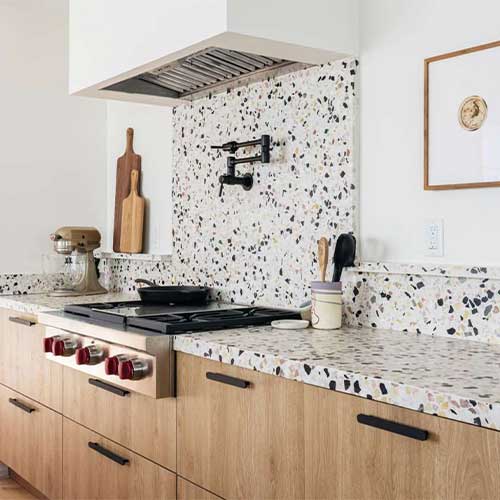
2. Terrazzo Countertops
A classic material making a modern comeback, terrazzo is crafted from chips of marble, quartz, glass, or granite set in cement or resin. Once considered old-fashioned, terrazzo is now celebrated for its bold, artistic appeal.
-
Durability: Extremely resilient and long-lasting when sealed properly.
-
Maintenance: Requires occasional resealing to protect against stains.
-
Cost: Ranges from $50 to $100 per square foot.
-
Style: Offers a playful, colorful, and customizable surface—ideal for homeowners looking for something unique.
3. Mixed-Material Countertops
Another rising trend is the combination of materials within a single kitchen. For instance, pairing quartz with butcher block, or stainless steel with marble, allows homeowners to enjoy the best of both worlds.
-
Durability: Each section is chosen for its functional purpose—wood for chopping, quartz for prep areas, and steel near the stove.
-
Maintenance: Varies depending on the materials combined.
-
Cost: Can range widely depending on the materials selected.
-
Style: Adds depth and personality, making the kitchen feel more customized and dynamic.
4. Smart Countertops
Technology is even finding its way into countertop design. Smart countertops integrate wireless charging stations, built-in lighting, and even touch-screen controls for appliances.
-
Durability: Typically built on quartz or solid surface foundations for strength.
-
Maintenance: Standard cleaning applies, though electronic components require care.
-
Cost: Premium option, often starting above $150 per square foot.
-
Style: Perfect for tech-savvy homeowners who want a futuristic kitchen experience.
5. Matte and Textured Finishes
Beyond the material itself, finish plays a huge role in modern countertop design. While polished stone has long been the standard, matte, honed, and textured finishes are becoming more desirable for their subtle elegance.
-
Durability: Similar to polished surfaces, though textured finishes may hide scratches better.
-
Maintenance: Easier to maintain since fingerprints and smudges are less visible.
-
Style: Adds a sophisticated, understated look that complements minimalist kitchens.
How to Choose the Right Countertop for Your Lifestyle
When evaluating what materials are best for kitchen countertops, it’s essential to think beyond aesthetics. Consider the following factors to ensure your choice aligns with your lifestyle:
-
Cooking Habits: If you cook often with heavy pots and pans, opt for heat-resistant surfaces like granite, quartz, or ultra-compact surfaces.
-
Family Needs: For households with kids, stain-resistant and low-maintenance materials like quartz or solid surface are ideal.
-
Eco-Friendly Goals: Bamboo, recycled glass, and terrazzo are excellent sustainable choices.
-
Budget: Balance initial cost with long-term value. Laminate and tile are budget-friendly, while quartz and granite offer strong resale value.
-
Design Vision: Your countertop should tie in with cabinetry, flooring, and overall kitchen style.
The Future of Kitchen Countertops
Looking ahead, the trend is moving toward sustainable, durable, and technology-enhanced surfaces. Homeowners are seeking countertops that not only look beautiful but also contribute to healthier, smarter, and more eco-conscious living. Whether it’s the timeless appeal of marble, the resilience of quartz, or the innovation of ultra-compact materials, the perfect countertop is one that reflects your lifestyle while elevating your kitchen’s design.
Before choosing a countertop, request an itemized estimate that separates material costs from fabrication, installation, demolition, disposal, and plumbing work. This makes it easier to compare contractors and understand what is included in each proposal. A detailed estimate also helps homeowners identify potential additional costs before the project begins.
Builpire: Transforming Your Space, One Design at a Time
Builpire is your trusted partner for interior decoration and kitchen design, offering a seamless experience from concept to completion. Specializing in personalized home and kitchen transformations, Builpire goes beyond design by acting as your dedicated contractor. We manage every detail, ensuring that your dream space comes to life with expertise and style. Our unique platform allows you to explore a curated selection of high-quality products essential for your interior project. As you browse, you can effortlessly add items to your personalized contract, guaranteeing that each element is tailored to fit your vision and budget. With Builpire, design meets functionality, delivering spaces that inspire and elevate your everyday living. Discover the possibilities with Builpire—where exceptional design becomes your reality .
What to Know Before Installing New Kitchen Countertops
Replacing kitchen countertops can transform the appearance and functionality of a kitchen, but the best results depend on careful planning before installation begins. Homeowners should evaluate the existing cabinets, sink configuration, appliances, and overall kitchen layout before selecting a new surface.
Cabinet condition is particularly important. Countertops need a stable and properly prepared base, and existing cabinets may require adjustments before a new surface can be installed. Homeowners should also consider whether the new countertop will accommodate an undermount sink, a cooktop, or other integrated features.
Material selection should happen alongside layout planning. For example, a large island may benefit from a slab with a distinctive natural pattern, while a smaller kitchen may look more balanced with a lighter or more consistent surface. Edge profiles, backsplash height, and seam placement can also influence the final appearance.
Before approving the project, confirm the scope of work, material selection, measurements, installation schedule, and responsibilities for demolition and plumbing reconnections. A detailed project plan helps homeowners understand what is included and reduces the risk of unexpected changes during installation.
Working with an experienced remodeling team can make the process easier by coordinating material selection, measurements, fabrication, and installation as part of a broader kitchen renovation. This approach helps ensure that the countertop complements the cabinetry, appliances, and overall design rather than being treated as an isolated upgrade.
For more ideas and guidance, follow us on Instagram.
Frequently Asked Questions
What is the best material for kitchen countertops?
The best kitchen countertop material depends on your budget, cooking habits, maintenance preferences, and design goals. Quartz is a popular choice for homeowners who want a nonporous, low-maintenance surface. Granite is suitable for those who prefer natural stone with unique patterns, while porcelain is often chosen for its resistance to heat, stains, and UV exposure. Laminate can be a practical option for budget-conscious renovations. Comparing the benefits and limitations of each material is the best way to find the right fit for your kitchen.
Is quartz or granite better for kitchen countertops?
Quartz and granite can both work well in kitchens, but they offer different advantages. Quartz is an engineered, nonporous surface that does not require routine sealing and is easy to maintain. Granite is a natural stone with unique patterns and color variations, and it can offer excellent durability. Depending on the specific granite, sealing may be recommended to improve stain resistance. Quartz is often preferred for easier maintenance, while granite appeals to homeowners who want the character of natural stone. Neither material is completely immune to damage, so proper care is important.
Which kitchen countertop material is the easiest to maintain?
Quartz and many solid surface countertops are among the easiest materials to maintain because they are nonporous and do not require routine sealing. Regular cleaning with a soft cloth and an appropriate mild cleaner is generally sufficient. However, homeowners should still follow the manufacturer’s care instructions and protect the surface from direct heat, harsh chemicals, and abrasive cleaning tools. Natural stone countertops may require additional care depending on their composition and finish.
What is the most affordable material for kitchen countertops?
Laminate is generally one of the most budget-friendly kitchen countertop options. It offers a wide variety of colors, patterns, and finishes, including designs that resemble natural stone. Tile can also be an affordable choice, although grout lines require regular cleaning and maintenance. When comparing prices, homeowners should consider the full installed cost, including fabrication, edge profiles, cutouts, removal of existing countertops, and any necessary plumbing adjustments.
Can you put hot pots directly on quartz countertops?
It is not recommended to place hot pots or pans directly on quartz countertops. Although quartz is durable, the resins used in engineered surfaces can be affected by high temperatures or sudden temperature changes. Direct heat may cause discoloration, cracking, or other surface damage. Always use a heat-resistant trivet or hot pad when placing cookware, slow cookers, air fryers, or other hot appliances on the countertop.