







Signs of Structural Damage in Your House You Shouldn’t Ignore
Your home is more than a place to live—it is a major investment that depends on a stable foundation and sound structural systems. Recognizing the early signs of structural damage in your house can help you address potential problems before they become more disruptive, expensive, or difficult to repair. While some cracks and imperfections are part of normal aging, others may point to foundation movement, moisture-related deterioration, settlement, or problems affecting load-bearing components.
Structural problems do not always appear as dramatic damage. A growing crack, sloping floor, sticking door, gap around a window, or visible foundation change may be an early warning that something beneath the surface needs attention. The key is understanding which signs are relatively minor and which ones warrant a closer professional evaluation.
In this guide, we’ll explain the most important signs of structural damage in a house, what may cause them, how to document changes, and when it makes sense to contact a qualified professional. By recognizing potential warning signs early, homeowners can make more informed decisions about inspection, maintenance, and repairs while protecting the long-term condition and value of their property.
Article Summary
- Common signs of structural damage include foundation cracks, uneven floors, sticking doors and windows, bowed walls, damaged chimneys, water intrusion, sagging rooflines, and visible foundation movement.
- Not every crack or cosmetic defect indicates structural failure. The location, progression, severity, and combination of symptoms matter.
- Persistent water intrusion and drainage problems can contribute to deterioration and should be addressed before they lead to more serious damage.
- Document visible damage with photographs and notes before making permanent repairs, especially when the condition appears to be changing.
- If multiple warning signs occur together or structural movement is suspected, a qualified professional should evaluate the property and determine the appropriate repair strategy.
Transform Your Space with BUILPIRE – Book Your Consultation Today!
Common Signs of Structural Damage in Your House
1. Cracks in Walls and Ceilings
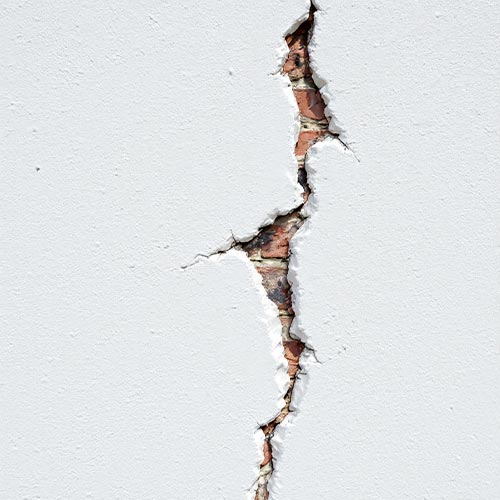
Cracks are often the first noticeable signs of structural damage in house. Vertical cracks, especially those wider than 1/8 inch, can indicate that your foundation is shifting. Horizontal cracks are more alarming as they often point to pressure from the outside, like soil movement or poor structural load distribution.
2. Uneven or Sloping Floors
Walking across your home and feeling a slope isn’t normal. Floors should feel even and stable. Uneven floors are a tell-tale sign that the foundation or support beams are failing, one of the serious signs of structural damage in house.
3. Doors and Windows That Stick or Won’t Close
While weather changes can cause wood to swell, persistent issues with doors and windows sticking or refusing to close properly can mean the structure around them is shifting. These are subtle yet critical signs of structural damage in house.
4. Gaps Around Window Frames or Exterior Doors
Another visible symptom is when gaps start appearing around windows or doors. This happens when the building frame becomes distorted due to foundational movements or structural weaknesses.
5. Bowed Walls
Walls that bow inward are under immense pressure, often from saturated soil pushing against the foundation. Bowed walls are not just cosmetic defects; they are serious signs of structural damage in house that require immediate attention.
6. Cracked Chimneys
A cracked or leaning chimney often indicates foundation settlement. Chimneys are heavy and prone to tilting when the ground beneath them shifts, highlighting one of the clear signs of structural damage in house.
7. Water Damage and Mold Growth
Moisture intrusion weakens building materials over time. Water stains on ceilings or walls, persistent leaks, and mold growth can lead to rot, which compromises the structural integrity of your house.
8. Sagging Rooflines
If your roof appears to sag or ripple, it’s a significant concern. Structural beams or roof supports may be deteriorating, which could eventually lead to partial or complete roof collapse.
9. Visible Foundation Issues
Visible cracks in the foundation, crumbling concrete, or gaps where the foundation meets the home are obvious signs of structural damage in house. Foundation problems can escalate quickly if not addressed.
When evaluating possible structural problems, do not focus on cracks alone. Check whether foundation movement, bowed walls, abnormal settling, uneven floors, or drainage issues are occurring at the same time. Multiple related symptoms can provide a clearer picture of what may be happening to the structure.

How to Tell If Structural Damage Is Cosmetic or Serious
Not every crack, uneven surface, or sticking door means your home has a structural problem. Some defects are cosmetic and may result from normal aging, material movement, or changes in temperature and humidity. The concern increases when multiple symptoms appear together, when the condition is getting worse, or when the damage involves load-bearing components such as the foundation, structural walls, beams, or roof framing.
For example, a small isolated drywall crack may not indicate a structural failure. However, cracks that continue to grow, appear alongside uneven floors, doors that suddenly become difficult to close, gaps around windows, or visible foundation movement deserve closer attention. FEMA guidance specifically identifies conditions such as cracked masonry, gaps around doors and windows, leaning or cracked chimneys, and sagging rooflines as conditions that should be documented and evaluated when structural concerns are suspected. FEMA guidance on foundation and structural damage indicators.
The key is not to judge a structural problem based on one symptom alone. Look for patterns, changes over time, and connections between different areas of the house. If several warning signs occur together, or if a defect is visibly progressing, a qualified professional should evaluate the property before cosmetic repairs are attempted.
Causes of Structural Damage
Understanding what causes structural issues is just as important as recognizing them. Common culprits include:
-
Poor construction practices
-
Soil movement and erosion
-
Water infiltration and drainage problems
-
Tree roots growing too close to the foundation
-
Age and natural settling
Each of these factors can cause the early signs of structural damage in house, and being aware of them can help you prevent future issues.
A foundation problem should not be evaluated only by looking for cracks. Water infiltration, damaged support posts, columns, beams, or girders can also indicate a serious deficiency. If a foundation or structural support appears to be at risk of failure, professional evaluation should not be delayed.
What to Document Before Repairing Structural Damage
Before repairing a suspected structural problem, create a clear record of what you are seeing. Take well-lit photographs from several angles and include both close-up images of cracks or damage and wider photographs showing where the issue is located within the house.
Record the approximate size and location of visible cracks, gaps, uneven areas, water intrusion, or other changes. If a crack appears to be changing, document it periodically so you can compare its condition over time. Also note when you first noticed the problem and whether it appeared after a major storm, flooding event, plumbing leak, landscaping change, or other significant event.
This documentation can help a structural professional understand how the condition has developed and can provide a useful record when evaluating the cause and extent of damage. FEMA’s damage assessment guidance emphasizes accurate documentation of damage, including photographs and videos when possible. FEMA damage assessment guidance.
Do not rely on photographs alone to determine whether a structural defect is safe. Documentation is useful for assessment, but a qualified professional should determine the cause, severity, and appropriate repair strategy when structural damage is suspected.

What to Do if You Notice Signs of Structural Damage
If you suspect there’s structural damage, the first step is to consult a structural engineer or a qualified contractor. They can accurately assess the extent of the problem and recommend solutions.
Here’s what you should do:
-
Document everything: Take pictures of the damage and note any changes over time.
-
Avoid DIY fixes: Temporary repairs like patching cracks can mask serious issues.
-
Address water problems: Improve drainage around your home immediately.
-
Consult a professional: Early intervention often means less invasive, less expensive repairs.
Before making permanent repairs, document the condition with photographs and notes showing where the damage is located and how it changes over time. If structural instability is suspected, have a qualified professional inspect the property before the damage is covered or repaired.
Official source: FEMA Foundation Issues and Pre-Existing Damage Guidance
When Should You Call a Structural Engineer?
You do not need to call a structural engineer every time you notice a small crack or minor cosmetic defect. However, professional evaluation becomes important when the damage is growing, appears in multiple areas, affects the foundation or load-bearing elements, or is accompanied by noticeable movement in the building.
Consider scheduling a structural evaluation if you notice horizontal or expanding foundation cracks, significantly uneven or sloping floors, bowed foundation walls, major gaps around doors or windows, a leaning or cracked chimney, visible settlement, or structural components that appear damaged or displaced. These conditions can have different causes, and a visual symptom alone is not enough to determine the underlying problem.
A professional assessment can help determine whether the issue is cosmetic, related to normal settlement, caused by moisture or drainage conditions, or associated with a more significant structural concern. Fannie Mae’s homeowner inspection guidance specifically recommends looking for excessive foundation movement, cracking, bowed walls, abnormal settling, drainage problems, uneven floors, and related warning signs during a home inspection. Fannie Mae’s home inspection guidance.
If you suspect active structural movement, avoid covering the problem with cosmetic repairs before the cause is understood. Document the condition, photograph visible damage, monitor changes, and have the appropriate professional determine what is happening before proceeding with permanent repairs.

How Builpire Can Help
When it comes to repairing signs of structural damage in house, trusting the right team is crucial. Builpire specializes in home remodeling, renovation, and structural repairs. Their expert team not only restores the integrity of your home but can also modernize and beautify it, making it safer and more stylish. Whether you’re facing a small crack or major foundation work, Builpire has the experience and passion to deliver outstanding results tailored to your needs.
For more ideas and guidance, follow us on Instagram.
Frequently Asked Questions About Structural Damage
What are the most common signs of structural damage in a house?
Common warning signs include growing cracks in walls or foundations, uneven or sloping floors, doors and windows that suddenly stick, gaps around frames, bowed walls, leaning or cracked chimneys, sagging rooflines, and visible foundation movement. A single symptom does not always mean structural failure, so the pattern, location, progression, and combination of signs should be considered.
Are all cracks in walls a sign of structural damage?
No. Small hairline cracks can occur because of normal material movement, drying, temperature changes, or settlement and may not indicate a structural problem. Cracks that are growing, appear alongside other signs of movement, occur in foundation or masonry components, or are accompanied by water intrusion should receive closer professional attention.
How do I know if a foundation crack is serious?
The appearance of a foundation crack should be evaluated in context. Pay attention to its location, direction, size, whether it is changing over time, and whether other symptoms such as bowing, settlement, water intrusion, uneven floors, or doors and windows that no longer operate normally are present. A qualified professional can determine whether the crack is cosmetic or related to a more significant structural condition.
When should I hire a structural engineer for my house?
Consider a structural evaluation when you see significant or worsening cracks, foundation movement, bowed walls, major settlement, noticeably uneven floors, damaged structural supports, or several related symptoms occurring together. A professional assessment is especially important when you are unsure whether the condition is cosmetic or structural, because the visible symptom may not reveal its underlying cause.
Can water damage cause structural problems in a house?
Yes. Persistent moisture and water intrusion can contribute to deterioration of building materials and may create conditions that affect structural components over time. The source of the moisture is important, so homeowners should address leaks, drainage problems, and water intrusion rather than simply repairing the visible stain or damaged finish.