







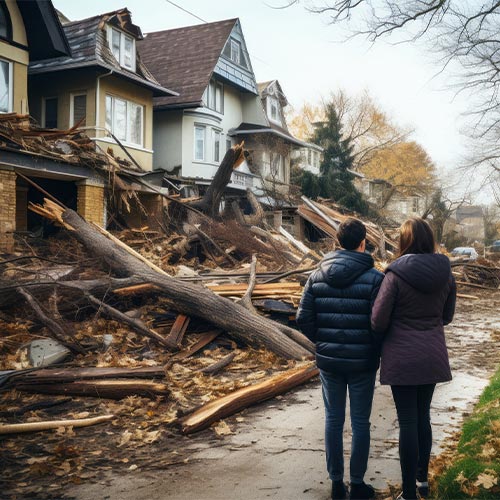
The Urgency of Storm Damage Home Restoration
Severe storms can leave behind more than visible damage. High winds, hail, heavy rain, flooding, and fallen debris can affect roofs, siding, windows, ceilings, flooring, electrical systems, insulation, and other parts of a home. Storm damage home restoration is the process of safely assessing these conditions, preventing further damage, addressing moisture and structural concerns, and restoring the property to a safe, functional condition.
Storm Damage Home Restoration: What Homeowners Need to Know
- Storm damage can affect roofing, siding, windows, interiors, electrical systems, insulation, and structural components.
- Safety should always come before cleanup, especially when flooding, electrical hazards, or structural damage is present.
- Documenting damage with photos and videos can provide valuable information for the restoration and insurance process.
- EPA recommends drying wet areas and materials within 24–48 hours whenever possible to help prevent mold growth.
- Hidden moisture can remain behind walls, beneath flooring, and inside insulation even when visible surfaces appear dry.
- A professional restoration assessment should consider moisture conditions, affected materials, safety, documentation, and the appropriate repair strategy.
- Choosing an experienced restoration company can help homeowners manage emergency stabilization, restoration, reconstruction, and project documentation more effectively.
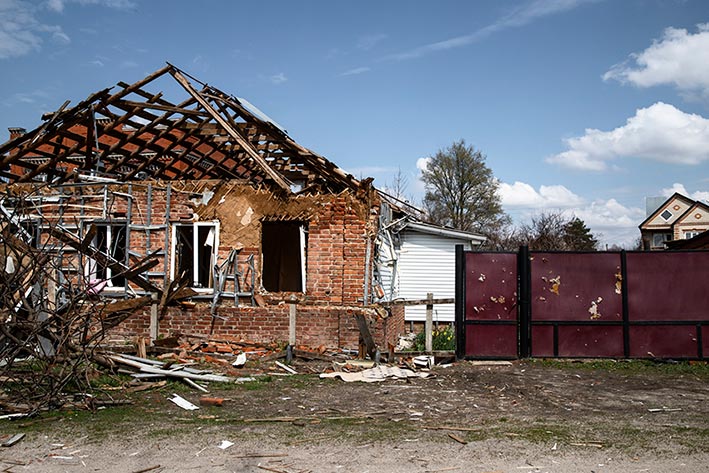
Transform Your Space with BUILPIRE – Book Your Consultation Today!
Understanding Storm Damage: What’s at Stake?
Storms can cause various types of home damage, depending on their nature. High winds can tear off shingles or siding. Heavy rainfall can flood basements and damage electrical systems. Hail can crack windows and dent roofs. Even fallen trees pose serious threats.
Each of these issues requires a specialized approach to restoration. It’s not a one-size-fits-all process—storm damage home restoration involves tailored strategies that address the unique combination of destruction caused by the storm.
The Restoration Process: Step-by-Step
Professional storm restoration typically involves the following phases:
-
Emergency Inspection & Assessment
Experts assess the extent of the damage using thermal imaging, moisture meters, and visual inspections. -
Securing the Property
Temporary solutions such as tarps and board-ups prevent further damage. -
Water Extraction & Drying
Industrial dryers and dehumidifiers are used to remove moisture and prevent mold. -
Repair & Reconstruction
From drywall to roofing to landscaping, the property is restored to its original condition—or better. -
Insurance Coordination
Experienced companies help homeowners handle insurance claims efficiently and correctly.
Each phase in the storm damage home restoration process plays a crucial role in getting your life back to normal as quickly as possible.
A professional water damage restoration process should address more than water removal. Assessment, moisture monitoring, drying technology, documentation, safety procedures, and evaluation of affected materials are all important parts of a complete restoration strategy.
Source: ANSI/IICRC S500 – Standard for Professional Water Damage Restoration
Hidden Hazards: Why You Shouldn’t Wait
What may seem like minor damage can quickly escalate. Water infiltration leads to mold within 48 hours. Structural damage can compromise your home’s safety. Even cosmetic issues can reduce property value if left unchecked.
One of the most overlooked elements of storm damage is electrical safety. Water-damaged wiring poses serious fire risks. Qualified restoration teams will evaluate these systems during a storm damage home restoration project to ensure everything is safe before your family returns home.
Do not rely on visible dryness to determine whether water damage has been resolved. Moisture can remain inside walls, flooring systems, insulation, and other concealed areas. Professional moisture assessment can help identify areas that still require drying or further investigation.
Source: U.S. Environmental Protection Agency – Mold, Moisture and Your Home
What to Do Immediately After Storm Damage
After a major storm, the first priority is safety—not cleanup. Before entering or moving through a damaged property, homeowners should watch for structural instability, downed power lines, gas leaks, standing water, and other hazards. If the home has been evacuated, re-entry should only happen when it is considered safe by the appropriate authorities or qualified professionals.
Once the property is safe to access, document the damage before beginning major cleanup or repairs. Take clear photos and videos of affected rooms, roofing, siding, windows, flooring, ceilings, appliances, and personal belongings. Keeping a detailed record can help establish the extent of the loss and provide useful documentation during the insurance process.
Temporary measures may also be necessary to prevent additional damage. Depending on the situation, this can include covering a damaged roof, boarding broken windows, removing standing water, or protecting exposed areas from additional rain. However, emergency work should not replace a professional assessment when structural, electrical, or significant water damage is present.
Water damage deserves particular attention. The U.S. Environmental Protection Agency recommends drying wet areas and materials within 24 to 48 hours whenever possible to help prevent mold growth. The exact response depends on the type of water, the materials affected, and the extent of the damage.
Taking these steps early can reduce secondary damage and give restoration professionals the information they need to develop a safer and more accurate recovery plan.
Before starting major cleanup after a flood or severe storm, document the condition of the property with photos and videos and contact your insurance company. If the property may have structural, electrical, or other safety hazards, wait for qualified professionals to determine when it is safe to re-enter.
Source: U.S. Environmental Protection Agency – Emergencies and Indoor Air Quality
Choosing the Right Restoration Company
When choosing a contractor, look for:
-
Experience with storm-specific damage
-
Emergency availability
-
Insurance knowledge
-
Certifications and licenses
-
Strong local reputation
A trustworthy company not only performs excellent work but also makes the restoration process less stressful for the homeowner. Ask for a detailed project timeline and clear communication from start to finish.

How to Choose a Storm Damage Restoration Company
Choosing a storm damage restoration company is about more than finding the fastest contractor available. Homeowners should look for a team that can evaluate the full scope of the damage, explain the restoration process clearly, document the work, and coordinate the appropriate specialists when structural, electrical, roofing, or water-related issues are involved.
Ask whether the company has experience handling the specific type of storm damage affecting your property. A contractor experienced with wind damage may approach a project differently from a team specializing in flood-related water damage, and extensive projects may require multiple trades working together.
It is also important to understand how the company handles project documentation. A professional restoration process should clearly record affected areas, materials, moisture conditions, emergency work, repairs, and reconstruction activities. Detailed documentation can make communication with homeowners, contractors, and insurance professionals much easier.
For water-related restoration, homeowners can also ask what assessment and drying methods the company uses. The ANSI/IICRC S500 Standard for Professional Water Damage Restoration addresses inspection, documentation, drying technology, safety, structural restoration, and other components of professional water damage restoration.
Finally, do not choose a restoration company based solely on price or promises of a guaranteed timeline. A reliable contractor should explain what is known, what still needs to be investigated, which repairs are urgent, and which parts of the project may depend on the extent of hidden damage discovered during restoration.
Preparing for Future Storms
After a major storm, many homeowners ask: “How can I prevent this next time?”
Here are some tips:
-
Install impact-resistant windows.
-
Keep trees trimmed to avoid falling limbs.
-
Reinforce garage doors.
-
Waterproof basements.
-
Upgrade roofing materials.
Many storm damage home restoration companies also offer preventative services to help you storm-proof your home before disaster strikes again.
How to Identify Hidden Storm Damage
Not all storm damage is visible immediately. A roof may appear intact while water has entered the attic or wall assembly, and a ceiling stain may represent a larger moisture problem above it. Wind and impact can also damage insulation, framing, siding, windows, and other components that are not obvious during a quick visual inspection.
Moisture is one of the most important hidden risks after a storm. Water trapped behind drywall, beneath flooring, inside insulation, or within other building materials can create conditions that support microbial growth and cause materials to deteriorate if the source is not addressed.
A professional assessment may include visual inspection, moisture measurements, and other diagnostic methods appropriate to the property and type of damage. The goal is not simply to identify what looks damaged, but to determine where moisture or structural problems may exist and whether affected materials can be safely restored.
The EPA emphasizes that moisture control is the key to preventing indoor mold growth. Wet materials should be addressed promptly, and materials that cannot be adequately cleaned and dried may require removal or replacement depending on the circumstances.
For homeowners, the most important takeaway is simple: do not judge the severity of storm damage by appearance alone. A professional evaluation can help identify secondary damage early, reduce unnecessary repairs, and create a more complete restoration plan.

Storm Damage Restoration: What a Complete Recovery Looks Like
Every storm damage project begins with a different set of conditions. The extent of water intrusion, structural damage, affected materials, and the homeowner’s goals can all influence the restoration strategy.
A complete recovery should address both immediate damage and the condition of the finished living space. This may involve emergency stabilization, moisture assessment, removal of damaged materials, structural repairs, reconstruction, and final interior improvements.
For homeowners, the goal is not simply to make visible damage disappear. A successful restoration should address the underlying problems, restore the safety and functionality of the property, and create a clear path from emergency response to a finished home.
Why Builpire Is the Trusted Name in Storm Damage Home Restoration
At the intersection of speed, quality, and compassion, you’ll find Builpire. This leading restoration and home design company specializes in storm damage home restoration, offering full-service recovery that includes everything from emergency response to luxury interior design.
What sets Builpire apart?
-
Immediate 24/7 availability
-
Certified professionals and advanced equipment
-
Aesthetic restoration and design improvements
-
Insurance support and documentation
-
Customer-first philosophy
Builpire doesn’t just rebuild homes—they transform them. After restoring the structural integrity of your space, their designers can enhance the look and feel of your home to make it even better than before.
If you’re facing the aftermath of a storm, trust Builpire to bring your home—and your peace of mind—back faster than you thought possible.
For more ideas and guidance, follow us on Instagram.
Frequently Asked Questions About Storm Damage Restoration
What should I do first if my home is damaged by a storm?
Safety should come first. If there are signs of structural instability, electrical hazards, gas leaks, or contaminated floodwater, avoid entering the property until it has been determined to be safe. Once access is safe, document the damage with photos and videos, contact your insurance company, and arrange for a professional assessment. Temporary measures may be appropriate to prevent additional damage, but major repairs should be based on a proper evaluation of the property.
How quickly should water-damaged areas be dried after a storm?
The U.S. Environmental Protection Agency recommends drying wet areas and materials within 24 to 48 hours whenever possible to help prevent mold growth. This timeframe is a prevention guideline rather than a guarantee that mold will or will not develop. The required response depends on the amount and type of water, the materials involved, temperature, humidity, and how quickly the affected areas can be thoroughly dried.
Can storm damage be hidden behind walls or under flooring?
Yes. Water can move into wall cavities, insulation, subfloors, ceilings, and other concealed areas without creating obvious surface damage immediately. Hidden moisture can contribute to material deterioration and microbial growth if it remains unaddressed. Professional assessment and appropriate moisture measurement can help determine whether areas that appear dry still require further investigation.
Should I choose a restoration company before contacting my insurance company?
Homeowners should generally document the condition of the property and contact their insurance company promptly after significant storm damage. Emergency services may still be necessary to protect the property from additional damage. A restoration professional can help assess and document affected areas, but homeowners should understand what their insurance carrier requires before authorizing major permanent repairs.
What is the difference between storm restoration and reconstruction?
Storm restoration generally focuses on stabilizing the property, addressing water or other immediate damage, drying affected areas, removing unsalvageable materials, and restoring damaged components. Reconstruction may involve rebuilding larger portions of the property when damage is extensive. A project can include both restoration and reconstruction depending on the severity and type of storm damage.