
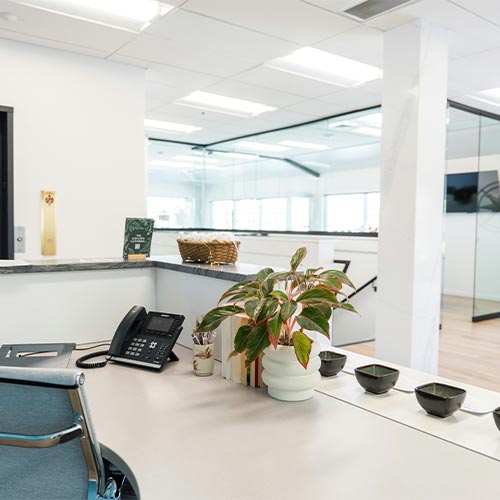
Modern Workspace Decor Ideas to Boost Motivation
Your workspace does more than provide a place to get things done—it shapes how comfortably you work, how well you focus, and how your space feels throughout the day. Whether you’re designing a home office, refreshing a corporate workspace, or making better use of a small room, the right design choices can make a meaningful difference. These modern workspace decor ideas combine thoughtful interior design, practical organization, comfortable furniture, and balanced lighting to help you create a workspace that reflects your style while supporting your everyday needs.
Key Takeaways: Modern Workspace Decor Ideas
- Design your workspace around your daily tasks, equipment, and working habits rather than appearance alone.
- Choose ergonomic furniture and arrange your desk to support comfortable working positions.
- Combine ambient and task lighting while minimizing screen glare and harsh reflections.
- Use plants, artwork, and coordinated colors to introduce personality without creating visual clutter.
- Improve privacy and reduce distractions with thoughtful furniture placement, storage, and acoustic treatments where appropriate.
- Make budget-friendly improvements by rearranging existing furniture and addressing practical problems before buying new décor.
- For larger layout changes, built-in storage, or renovation work, consider professional interior design guidance.
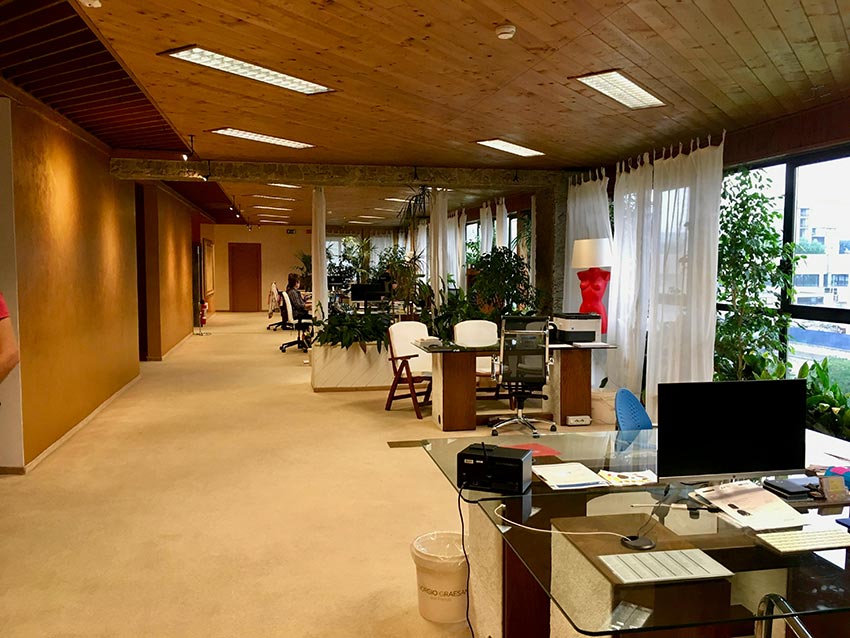
Transform Your Space with BUILPIRE – Book Your Consultation Today!
Minimalist Design for Maximum Focus
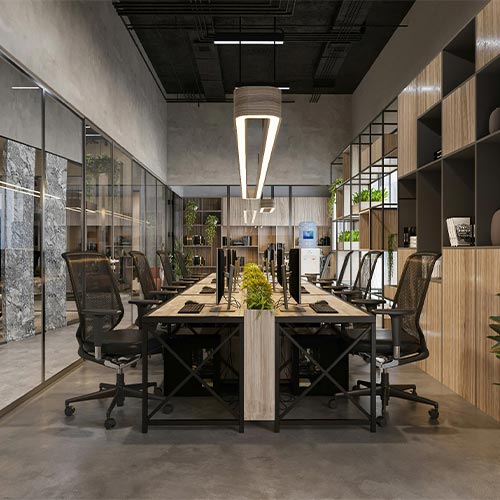
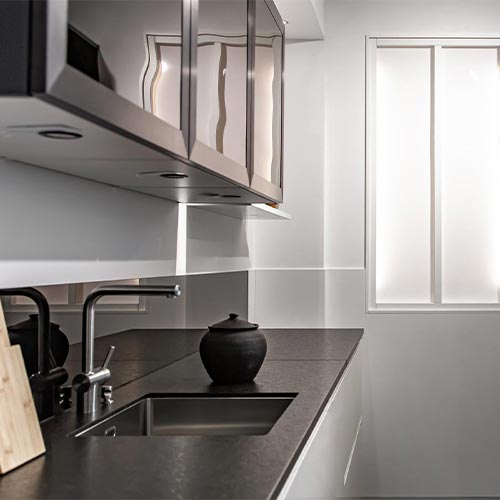
Minimalism remains one of the most popular modern workspace decor ideas for good reason. A clutter-free environment minimizes distractions, allowing you to focus entirely on your tasks. Opt for sleek desks with hidden storage compartments, neutral color palettes, and a limited number of decorative elements. A minimalist workspace not only looks elegant but also promotes mental clarity.
Bring Nature Indoors
Adding greenery to your workspace is more than just a trend—it’s a proven way to improve air quality, reduce stress, and boost productivity. Incorporate potted plants, vertical gardens, or even small succulents on your desk. This approach to modern workspace decor ideas adds warmth and vibrancy to the environment.
Use indoor plants to introduce natural texture, color, and visual interest, but do not rely on them as your primary indoor air-cleaning strategy. The U.S. Environmental Protection Agency notes that ordinary quantities of houseplants have not been shown to remove significant amounts of pollutants from homes and offices. For better indoor air quality, prioritize source control, adequate ventilation, and appropriate filtration where needed.
Ergonomic Furniture for Comfort
Comfort is crucial when spending long hours at your desk. Choose an ergonomic chair with proper lumbar support, an adjustable desk, and accessories like footrests or monitor stands. This not only supports your posture but also aligns perfectly with modern workspace decor ideas focused on health and well-being.
Do not choose a desk and chair based on appearance alone. Check whether your feet are supported, your shoulders can remain relaxed, your wrists stay relatively straight, and your monitor can be viewed without repeatedly bending your neck. OSHA emphasizes that workstation components should be adjusted to support neutral body positions rather than forcing every user into a single fixed setup.
How to Design a Workspace Around Your Daily Workflow
The most effective workspace is not necessarily the most expensive or visually impressive. It is the one that supports the way you actually work. Before buying new furniture or choosing decorative accessories, consider your daily responsibilities, the equipment you use, and the type of environment that helps you stay focused.
Identify Your Primary Work Activities
If your day involves writing, research, or detailed computer work, prioritize a comfortable desk, an appropriately positioned monitor, and enough space to keep essential materials within reach. For creative professionals, a flexible work surface and accessible storage for supplies may be more useful. If you regularly attend virtual meetings, consider camera placement, background appearance, lighting, and sound privacy as part of the design.
Create Zones for Different Tasks
Even a small home office can benefit from clearly defined work zones. Keep your main desk dedicated to focused tasks, use a nearby shelf or cabinet for frequently used materials, and designate a separate surface for paperwork or creative projects when space allows. In a shared room, a rug, a desk orientation, or a low storage unit can help visually distinguish the work area without requiring a full renovation.
Choose Furniture That Fits Your Space and Body
Measure the available floor area before selecting a desk or chair. Allow enough clearance to move comfortably, open storage, and reach essential equipment without repeatedly twisting or stretching. Adjustable furniture can be especially useful when several people share the same workspace or when work habits change throughout the day. For practical workstation guidance, consult the OSHA Computer Workstations guide.
By designing around real tasks rather than appearance alone, you can create a workspace that feels cohesive, functions efficiently, and remains useful as your professional needs evolve.
Personalized Wall Art
Blank walls can feel uninspiring. Personalize your space with framed art, photography, or motivational quotes. The right wall décor can reinforce your goals and keep you inspired throughout the day.
Strategic Lighting Solutions
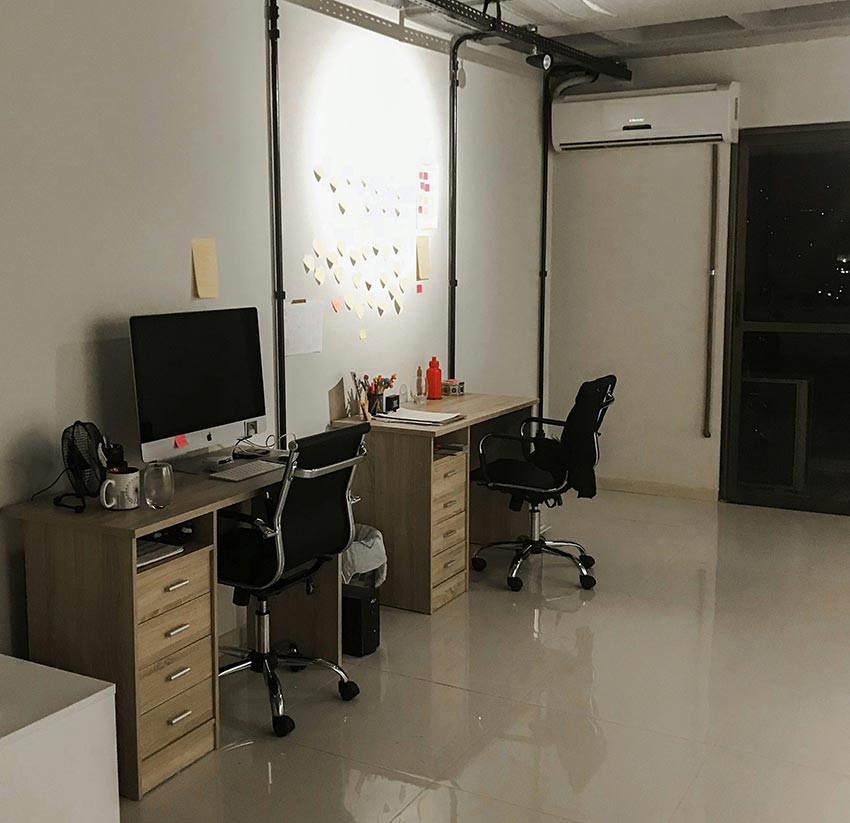
Lighting influences both mood and performance. Incorporate layered lighting, such as natural light, desk lamps, and overhead fixtures. Modern LED lighting systems can even be adjusted for brightness and color temperature, adapting to your work schedule.
Before investing in new lighting fixtures, check your monitor’s position. OSHA recommends positioning the screen at a right angle to windows and other bright light sources where possible, then adjusting blinds and task lighting to reduce reflections. This simple assessment can help you improve visual comfort without redesigning the entire room.
Home Office Lighting Ideas That Reduce Glare and Improve Comfort
Good home office lighting is about more than making a room look bright. The goal is to create comfortable, balanced illumination for reading, computer work, video calls, and other daily tasks. A carefully planned lighting setup can also complement the room’s finishes, furniture, and overall interior design.
Position Your Desk to Control Screen Glare
Whenever possible, position your monitor so that windows are to the side rather than directly in front of or behind the screen. Direct sunlight and reflections from bright surfaces can make screen content harder to see. Adjustable blinds or curtains provide additional control throughout the day without completely sacrificing natural light.
Combine Ambient and Task Lighting
Use ambient lighting to illuminate the room and a desk lamp to provide focused light for reading, writing, or reviewing documents. Choose a lamp with an adjustable head or arm so you can direct the light where it is needed. Avoid placing a bright light source where it creates distracting reflections on your monitor or glossy desk surfaces.
Consider Color Temperature, Dimming, and Flexibility
Adjustable lighting gives you greater control over brightness and atmosphere as your tasks change. Warmer light may create a relaxed evening setting, while a more neutral light may suit detailed daytime work. There is no single color temperature that works best for everyone, so consider personal comfort, screen conditions, and the room’s existing lighting before choosing fixtures.
The OSHA workstation environment guidance recommends controlling glare, using appropriate light distribution, and providing task lighting when needed. These practical principles can help you plan a workspace that looks polished without compromising visual comfort.
Color Psychology in Design
Colors affect emotions and productivity. Soft blues and greens are calming, while yellows and oranges stimulate creativity. Understanding color psychology is a crucial part of modern workspace decor ideas that energize without overwhelming.
Smart Technology Integration
A clean and organized desk is easier to achieve with smart technology. Wireless chargers, Bluetooth speakers, and hidden cable organizers keep your workspace functional and stylish.
Acoustic Enhancements
If you work in a noisy environment, consider adding sound-absorbing panels or rugs. These features reduce distractions and create a calmer atmosphere, supporting focus.
Multi-Functional Spaces
For small areas, choose furniture that serves multiple purposes, like desks with built-in shelves or foldable tables. This efficiency-driven approach is at the heart of many modern workspace decor ideas.
Budget-Friendly Workspace Makeover Ideas That Make a Difference
You do not need a complete renovation to make your workspace feel more organized, comfortable, and intentional. In many cases, the biggest improvement comes from correcting a few practical problems before spending money on new décor. Start by identifying what makes your current setup difficult to use, then prioritize changes that address those issues directly.
Rearrange Before You Replace
Try repositioning your desk to improve circulation, reduce screen glare, or make better use of available daylight. Remove items that do not support your daily work and relocate frequently used supplies to accessible storage. A thoughtful furniture arrangement can make a room feel more functional without adding new purchases.
Upgrade High-Impact Details
Replace a poorly positioned desk lamp, add a cable organizer, introduce a small storage unit, or update a worn desk accessory that affects everyday use. If your chair or desk creates persistent discomfort, prioritize an appropriate ergonomic improvement over purely decorative purchases. Choose changes based on how often you use the item and how directly it addresses a problem.
Use Color and Texture Strategically
A coordinated palette can make a workspace feel intentional without requiring expensive finishes. Start with existing furniture and introduce one or two complementary colors through artwork, textiles, organizers, or accessories. Natural wood tones, restrained accent colors, and a small number of meaningful decorative objects can add character while keeping visual clutter under control.
Know When a Professional Design Plan Makes Sense
If your workspace needs electrical updates, built-in storage, new lighting, or changes to the room’s layout, compare the cost of individual fixes with a more comprehensive design plan. A professional consultation may help clarify priorities, material choices, and the scope of work before you commit to larger expenses. For homeowners considering a broader update, BUILPIRE can be introduced as the next step for exploring interior design and renovation possibilities.
The most successful budget-friendly makeover is not about buying the fewest or cheapest items. It is about investing in changes that solve real problems and make the space work better over time.
Inspirational Vision Boards
Create a vision board with images, quotes, and goals that inspire you. Having a constant visual reminder of your aspirations can help maintain motivation.
Why Modern Workspace Decor Matters
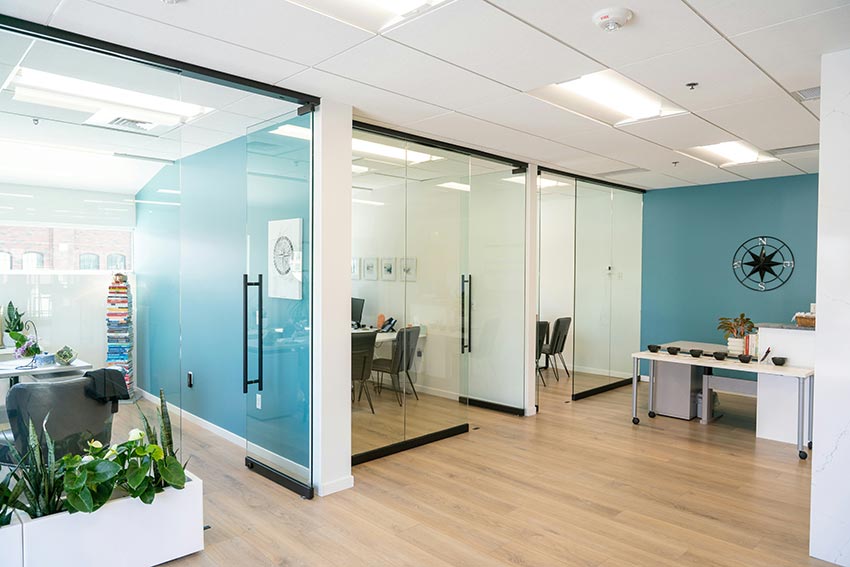
Your workspace isn’t just where you work—it’s a reflection of your mindset. When designed thoughtfully, it can boost productivity, reduce stress, and make work more enjoyable. This is why investing time and effort into modern workspace decor ideas is worth it.
About Builpire
If you’re looking to bring these ideas to life, Builpire is a trusted company specializing in home renovation and interior design. With a focus on creating stylish, functional spaces, they can help you design a workspace that enhances your motivation and productivity.
For more ideas and guidance, follow us on Instagram.
Frequently Asked Questions About Modern Workspace Decor
How can I decorate a small home office without making it feel cluttered?
Start by choosing furniture that fits the room rather than filling every available corner. A compact desk, wall-mounted shelves, vertical storage, and cable management can free up valuable floor and work surface space. Use a consistent color palette and limit decorative accessories to a few meaningful pieces. Position the desk to take advantage of available daylight while controlling screen glare. If the office shares space with a bedroom or living room, a rug, a storage unit, or a carefully positioned desk can help define the work area without requiring a separate room.
What is the best lighting for a home office?
The best home office lighting combines comfortable ambient illumination with task lighting for activities such as reading and writing. Natural daylight can be useful, but direct sunlight and reflections on a monitor may cause visual discomfort. Position the screen to reduce glare, use adjustable blinds when necessary, and select a desk lamp that directs light onto your work surface. Adjustable brightness can help accommodate different tasks and times of day. The right setup depends on your room, screen placement, and personal comfort rather than one universal lighting specification.
How can I make my workspace more productive without spending a lot of money?
Begin with changes that solve practical problems before purchasing new décor. Clear unnecessary items from your desk, organize frequently used supplies, manage visible cables, and reposition your monitor or desk lamp to improve comfort. Rearranging existing furniture may also improve movement and make better use of available light. If your chair or desk causes discomfort, prioritize an appropriate ergonomic adjustment over decorative upgrades. Once the essentials work well, introduce affordable artwork, coordinated accessories, or a small plant to give the room a more personal and finished appearance.
Do indoor plants really improve air quality in a home office?
Indoor plants can add color, texture, and a natural element to a workspace, but they should not be treated as a substitute for ventilation or air filtration. According to the U.S. Environmental Protection Agency, ordinary quantities of houseplants have not been shown to remove significant amounts of indoor air pollutants in homes and offices. To support better indoor air quality, reduce pollution sources where possible, maintain adequate ventilation, and use suitable filtration when needed. Choose plants according to the room’s light conditions and your willingness to maintain them.
When should I hire a professional to redesign my home office?
A professional interior designer may be helpful when your current workspace has persistent layout problems, limited storage, inadequate lighting, or competing uses that are difficult to resolve with simple changes. Professional guidance can also be valuable when a project involves built-in cabinetry, electrical work, new finishes, or a broader renovation. Before hiring a professional, define your main goals, measure the available space, establish a realistic budget, and identify the equipment you need to accommodate. These steps make it easier to evaluate design proposals and determine which improvements offer the most practical value.