





Structural Home Repairs to Restore Safety and Value
When your home begins showing cracks, uneven floors, sticking doors, or other unusual changes, the problem may be more than cosmetic. Structural damage can develop gradually due to foundation movement, persistent moisture, aging materials, soil conditions, or severe weather, and some issues may remain hidden until they become more difficult and expensive to address. Knowing which warning signs deserve attention—and when to seek a professional evaluation—is an important part of protecting your home’s safety, stability, and long-term value.
Key Takeaways: Structural Home Repair
- Structural damage can affect foundations, walls, beams, roofs, floors, and other load-bearing components of a home.
- Cracks, uneven floors, sticking doors, leaning walls, and visible foundation movement can indicate a problem that deserves professional evaluation.
- The severity of a structural issue cannot always be determined from a single visible crack or surface defect.
- Water intrusion and poor drainage should be investigated because recurring moisture can contribute to building and foundation problems.
- Major structural damage may require an inspection, an engineered repair plan, permits, and qualified contractors.
- Homeowners should prioritize safety when a structure appears unstable and avoid entering potentially unsafe areas until they are evaluated.
- Insurance coverage for structural damage depends on the cause of loss and the specific terms, exclusions, deductibles, and coverage included in the policy.
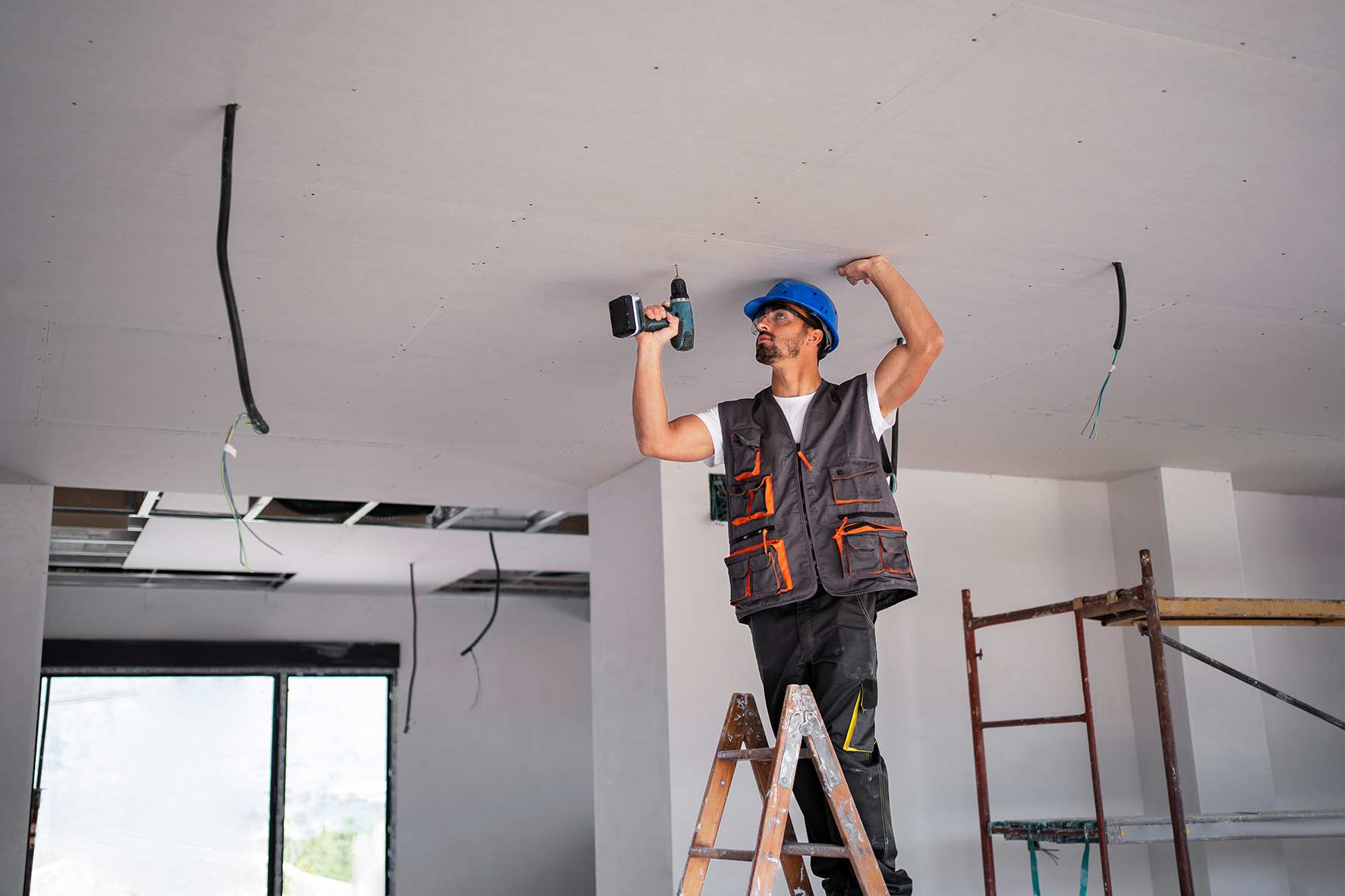
Transform Your Space with BUILPIRE – Book Your Consultation Today!
Understanding Structural Damage
Structural damage refers to any deterioration that compromises the core stability of a home. Unlike cosmetic issues such as chipped paint or minor surface cracks, structural problems affect the fundamental framework—walls, foundation, beams, and roofing systems. Without proper structural damage home repair, these problems can worsen over time and lead to significant risks like collapses or severe water intrusion.
Common causes of structural damage include:
-
Foundation settling or shifting
-
Water damage due to poor drainage
-
Pest infestations like termites
-
Seismic activity (earthquakes)
-
Poor construction practices
Recognizing the signs early on and acting swiftly with structural damage home repair can prevent disasters and extensive costs.
Signs Your Home Needs Structural Repairs
Identifying the early warning signs is key. Some common indicators include:
-
Cracks in walls or ceilings, especially near doorways and windows
-
Uneven or sloping floors
-
Sticking doors or windows
-
Visible foundation cracks
-
Sagging or bowing walls
If you notice any of these signs, it’s critical to consult a professional specializing in structural damage home repair. Quick action can halt the progression of damage.
Do not judge a foundation crack only by how it looks. Location, width, length, water intrusion, progression, and related signs such as uneven floors or sticking doors can provide important context. If the severity is uncertain, professional evaluation is safer than relying on cosmetic appearance alone.
Official source: U.S. Department of Housing and Urban Development (HUD)
How to Tell If Structural Damage Is Minor or Serious
Not every crack or uneven surface means a home has a major structural problem. The key is to look at the location, size, pattern, progression, and associated signs of movement. A small isolated crack may be less concerning than a crack that continues to grow, allows water to enter, or appears alongside sloping floors, sticking doors, or walls that are no longer straight.
Foundation cracks deserve particular attention when they are wide, continuous, accompanied by water intrusion, or associated with other changes in the structure. HUD inspection guidance uses measurable crack dimensions as part of its assessment criteria and recommends further evaluation when serious structural failure may be present.
Homeowners should also pay attention to combinations of warning signs. For example, a new foundation crack combined with uneven floors or doors that suddenly stop closing properly may indicate movement that requires professional evaluation. In these situations, cosmetic patching alone may hide the visible symptom without addressing the underlying cause.
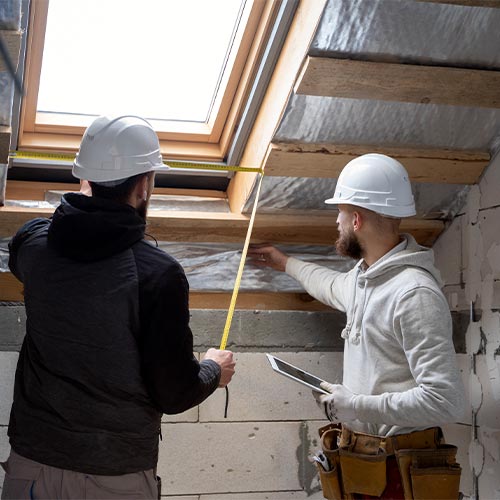
If the damage appears to be progressing or affects load-bearing components, the safest approach is to stop treating it as a cosmetic repair and arrange an inspection by an appropriately qualified professional. Early evaluation can help determine whether the issue requires monitoring, localized repair, engineering assessment, or more extensive structural work.
What to Do When You Discover Possible Structural Damage
When you notice a possible structural problem, the first step is not to start patching, painting, or removing damaged materials. Begin by documenting what you see with clear photographs and notes, including the location of cracks, changes in floor level, sticking doors or windows, water intrusion, or visible movement.
If the home shows signs of serious instability—such as a sagging roof, leaning walls, damaged support columns, major foundation movement, or significant new cracks—avoid entering potentially unsafe areas until the property has been evaluated by a qualified professional. Safety should take priority over attempting a quick repair.
The next step is to identify the likely cause rather than focusing only on the visible damage. Structural problems can be associated with foundation movement, excessive moisture, drainage issues, roof problems, soil conditions, or previous construction work. Correctly identifying the cause is essential because repairing the visible symptom without addressing the underlying problem can lead to recurring damage.
For homeowners dealing with significant damage after a storm, flood, earthquake, or another covered event, it is also important to document the condition before major repairs when it is safe to do so. Insurance requirements vary by policy and location, so homeowners should review their coverage and communicate with their insurer when appropriate.
If you see a sagging roof, leaning walls, damaged support columns, new exterior cracks, or other signs of possible structural instability, treat the area as potentially unsafe until it has been evaluated. Do not enter or inspect a visibly compromised structure simply to document the damage yourself.
Types of Structural Home Repairs
There are various methods and techniques used for structural damage home repair depending on the type and severity of the damage:
1. Foundation Repair
The foundation is the backbone of your home. Repairs may involve underpinning (strengthening the foundation by extending it to more stable soil) or slabjacking (lifting a sunken foundation).
2. Wall and Beam Reinforcement
Cracked or bowed walls and weakened beams need reinforcement or replacement. Techniques like carbon fiber reinforcement or steel bracing are common in modern structural damage home repair.
3. Roof Structural Repairs
Roof sagging can lead to leaks and collapse if not treated. Repairs may involve installing new trusses, beams, or even replacing sections of the roof.
4. Basement Structural Repairs
Basement walls often endure hydrostatic pressure from surrounding soil. Solutions include wall anchors, steel beams, or complete wall reconstruction.
How Water and Drainage Problems Can Affect Your Home’s Structure
Water is one of the most important factors to investigate when a home develops foundation or structural problems. Poor drainage can allow rainwater to collect around the foundation, increasing moisture exposure and potentially contributing to problems in below-grade areas. Downspouts, grading, drainage systems, and irrigation should therefore be considered when evaluating recurring moisture or foundation concerns.
A structural repair should address more than the visible symptom. For example, sealing a foundation crack may not solve the problem if water continues to collect against the foundation. Likewise, repairing interior finishes without correcting an ongoing moisture source can allow damage to return.
Homeowners can reduce unnecessary moisture exposure by ensuring that roof runoff is directed away from the foundation and that the surrounding grade allows water to drain away from the house. EPA guidance also emphasizes the importance of drainage strategies that divert water away from foundation areas.
When water intrusion is accompanied by foundation movement, persistent wall cracks, uneven floors, or other structural warning signs, a professional assessment can help determine whether the problem is primarily moisture-related, structural, or a combination of both.
When moisture or foundation problems are present, repairing the visible damage may not be enough. Check how rainwater is being managed around the home, including grading and downspouts. EPA guidance recommends drainage strategies that direct water away from foundation areas.
The Structural Repair Process
The structural damage home repair process usually involves these steps:
-
Inspection and Assessment:
A professional evaluates the extent and cause of the damage. -
Planning and Design:
Engineers design a repair strategy tailored to your home’s needs. -
Permits and Approvals:
Depending on the location, you may need to secure local government permits. -
Execution:
Skilled contractors carry out the repair work according to engineered plans. -
Final Inspection:
Once repairs are completed, a final inspection ensures that the home meets safety standards.
Why Professional Help is Essential
Attempting DIY fixes for major structural issues can be dangerous and costly. Hiring experts who specialize in structural damage home repair guarantees:
-
Accurate diagnosis
-
Safe, long-lasting solutions
-
Compliance with local building codes
-
Proper use of modern technology and materials
Professional repairs not only secure your home but also enhance its value significantly.
Preventing Future Structural Damage
After completing structural damage home repair, taking preventive measures is vital:
-
Regular Inspections: At least once a year, have your home inspected for any signs of wear.
-
Proper Drainage: Ensure that water flows away from the foundation.
-
Pest Control: Protect wood structures from termites and other pests.
-
Seismic Upgrades: If you live in an earthquake-prone area, reinforce your home accordingly.
By being proactive, you can avoid future costly repairs and keep your property safe and valuable.
Builpire: Your Partner in Home Restoration
When it comes to structural damage home repair, choosing the right partner is crucial. That’s where Builpire comes in. With years of experience in home restoration and interior design, Builpire specializes in revitalizing homes affected by structural damage. Their team of skilled professionals uses cutting-edge technology and proven methods to ensure your home is not only safe but also aesthetically pleasing. Whether you’re looking to fix foundation problems or redesign an entire space after major repairs, Builpire can turn your vision into reality with excellence and precision.
For more ideas and guidance, follow us on Instagram.
Frequently Asked Questions About Structural Home Repair
How do I know if a crack in my house is structural?
A crack may require closer attention when it is large, continues to grow, allows water to enter, appears in the foundation or other structural components, or occurs together with signs such as uneven floors, sticking doors and windows, leaning walls, or visible movement. The appearance of a crack alone is not enough to determine its cause. A qualified professional can evaluate the crack in relation to the rest of the structure and determine whether further investigation or repair is necessary.
Can structural damage to a house be repaired?
Many types of structural damage can be repaired, but the appropriate method depends on the cause, location, severity, and condition of the affected components. Repairs may involve foundation stabilization, reinforcement of walls or beams, roof structural repairs, basement wall reinforcement, or other engineered solutions. The goal should be to correct the underlying structural problem rather than simply conceal visible symptoms.
Is it safe to stay in a house with structural damage?
It depends on the type and severity of the damage. Minor issues may not require occupants to leave the property, while significant structural movement, major foundation damage, leaning walls, damaged support members, or a compromised roof can create serious safety concerns. If a building appears unstable, homeowners should avoid entering unsafe areas until a qualified professional has determined that the structure is safe.
Can water damage cause structural problems in a home?
Yes. Persistent moisture and poor drainage can contribute to problems around foundations, basements, walls, and other building components. Water that repeatedly collects near a foundation can increase moisture exposure and may contribute to deterioration or related building problems. Effective repair should therefore consider both the visible damage and the source of the water, including grading, drainage, downspouts, and other moisture pathways.
Does homeowners insurance cover structural damage?
Homeowners insurance generally covers the structure of the home for covered causes of loss, but whether a particular structural repair is covered depends on the policy, the cause of damage, exclusions, deductibles, and other conditions. For example, separate coverage may apply to certain flood or earthquake losses. Homeowners should review their policy and contact their insurer before assuming that structural damage will or will not be covered.