






Fast and Safe Mold Restoration Services for Your Home
Mold can develop quickly after water damage, persistent humidity, plumbing leaks, or poor ventilation, often spreading beyond what is immediately visible. For homeowners, addressing the problem early is important not only to remove existing mold but also to identify and correct the moisture source that allowed it to grow. Professional mold restoration services can help assess the affected areas, contain contamination, remove damaged materials when necessary, and restore the space while reducing the risk of recurring mold.
Key Takeaways: Mold Restoration and Prevention
- Professional mold restoration addresses visible contamination as well as the moisture conditions that allow mold to grow.
- Mold covering more than about 10 square feet or involving significant water damage may require professional assessment.
- Moisture control, proper ventilation, humidity management, and prompt drying are essential for preventing recurring mold problems.
- Complex remediation projects may involve containment, air filtration, structural remediation, HVAC or contents remediation, and post-remediation verification.
- Choosing an experienced restoration provider and asking about recognized industry practices can help homeowners understand the scope and quality of the work.
- After remediation, damaged drywall, flooring, insulation, or other building materials may still require professional restoration or replacement.
Transform Your Space with BUILPIRE – Book Your Consultation Today!
Understanding Mold and Why It’s Dangerous
Mold is a type of fungus that thrives in damp, dark environments. It can grow on virtually any surface, including drywall, wood, carpet, and insulation. While mold spores are present in the air almost everywhere, they only become a problem when they find the right conditions to grow. That’s why mold restoration services are so essential—they eliminate both visible growth and the hidden causes behind it.
Exposure to mold can lead to respiratory issues, skin irritation, and long-term health conditions, particularly for children, the elderly, and individuals with weakened immune systems. This is why early detection and prompt action through mold restoration services is critical.
Signs You May Need Mold Restoration Services
- Persistent musty odor in certain areas of the home
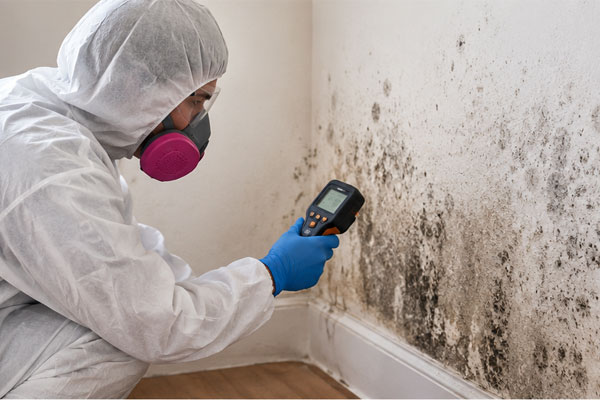
- Visible mold spots or discoloration on walls or ceilings
- Increased allergies or respiratory issues among household members
- Recent water damage incidents
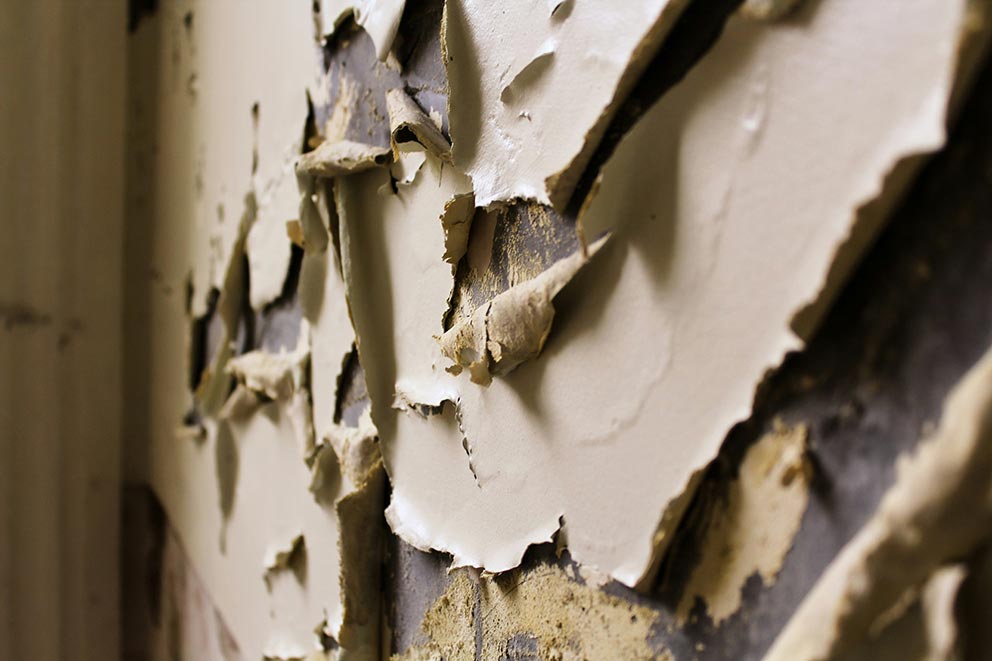
- Warped walls or peeling wallpaper
If you notice any of these symptoms, it’s time to contact a professional team that specializes in mold restoration services.
The Process of Professional Mold Restoration
- Inspection and Assessment – Experts inspect your property to determine the extent of the infestation.
- Containment – They seal off affected areas to prevent mold spores from spreading.
- Air Filtration – Using HEPA filters, they clean the air to capture airborne spores.
- Mold Removal – Specialized techniques and cleaning agents are used to remove all mold colonies.
- Cleaning and Sanitizing – Personal belongings and affected surfaces are thoroughly sanitized.
- Restoration – Damaged structures like drywall, insulation, or flooring are repaired or replaced.
What to Expect After Mold Remediation: Verification and Restoration
Completing the visible cleanup does not always mean a mold remediation project is finished. A professional process should also consider whether the affected area has been properly cleaned, dried, and restored, and whether the original moisture problem has been addressed.
For larger or more complex projects, documentation can help homeowners understand what work was performed and which areas or materials were affected. Depending on the circumstances, the remediation process may include cleaning, removal of damaged materials, moisture correction, HVAC or contents remediation, and other restoration work.
The ANSI/IICRC S520 Standard for Professional Mold Remediation includes guidance covering inspection, safety, structural remediation, HVAC remediation, contents remediation, documentation, and post-remediation verification. These practices help define a more structured approach to professional remediation rather than treating mold removal as a simple surface-cleaning task.
Once remediation is complete, damaged drywall, flooring, insulation, cabinetry, or other finishes may still require repair or replacement. This is where restoration and remodeling can become an important final step. The goal is not simply to make the affected area look clean again, but to return the space to a functional and healthy condition while addressing the factors that contributed to the original problem.
For complex remediation projects, ask what procedures and documentation will be used to evaluate the affected building and confirm completion. The ANSI/IICRC S520 Standard covers professional mold remediation, including inspection, safety, structural and HVAC remediation, contents remediation, documentation, and post-remediation verification.
Preventing Future Mold Infestations
Once the initial removal is completed, the next step is preventing mold from coming back. Top mold restoration services often include long-term prevention strategies such as:
- Installing dehumidifiers in damp areas
- Improving ventilation in kitchens and bathrooms
- Repairing plumbing leaks promptly
- Using mold-resistant materials in construction
- Regular inspections and maintenance
Moisture Control: The Key to Preventing Mold from Coming Back
Removing visible mold is only one part of a successful restoration project. Moisture control is what helps prevent the problem from returning. According to the U.S. Environmental Protection Agency, mold growth should be addressed together with the underlying water or moisture problem. Cleaning mold without correcting the source of moisture can allow the problem to return.
Common sources of indoor moisture include plumbing leaks, roof leaks, flooding, condensation, poorly ventilated bathrooms, and excessive indoor humidity. Moisture can also become trapped behind walls, under flooring, or inside other building materials after a water event, creating conditions where mold can continue growing out of sight.
Homeowners can reduce the risk of recurring mold by repairing leaks promptly, improving ventilation in moisture-prone areas, using air conditioning or dehumidification when appropriate, and monitoring indoor humidity. The EPA recommends keeping indoor humidity between 30% and 60%, while the CDC recommends keeping humidity as low as possible and no higher than 50% when possible.
After water damage, speed also matters. Wet materials and affected areas should be dried as quickly as possible. The EPA and CDC both emphasize drying water-damaged areas within approximately 24 to 48 hours when feasible to help prevent mold growth.
A lasting mold restoration solution therefore goes beyond removing what can be seen. It should also address why the area became damp in the first place and identify practical measures that can reduce the chance of recurrence.
Do not focus only on the visible mold. The EPA identifies moisture control as the key to controlling indoor mold growth. If the underlying water problem is not corrected, mold can return even after the affected area has been cleaned.
DIY vs. Professional Mold Restoration
Many homeowners are tempted to handle mold problems on their own. While small patches can sometimes be treated with store-bought cleaners, more serious infestations require expert help. Attempting to clean extensive mold without the proper equipment can actually worsen the problem by spreading spores. Professional mold restoration services ensure thorough, safe, and lasting solutions.

When Should You Hire a Professional Mold Remediation Company?
Not every mold problem requires the same level of response. A small, isolated area on a hard surface may be manageable with appropriate precautions, but larger or recurring problems can require a more structured remediation process. The U.S. Environmental Protection Agency recommends consulting a professional when mold growth covers more than about 10 square feet or when there has been significant water damage.
Professional assessment becomes especially important when mold may be present behind drywall, inside insulation, beneath flooring, or around HVAC components. These areas can be difficult to inspect without opening affected materials or using specialized assessment methods. Persistent musty odors can also indicate that moisture or mold is present in an area that is not immediately visible.
A qualified remediation professional should also be able to identify the moisture source instead of focusing only on visible mold. Leaking plumbing, roof problems, condensation, flooding, or excessive indoor humidity can allow mold to return even after contaminated materials have been cleaned or removed.
Before hiring a company, homeowners should ask about relevant experience, the scope of work, containment procedures, documentation, and how the company plans to address the underlying moisture problem. For larger or more complex projects, asking whether the work follows recognized industry guidance, such as the ANSI/IICRC S520 Standard for Professional Mold Remediation, can provide additional context when evaluating a provider.
The size of a mold-affected area is one practical factor when deciding whether professional remediation is appropriate. The EPA notes that mold growth covering more than about 10 square feet, particularly when combined with significant water damage, warrants consultation with an experienced professional.
Why Timely Mold Restoration Is Crucial
Delaying mold remediation can result in:
- Structural damage to your home
- Decline in property value
- Increased health risks
- Higher restoration costs in the future
Prompt mold restoration services not only mitigate current damage but also safeguard against future complications.
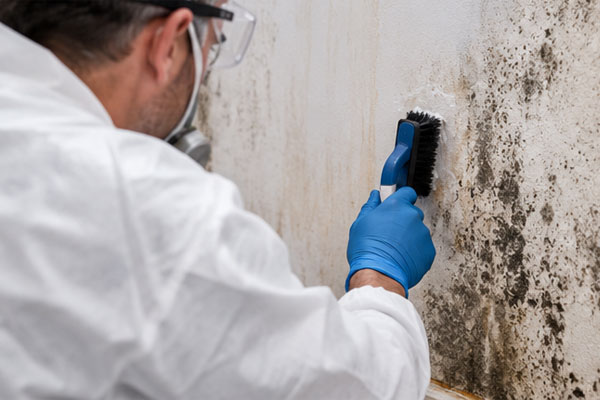
Choosing the Right Mold Restoration Company
When selecting a provider, consider the following:
- Certification and licensing
- Customer reviews and testimonials
- Availability of emergency services
- Use of eco-friendly and safe products
- Warranty and satisfaction guarantees
How Builpire Can Help
If you’re looking for a trusted partner in mold restoration and home improvement, Builpire is here to support you. With years of experience in home renovation and interior design, Builpire collaborates with top mold remediation experts to ensure your home is not only mold-free but also beautifully restored. From kitchen redesigns to full-home remodels, Builpire integrates restoration with transformation—bringing your space back to life, safely and stylishly.
For more ideas and guidance, follow us on Instagram.
Frequently Asked Questions About Mold Restoration
How do I know if I need professional mold remediation?
Professional help may be appropriate when mold covers a large area, there has been significant water damage, mold keeps returning, or contamination may be hidden behind walls, flooring, insulation, or HVAC components. The EPA recommends consulting an experienced professional when mold growth covers more than about 10 square feet or when substantial water damage is involved. The right response also depends on the condition of the building, the affected materials, and the source of moisture.
Can mold come back after professional remediation?
Yes. Mold can return if the moisture source that allowed it to grow is not corrected. Leaking pipes, roof damage, flooding, condensation, and excessive indoor humidity can continue creating favorable conditions for mold growth. Effective remediation should therefore address both the existing contamination and the underlying moisture problem. Ongoing ventilation, humidity control, leak repairs, and prompt drying after water damage can help reduce the risk of recurrence.
How long does mold remediation take?
There is no single timeline for every mold restoration project. The duration depends on the size of the affected area, the materials involved, the source and extent of moisture damage, whether contaminated materials need to be removed, and whether additional structural repairs are required. A small, localized problem may be resolved relatively quickly, while extensive contamination or water damage can require a longer process involving remediation, drying, and rebuilding.
Do I need mold testing before remediation?
Not necessarily. The CDC states that it does not recommend routine mold testing because there are no established standards for determining an acceptable quantity of different molds in a home, and identifying the species does not change the need to address visible mold and moisture problems. In situations involving complex building conditions or specific concerns, a qualified professional may determine that additional assessment is appropriate.
What should I ask a mold remediation company before hiring them?
Ask how the company will identify the source of moisture, define the affected area, protect unaffected parts of the home, handle contaminated materials, and document the work. It is also reasonable to ask about relevant experience, insurance, references, safety procedures, and whether the work follows recognized industry guidance such as the ANSI/IICRC S520 Standard. A clear scope of work should explain what will be cleaned, what may need to be removed or replaced, and how the project will be completed.