


Bathroom Restoration Services for Water Damage
Bathroom water damage can develop quickly from a leaking pipe, failed plumbing fixture, overflowing toilet, damaged shower, or other moisture-related problems. What may initially appear to be a small leak can affect drywall, flooring, cabinets, subfloors, and other materials beneath the visible surface. Prompt bathroom restoration after water damage helps address the source of the moisture, limit further damage, and determine whether professional drying, mold remediation, structural repairs, or remodeling is needed to safely restore the space.
Bathroom Restoration After Water Damage: What Homeowners Need to Know
- Bathroom water damage can result from plumbing leaks, fixture failures, clogged drains, poor ventilation, or damaged tile and grout.
- Stopping the water source and drying affected areas quickly can help limit further damage and reduce the risk of mold growth.
- Hidden moisture behind walls, beneath flooring, and inside cabinetry may require professional inspection and moisture detection.
- Restoration may involve water removal, structural drying, mold remediation, material replacement, and bathroom remodeling.
- Professional restoration is particularly important when damage is extensive, moisture is hidden, contaminated water is involved, or mold growth is significant.
- Homeowners should document significant damage and review their insurance policy before beginning major restoration work.
Transform Your Space with BUILPIRE – Book Your Consultation Today!
Common Causes of Water Damage in Bathrooms
Bathrooms are one of the most water-intensive areas of any home. Here are the leading causes of water damage:
-
Leaking Pipes: Often hidden behind walls or under the floor, pipe leaks can go unnoticed until significant damage has occurred.
-
Faulty Plumbing Fixtures: Old or poorly installed toilets, sinks, or showers can leak and cause water to seep into walls and subfloors.
-
Clogged Drains: When water can’t flow properly, it backs up and floods areas around the toilet, tub, or sink.
-
Poor Ventilation: Steam and condensation, if not vented correctly, can lead to mold growth and gradual deterioration of bathroom materials.
-
Cracked Tiles or Grout: Small cracks allow water to penetrate underneath tiles, leading to rot or mold beneath the surface.
Signs That Your Bathroom Needs Restoration
Recognizing the early signs of water damage can help you act before the damage worsens:
-
Persistent musty odor
-
Mold or mildew on walls and ceilings
-
Peeling paint or wallpaper
-
Warped or stained flooring
-
Water stains on ceilings or adjacent walls
-
Loose tiles or deteriorating grout
-
Swelling or discoloration in cabinetry or drywall
What to Do Immediately After Bathroom Water Damage
When water damage occurs in a bathroom, the first few hours can make a significant difference in the amount of restoration required. Start by stopping the source of water if it is safe to do so. If the leak involves plumbing, shut off the appropriate water supply and avoid using affected fixtures until the problem has been inspected.
Next, remove standing water and begin drying affected surfaces as quickly as possible. The EPA recommends drying wet areas and materials within 24 to 48 hours when possible because prolonged moisture can increase the risk of mold growth. See the EPA’s guidance on mold, moisture, and water-damaged homes.
Do not immediately paint, caulk, or cover stained or damaged surfaces. Moisture may remain behind drywall, under flooring, beneath cabinets, or around plumbing penetrations even when the visible surface appears dry. Covering the affected area too early can hide an unresolved moisture problem rather than solve it.
If the water involved sewage, contaminated floodwater, or extensive mold growth, avoid unnecessary contact with the affected area and consider professional restoration. The CDC recommends appropriate protective equipment when cleaning mold and advises extra caution for people who are more vulnerable to mold exposure. Review the CDC’s mold cleanup guidance.
Document the damage with photos and videos before removing heavily damaged materials when practical. This documentation can help you communicate with contractors and may also be useful when discussing the loss with your insurance provider.
Drying water-damaged areas quickly is an important part of preventing further moisture-related problems. The U.S. Environmental Protection Agency recommends drying wet materials within 24 to 48 hours when possible to help reduce the potential for mold growth.
The Bathroom Restoration Process Explained
Professional bathroom restoration after water damage involves several key steps:
1. Inspection and Assessment
A certified technician will thoroughly inspect the affected area to identify the extent of the damage and locate the source of water intrusion.
2. Water Removal and Drying
Using industrial-grade pumps and dehumidifiers, professionals will remove standing water and thoroughly dry the bathroom.
3. Mold Remediation
If mold is present, it will be removed safely with specialized tools and chemicals. Preventive treatments may also be applied to avoid regrowth.
4. Structural Repairs
This may include replacing drywall, subfloors, cabinetry, and damaged fixtures. Professionals will ensure that all repairs meet current building codes.
5. Restoration and Remodeling
Finally, the bathroom is rebuilt, painted, re-tiled, and redesigned—bringing it back to life with fresh, modern features.
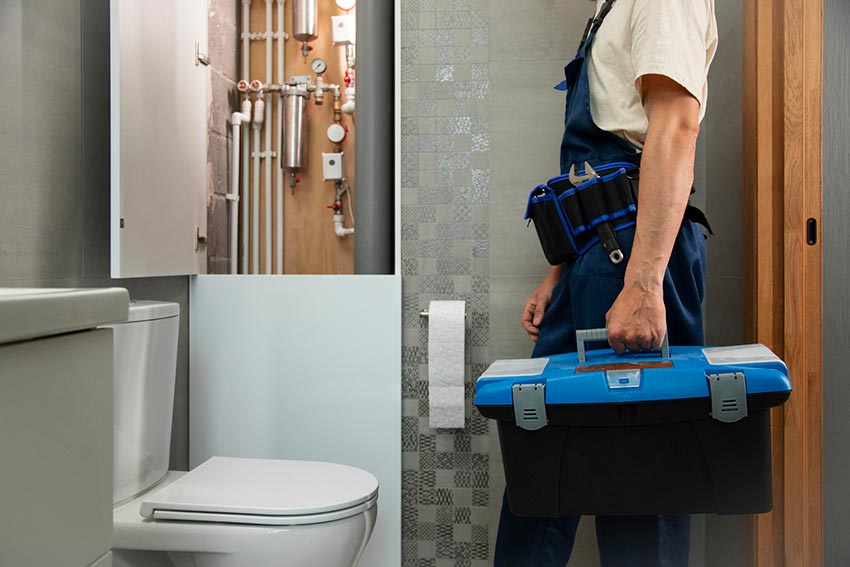
How to Find Hidden Water Damage Behind Bathroom Walls and Floors
Not all bathroom water damage is visible. A small plumbing leak can allow moisture to travel behind drywall, beneath flooring, inside cabinetry, or around shower and bathtub assemblies. By the time stains or odors appear, the affected area may already extend beyond the original leak.
Common warning signs include a persistent musty odor, swollen drywall, soft flooring, loose tiles, discoloration, peeling paint, or repeated staining around a fixture. These symptoms do not always reveal exactly where the moisture is located, which is why a professional assessment can be useful when the source is unclear.
Professional water damage restoration may involve moisture detection equipment and a systematic inspection of affected materials. The goal is to identify the extent of the moisture, determine which materials can be dried and restored, and identify materials that may require removal or replacement.
The ANSI/IICRC S500 Standard for Professional Water Damage Restoration addresses inspection, drying technology, building and material science, safety, documentation, and structural restoration. Learn more about the ANSI/IICRC S500 Standard.
Hidden moisture should also be addressed before cosmetic repairs are completed. Installing new tile, painting walls, or replacing cabinets without resolving the underlying moisture can leave the original problem inside the assembly and increase the likelihood of recurring damage.
Professional water damage restoration involves more than removing visible standing water. The ANSI/IICRC S500 Standard addresses inspection, building and material science, drying technology, safety, documentation, and structural restoration, providing a professional framework for evaluating and restoring water-damaged properties.
Official Source: ANSI/IICRC S500 Standard for Professional Water Damage Restoration
Costs of Bathroom Restoration After Water Damage
The cost of bathroom restoration after water damage can vary depending on:
-
Severity of the damage
-
Size of the bathroom
-
Extent of structural repairs required
-
Type of materials used
-
Mold remediation needs
On average, costs range from $1,500 to $10,000+. It’s important to get a professional estimate and possibly work with your home insurance provider to cover some of the expenses.
DIY vs. Professional Restoration
While some homeowners are tempted to handle water damage cleanup themselves, here’s why hiring professionals is the better choice:
-
Access to proper equipment
-
Trained in mold detection and removal
-
Knowledge of local building codes
-
Faster and more reliable results
-
Insurance claims assistance
DIY fixes may mask the symptoms but fail to resolve the root cause. Professionals ensure complete, lasting restoration.
When Does Bathroom Water Damage Require Professional Restoration?
Not every bathroom leak requires a full restoration project. A small, isolated leak that is discovered quickly and has not affected surrounding building materials may sometimes be addressed with routine plumbing and repair work. More extensive damage, however, can require professional assessment and drying.
Professional restoration is especially worth considering when water has entered walls, flooring, ceilings, cabinetry, or other areas that cannot be thoroughly inspected from the surface. It is also important when the source of the water is contaminated, when mold is widespread, or when the affected materials have remained wet for an extended period.
The size and extent of mold growth also matter. The EPA notes that homeowners may generally handle mold areas smaller than approximately 10 square feet, while larger areas or situations involving substantial water damage may require consultation with experienced remediation professionals. See the EPA’s recommendations for mold cleanup in homes.
Safety is another consideration. The CDC recommends protective measures during mold cleanup and identifies people with allergies, immune suppression, or certain respiratory conditions as being at greater risk from mold exposure. Review CDC mold cleanup and safety guidance.
A professional restoration assessment can help determine whether the bathroom needs drying only, material removal, mold remediation, structural repair, or a combination of restoration and remodeling services.
When cleaning mold, the CDC recommends using appropriate protective equipment, including an N95 respirator, gloves, and eye protection. Extra precautions may be appropriate when the affected area is extensive or when individuals who are more vulnerable to mold exposure are present.
Preventing Future Water Damage
Once your bathroom is restored, keep it protected by:
-
Installing water leak detectors
-
Using quality waterproofing materials during remodeling
-
Sealing grout and tile regularly
-
Ensuring proper ventilation
-
Performing routine inspections of plumbing systems
Why Choose a Professional Like Builpire?
When it comes to bathroom restoration after water damage, you need a company with expertise, attention to detail, and a commitment to quality. That’s where Builpire comes in.
Builpire specializes in home restoration and interior remodeling. With a dedicated team of experienced professionals, they offer full-service solutions for water-damaged bathrooms, from assessment to final finishes. Whether you’re restoring your bathroom to its original condition or reimagining it entirely, Builpire delivers top-tier craftsmanship and reliable service you can trust.
For more ideas and guidance, follow us on Instagram.
Frequently Asked Questions
How quickly should a water-damaged bathroom be dried?
Water-damaged areas should be dried as quickly as possible. The EPA recommends drying wet areas and materials within 24 to 48 hours when possible to reduce the risk of mold growth. The exact drying time depends on the amount of water, the materials affected, humidity, ventilation, and whether moisture has entered hidden areas such as walls or flooring.
Can water damage behind bathroom walls be repaired without removing the wall?
Sometimes, but it depends on the extent of the moisture and the condition of the affected materials. If moisture has penetrated drywall or other porous materials and the materials cannot be thoroughly dried and restored, removal may be necessary. A professional assessment can help determine whether drying is sufficient or whether damaged materials need to be replaced.
How do I know if my bathroom has hidden water damage?
Common warning signs include musty odors, recurring stains, swollen or soft drywall, loose tiles, damaged grout, warped flooring, peeling paint, and cabinet swelling. However, visible symptoms do not always show the full extent of the moisture. Professional moisture detection can help identify water that remains behind walls, beneath flooring, or around fixtures.
When should I call a professional for bathroom water damage?
Consider professional restoration when water has affected walls, floors, ceilings, cabinets, or other building materials; when the source of the water is contaminated; when mold growth is extensive; or when moisture remains after initial cleanup. Professional restoration can include moisture assessment, water extraction, drying, material removal, mold remediation, and structural repairs depending on the condition of the bathroom.
Does homeowners insurance cover bathroom water damage restoration?
Coverage depends on the cause of the damage and the specific terms of the homeowners insurance policy. Sudden and accidental events may be treated differently from gradual leaks, maintenance-related deterioration, or long-term moisture problems. Homeowners should review their policy and contact their insurance provider promptly after significant water damage. Documenting the damage with photographs and keeping records of restoration work can also be helpful when discussing a claim.