







How to Fix Storm Damage on House Like a Pro ?
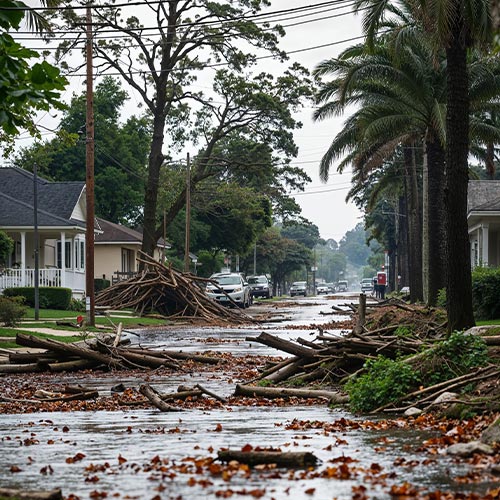
When a major storm hits your home, the damage may be obvious—such as missing shingles, broken windows, or fallen trees—or hidden behind walls, ceilings, and flooring. Knowing how to fix storm damage on a house starts with making the property safe, documenting the damage, and identifying which problems require immediate professional attention. A careful response can help prevent secondary issues such as water damage, mold growth, and further structural deterioration while giving you a clearer path toward restoration.
How to Fix Storm Damage on a House: Key Takeaways
- Start with a careful inspection and address immediate structural, electrical, gas, and safety hazards before beginning repairs.
- Document storm damage thoroughly with photos, videos, written inventories, and receipts before major cleanup or permanent repairs.
- Contact your insurance company promptly and understand what your policy covers, including deductibles, temporary repairs, and additional living expenses when applicable.
- Remove standing water and begin safe drying as quickly as possible, with the EPA recommending drying wet or damp materials within 24–48 hours when possible.
- Do not ignore hidden moisture behind walls, under flooring, inside insulation, or around HVAC systems, as these areas can contribute to mold and long-term damage.
- Prioritize structural and exterior repairs before cosmetic improvements, then restore damaged drywall, flooring, finishes, and other interior elements.
- Choose a qualified storm restoration contractor by comparing bids, checking credentials and insurance, reviewing previous work, and getting the scope of work in writing.
- Use the recovery process as an opportunity to improve your home’s resilience through appropriate roofing, drainage, windows, siding, and other weather-resistant upgrades.
Transform Your Space with BUILPIRE – Book Your Consultation Today!
Assess the Damage Thoroughly
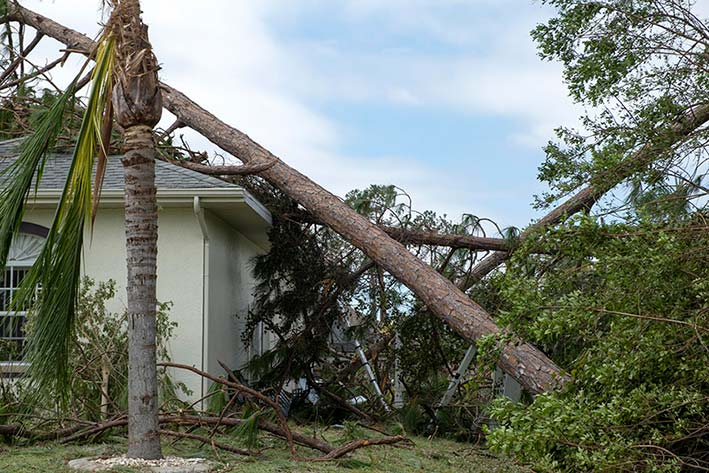
Start by walking around your home and taking detailed notes. Look at:
- Shingles or roof tiles
- Window seals and glass
- Gutters and downspouts
- Cracks in walls or foundation
- Soggy spots in ceilings or flooring
When it comes to how to fix storm damage on house, a deep and accurate assessment is critical. Don’t rely only on your eyes—moisture meters or infrared tools can help detect hidden moisture.
Ensure Safety First
Before beginning repairs, confirm that your home is structurally safe. Turn off electricity if there’s water damage. Watch for gas leaks and call professionals for inspection if needed.
Knowing how to fix storm damage on house also means recognizing when it’s too dangerous to do it alone.
Contact Your Insurance Company
After documentation, reach out to your insurance provider. Make sure you:
- File your claim promptly
- Share all photographic evidence
- Have an inspector review the damage
Getting financial support is a key component of how to fix storm damage on house without excessive out-of-pocket expenses.
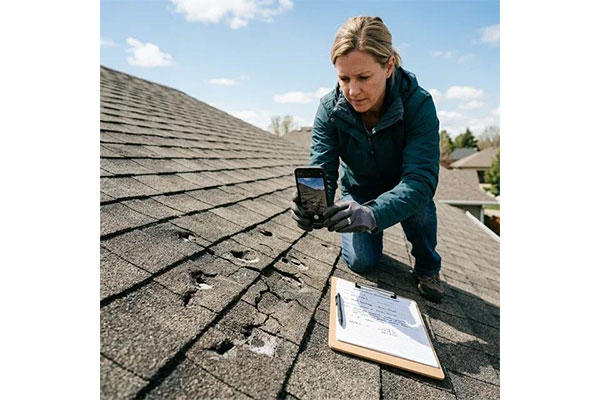
Document storm damage before removing damaged belongings or beginning major cleanup. Photos, videos, written inventories, and saved damaged items can give an insurance adjuster a clearer picture of the original loss and support the claims process.
Official source: National Association of Insurance Commissioners (NAIC)
How to Document Storm Damage for an Insurance Claim
Before cleanup or permanent repairs begin, create a detailed record of the damage. Take clear photos and videos of affected rooms, roofing, siding, windows, flooring, ceilings, appliances, and personal belongings. Photograph both close-up damage and wider shots that show where the damage is located within the property. The National Association of Insurance Commissioners recommends documenting losses before removing damaged belongings and keeping damaged items when possible so an adjuster can inspect them. National Association of Insurance Commissioners — Navigating the Claims Process
Keep a written inventory of damaged or destroyed items and save receipts for emergency services, temporary repairs, lodging, materials, and other eligible expenses. Contact your insurance company as soon as possible because policies and state requirements can establish specific deadlines for reporting a loss. Coverage also varies by policy, so homeowners should confirm what is covered before assuming that every type of storm or water damage will be reimbursed. Consumer Financial Protection Bureau — What to Do After a Disaster
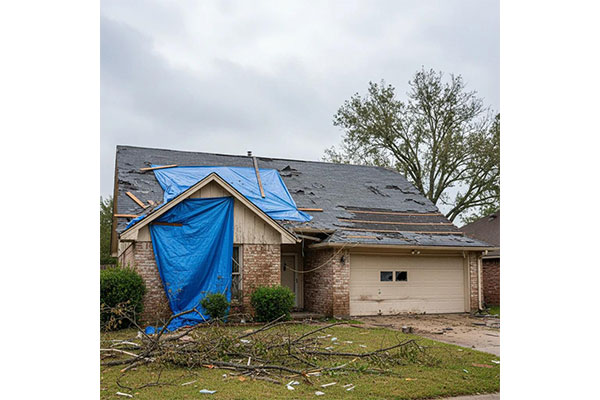
After the damage has been documented, homeowners can take reasonable temporary measures to prevent additional damage, such as covering a damaged roof or boarding up broken windows. Keep receipts and records for these emergency measures and avoid making major permanent repairs before the scope of the damage has been properly assessed.
Temporary Protection and Cleanup
While you wait for approvals, do the following:
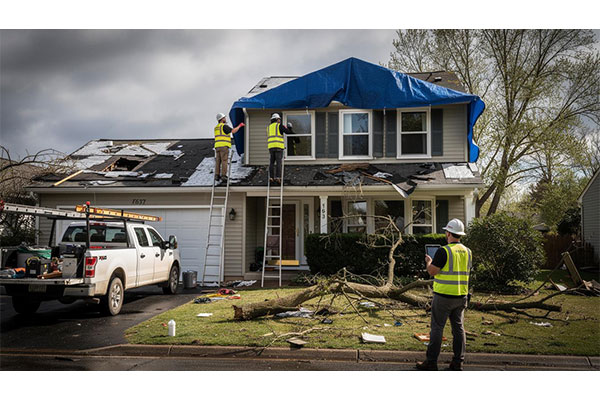
- Use tarps to cover the roof
- Board up broken windows and doors
- Remove fallen trees and debris
Temporary measures not only protect your home but show your insurer that you’re acting responsibly. Quick action is essential in how to fix storm damage on house to avoid compounding the damage.
Structural Repairs Come First
Prioritize the foundation, load-bearing walls, and roofing system. These areas determine the overall safety and longevity of your house.
A proper plan for how to fix storm damage on house always puts structure before aesthetics.
Water Extraction and Mold Prevention
If your home has water intrusion:
- Pump out standing water
- Use dehumidifiers and air movers
- Clean all wet surfaces with antimicrobial products
Mold can grow in less than 48 hours, making this step urgent in any strategy for how to fix storm damage on house.
Act quickly after water enters your home. The EPA recommends drying wet or damp areas and materials within 24–48 hours when possible because rapid drying can help prevent mold growth. The exact response should depend on the type and source of the water.
How to Prevent Mold After Storm and Water Damage
Water damage should be treated as a time-sensitive problem, especially when moisture reaches drywall, insulation, flooring, carpeting, furniture, or other porous materials. The EPA recommends drying wet or damp areas and materials within 24 to 48 hours when possible because prompt drying can help prevent mold growth. U.S. EPA — A Brief Guide to Mold, Moisture and Your Home
Start by removing standing water and wet materials that cannot be safely restored. Dehumidifiers, appropriate fans, ventilation, and professional water-extraction equipment can help accelerate drying when conditions are safe. However, drying methods should depend on the type and source of the water. Floodwater or water contaminated with sewage or chemicals requires additional precautions and may require professional remediation rather than ordinary household cleanup. U.S. EPA — Water Damage Cleanup and Mold Prevention
Do not simply paint, caulk, or cover a damp or moldy surface. The underlying moisture problem must be corrected first, followed by appropriate cleaning, drying, and replacement of materials that cannot be safely restored. If the affected area is extensive, the HVAC system has been exposed to contamination, or structural materials remain wet, a qualified restoration professional should evaluate the property before normal occupancy resumes.
Exterior Repairs and Upgrades
Once internal safety is assured, focus on:
- Roofing
- Siding
- Gutter systems
- Windows and doors
Consider upgrades that improve resilience, such as impact-rated glass or weatherproof siding. Smart homeowners use this stage to enhance long-term safety while learning how to fix storm damage on house effectively.
Interior Restoration
Restore the living space by:
- Replacing drywall and insulation
- Repairing flooring and trim
- Painting walls and ceilings
Also check for hidden damages in:
- Electrical wiring
- Plumbing fixtures
A deep approach to how to fix storm damage on house means addressing not just visible flaws, but potential risks hiding beneath.
Implement Preventative Measures
To reduce future risks:
- Install surge protectors
- Improve yard drainage
- Anchor outdoor furniture
- Upgrade roofing materials
A complete plan for how to fix storm damage on house should include prevention.
How to Choose a Storm Damage Restoration Contractor
Choosing a contractor after a major storm requires more than finding the first company that can start immediately. Homeowners should compare multiple estimates, verify credentials and insurance, review references or previous work, and make sure the scope of work is clearly documented before signing a contract. The Consumer Financial Protection Bureau recommends researching contractors and getting several bids instead of rushing into a decision after a disaster. Consumer Financial Protection Bureau — Finding and Working With Contractors After a Disaster
Be cautious of contractors who pressure you to sign immediately, demand large upfront payments, or offer to handle your insurance claim without clearly explaining the agreement. A professional contractor should be able to explain the proposed repairs, materials, timeline, payment schedule, and responsibilities in writing.
For complex storm damage, consider whether the contractor can coordinate multiple stages of recovery, including structural repairs, water damage restoration, exterior repairs, interior reconstruction, and design improvements. A coordinated approach can make the recovery process easier to manage and help homeowners avoid unnecessary delays between separate contractors.
If your home has been flooded, do not assume it is safe simply because the visible water is gone. Electrical hazards, structural problems, contaminated water, mold, and HVAC contamination can remain hidden. CDC guidance recommends addressing these hazards and having affected systems evaluated before returning to normal use.
Official source: CDC — Safety Guidelines: Reentering Your Flooded Home
Hire a Full-Service Restoration Team Like Builpire
Storm recovery doesn’t end at repairs—it’s about rebuilding stronger and smarter. Builpire is your ideal partner for:
- Full-service storm restoration
- Interior design upgrades
- Smart home integration
With Builpire, you don’t just recover—you reimagine your home. They bring craftsmanship, vision, and professionalism to every project. If you’re wondering how to fix storm damage on house and make your home better than before, Builpire is the answer.
For more ideas and guidance, follow us on Instagram.
Frequently Asked Questions
Should I clean up storm damage before filing an insurance claim?
Start by documenting the damage with detailed photos, videos, and a written inventory before removing damaged belongings or beginning major cleanup. After documenting the loss, you can take reasonable temporary measures to prevent additional damage, such as covering roof openings or boarding up broken windows. Contact your insurance company as soon as possible because claim deadlines and documentation requirements can vary by policy and state.
How quickly should I dry my house after storm water damage?
Homeowners should begin drying the property as soon as it is safe to do so. The EPA recommends drying wet or damp areas and materials within 24 to 48 hours when possible to help prevent mold growth. The appropriate approach depends on the amount of water, the materials affected, and whether the water was clean or contaminated. Extensive water damage may require professional extraction and drying equipment.
Can storm-damaged drywall and insulation be saved?
It depends on the material, the extent of the exposure, and how quickly the area can be completely dried. Some materials may be cleaned and dried successfully, while porous materials that remain wet, swollen, contaminated, or moldy may need to be removed and replaced. A professional assessment is especially important when water has reached wall cavities, insulation, or structural components.
Is it safe to turn on my HVAC system after a flood?
Not automatically. If floodwater, mold, or contaminated moisture has affected the HVAC system, turning it on can spread contaminants through the home. CDC guidance recommends having an affected HVAC system checked and cleaned by a qualified professional experienced in mold cleanup before putting it back into normal operation.
How can I avoid storm repair contractor scams?
Do not let urgency force you into choosing the first contractor who arrives at your door. Research the company, verify credentials and insurance, check references or previous projects, and compare multiple written estimates. Be cautious of contractors who pressure you to sign immediately, demand unusually large upfront payments, or make unclear promises about insurance coverage. A written contract should clearly define the scope of work, materials, timeline, payment terms, and responsibilities.