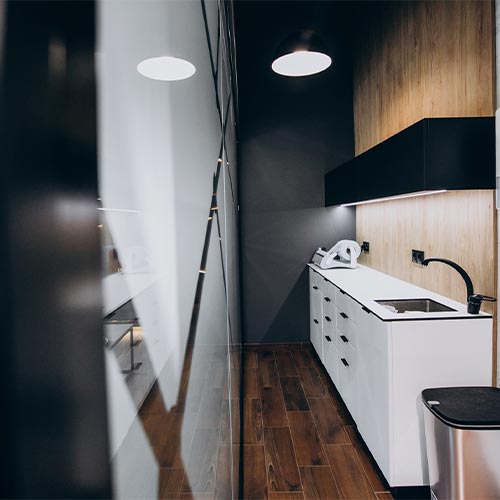



Home Renovation Contractor: A Complete Guide to Transforming Your Living Space
Planning a home renovation in 2026 requires more than choosing attractive finishes or following the latest design trends. Homeowners need a clear budget, a realistic timeline, carefully selected materials, and a qualified home renovation contractor who can coordinate design and construction while keeping project goals in focus. Whether you are updating a kitchen, remodeling a bathroom, improving energy efficiency, or transforming your entire home, understanding the renovation process can help you make informed decisions and avoid common setbacks. In this guide, we explain how to evaluate contractors, compare estimates, plan for unexpected expenses, and navigate the key stages of a renovation, including considerations for working with Builpire on your home improvement goals.
Article Summary
- Choosing the right home renovation contractor requires reviewing relevant experience, references, licensing requirements, insurance, and written estimates.
- A detailed contract should define the scope of work, materials, payment terms, schedule, permits, and procedures for approving changes.
- Comparing equivalent contractor estimates helps homeowners evaluate overall value instead of focusing only on the lowest price.
- A realistic budget, an appropriate contingency reserve, and written change orders can help manage unexpected expenses.
- Understanding the renovation timeline, construction stages, communication process, and final walkthrough helps homeowners prepare for the project.
- Energy-efficient upgrades should be prioritized according to the home’s condition, comfort needs, climate, and budget.
more:view interior decoration equipment
Why Hire a Home Renovation Contractor?
A home renovation contractor is a professional who oversees and executes home improvement projects. From planning and sourcing materials to managing labor, contractors streamline the renovation process. Here’s why hiring a contractor is essential:
- Expertise: Contractors bring specialized knowledge and experience to handle complex renovations.
- Time Management: They ensure your project progresses on schedule.
- Cost Efficiency: With access to industry discounts and networks, contractors can often save you money.
- Compliance: Contractors ensure all work adheres to local building codes and regulations.

What Makes Builpire Stand Out?
Builpire is a leading name in home and kitchen renovations. With a commitment to excellence, Builpire offers tailored solutions for every project, whether you’re revamping a single room or undertaking a complete home transformation.
Key Features of Builpire’s Services
- Comprehensive Design Solutions: From conceptualization to execution, Builpire ensures every detail aligns with your vision.
- High-Quality Materials: Clients can select from a curated range of products that seamlessly integrate into their contracts.
- Transparent Pricing: No hidden costs; every detail is outlined in your contract.
- Eco-Friendly Options: Builpire prioritizes sustainable and energy-efficient materials.
Steps to Choosing the Right Home Renovation Contractor
1. Define Your Goals
Before approaching a contractor, clearly outline your renovation goals. Are you looking to update your kitchen, add an extension, or modernize your interiors?
2. Research and Shortlist
Check online reviews, ask for referrals, and review portfolios. Companies like Builpire have a proven track record, making them a reliable choice.
3. Request Detailed Quotes
Ask contractors for detailed proposals, including timelines, costs, and materials. Ensure everything aligns with your budget and expectations.
4. Verify Licenses and Insurance
Ensure the contractor is licensed, insured, and familiar with local building regulations.
5. Review Contracts Thoroughly
Before signing, read the contract carefully. It should detail the scope of work, payment schedules, and warranties.
Before hiring a home renovation contractor, verify any required state or local license, request proof of insurance, and obtain a detailed written contract. Make sure the agreement identifies the scope of work, materials, estimated start and completion dates, payment schedule, and procedures for handling changes. Avoid paying the full project cost upfront, and check the consumer protection requirements that apply in your area. These steps can help reduce misunderstandings and protect your investment.
Source: Federal Trade Commission (FTC) — How To Avoid a Home Improvement Scam

How to Compare Home Renovation Contractor Estimates
Choosing a home renovation contractor involves more than comparing the final numbers on a quote. Two proposals may have very different prices because they include different materials, labor requirements, project specifications, or levels of service. A lower estimate is not necessarily the better value if important items are excluded or left undefined.
Review the Scope of Work
Start by checking whether each estimate describes the same work. For a kitchen remodel, for example, confirm whether demolition, cabinetry, countertops, plumbing, electrical work, flooring, painting, and debris removal are included. If one contractor excludes tasks that another includes, the price comparison will not be accurate.
Compare Materials and Specifications
Ask each contractor to identify the proposed materials, product models, finishes, and installation requirements wherever applicable. Terms such as “premium materials” or “high-quality finishes” are not specific enough to establish what you will receive. Written specifications make it easier to compare quality and reduce misunderstandings during construction.
Understand Allowances and Potential Additional Costs
Some estimates include allowances for items that have not yet been selected, such as lighting fixtures, tile, or appliances. Find out how these allowances are calculated and what happens if your final selections exceed them. Also ask how concealed damage, code-related upgrades, and other unforeseen conditions will be documented and priced.
Evaluate the Schedule and Payment Terms
A useful estimate should explain the anticipated project timeline, major milestones, and payment schedule. Ask whether the schedule depends on permit approvals, material availability, inspections, or subcontractor coordination. Avoid choosing a contractor solely because they promise the fastest completion date without explaining how the work will be managed.
Make a Decision Based on Overall Value
Before signing, compare the scope, material specifications, exclusions, schedule, payment terms, insurance information, and procedures for handling changes. Request clarification in writing whenever an item is vague. The goal is to select a contractor whose proposal offers a clear and realistic plan for delivering the renovation—not simply the lowest starting price.
Common Home Renovation Services
Kitchen Remodeling
The kitchen is often the heart of the home. A skilled home renovation contractor, like those at Builpire, can help create a functional yet stylish space with custom cabinetry, countertops, and layouts.
Bathroom Renovations
Upgrade outdated fixtures, add modern amenities, or create a spa-like retreat with the help of experienced contractors.
Living Room Enhancements
From open floor plans to integrated smart home systems, contractors can transform your living space into a hub of comfort and entertainment.
Home Additions
Whether it’s an extra bedroom or a sunroom, contractors can seamlessly integrate new spaces into your home’s existing structure.
How Builpire Simplifies the Renovation Process
Builpire stands out for its client-focused approach. Here’s how they make home renovation stress-free:
- Initial Consultation: Understanding your vision and budget.
- Customized Designs: Presenting tailored solutions for your home.
- Material Selection: Offering a diverse range of high-quality, customizable products.
- Project Management: Handling permits, schedules, and labor coordination.
- Final Walkthrough: Ensuring every detail meets your expectations.

What to Expect During a Home Renovation Project
Understanding what happens during a renovation can help homeowners prepare their property, organize daily routines, and communicate more effectively with their contractor. The exact process depends on the size of the project, the home’s existing condition, local permit requirements, and the type of work involved.
1. Planning, Selections, and Pre-Construction Preparation
Before construction begins, the homeowner and contractor should confirm the project scope, design decisions, material selections, expected schedule, and responsibilities. Depending on the project, this stage may also involve permit applications, inspections planning, product ordering, and arrangements for protecting existing floors, furniture, and adjacent rooms.
2. Demolition and Evaluation of Existing Conditions
Demolition may reveal conditions that could not be fully assessed beforehand. Examples include moisture damage, deteriorated materials, outdated building systems, or structural concerns. If an unexpected issue is discovered, ask the contractor to explain its implications, provide the proposed solution and cost, and document any required changes before proceeding with additional work.
3. Construction and Trade Coordination
Depending on the renovation, the project may involve carpenters, electricians, plumbers, installers, painters, and other specialists. The sequence matters because some work must be completed and inspected before walls, ceilings, or finished surfaces are closed. Regular updates should explain completed milestones, upcoming activities, outstanding decisions, and any schedule changes.
4. Final Installation, Inspection, and Punch List
As the project approaches completion, fixtures, cabinetry, hardware, finishes, and other specified items are installed. The homeowner and contractor can then review the work against the agreed scope and identify incomplete items, visible defects, or adjustments that need attention. Where permits or inspections are required, confirm that the applicable approvals have been addressed.
5. Final Walkthrough and Handover
Before considering the project complete, review the punch list, confirm how outstanding items will be resolved, and collect relevant product information, care instructions, warranties, and maintenance guidance. Also clarify any final payment conditions in the contract. A documented handover gives both parties a shared understanding of what has been completed and what, if anything, remains outstanding.
Preparing Your Household for Construction
Renovation work can affect privacy, noise levels, parking, access to rooms, and the availability of kitchens or bathrooms. Before work starts, agree on working hours, site access, dust protection, debris removal, communication methods, and arrangements for pets or children. For larger projects, discuss whether temporary changes to your living arrangements may be necessary.
A clear renovation plan does not eliminate every disruption, but it helps homeowners understand the process, anticipate important decisions, and work collaboratively with their contractor from preparation through final handover.
Challenges in Home Renovation and How Builpire Addresses Them
Budget Overruns
Unforeseen costs can derail your renovation. Builpire minimizes this risk with transparent contracts and accurate cost estimates.
Delays
Delays can occur due to weather, permits, or supply issues. Builpire’s proactive project management ensures timely completion.
Quality Concerns
Inferior workmanship or materials can compromise your renovation. With Builpire, you’re assured of top-tier quality in every aspect.
How to Manage Home Renovation Costs and Unexpected Expenses
A successful home renovation begins with a realistic budget and a clear process for approving expenses. Even a carefully planned project may uncover hidden conditions, such as damaged subflooring, outdated wiring, plumbing problems, or structural issues that were not visible during the initial assessment. Preparing for these possibilities can help homeowners make informed decisions without compromising essential work.
Separate Essential Work From Optional Upgrades
Divide the renovation budget into essential construction work, selected materials and finishes, and optional improvements. This makes it easier to identify which decisions can be adjusted if the project becomes more expensive than expected. Structural repairs, safety requirements, and necessary code compliance should be evaluated differently from decorative upgrades that can be postponed.
Establish a Contingency Reserve
Consider setting aside a contingency reserve based on the property’s condition, the scope of demolition, the age of existing systems, and the uncertainty surrounding the work. The appropriate amount varies by project, so a fixed percentage should not be treated as a universal rule. Ask your contractor to explain the main cost uncertainties and how potential additional expenses will be approved.
Require Written Approval for Scope Changes
Changes to layouts, materials, fixtures, or construction details can affect both cost and completion time. Before additional work begins, request a written change order that identifies the revised scope, price adjustment, and schedule impact. This creates a shared record of the decision and helps prevent disagreements about what was authorized.
Track Spending Throughout the Project
Keep a record of the original contract amount, approved change orders, payments made, outstanding commitments, and remaining contingency funds. Review this information at agreed project milestones rather than waiting until the final invoice. Ask for updated figures whenever a material selection or construction decision changes the expected cost.
Understand What Your Estimate Cannot Guarantee
A detailed estimate improves planning, but it cannot always identify concealed conditions before demolition or inspection. A reliable contractor should explain known assumptions, exclusions, and the procedure for addressing discoveries that affect the work. Clear communication and documented approvals help homeowners manage uncertainty while keeping the project aligned with their priorities.
Even a small renovation change can affect material costs, labor requirements, and the completion schedule. Before authorizing additional work, ask your contractor for a written change order that describes the revised scope, the added or reduced cost, and any schedule adjustments. Both parties should review and approve the change according to the contract before the additional work proceeds. Keeping a written record helps maintain clarity when project decisions evolve.
Source: National Association of Home Builders (NAHB) — 10 Tips for a Smooth Home Remodel
Modern Home Renovation Trends to Consider in 2026
Home renovation in 2026 is increasingly focused on creating spaces that balance functionality, comfort, energy performance, and timeless design. Rather than following every new trend, homeowners are prioritizing improvements that support their daily routines, make better use of available space, and address long-term maintenance needs. Working with an experienced home renovation contractor can help translate these priorities into a practical renovation plan that reflects the home’s existing condition, the homeowner’s budget, and the intended scope of work.
1. Smart Home Integration and Connected Living
Smart home technology continues to offer practical options for homeowners looking to improve convenience, comfort, and control. Depending on the home’s needs, a renovation may include smart thermostats, automated lighting, video doorbells, connected security systems, or app-controlled window coverings. The most effective approach is to select compatible devices that solve specific everyday problems rather than adding technology simply because it is available. Homeowners should also consider Wi-Fi coverage, device compatibility, privacy settings, and the electrical requirements of any new installations before construction begins. Planning these features early can make it easier to coordinate wiring, controls, and equipment placement with the overall design.
2. Energy-Efficient and Sustainable Home Renovations
Energy efficiency remains an important consideration for homeowners seeking greater comfort and more informed control over household energy use. Renovation opportunities may include improving insulation, sealing air leaks, upgrading inefficient lighting, selecting energy-efficient appliances, and evaluating heating and cooling performance. Water-saving fixtures and durable materials can also support a more resource-conscious approach to home improvement. The right combination depends on the property’s condition, local climate, existing systems, and project budget. Before investing in individual upgrades, homeowners can review the guidance provided by ENERGY STAR’s home energy improvement resources to understand potential improvement areas and plan upgrades more effectively. Actual energy savings will vary depending on the products installed, the home’s existing performance, and how the systems are used.
3. Flexible Layouts and Multifunctional Living Spaces
As homeowners adapt their spaces for remote work, entertaining, family activities, and changing household needs, flexible layouts are becoming an important part of renovation planning. A kitchen island may provide additional preparation space and casual seating, while built-in storage can help reduce clutter without sacrificing usable floor area. Sliding partitions, well-planned lighting, and adaptable furniture can also help a room serve multiple purposes. In some homes, opening the kitchen to an adjacent living area may improve circulation and natural light; in others, retaining separate rooms can provide better privacy, noise control, and defined activity zones. A thoughtful layout should reflect how the household actually uses the space, while accounting for structural limitations, ventilation, storage, and the cost of moving plumbing or electrical systems.
4. Timeless Materials and Personalized Interior Design
Homeowners are increasingly looking for interiors that feel personal without becoming difficult to maintain or quickly outdated. Natural wood tones, textured surfaces, durable countertops, practical cabinetry, and coordinated lighting can create a balanced look across different design styles. Rather than relying entirely on short-lived trends, homeowners can use distinctive hardware, decorative lighting, paint colors, and accessories to introduce personality while keeping major finishes more adaptable. Material decisions should account for durability, cleaning requirements, moisture exposure, maintenance, and the overall project budget. Reviewing samples and confirming product specifications before ordering can also reduce the risk of mismatched finishes or costly substitutions during construction.
5. Renovations That Improve Long-Term Comfort and Accessibility
Renovation planning can also address changing mobility needs and make everyday spaces easier to use over time. Depending on the household and property, useful improvements may include better task lighting, lever-style door handles, wider clearances, slip-resistant flooring, curbless shower designs, and more accessible storage. These features can be incorporated into a broader design without requiring the entire home to follow a clinical or institutional aesthetic. Homeowners considering accessibility improvements should evaluate the dimensions, layout, and intended users of each space before selecting products or finalizing construction details. Planning for comfort and usability early can help avoid more disruptive modifications later.
Ultimately, the most valuable renovation trends are those that improve how a home functions for the people living in it. Before choosing upgrades, establish your priorities, determine which improvements fit your budget, and confirm the practical requirements with your contractor. A well-planned renovation should bring together appearance, functionality, durability, and long-term suitability rather than simply replicate a popular design.
Before selecting energy-efficient products for a renovation, evaluate how your home currently uses energy and where improvements may have the greatest impact. ENERGY STAR recommends considering measures such as air sealing, insulation, duct sealing, heating and cooling improvements, and qualified appliances. Discuss which upgrades fit your home’s condition, climate, and budget rather than choosing products based on labels or appearance alone. A coordinated plan can help prioritize comfort and energy performance alongside design.
The Rise of Luxury and Customization
Homeowners today seek personalization. Builpire takes customization to the next level with:
-
Tailored Kitchen Islands – Designed to suit specific cooking and dining needs.
-
Custom Storage Solutions – Maximizing space while maintaining a sleek look.
-
Premium Finishes – Marble countertops, handcrafted cabinetry, and designer fixtures elevate your home’s elegance.
This level of personalization ensures every detail reflects your lifestyle and taste.
Advanced Project Management for Stress-Free Renovation
One major challenge in home renovation is coordination between multiple teams—designers, electricians, plumbers, and suppliers. Builpire uses advanced project management tools, including 3D design previews and real-time project tracking apps, allowing homeowners to:
-
Monitor progress remotely.
-
Receive instant budget updates.
-
Approve changes digitally.
This approach reduces delays, prevents miscommunication, and keeps everything on schedule.
Why Post-Renovation Services Matter
A truly professional contractor doesn’t just finish the renovation and leave. Builpire offers post-renovation services, including:
-
Final deep cleaning and sanitization.
-
A complete maintenance guide for your new installations.
-
Optional extended warranties and after-sales support.
This ensures your renovated home remains in top condition for years.
Future-Proofing Your Home
Investing in a renovation today should also prepare your home for future needs. Builpire incorporates:
-
Universal Design Principles – Making spaces accessible for all ages and abilities.
-
Energy Storage Systems – Ready for future solar integrations.
-
Flexible Room Designs – Spaces that can be easily converted into offices, gyms, or guest rooms as needs change.
Final Thoughts
Modern home renovation is more than just a facelift—it’s a strategic investment in comfort, technology, and sustainability. By partnering with a contractor like Builpire, you don’t just renovate; you future-proof your home with state-of-the-art solutions, personalized designs, and expert project management.
For more ideas and guidance, follow us on Instagram.
Conclusion
Hiring the right home renovation contractor is crucial for a successful project. Companies like Builpire combine expertise, transparency, and quality to ensure your renovation journey is seamless and satisfying. Whether you’re updating a kitchen, redesigning a living room, or adding a new space, partnering with professionals like Builpire ensures your vision becomes reality.
Ready to transform your home? Contact Builpire today to begin your renovation journey!
Frequently Asked Questions About Home Renovation Contractors
How do I choose the right home renovation contractor?
Start by identifying contractors with experience in projects similar to yours. Review portfolios, check references, read customer reviews critically, and verify any required state or local licenses and insurance. Request detailed written estimates from multiple contractors and compare the scope of work, material specifications, exclusions, payment terms, and proposed schedules. Before signing, make sure the contract explains how changes, delays, permits, and outstanding work will be handled. The best choice is a contractor whose experience, communication, documentation, and project plan fit your needs—not necessarily the one with the lowest quote.
How much does a home renovation contractor cost?
The cost depends on the size and complexity of the project, the home’s existing condition, labor requirements, material selections, location, and any necessary permits or system upgrades. A kitchen remodel, bathroom renovation, and whole-home renovation can involve very different costs, so a single average may not reflect your project accurately. Request an itemized estimate that separates labor, materials, allowances, and known exclusions. Ask how concealed damage or changes to the original scope will be priced, and maintain a contingency reserve appropriate to the project’s risks. Compare proposals with equivalent scopes before making a decision.
How long does a home renovation project take?
The timeline depends on the scope of work, design complexity, permit and inspection requirements, material availability, subcontractor scheduling, and unexpected conditions discovered during construction. A cosmetic update may take considerably less time than a renovation involving plumbing, electrical systems, structural changes, or multiple rooms. Ask your contractor for a project schedule that identifies major milestones, dependencies, and decisions that must be made before work can proceed. Confirm how delays and schedule changes will be communicated. A project-specific timeline is more useful than relying on a general estimate that may not reflect your home’s requirements.
Do I need permits for a home renovation?
Permit requirements vary by state, county, city, and project type. Cosmetic work may be treated differently from structural alterations, additions, or changes involving electrical, plumbing, or mechanical systems. Before construction begins, contact the relevant local building department or ask your contractor to confirm which permits and inspections apply. Clarify in writing who will prepare applications, coordinate inspections, and provide the required documentation. Do not assume that a contractor’s involvement automatically means every permit has been obtained. Confirm the applicable requirements for your specific property and scope of work.
What should a home renovation contract include?
A home renovation contract should clearly identify the parties, describe the scope of work, specify materials and finishes, provide the project schedule and payment terms, and explain how changes and additional costs will be approved. It should also address permits and inspections where applicable, insurance, site access, property protection, cleanup, warranties, and procedures for resolving disagreements. Make sure verbal promises relevant to the project are documented in writing and that no blank spaces remain. Contract requirements and cancellation rights can vary depending on local law and where the agreement is signed, so review the rules that apply to your situation before committing.