


Interior Design Tips for Stunning Home Renovations
When it comes to upgrading your living space, nothing is as transformative and satisfying as well-thought-out interior design for home renovation. Whether you’re revamping a single room or giving your entire house a facelift, incorporating stylish, functional, and personalized design elements can completely redefine the feel and functionality of your home. In today’s ever-evolving world of home improvements, interior design for home renovation has become more than just choosing colors and furniture. It’s about understanding your space, knowing what you want, and working towards creating an environment that reflects your lifestyle.
The concept of interior design for home renovation brings together form, function, and aesthetics. With the right planning and creativity, you can maximize natural light, improve the flow of your home, and even increase its resale value. Every renovation project, big or small, benefits from a strategic approach to design that incorporates not only current trends but also timeless principles. Whether you’re aiming for a minimalist aesthetic or a more traditional look, focusing on interior design for home renovation ensures that your project has a cohesive and elevated finish.
As home renovation projects grow in popularity, many homeowners are seeking expert advice on how to create cohesive and personalized living spaces. This is where thoughtful interior design for home renovation becomes crucial. It provides a roadmap for selecting materials, colors, furniture, lighting, and layout options that harmonize together. A well-executed design plan can also help avoid costly mistakes and delays by addressing practical aspects like plumbing, electrical needs, and storage solutions upfront.
Today, smart technology, eco-friendly materials, and multi-functional furniture are increasingly integrated into interior design for home renovation plans. These innovations not only enhance comfort and sustainability but also add a modern edge to classic design principles. Whether you choose to work with a professional designer or take the DIY route, having a solid grasp of design principles can turn your renovation dreams into reality.
In this article, we’ll explore practical, stylish, and expert-backed interior design tips that can help make your home renovation a complete success.
Transform Your Space with BUILPIRE – Book Your Consultation Today!
1. Define Your Style Before You Start
Understanding your personal design preferences is essential before diving into any renovation. Are you drawn to modern minimalism, rustic farmhouse charm, or the elegance of classic designs? Clarifying your style will help you make consistent decisions throughout the renovation.
2. Prioritize Functionality
Great design is more than just visual appeal. Consider how you use each space daily. For instance, if you’re redesigning your kitchen, focus on workflow, storage, and lighting. In the living room, prioritize seating comfort and layout.
3. Maximize Natural Light
Light has a powerful effect on mood and space perception. Remove heavy drapes, use mirrors to reflect light, and opt for glass doors or skylights where possible. A bright home feels larger and more inviting.
4. Use a Neutral Base
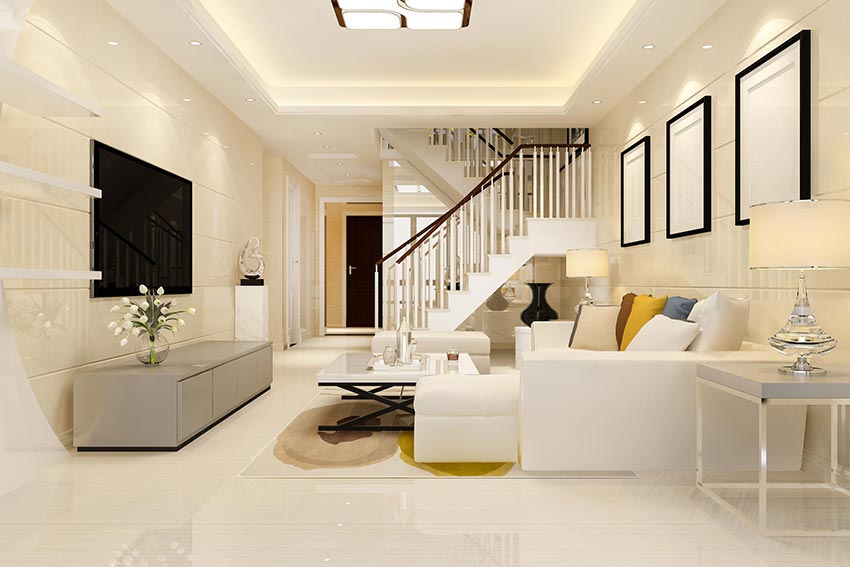
Neutral palettes create a calming atmosphere and serve as a perfect backdrop for accent colors, artwork, and furniture. Shades of white, beige, or soft grays are timeless and flexible.
5. Add Personality with Accents
While neutrals are a great base, don’t shy away from adding pops of color or unique pieces. Whether it’s a statement chair, a bold wallpaper, or custom artwork, accents bring life and character to a space.
6. Create Open and Connected Spaces
Open-concept layouts continue to trend, especially in family homes. Removing unnecessary walls can improve the flow and make spaces feel larger and more sociable.
7. Layer Lighting
A well-lit space uses a combination of ambient, task, and accent lighting. Use pendant lights over kitchen islands, reading lamps in living rooms, and dimmable overhead lights in bedrooms to create the right mood.
8. Invest in Quality Materials
Renovations are an investment, so choose durable, high-quality materials that offer both aesthetic and longevity. Natural wood, quartz, ceramic tiles, and stainless steel are timeless options.
9. Think About Storage
Smart storage solutions help maintain cleanliness and organization. Consider built-in shelves, under-bed drawers, or multi-purpose furniture that doubles as storage.
10. Use Textures to Add Depth
Mixing different textures like wood, metal, glass, and textiles adds depth and interest to your design. Rugs, throws, cushions, and curtains contribute greatly to the sensory feel of a space.
11. Don’t Forget the Ceilings
Often overlooked, ceilings offer an opportunity to make a bold design statement. Consider wood paneling, crown molding, or even a dramatic paint color to add intrigue.
12. Incorporate Green Elements
Plants breathe life into interiors. Use hanging plants, vertical gardens, or simple potted greenery to add a natural touch that improves air quality and aesthetics.
13. Blend Old with New
Mixing vintage elements with modern design creates a balanced and personalized look. An antique mirror or reclaimed wood table can contrast beautifully with contemporary furniture.
14. Stay True to Your Home’s Architecture
Respecting the original structure of your home can enhance the final design. Integrate design choices that complement architectural features such as arches, windows, or exposed beams.
15. Plan for the Future
Design your renovated space not just for today, but for years to come. Consider your future needs—whether that includes a growing family, aging in place, or working from home.
For more ideas and guidance, follow us on Instagram.
Conclusion
Renovating your home is an exciting journey, and integrating effective interior design for home renovation can make all the difference. From defining your style to layering textures and optimizing layout, the right design approach can elevate both the look and usability of your space. Thoughtful planning and execution not only improve your day-to-day living experience but also add long-term value to your property.
If you’re looking for expert guidance and high-quality execution, consider partnering with Builpire. As a leading name in home renovation and interior design, Builpire transforms ideas into reality through innovative design, skilled craftsmanship, and client-focused service. Whether you’re starting small or dreaming big, Builpire brings your vision to life.
Frequently Asked Questions (FAQs)
1. What is the importance of interior design for home renovation?
Interior design plays a crucial role in turning a renovation project into a successful transformation. It ensures that each space in your home is both functional and aesthetically pleasing, addressing layout challenges, traffic flow, lighting, and storage needs. When you prioritize interior design for home renovation, you create an environment that supports your lifestyle while maximizing the potential of your home.
Moreover, interior design helps with budgeting and planning by identifying priorities and avoiding costly mistakes such as poor space planning or clashing color schemes. It adds value not only in terms of beauty and comfort but also through improved energy efficiency, better use of space, and higher property resale value. It transforms mere construction into personalized, livable spaces.
2. How can I maintain a consistent design theme throughout my renovated home?
Consistency is key to a harmonious interior. Start by selecting a clear design style—such as Scandinavian, modern farmhouse, industrial, or bohemian. Once you’ve established your style, carry it throughout your home with a cohesive color palette, matching finishes (e.g., hardware, lighting), and repeating materials (wood, metal, stone).
Another trick is to use consistent flooring and baseboards in connected areas, and unify the spaces with similar types of furniture and textures. Even when rooms serve different purposes, a common thread—like the same accent color or design motif—helps maintain flow. Avoid over-decorating or mixing too many styles, which can make the home feel fragmented.
3. Do I need an interior designer for my home renovation?
While it’s possible to DIY your renovation, hiring an interior designer brings professional expertise that can save time, stress, and even money in the long run. A designer doesn’t just pick out pretty furniture—they evaluate your space, lifestyle needs, and budget to create a practical, long-term plan that incorporates everything from layout and lighting to materials and custom-built elements.
Designers also have access to exclusive products, trade discounts, and a network of trusted contractors. Most importantly, they help you avoid common pitfalls like poor measurements, awkward layouts, or mismatched materials. Whether your project is a full-house remodel or a single-room update, a designer can elevate the results significantly.
4. How does interior design affect home value?
Thoughtful interior design directly influences your property’s market value. Buyers are more attracted to homes that look move-in ready, are well-organized, and reflect current design trends. A home with a cohesive design feels more luxurious, spacious, and functional—even if the square footage is modest.
Features such as open-plan living, modern kitchens, spa-like bathrooms, and smart storage solutions all add resale value. Additionally, energy-efficient lighting, well-planned layouts, and timeless color schemes are highly desirable in today’s real estate market. By investing in interior design for home renovation, you not only enhance your own enjoyment but also increase your home’s appeal to future buyers.
5. What trends are popular in interior design for home renovation in 2025?
Interior design in 2025 reflects a blend of sustainability, wellness, and technology. Some of the most popular trends include:
-
Sustainable and eco-friendly materials: Recycled woods, bamboo, cork flooring, and low-VOC paints are in high demand.
-
Biophilic design: Incorporating nature indoors through greenery, natural textures, and organic shapes promotes relaxation and wellness.
-
Earthy tones and warm neutrals: Colors like terracotta, olive green, and sand bring warmth and serenity to interiors.
-
Smart homes: Seamless integration of voice-controlled lighting, thermostats, and appliances is a top priority.
-
Multi-functional spaces: With more people working from home, rooms are designed to serve dual purposes—such as offices that transform into guest rooms.
Staying informed about these trends and tailoring them to your space can make your home feel fresh, functional, and future-ready.