

Living Room Interior Services That Wow Your Guests
Your living room should do more than look beautiful—it should reflect your lifestyle, support everyday comfort, and make guests feel welcome. Professional living room decoration services help transform an ordinary space into a thoughtfully designed environment through strategic furniture placement, coordinated color palettes, layered lighting, and carefully selected décor. Whether you’re refreshing a small living room, updating an open-concept layout, or creating a more sophisticated gathering space, the right design approach can balance style, functionality, and budget while bringing your vision to life.
Article Summary
- Professional living room decoration combines space planning, furniture selection, color coordination, lighting, and accessories to create a cohesive and functional interior.
- The right furniture proportions and area rug placement help define seating areas while preserving comfortable circulation.
- Layered lighting combines ambient, task, and accent sources to support different activities and highlight important design features.
- A practical design budget prioritizes essential improvements, evaluates existing furniture, and accounts for the full project scope.
- Choosing a living room design professional involves reviewing relevant experience, project deliverables, fees, timelines, and purchasing responsibilities.
- A well-planned living room should reflect the homeowner’s lifestyle, design preferences, and budget rather than follow trends without considering everyday needs.

Transform Your Space with BUILPIRE – Book Your Consultation Today!
Why Living Room Interior Design Matters
Your living room is often where you spend the majority of your time at home. It’s where you entertain guests, unwind after a long day, or gather with family. Therefore, the space must be both functional and beautiful. A professionally decorated living room combines utility with elegance, transforming your home into a sanctuary of style and comfort.
Key Elements of Exceptional Living Room Decoration Services
Space Planning
Good design starts with efficient space planning. Experts analyze the room dimensions, traffic flow, and furniture arrangement to maximize functionality without sacrificing aesthetics.
Living Room Furniture and Rug Placement: Getting the Proportions Right
A well-designed living room depends on more than attractive furniture. The size and placement of each piece determine how comfortable, balanced, and easy to navigate the space feels. Before purchasing a new sofa, coffee table, or area rug, measure the room and consider how people will move between seating areas, doorways, and adjacent spaces.
Choose Furniture That Fits the Room
Oversized furniture can make a small living room feel crowded, while undersized pieces may leave a large room looking disconnected. Consider the sofa’s overall width and depth, the height of surrounding furniture, and the amount of open floor space needed for everyday movement. In open-concept homes, use furniture placement to define the living area without blocking natural pathways or views.
Use an Area Rug to Connect the Seating Arrangement
An appropriately sized area rug helps visually anchor the seating group and creates a more cohesive design. Rather than choosing a rug based on color alone, measure the furniture arrangement first. A rug that is too small can make the seating area appear fragmented, while a well-proportioned rug helps connect the sofa, chairs, and coffee table into one unified composition. Depending on the room layout, the front legs of the main seating pieces can rest on the rug to establish a clear visual connection.
Plan for Everyday Comfort
Leave enough room to walk comfortably around furniture and reach frequently used areas without squeezing between pieces. Coffee tables should be easy to reach from the seating area without obstructing movement. The ideal arrangement depends on the dimensions of the room, the furniture selected, and how the household uses the space.
Professional living room design brings these decisions together before major purchases are made. By planning furniture dimensions, rug placement, and circulation as one coordinated system, homeowners can create a room that looks intentional and works well in everyday life.
Color Palette and Theme Selection
Color has a powerful psychological impact. Warm tones like beige and terracotta create a cozy atmosphere, while cooler tones like blue and grey add a touch of sophistication. Professionals ensure that the colors you choose align with your personality and overall home theme.
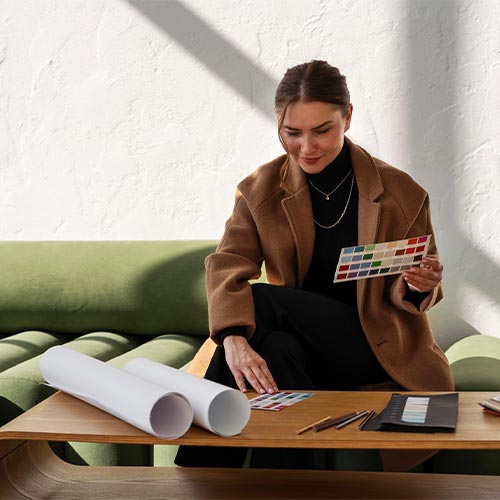
Before committing to a living room paint color, test sample shades in the actual room and observe them at different times of day. Natural light, artificial lighting, and surrounding finishes can change how a color appears. Evaluating samples in the space helps homeowners make more confident decisions before purchasing paint for the entire room.
Source: Benjamin Moore — Living Room Color and Design Guidance
Furniture Styling
Furniture is the backbone of your living room. Decoration services help select the right size, shape, and texture of furniture that complements the space and ensures comfort.
Lighting Design
Lighting can make or break the mood of a room. Interior experts use a mix of ambient, task, and accent lighting to add layers and depth to your living room.
How to Layer Living Room Lighting for Comfort and Visual Impact
Effective living room lighting is not about installing the brightest ceiling fixture. It is about combining different light sources to support relaxation, reading, entertaining, and highlighting the room’s best features. A thoughtful lighting plan also helps colors, artwork, furniture finishes, and architectural details appear more cohesive.
Build a flexible living room lighting plan by combining ambient lighting for general visibility, task lighting for activities such as reading, and accent lighting for artwork or architectural details. Planning these layers together can improve both functionality and visual depth while allowing the room to adapt to different activities and times of day.
Source: American Lighting Association — Tips for Lighting Your Living Room
Start with Ambient Lighting
Ambient lighting provides the room’s general illumination. Depending on the ceiling height, room dimensions, and existing electrical layout, options may include recessed lights, flush-mount fixtures, chandeliers, or indirect lighting. The goal is to create comfortable overall illumination without producing harsh glare or overly bright spots.
Add Task Lighting Where You Need It
Task lighting supports specific activities, such as reading in an armchair or working at a small desk within the living room. Floor lamps, table lamps, and adjustable fixtures can provide focused illumination where it is needed. Planning these light sources around actual activities makes the room more functional without relying entirely on overhead lighting.
Use Accent Lighting to Highlight Design Features
Accent lighting draws attention to artwork, bookshelves, textured walls, architectural details, and decorative objects. Picture lights, directional fixtures, and carefully positioned lamps can add depth and visual interest. For the best result, accent lighting should complement the room’s overall illumination rather than create distracting contrasts.
Consider Natural Light and Lighting Controls
Window orientation, curtains, wall colors, and reflective surfaces all influence how a living room looks throughout the day. Dimmers and independently controlled lighting zones can make it easier to adjust the atmosphere for different activities. Before selecting fixtures or bulbs, consider the room’s natural light, the desired mood, and the colors of nearby finishes.
A professional lighting plan coordinates ambient, task, and accent lighting with the furniture layout and the room’s intended use. This approach helps create a more adaptable living space that feels welcoming during the day and comfortable in the evening.
Accessories and Artwork
No living room is complete without accessories. Rugs, cushions, curtains, plants, and artwork tie everything together. Designers carefully curate these pieces to reflect your style.
The Benefits of Hiring Professional Living Room Decoration Services
- Customization: Professionals tailor each project to suit your preferences, lifestyle, and budget.
- Trend Awareness: Experts are always updated with the latest interior design trends and can incorporate them tastefully into your space.
- Time-Saving: Rather than spending countless hours planning and shopping, let the experts handle everything.
- Cost-Efficiency: Though it might seem like an added expense, professional services often help you avoid costly mistakes in furniture or decor purchases.
- Increased Property Value: A well-designed living room adds considerable appeal to your home in the real estate market.
Living Room Interior Design Budget: Where to Invest and Where to Save
A successful living room makeover does not require replacing every piece of furniture or choosing the most expensive finishes. The key is to allocate the budget according to the room’s functional needs, the condition of existing items, and the changes that will make the greatest difference to the finished space. A clear plan also helps prevent unnecessary purchases and expensive last-minute adjustments.
Prioritize the Elements That Shape the Room
Start with the decisions that influence the entire design, including the furniture layout, the main seating pieces, lighting requirements, and any necessary repairs. If the sofa is uncomfortable or poorly proportioned, replacing decorative accessories alone is unlikely to solve the underlying problem. Similarly, an awkward layout may need to be corrected before investing in additional furniture or artwork.
Keep What Still Works
Existing furniture, rugs, lamps, and decorative pieces may fit into the updated design with a different arrangement, new upholstery, or coordinated accessories. Reusing suitable items can preserve the budget for more important improvements. Before discarding anything, evaluate its condition, comfort, dimensions, and compatibility with the intended design.
Understand the Full Project Scope
A living room refresh involving paint, accessories, and furniture rearrangement is different from a project that includes custom cabinetry, electrical work, new flooring, or construction. These differences affect labor, materials, scheduling, and the professionals who may need to be involved. Request an itemized proposal that identifies the design services, materials, purchasing responsibilities, installation work, and any exclusions.
Plan for Flexibility
Furniture availability, shipping delays, product substitutions, and unexpected site conditions can affect both cost and timing. Discuss how changes will be approved and priced before work begins. Keeping a contingency allowance appropriate to the project’s scope can also help manage unforeseen expenses without compromising essential design decisions.
Professional living room decoration services can help homeowners compare options, prioritize spending, and coordinate individual choices into a cohesive plan. The best budget is not necessarily the largest one; it is the one that supports the room’s intended function, reflects the homeowner’s preferences, and accounts for the full scope of work.
Design Styles to Consider for Your Living Room
1. Modern Minimalist
Clean lines, neutral colors, and functional furniture define this style. It’s ideal for those who prefer simplicity.
2. Scandinavian
Combines functionality with beauty, characterized by natural elements, muted tones, and cozy textiles.
3. Industrial
Raw and edgy, this style incorporates exposed brick, metal fixtures, and darker tones.
4. Bohemian
An eclectic mix of colors, patterns, and textures. Ideal for free-spirited personalities.
5. Classic Elegance
Think chandeliers, crown molding, and plush fabrics. This timeless style exudes luxury.

How to Choose the Right Living Room Decoration Services
- Portfolio Review: Always ask for a portfolio to understand the designer’s style and range.
- References: Speak with past clients to get feedback on their experience.
- Consultation: Most professionals offer a free or low-cost consultation to discuss your vision.
- Budget Alignment: Ensure the designer can work within your financial constraints.
- Timeline: Get a clear understanding of the project timeline to set realistic expectations.
Before approving a living room design proposal, confirm exactly what the service includes, which purchases and installation tasks are covered, what falls outside the agreed scope, and how additional costs will be approved. A written scope of work helps establish expectations, supports more accurate budgeting, and reduces the risk of misunderstandings during the project.
Common Mistakes to Avoid in Living Room Design
- Overcrowding: Avoid placing too much furniture or decor that clutters the space.
- Poor Lighting: Relying solely on one type of lighting can make the room feel flat.
- Ignoring Scale: Choose furniture that matches the scale of your room.
- Lack of Personal Touch: Your living room should reflect your personality and not just follow trends.
Transform Your Space with Builpire
If you’re looking to redefine your living room with sophistication and style, consider working with Builpire. As a trusted name in home restoration and interior decoration, Builpire offers comprehensive living room decoration services tailored to your needs. Their experienced team combines creativity with practical design solutions to deliver breathtaking results. Whether you’re revamping an outdated space or designing from scratch, Builpire ensures a seamless and stunning transformation.
For more ideas and guidance, follow us on Instagram.
Frequently Asked Questions
How do I make a small living room look bigger without remodeling?
Start by choosing furniture that fits the room rather than filling every available corner. Keep major walkways clear, avoid unnecessary accent pieces, and use a consistent color palette to create visual continuity. Mirrors can help reflect available light, while appropriately scaled rugs and furniture can make the layout feel more intentional. Layered lighting and curtains positioned to complement the window height may also improve the sense of openness. Before buying anything new, consider rearranging existing furniture to improve circulation and identify which changes would have the greatest impact.
How do I choose the right area rug size for my living room?
Choose an area rug based on the seating arrangement and room dimensions, not just the size of the coffee table. A rug should visually connect the main furniture pieces and help define the seating area. In many layouts, placing the front legs of the sofa and chairs on the rug creates a cohesive arrangement, although the best approach depends on the room’s proportions and furniture placement. Measure the intended seating area before shopping, and check that the rug does not interfere with doorways or essential walking paths.
What should I prepare before hiring a living room interior designer?
Prepare room measurements, photographs from several angles, a realistic budget range, and a list of your priorities. Save a few reference images that illustrate the atmosphere, colors, or materials you prefer, but remain open to professional recommendations that suit your actual space. It is also helpful to identify which existing furniture or decorative pieces you want to keep. During the initial consultation, ask about the design process, deliverables, fees, purchasing responsibilities, estimated schedule, and how revisions or additional work are handled.
Is it better to hire an interior designer or decorate a living room yourself?
DIY decorating can be a practical option for straightforward updates, such as rearranging furniture, replacing accessories, or refreshing a paint color. Professional design services may be more useful when the room has challenging dimensions, an open-concept layout, multiple lighting requirements, custom furniture needs, or several decisions that must work together. A designer can help coordinate the layout, finishes, furnishings, and project scope. Compare the cost of professional services with your available time, the complexity of the project, and the potential expense of purchasing items that do not work in the space.
What should a living room interior design proposal include?
A clear proposal should identify the project scope, design deliverables, fee structure, purchasing responsibilities, estimated schedule, and any services or expenses that are excluded. Depending on the agreement, deliverables may include a furniture layout, color and material selections, lighting recommendations, product specifications, or installation coordination. Ask how revisions, substitutions, shipping costs, and additional work will be handled. Reviewing these details before approving the proposal helps align expectations and makes it easier to compare service options on a like-for-like basis.