


The Urgent Need for Kitchen Water Damage Repair
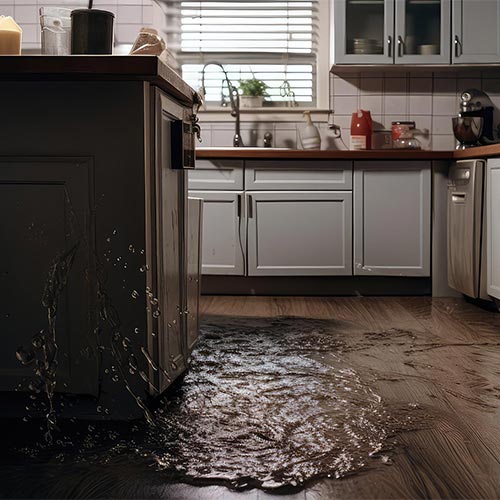
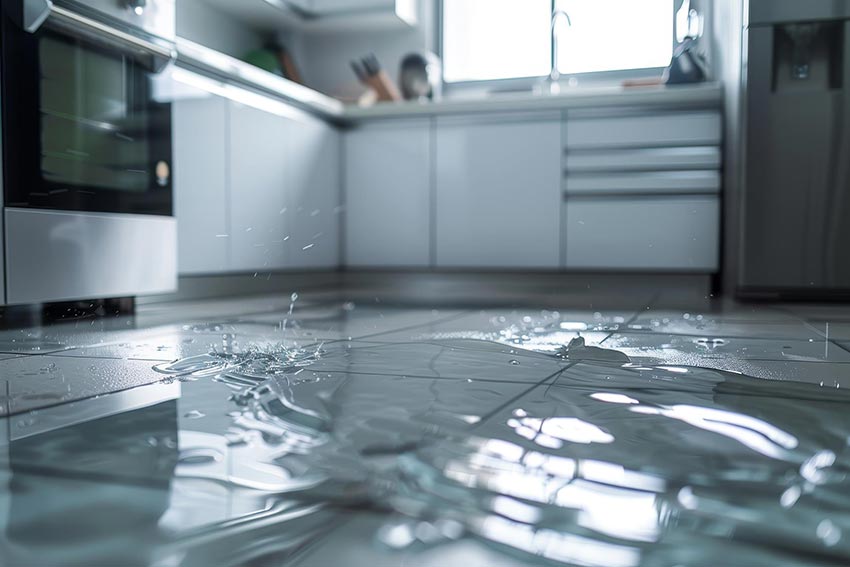
Kitchen water damage can begin with something as simple as a leaking dishwasher hose, burst pipe, overflowing sink, or failed appliance connection—but the consequences can extend far beyond a wet floor. Water can quickly seep into cabinets, flooring, drywall, and subflooring, where hidden moisture may continue causing damage long after the visible water is gone. Professional kitchen water damage repair focuses on more than cleanup; it involves identifying the source, assessing the full extent of the damage, drying affected materials, and restoring the kitchen safely before moisture-related problems become more costly.
Kitchen Water Damage Repair: Key Takeaways
- Act quickly after a kitchen leak or flood by stopping the water source when safe and beginning the drying process as soon as possible.
- Dry wet or damp materials within 24–48 hours when possible to help reduce the risk of mold growth.
- Do not rely only on visible damage; moisture can remain beneath flooring, inside cabinets, behind drywall, and in other hidden areas.
- Professional restoration can help determine which materials can be dried and restored and which require replacement.
- Document the damage with photos, videos, estimates, invoices, and other records if you may need to file an insurance claim.
- Prevent recurring damage by identifying and correcting the original source of the water intrusion.
Transform Your Space with BUILPIRE – Book Your Consultation Today!
Why Kitchen Water Damage Happens
Kitchen water damage can result from various sources. Common causes include:
- Burst or leaky pipes hidden behind walls
- Faulty or worn-out dishwasher and refrigerator hoses
- Overflowing sinks due to clogged drains
- Damaged plumbing beneath sinks or floors
- Roof leaks dripping into ceiling cavities
- Backed-up sewer lines impacting lower-level kitchens
Understanding the origin of the damage helps prevent it from recurring. For example, improper installation of appliances or low-quality plumbing fixtures increases the risk. A professional inspection identifies these vulnerabilities early.
Sometimes, poor ventilation also contributes. When your kitchen doesn’t properly air out humidity from cooking or dishwashing, it can lead to condensation, promoting hidden moisture build-up behind cabinets or under tiles.
What to Do in the First 24 Hours After Kitchen Water Damage
The first 24 hours after a kitchen water incident can make a major difference in the extent of the damage. Start by stopping the source of water if it is safe to do so. If the leak involves an appliance, sink supply line, or plumbing fixture, shut off the appropriate water supply and contact a qualified professional if the source cannot be safely controlled.
Next, protect people and property. Avoid electrical equipment or outlets that may have been exposed to water, and do not enter areas where electrical hazards may exist. Move undamaged belongings away from the affected area and document the condition of the kitchen with photographs and videos before major cleanup or removal begins.
Water should be removed as quickly as practical, followed by controlled drying of affected materials. The U.S. Environmental Protection Agency recommends drying wet or damp areas and materials within 24 to 48 hours, when possible, to help prevent mold growth. This is especially important around cabinets, flooring, drywall, insulation, and other materials that can retain hidden moisture.
Do not focus only on visible standing water. Moisture can remain underneath flooring, behind cabinets, inside wall cavities, or beneath appliances. A professional assessment can help identify areas that are still wet and determine which materials can be dried, repaired, or may need replacement.
The EPA recommends drying wet or damp materials within 24–48 hours, when possible, to help prevent mold growth. After kitchen water damage, drying should address not only visible surfaces but also areas where moisture may remain hidden.
The Dangers of Ignoring Water Damage
Water damage might appear minor at first glance, but it can lead to serious issues:
- Mold and Mildew Proliferation: Hidden mold can spread under tiles, behind baseboards, and within insulation. Mold cleanup is costly and dangerous to health.
- Warped Wooden Fixtures: Cabinet doors may swell, drawers may jam, and hardwood floors can cup or crown.
- Stained Surfaces: Water leaves behind mineral stains on stone countertops or tiles.
- Insect Infestations: Damp environments attract pests such as termites, silverfish, and cockroaches.
- Compromised Subflooring: Water can seep beneath flooring, weakening subfloors and posing tripping hazards.
Timely kitchen water damage repair addresses all of these risks and ensures your kitchen is safe and hygienic.
When mold is present, cleaning the visible growth without addressing the underlying moisture problem is not enough. The EPA recommends correcting the water or moisture source and cleaning the affected area; otherwise, the mold problem may return.
How to Identify Hidden Water Damage in Cabinets, Floors, and Walls
Not all kitchen water damage is visible. A floor may look dry while moisture remains underneath it, and a cabinet can appear intact while water has reached its base, adjoining wall, or subfloor. This is why a visual inspection alone may not provide a complete picture of the damage.
Cabinetry should be checked around the sink base, dishwasher opening, refrigerator water line, toe-kicks, and lower panels. Swelling, delamination, soft particleboard, staining, or persistent odors can indicate that moisture has penetrated deeper into the material. Some cabinet components may be salvageable after proper drying, while others may require replacement if they have lost their structural integrity.
Flooring requires similar attention. Water can travel beneath tile, vinyl, laminate, or hardwood and affect the subfloor without leaving obvious surface damage. Warping, cupping, buckling, soft spots, or changes in the appearance of flooring can be warning signs that further evaluation is needed.
Walls and ceilings should also be inspected when a plumbing leak, appliance failure, or roof leak has affected the kitchen. Moisture behind drywall or inside cavities can remain undetected and create conditions favorable to mold growth. Professional restoration teams use moisture assessment and drying procedures to determine where water remains and to verify that affected areas have been adequately dried.
The goal is not to replace everything that became wet. A proper restoration assessment should distinguish between materials that can be safely dried and restored and materials that have sustained damage requiring removal or replacement.
Water damage restoration is not limited to removing visible standing water. The IICRC S500 standard addresses inspection, building and material science, psychrometry, drying technology, equipment, documentation, and structural restoration because hidden moisture can affect materials that appear dry on the surface.
What Professional Restoration Services Include
Professional services deliver a full suite of solutions:
- Initial Damage Assessment: Technicians map moisture levels and check for structural damage.
- Leak Source Identification and Resolution: Pinpoint the exact leak source and make necessary repairs.
- Water Removal: Heavy-duty vacuums and pumps extract water, even from tight corners and behind cabinetry.
- Structural Drying: High-volume air movers and dehumidifiers are used to prevent mold.
- Surface Disinfection: Antibacterial and antifungal agents eliminate contaminants.
- Odor Control: Advanced deodorizers eliminate mildew smells.
- Restoration Work: Includes drywall replacement, floor reinstallation, cabinetry repair, and repainting.
- Moisture Monitoring: Technicians revisit to confirm complete drying over several days.
How to Document Kitchen Water Damage for an Insurance Claim
When significant kitchen water damage occurs, documentation should begin as soon as it is safe to do so. Take clear photographs and videos of the affected areas before damaged materials are removed or major restoration work begins. Capture both the overall condition of the kitchen and close-up images of damaged flooring, cabinets, walls, ceilings, appliances, and personal belongings.
Keep a written record of what happened, including when the water damage was discovered, the suspected source, what steps were taken to stop the water, and when professional help was contacted. Save invoices, estimates, receipts, inspection reports, and other documentation related to emergency services and restoration.
It is also useful to document damaged items individually when possible. Record the manufacturer, model, approximate age, and purchase information for appliances or other high-value items. Do not discard damaged property before determining whether your insurance company needs to inspect or document it, unless leaving the item in place creates a safety or health hazard.
Insurance coverage varies by policy, cause of loss, exclusions, deductibles, and other circumstances. For that reason, homeowners should contact their insurance provider promptly and follow the carrier’s instructions for documenting and reporting the loss. A professional restoration company can also help organize project documentation and records related to the restoration process.
Benefits of Hiring Professionals
Here’s why going pro is the smarter option:
- Immediate Emergency Response: Many offer 24/7 service, reducing response time.
- Customized Solutions: Not all kitchens are the same—services are tailored to your layout and materials.
- Mold Remediation Certification: Proper licensing ensures health safety.
- Paperwork and Documentation: Professionals document damage for insurance or resale purposes.
- Warrantied Work: Many companies back their work with service guarantees.
The added peace of mind from hiring certified pros is worth the investment.
Preventing Future Kitchen Water Damage
Don’t let history repeat itself—follow these preventive strategies:
- Install smart leak detectors with auto shut-off
- Schedule annual plumbing inspections
- Upgrade to braided steel water lines
- Seal all grout lines around sinks and floors
- Apply water-resistant finishes to cabinets and wood surfaces
- Insulate pipes in cold climates to prevent freezing
- Train family members on what to do if a leak is discovered
Proactive maintenance reduces the chances you’ll need another round of kitchen water damage repair.
Why Builpire Is Your Trusted Restoration Partner
When it comes to quality restoration and remodeling, Builpire is your go-to expert. Their professional teams are experienced in both repairing water damage and improving kitchen aesthetics through modern, personalized designs. Beyond just fixing the issue, Builpire helps you reimagine your kitchen with updated materials, better layouts, and higher functionality. Their commitment to craftsmanship and customer satisfaction makes them the ideal partner for any restoration project.
Whether you want to return your kitchen to its original state or enhance it, Builpire delivers comprehensive service—from water damage cleanup to premium redesign.
For more ideas and guidance, follow us on Instagram.
Frequently Asked Questions About Kitchen Water Damage Repair
How quickly should I start cleaning up kitchen water damage?
Start addressing the water source and affected area as soon as it is safe to do so. The EPA recommends drying wet or damp areas and materials within 24 to 48 hours when possible because prolonged moisture can increase the risk of mold growth. The exact response depends on the amount and type of water, the materials affected, and whether moisture has entered hidden areas such as wall cavities or beneath flooring.
Can kitchen cabinets be saved after water damage?
Sometimes. The decision depends on the type of cabinet material, how long it was exposed to moisture, how deeply the water penetrated, and whether the material has swollen, delaminated, weakened, or developed mold. A professional assessment can help determine whether affected components can be properly dried and restored or whether replacement is more appropriate.
How can I tell if water is trapped under my kitchen floor?
Possible warning signs include buckling, cupping, swelling, soft spots, discoloration, unusual odors, or changes in the appearance of the flooring. However, visible symptoms are not always present. Moisture can remain beneath flooring or within the subfloor, so professional moisture assessment may be necessary when the source of the water or extent of the damage is unclear.
Should I remove wet drywall after a kitchen leak?
Not necessarily. The appropriate response depends on the type of water exposure, how extensively the drywall was affected, how quickly it can be dried, and whether contamination or mold is present. A professional evaluation can determine whether the material can be safely dried and retained or whether removal and replacement are necessary.
What should I photograph after kitchen water damage?
Take wide-angle photos showing the overall affected area as well as close-up images of damaged cabinets, flooring, walls, ceilings, appliances, and personal property. Photograph visible water, staining, swelling, warping, and other signs of damage. Keep copies of estimates, invoices, receipts, inspection documentation, and other records related to the loss, and follow your insurance provider’s specific documentation requirements.