
Kitchen Cabinet Trends for 2026–2027: Modern Styles, Materials, and Smart Design
Kitchen cabinet trends in 2026 and 2027 are redefining how homeowners approach kitchen design, combining natural materials, warm color palettes, smart storage solutions, and personalized functionality. Today’s kitchen cabinets are no longer just storage units; they play a central role in creating a comfortable, organized, and visually cohesive living space. From natural wood finishes and concealed cabinetry to custom storage systems and integrated appliances, modern designs focus on balancing aesthetics with everyday practicality. Whether you’re planning a complete kitchen renovation or simply looking to refresh your existing space, understanding the latest kitchen cabinet trends can help you make informed design decisions and create a kitchen that remains functional and appealing for years to come.
What You’ll Learn in This Article
- The latest kitchen cabinet trends for 2026 and 2027, including natural wood finishes, warm neutrals, and modern cabinet styles.
- How to choose the right cabinet materials, including solid wood, plywood, MDF, and laminate.
- Practical storage solutions, concealed cabinetry, and integrated appliances for a more functional kitchen.
- The differences between custom, semi-custom, and stock kitchen cabinets.
- How to select durable cabinet finishes, improve kitchen organization, and plan a successful remodeling project.
more:view interior decoration equipment
Kitchen Cabinets Trends: The Ultimate Guide to Modern Design and Functionality
The kitchen is often regarded as the heart of the home, and the cabinets play a central role in defining its functionality and aesthetic appeal. With changing tastes, technological innovations, and an emphasis on sustainable living, kitchen cabinet trends have evolved significantly over the years. In this article, we will explore the most prominent kitchen cabinet trends of today, combining timeless styles with modern ingenuity.
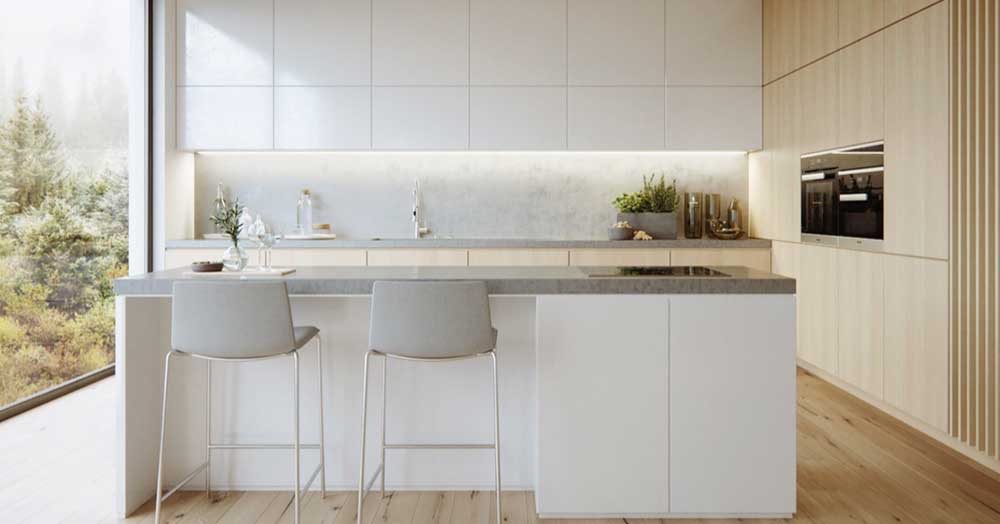
Emphasis on Minimalism
Minimalism continues to dominate kitchen design. Clean lines, smooth finishes, and a clutter-free look are hallmarks of this trend. Flat-panel cabinets, often referred to as “slab” cabinets, have become popular for their sleek and simple appearance.
- Materials: Matte finishes in soft, neutral colors like white, gray, and beige.
- Hardware: Invisible or integrated handles for a seamless design.
Minimalist cabinets create a calming atmosphere and are ideal for smaller spaces, making kitchens feel open and airy.
Bold Colors and Contrasts
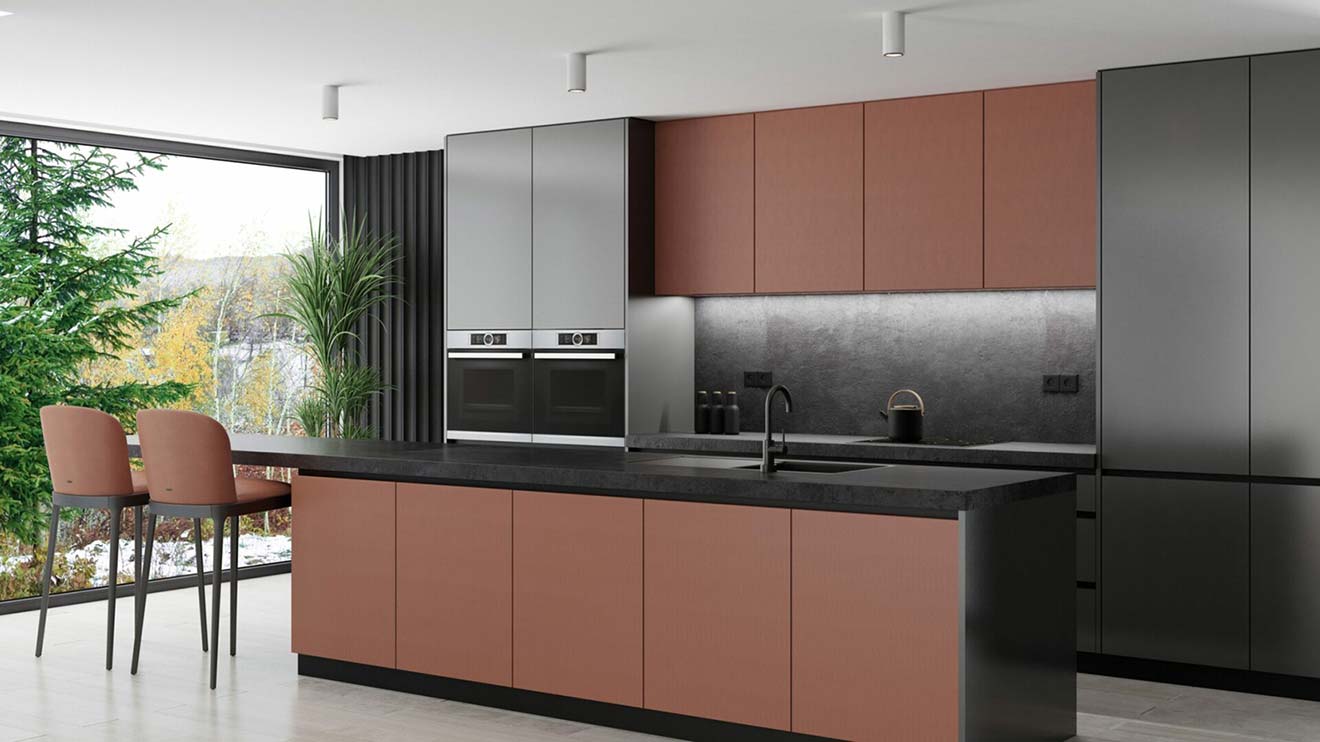
While neutral tones remain popular, bold color choices are gaining traction for those who want to make a statement. Deep greens, navy blues, and even black are replacing the all-white kitchens of the past.
- Two-Tone Cabinets: Upper cabinets in lighter tones paired with darker lower cabinets.
- Accent Colors: Bright yellows or terracotta shades for a pop of personality.
This trend allows homeowners to reflect their personality while maintaining a sophisticated look.
Natural Wood Finishes
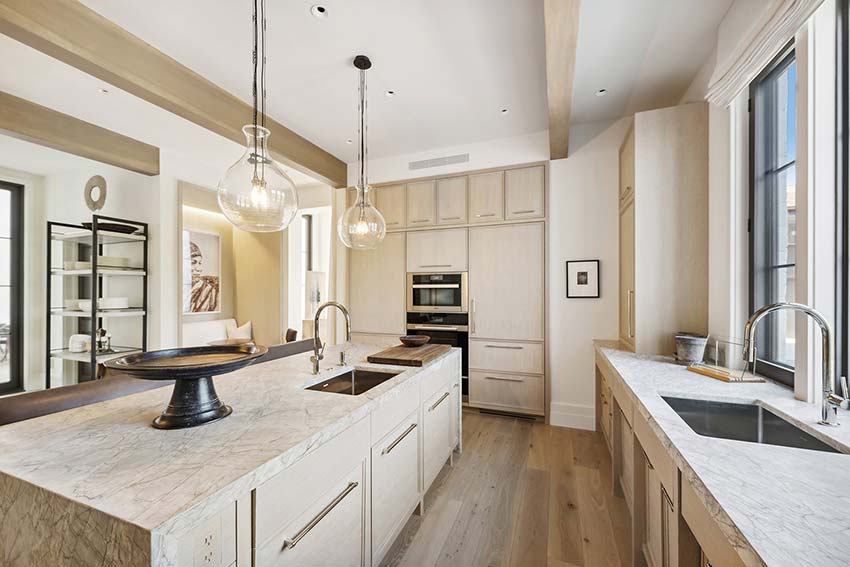
Natural wood is making a comeback in modern kitchen designs. Its timeless beauty and warmth create a welcoming environment that complements contemporary and rustic aesthetics alike.
- Types of Wood: Oak, walnut, and maple with visible grain patterns.
- Finishes: Light stains or natural, untreated looks to highlight the wood’s texture.
This trend aligns with the desire for organic, eco-friendly designs in the home.
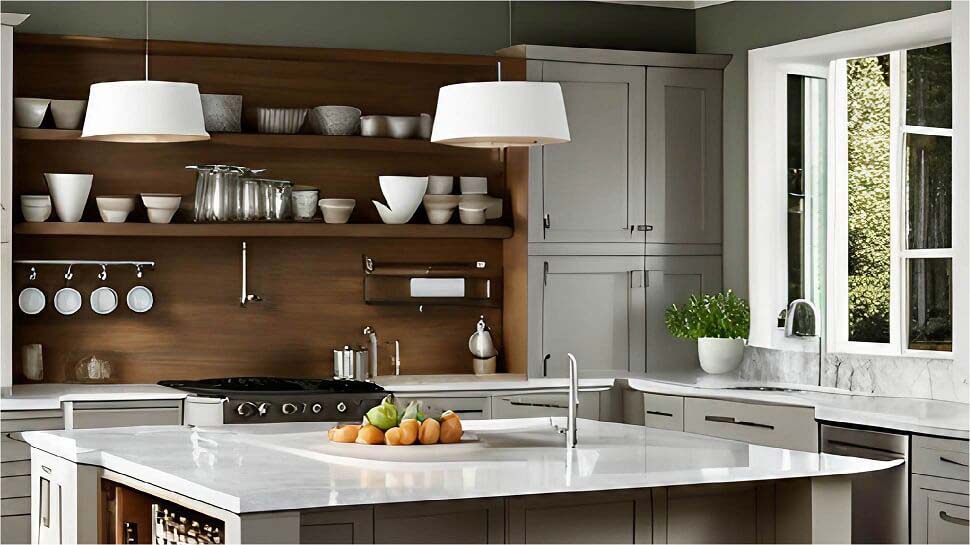
Open Shelving Integration
Open shelving is an increasingly popular alternative to traditional upper cabinets. It offers a casual, accessible, and decorative storage solution.
- Material Choices: Wood, glass, or metal shelving for a modern look.
- Combination: Pairing open shelves with closed cabinets for balance.
This trend works particularly well in smaller kitchens by creating a sense of openness while showcasing decorative items or everyday essentials.
Glass-Front Cabinets
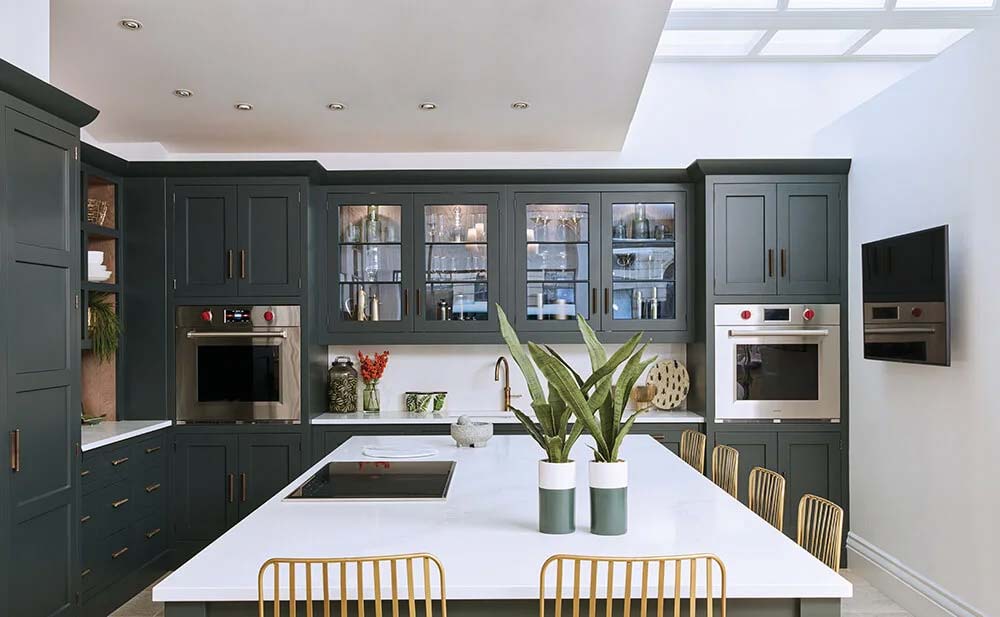
Glass-front cabinets add elegance and depth to kitchen design. They are a versatile option that blends functionality with style.
- Frosted or Clear Glass: Clear glass showcases dishes, while frosted options offer a semi-private display.
- Lighting: Incorporating interior cabinet lighting for added ambiance.
This style complements traditional and modern kitchens alike, offering both visibility and sophistication.
Smart Cabinetry Solutions
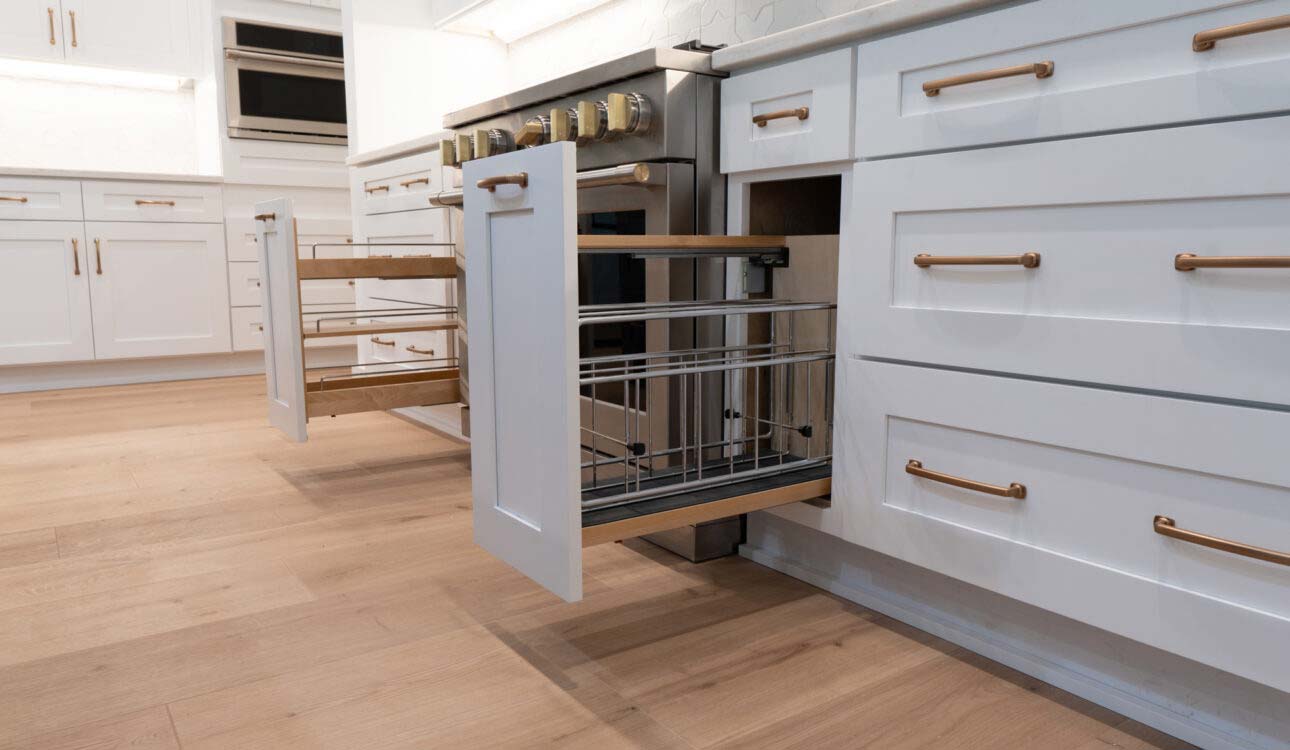
Smart homes demand smart storage. Modern kitchen cabinets are incorporating technology to enhance convenience and efficiency.
- Features: Built-in charging stations, touch-to-open mechanisms, and motion-sensor lighting.
- Organizational Systems: Pull-out drawers, dividers, and lazy Susans for optimized storage.
This trend addresses the modern homeowner’s need for both style and practicality.
Sustainable and Eco-Friendly Designs
Sustainability is no longer a niche preference—it’s a driving force behind many design choices. Eco-friendly kitchen cabinets are now a top trend.
- Materials: Bamboo, reclaimed wood, and formaldehyde-free plywood.
- Finishes: Low-VOC (volatile organic compound) paints and stains for healthier indoor air quality.
Choosing sustainable cabinets contributes to environmental conservation while ensuring a healthier home environment.
How to Choose the Right Kitchen Cabinet Material for Your Home
Choosing the right kitchen cabinet material is just as important as selecting its color or style. The material affects durability, maintenance, appearance, and the overall cost of your kitchen renovation. Before making a decision, consider how frequently you use your kitchen, your budget, and the level of maintenance you are comfortable with.
When selecting MDF, particleboard, or hardwood plywood cabinets, ask your supplier or contractor for documentation confirming TSCA Title VI compliance. The U.S. Environmental Protection Agency regulates formaldehyde emissions from these composite wood products, including materials commonly used in kitchen cabinetry. Checking product labels and compliance documentation is a practical way to make a more informed purchasing decision rather than relying on general claims such as “eco-friendly” or “low-emission.”
Source: U.S. Environmental Protection Agency – Formaldehyde Emission Standards
Solid Wood Cabinets
Solid wood remains a popular choice for homeowners who appreciate natural grain patterns, long-lasting appeal, and the ability to refinish certain surfaces. Oak, maple, and walnut offer different textures and visual characteristics. However, solid wood can respond to changes in humidity and temperature, so proper construction, finishing, and installation are essential.
Plywood Cabinets
Plywood is commonly used in cabinet boxes because its layered construction provides a stable and versatile foundation. Its performance depends on the quality of the plywood, thickness, edge treatment, and assembly. It is worth considering for homeowners who want a balance between structural performance and design flexibility.
MDF Cabinets
Medium-density fiberboard (MDF) offers a smooth, consistent surface that works particularly well with painted finishes and detailed cabinet doors. It can be a practical option for achieving a clean, uniform appearance. However, exposed edges and poorly protected areas should be kept away from prolonged moisture because MDF can swell when water penetrates the material.
Wood Veneer and Laminate Finishes
Wood veneer provides the appearance of natural wood through a thin layer applied to an engineered substrate, while laminate offers a wide range of colors, patterns, and surface textures. Both options can support contemporary kitchen designs, but their durability depends on the substrate, bonding quality, edge construction, and surface specification.
What Should You Consider Before Choosing?
Rather than selecting cabinet materials based on appearance alone, compare the cabinet box, door construction, finish quality, hardware, and resistance to everyday wear. Ask your contractor about moisture protection, cleaning requirements, warranty coverage, and the specific materials included in the project. A well-designed cabinet system should fit your lifestyle as well as your preferred aesthetic.
Statement Hardware
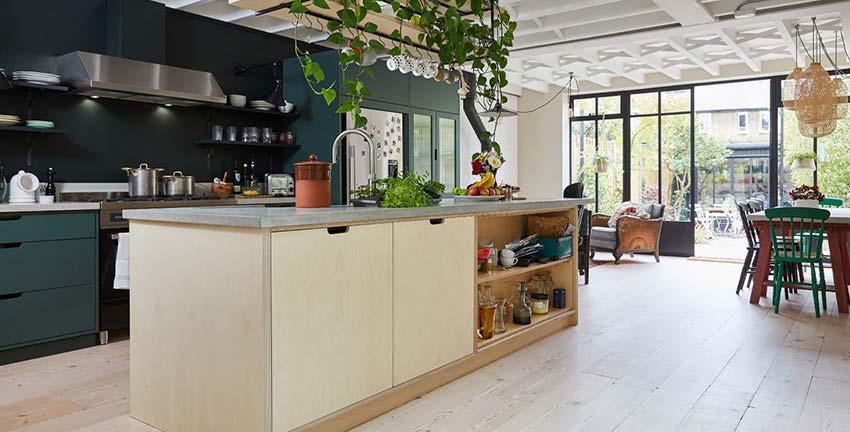
Cabinet hardware has evolved from being purely functional to becoming a focal point of kitchen design.
- Trending Styles: Brass, matte black, and mixed metals.
- Unique Shapes: Geometric handles, oversized pulls, and leather straps.
Upgrading hardware is an easy way to refresh kitchen cabinets and align them with current trends.
Mixed Materials
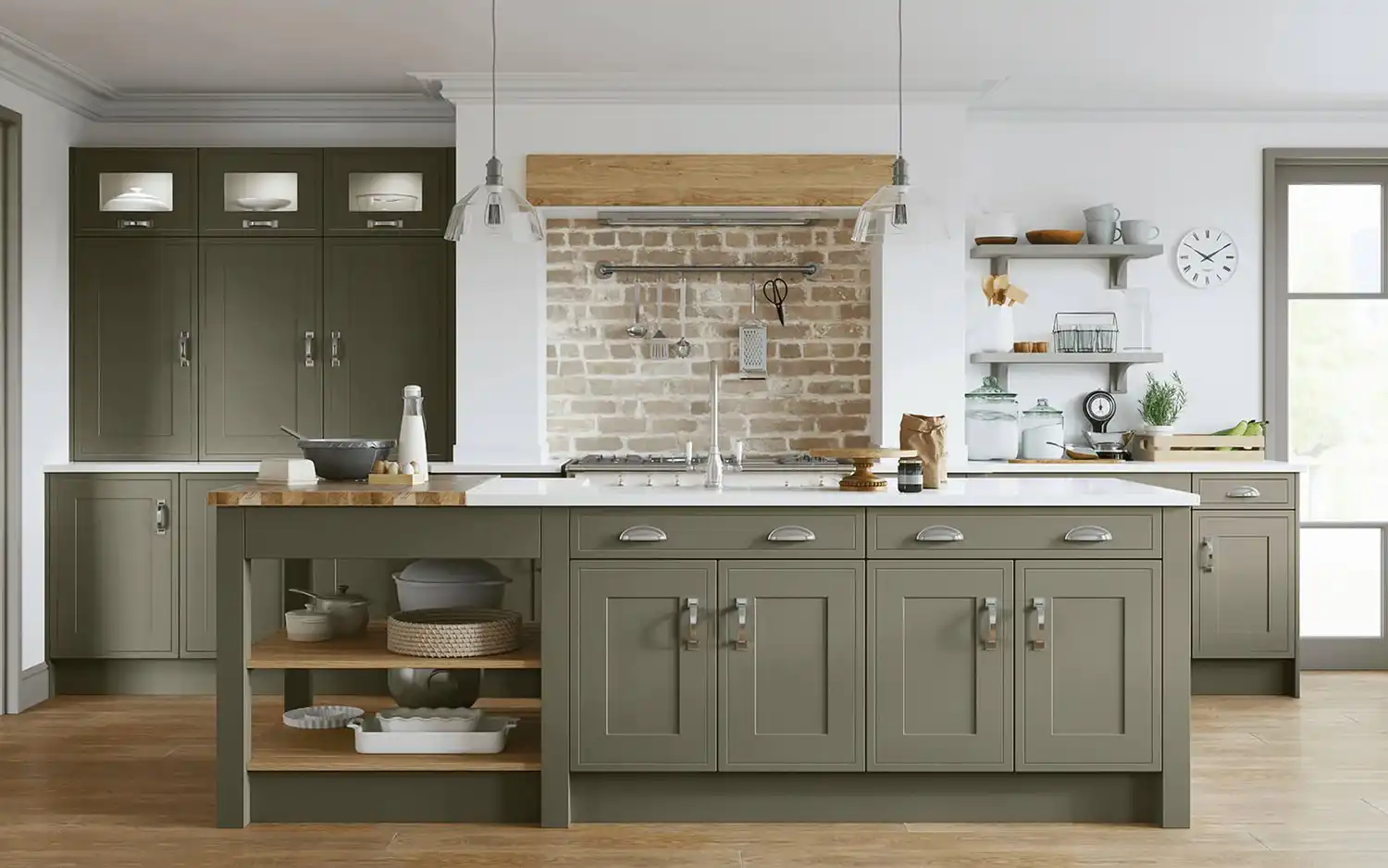
Blending different materials creates visual interest and adds texture to the kitchen.
- Combinations: Wood and metal, or glass and stone.
- Contrast: Pairing rustic wood cabinets with modern metallic accents.
This trend allows for greater creativity and personalization in kitchen design.
Floating Cabinets
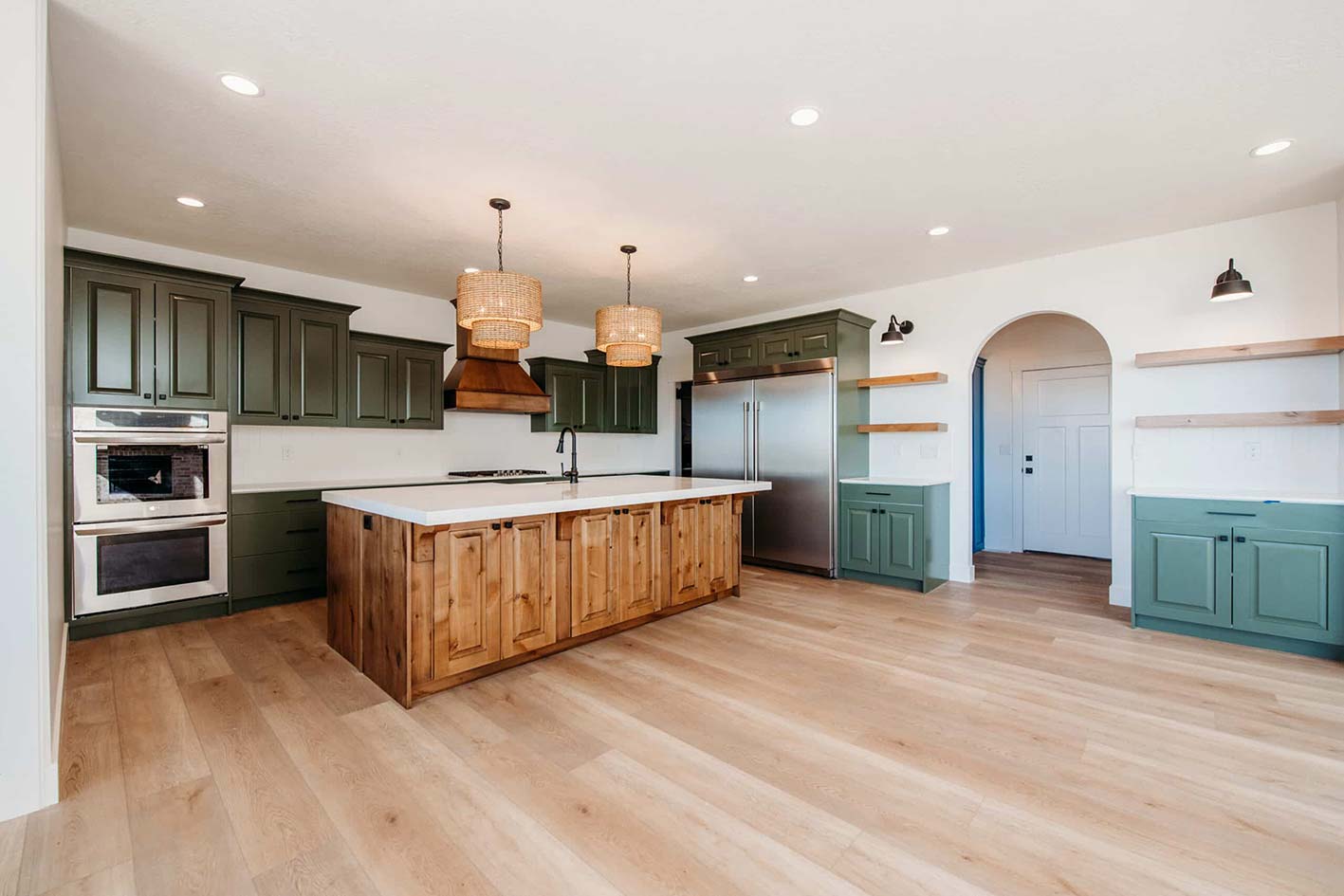
Floating cabinets, which do not touch the floor, are a modern design feature gaining popularity.
- Aesthetic Appeal: Creates a light and airy feel in the kitchen.
- Functional Use: Allows for under-cabinet lighting or additional storage below.
This style is particularly suited for contemporary or minimalist kitchens.
Matte Finishes
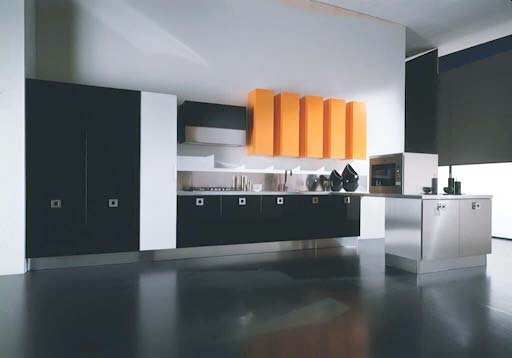
Matte finishes have become a favorite for their understated elegance and practicality. Unlike glossy surfaces, matte finishes do not show fingerprints or smudges as easily.
- Popular Colors: Soft pastels, earthy tones, and monochromatic shades.
- Versatility: Complements both traditional and modern kitchen designs.
Matte cabinets add sophistication while being easy to maintain.
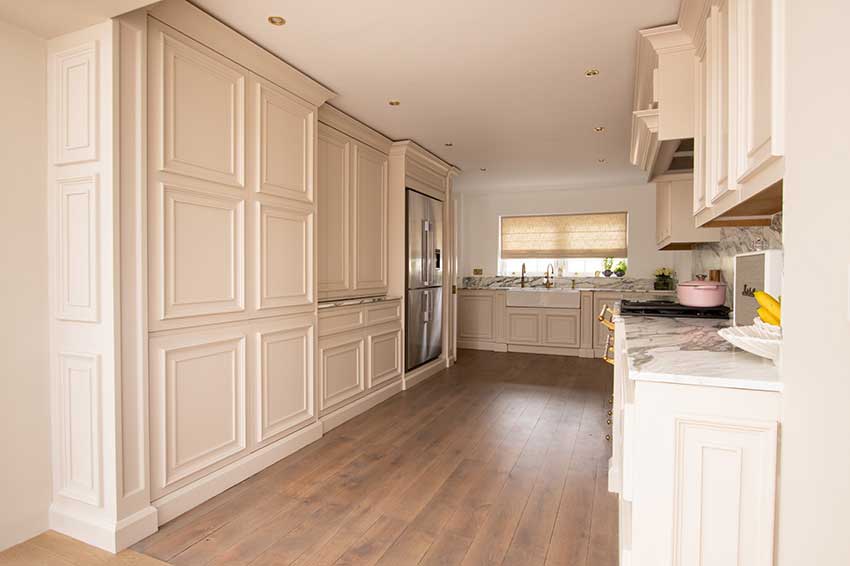
Floor-to-Ceiling Cabinetry
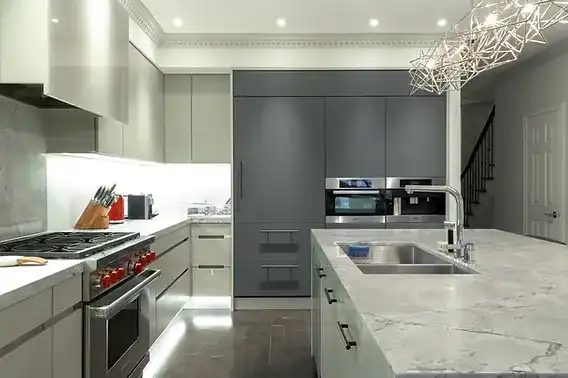
Maximizing storage space is a priority for many homeowners, and floor-to-ceiling cabinets are an excellent solution.
- Design: Seamless cabinetry that extends to the ceiling for a unified look.
- Functionality: Ample storage for seasonal items or bulk purchases.
This trend is especially useful in smaller kitchens where space optimization is key.
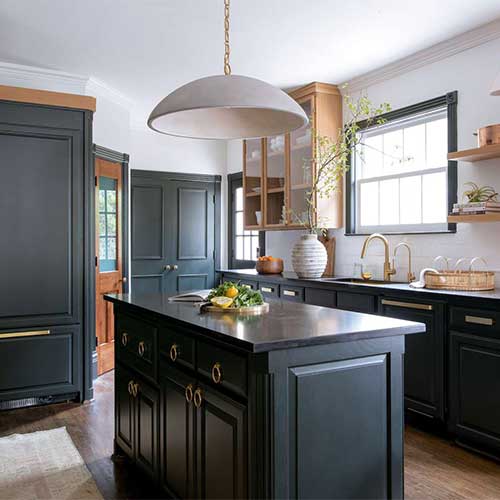
Dark and Moody Tones
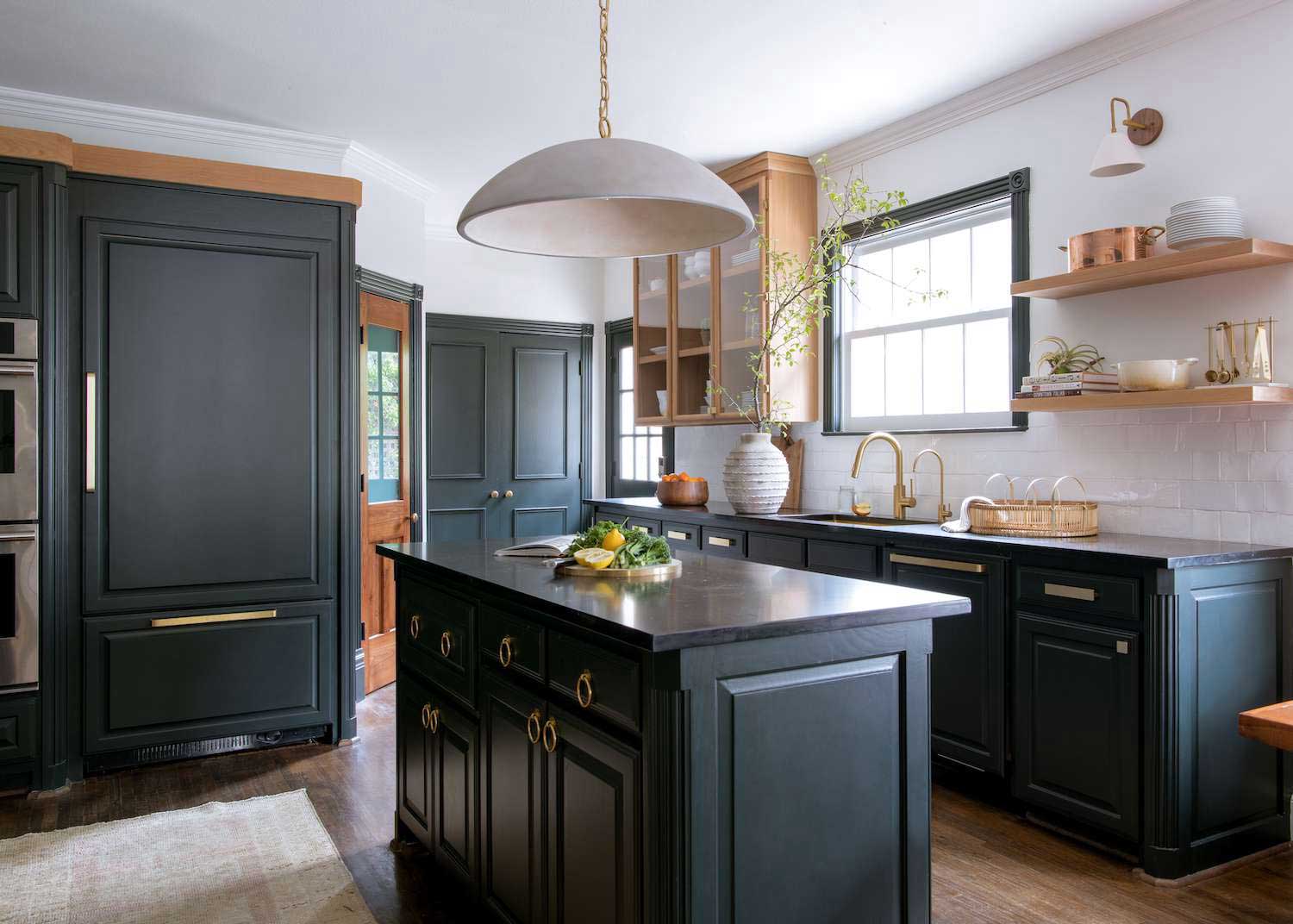
For those seeking a dramatic look, dark and moody tones are trending.
- Colors: Charcoal gray, black, and deep navy blue.
- Pairing: Light countertops and backsplashes to balance the darkness.
Dark cabinets exude luxury and sophistication, making them a popular choice for high-end kitchens.
Shaker-Style Cabinets
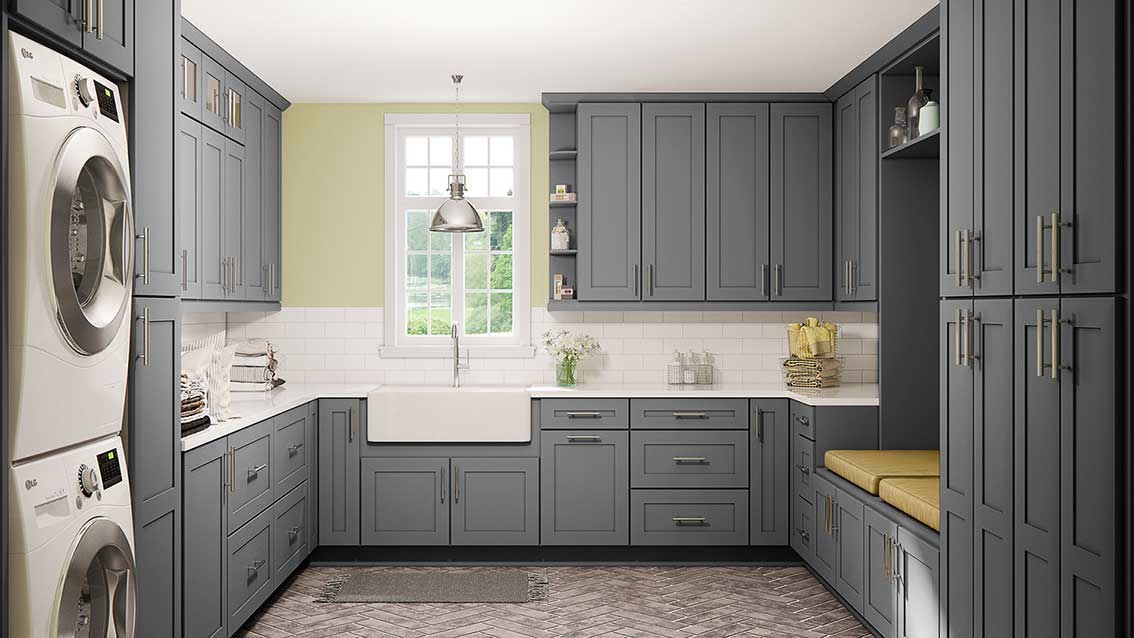
Shaker-style cabinets are a timeless classic that has adapted well to modern trends.
- Design: Simple, clean lines with a recessed panel.
- Versatility: Works with both traditional and contemporary kitchens.
Their understated elegance makes them a versatile option that never goes out of style.
Customization and Personalization
Customization is key to creating a kitchen that reflects individual taste and lifestyle.
- Bespoke Designs: Tailored storage solutions, custom finishes, and unique layouts.
- Special Features: Built-in wine racks, spice drawers, and hidden compartments.
Personalized cabinets cater to the specific needs of homeowners, making the kitchen both functional and unique.
Before finalizing a kitchen cabinet layout, identify how the household actually uses the space. Consider where cookware, dishes, small appliances, groceries, and everyday essentials are stored and accessed. Dedicated beverage stations, deeper drawers, pantry storage, and customized kitchen islands can improve everyday functionality when they are planned around real usage patterns. According to the NKBA’s 2027 Kitchen Trends Report, designers are placing greater emphasis on personalized layouts, concealed storage, and dedicated functional zones. A well-planned cabinet system should make everyday tasks easier, not simply add more storage.
Source: National Kitchen & Bath Association – 2027 Kitchen Trends Report
Custom vs. Stock Kitchen Cabinets: Which Option Is Right for Your Remodel?
One of the most important decisions during a kitchen renovation is choosing between custom, semi-custom, and stock cabinets. Each option offers a different combination of design flexibility, lead time, storage possibilities, and budget requirements. The right choice depends on your kitchen layout, project priorities, and how much personalization you need.
Stock Kitchen Cabinets
Stock cabinets are manufactured in standard sizes and configurations, making them a practical option for homeowners who want a more straightforward renovation. They are generally easier to source and can help simplify project planning. However, standard dimensions may limit design flexibility, particularly in kitchens with unusual layouts, awkward corners, or limited wall space.
Semi-Custom Kitchen Cabinets
Semi-custom cabinets offer a middle ground between standard products and fully personalized cabinetry. Depending on the manufacturer, homeowners may be able to choose from different dimensions, finishes, door styles, and storage features. This option can provide additional flexibility without requiring every cabinet component to be individually designed.
Custom Kitchen Cabinets
Custom cabinets are designed around the specific dimensions, layout, and functional requirements of a kitchen. They can accommodate unusual spaces, ceiling heights, specialized storage needs, and distinctive design preferences. Custom cabinetry may require more planning, coordination, and investment, but it provides greater control over the final result.
Which Cabinet Type Should You Choose?
Stock cabinets may be suitable when the layout is relatively standard and budget predictability is a priority. Semi-custom options are worth considering when you need additional flexibility in finishes or dimensions. Custom cabinets are often the better fit when maximizing storage, working around architectural constraints, or achieving a highly personalized design is essential.
Before making a decision, compare the complete project cost rather than the cabinet price alone. Installation, fillers, trim, hardware, modifications, delivery, and potential layout changes can affect the final budget. Working with an experienced remodeling professional can help you evaluate these factors and select a cabinet solution that supports your long-term needs.
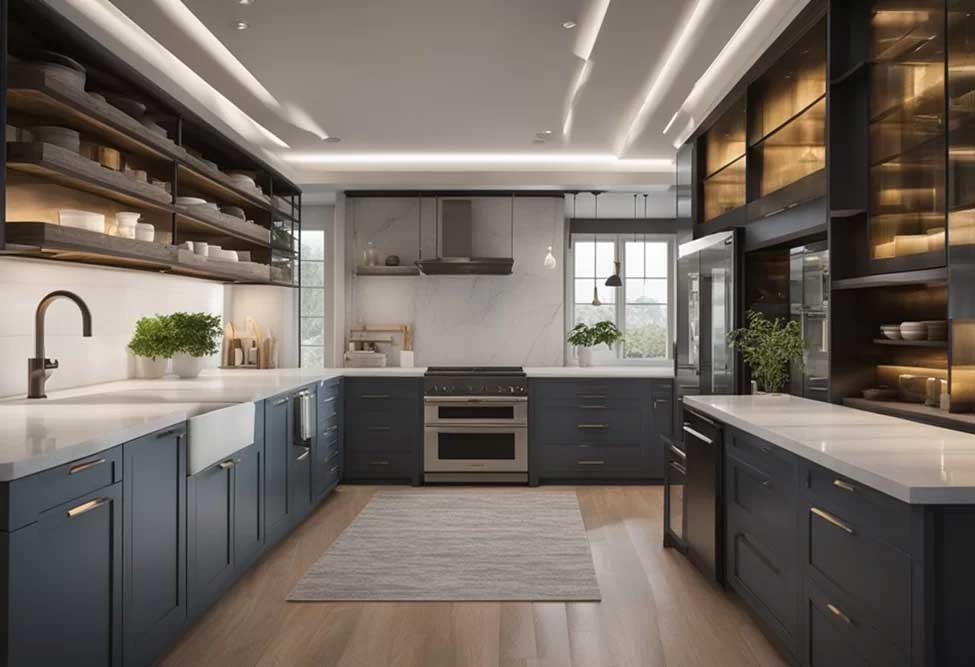
Cabinet selection should follow a carefully planned kitchen layout, not happen independently of it. Before placing an order, confirm appliance dimensions, door and drawer clearances, countertop requirements, plumbing and electrical locations, and the available storage zones. Changes made after cabinets are manufactured can lead to additional costs, installation adjustments, or compromised functionality. Planning these details with an experienced remodeling professional helps coordinate cabinetry with the rest of the renovation. The NKBA’s kitchen design research also highlights the growing importance of integrated spaces, personalized layouts, and functional planning.
Source: National Kitchen & Bath Association – 2026 Kitchen Trends Research
Builpire: Transforming Your Space, One Design at a Time
Builpire is your trusted partner for interior decoration and kitchen design, offering a seamless experience from concept to completion. Specializing in personalized home and kitchen transformations, Builpire goes beyond design by acting as your dedicated contractor. We manage every detail, ensuring that your dream space comes to life with expertise and style. Our unique platform allows you to explore a curated selection of high-quality products essential for your interior project. As you browse, you can effortlessly add items to your personalized contract, guaranteeing that each element is tailored to fit your vision and budget. With Builpire, design meets functionality, delivering spaces that inspire and elevate your everyday living. Discover the possibilities with Builpire—where exceptional design becomes your reality .
For more ideas and guidance, follow us on Instagram.
Kitchen Cabinet Trends in 2026–2027: What Is Changing?
Kitchen cabinetry is moving toward a more personalized and functional approach in 2026 and 2027. Instead of focusing exclusively on decorative finishes, homeowners and designers are paying greater attention to how cabinets support everyday routines, simplify organization, and create a cohesive connection between the kitchen and the rest of the home.
Natural Wood and Warmer Cabinet Finishes
Natural wood continues to influence modern kitchen design, particularly through white oak and other warm-toned finishes. Rather than relying entirely on painted surfaces, homeowners can introduce visible wood grain to add depth and warmth. These finishes work especially well when combined with neutral countertops, understated hardware, and balanced lighting.
More Concealed Storage and Integrated Appliances
Cabinetry is increasingly being designed to hide everyday clutter and create a cleaner visual appearance. Appliance garages, integrated refrigerator panels, concealed storage compartments, and dedicated pantry zones help maintain an organized kitchen without sacrificing accessibility. This approach is particularly useful in open-concept homes where the kitchen remains visible from adjacent living spaces.
Smarter Kitchen Zones and Personalized Storage
Modern cabinets are becoming more closely connected to the way each household uses its kitchen. Dedicated beverage stations, pull-out pantry systems, deeper drawers, and customized storage for cookware and small appliances can make daily tasks more convenient. Rather than adding storage everywhere, the goal is to place the right storage solution where it is most useful.
Wellness, Ventilation, and Low-Maintenance Materials
Kitchen design is also placing greater emphasis on indoor comfort and healthier living. Durable cabinet finishes, easy-to-clean surfaces, effective ventilation, and carefully specified materials can contribute to a more comfortable environment. Homeowners should evaluate product specifications and maintenance requirements instead of relying on broad labels such as eco-friendly or non-toxic.
Designing Beyond Short-Lived Trends
Not every popular design feature will suit every home. A practical approach is to invest in durable cabinet construction and functional storage while introducing more expressive colors, textures, and hardware through elements that can be updated more easily. This creates a kitchen that feels current without requiring another major renovation whenever design preferences change.
Conclusion
The kitchen cabinet trends of 2025 and beyond are not only about visual appeal but also about creating smarter, healthier, and more personalized spaces. By combining technology, sustainability, and unique design elements, homeowners can craft kitchens that meet both current needs and future aspirations.
Frequently Asked Questions About Kitchen Cabinet Trends
What are the biggest kitchen cabinet trends for 2026 and 2027?
Kitchen cabinet trends for 2026 and 2027 emphasize natural wood finishes, warmer neutral colors, concealed storage, integrated appliances, and personalized cabinet layouts. White oak and other natural wood tones remain important design choices, while functional features such as pull-out pantry systems, deep drawers, and dedicated beverage stations help improve everyday usability. Rather than following every new trend, homeowners should prioritize durable materials, practical storage, and finishes that complement the overall home design.
What is the most durable material for kitchen cabinets?
There is no single cabinet material that is best for every kitchen. Solid wood offers natural character and can often be refinished, while quality plywood is widely used for cabinet boxes because of its layered construction. MDF provides a smooth surface for painted cabinet doors, but it requires appropriate moisture protection. The durability of a cabinet system also depends on its construction, hardware, finish, installation, and exposure to moisture. Homeowners should compare the complete specifications rather than choosing materials based on appearance alone.
Are custom kitchen cabinets worth the investment?
Custom kitchen cabinets can be worth the investment when a kitchen has unusual dimensions, limited space, specific storage requirements, or a design that cannot be achieved with standard cabinet sizes. They provide greater flexibility in dimensions, finishes, and internal organization. However, stock and semi-custom cabinets may be more practical for standard layouts or projects with tighter budgets. The best choice depends on the renovation scope, available budget, installation requirements, and the level of personalization needed.
What kitchen cabinet colors will stay popular in the coming years?
Neutral shades, warm wood tones, greens, and blues are among the leading directions in contemporary kitchen design. The NKBA’s 2026 Kitchen Trends Report identified neutrals as a leading color family, with green and blue also receiving strong support from surveyed industry professionals. Natural wood finishes, especially white oak, are also prominent. For a kitchen with long-term appeal, consider using timeless neutral cabinetry as the foundation and introducing stronger colors through an island, backsplash, or decorative accents.
How can I make my kitchen cabinets last longer?
Proper installation, regular cleaning, moisture control, and quality hardware all contribute to longer-lasting kitchen cabinets. Use cleaning products recommended by the cabinet manufacturer and avoid excessive water, harsh chemicals, and abrasive materials that may damage the finish. Check areas around sinks, dishwashers, and plumbing connections for leaks or moisture buildup. Maintaining hinges and drawer slides and addressing small problems early can also help preserve cabinet performance and appearance over time.