





Home Renovation Ideas: Transform Your Living Space with Creativity and Comfort
Are you looking for home renovation ideas that do more than simply update the appearance of your space? A successful renovation should improve how your home functions, supports your daily lifestyle, and performs over time. Whether you’re planning a kitchen remodel, updating a bathroom, improving an older home, or considering a larger whole-house renovation, the best approach starts with understanding your home’s needs and setting clear priorities before choosing designs and finishes.
Article Summary
- Start a renovation by assessing the home’s condition, not by choosing finishes.
- Prioritize safety, moisture, structural, electrical, plumbing, and other underlying issues before cosmetic improvements.
- Consider energy performance, comfort, insulation, windows, HVAC, and ventilation as part of the overall renovation strategy.
- For homes built before 1978, evaluate potential lead-based paint hazards before disturbing painted surfaces.
- Check local permit requirements before starting structural, electrical, plumbing, mechanical, or other regulated work.
- Compare detailed written contractor estimates based on scope, materials, timeline, and contract terms—not price alone.
- Choose renovation ideas that improve how the home functions and supports the way you actually live.
Transform Your Space with BUILPIRE – Book Your Consultation Today!
Top Home Renovation Ideas for Every Room
-
Kitchen Remodeling
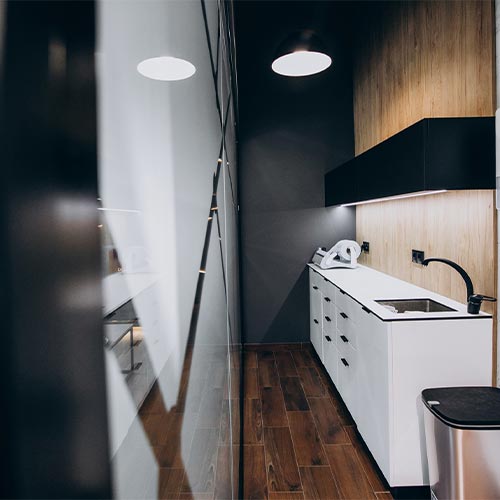
- Upgrade cabinets with sleek, modern finishes and soft-close hinges.
- Install a multifunctional kitchen island with seating and storage.
- Open up the space by knocking down walls to create an open-concept layout.
- Add under-cabinet lighting for ambiance and function.
- Choose quartz or granite countertops for durability and luxury.
- Add a backsplash with bold colors or geometric patterns.
- Invest in high-quality, energy-efficient smart appliances.
-
Bathroom Upgrades
- Replace outdated vanities with floating or custom-designed models.
- Add a frameless walk-in shower with rainfall and handheld options.
- Use light-colored or large-format tiles to expand visual space.
- Include features like heated floors, towel warmers, and Bluetooth speakers.
- Introduce greenery for a spa-like, natural feel.
-
Living Room Renovation
- Install crown molding and baseboards for a polished look.
- Create an accent wall using reclaimed wood, stone, or wallpaper.
- Use layered lighting: overhead, task, and ambient.
- Add built-in shelving for storage and display.
- Consider soundproofing for home theaters or busy households.
-
Bedroom Makeover
- Paint walls with soothing colors like soft blues, greens, or earth tones.
- Replace old carpets with hardwood or luxury vinyl planks.
- Add smart lighting systems that adjust to your sleep schedule.
- Include built-in wardrobes or walk-in closets for organization.
- Hang oversized art or create a gallery wall above the headboard.
-
Basement Transformation
- Convert into a guest suite, complete with a kitchenette and bathroom.
- Design a home office with ergonomic furniture and sound insulation.
- Add recreational features like a game room, bar, or movie theater.
- Ensure proper moisture control with sump pumps and dehumidifiers.
- Install egress windows for safety and natural light.
-
Outdoor Renovation Ideas
- Build a deck with composite materials for low maintenance.
- Install a pergola or gazebo for shade and elegance.
- Create zones: dining, lounging, and gardening.
- Add outdoor heating elements like fire pits or patio heaters.
- Use vertical gardens or raised planters for easy maintenance.
Before You Renovate: What to Assess First
Great home renovation ideas start with understanding the condition of the home—not choosing finishes. Before making design decisions, homeowners should evaluate the areas that could affect the scope, cost, safety, and long-term performance of the project.
Start by identifying existing problems such as moisture damage, plumbing leaks, outdated electrical systems, poor insulation, ventilation issues, uneven floors, deteriorated windows, or signs of structural movement. Fixing an underlying problem before covering it with new finishes can prevent a cosmetic upgrade from turning into a much larger repair later.
Energy performance should also be part of the assessment. ENERGY STAR recommends looking at improvements such as air sealing, attic insulation, high-performing windows, efficient heating and cooling equipment, and smart temperature controls as part of a whole-home approach to comfort and efficiency.
Older homes require additional attention. If a home was built before 1978, renovation work that disturbs painted surfaces may involve lead-based paint hazards. The EPA recommends using lead-safe practices and hiring an EPA-certified renovation firm when the Renovation, Repair and Painting (RRP) Rule applies.
Finally, check whether the planned work requires permits or inspections. Requirements vary by location, and projects involving structural changes, electrical, plumbing, mechanical systems, additions, or major alterations may require approval from the local building department.
A professional renovation assessment helps homeowners separate cosmetic improvements from work that needs to happen first. That distinction creates a more realistic scope of work and makes the design process far more effective.
Before selecting finishes, identify the underlying problems that could affect the renovation. EPA recommends addressing moisture, ventilation, pollutant sources, and other indoor environmental concerns before or during remodeling rather than covering the symptoms with new materials.
Official EPA guidance on remodeling and indoor environmental concerns
How to Prioritize Home Renovation Ideas
Not every renovation project needs to happen at the same time. When several areas of a home need attention, the smartest approach is to prioritize improvements based on function, condition, safety, and long-term value rather than simply choosing the most visible upgrade.
Start with problems that can cause additional damage if they are ignored. Water intrusion, moisture problems, unsafe electrical conditions, structural concerns, deteriorated roofing, and failing plumbing should generally be addressed before cosmetic improvements. A new floor or fresh paint cannot solve an underlying building problem.
Next, consider improvements that affect how the home performs every day. Better insulation, air sealing, efficient windows, HVAC improvements, lighting, storage, and more functional layouts can improve comfort while reducing ongoing frustrations. ENERGY STAR identifies insulation and air sealing, efficient heating and cooling, high-performing windows, smart thermostats, and other upgrades as important components of a more efficient home.
After essential repairs and performance improvements are identified, homeowners can focus on design upgrades such as cabinetry, countertops, flooring, lighting, fixtures, colors, and architectural details.
This approach also makes budgeting easier. Instead of dividing the renovation budget equally between rooms, homeowners can allocate resources according to the condition of the property and the impact each improvement will have on daily life.
The goal is not to complete the most projects. It is to complete the right projects in the right order.
If your home was built before 1978, renovation activities that disturb painted surfaces can create lead-dust hazards. EPA recommends using lead-safe practices and hiring a lead-safe certified contractor when the RRP requirements apply. This is especially important for projects involving sanding, cutting, replacing windows, or other work that can disturb painted surfaces.
Smart and Eco-Friendly Home Renovation Ideas
- Install solar energy systems with battery storage.
- Use ENERGY STAR-rated appliances for maximum efficiency.
- Replace old HVAC systems with ductless mini-splits.
- Install skylights or solar tubes for natural light.
- Choose low-flow faucets and dual-flush toilets.
- Build with insulated concrete forms (ICFs) for energy savings.
- Use recycled metal or composite roofing materials.
Do not evaluate energy upgrades as isolated purchases. ENERGY STAR recommends a coordinated Home Upgrade approach that can include a heat pump, heat pump water heater, smart thermostat, high-performing windows, attic insulation and air sealing, and electric-ready improvements. The right combination depends on the home’s condition and the homeowner’s priorities.
Budget-Friendly Home Renovation Tips
- Paint kitchen cabinets instead of replacing them.
- Reuse or repurpose furniture with new finishes.
- Choose laminate or vinyl flooring that mimics natural materials.
- Opt for DIY-friendly materials like shiplap or peel-and-stick tiles.
- Shop local salvage yards for unique architectural elements.
- Replace light fixtures and switch plates for quick updates.
- Add mirrors to increase the perception of space.

How to Choose a Home Renovation Contractor
The contractor you choose can influence the quality, communication, schedule, and overall experience of your renovation. Instead of comparing contractors only by price, homeowners should evaluate the scope of work, credentials, communication, insurance, documentation, and contract terms.
Start by asking for a detailed written estimate. The Federal Trade Commission recommends that homeowners compare multiple estimates and make sure the written proposal clearly describes the work, materials, price, and expected completion date. A significant difference between estimates should be explained rather than judged by price alone.
Homeowners should also verify licensing and insurance requirements with their state or local government. Ask contractors for proof of insurance and check whether the company has experience with projects similar to yours.
A strong renovation contract should clearly define the scope of work, payment schedule, expected timeline, materials or allowances, and how changes will be handled. Avoid signing documents with blank spaces or agreeing to major changes based only on verbal conversations.
Communication is equally important. Before work begins, make sure you understand who will manage the project, how updates will be provided, how design decisions will be documented, and who is responsible for coordinating different trades.
The right renovation partner should make the project easier to understand—not more confusing. A transparent process gives homeowners a clearer picture of what they are paying for and what to expect throughout the renovation.
Why Choose Builpire for Your Home Renovation Needs
Implementing these home renovation ideas can seem daunting without professional help. That’s why choosing a trusted renovation partner like Builpire is essential. Specializing in home renovation and interior design, Builpire brings vision, skill, and experience to every project. Their team collaborates closely with homeowners to ensure every detail aligns with their vision, lifestyle, and budget.
From minor upgrades to full home transformations, Builpire offers personalized design, quality materials, and expert craftsmanship. Whether it’s a modern kitchen, a luxury bathroom, or an energy-efficient smart home, Builpire delivers on time and with exceptional results.
For more ideas and guidance, follow us on Instagram.
Frequently Asked Questions About Home Renovation
What should I renovate first in an older home?
Start by identifying problems that could affect safety, durability, or future renovation costs. Moisture intrusion, structural concerns, outdated electrical or plumbing systems, poor ventilation, roofing problems, and significant air leakage should be evaluated before cosmetic upgrades. For homes built before 1978, homeowners should also consider the potential presence of lead-based paint before disturbing painted surfaces. Once essential issues are addressed, you can prioritize improvements based on comfort, functionality, energy performance, and design.
How do I know which home renovation projects to prioritize?
Prioritize renovation work according to four factors: safety, existing damage, everyday functionality, and long-term performance. Problems that can worsen or cause additional damage should generally come first. After essential repairs, consider improvements that increase comfort or reduce ongoing operating costs, such as insulation, air sealing, windows, HVAC upgrades, or better lighting. Cosmetic changes can then be planned around the remaining budget and overall design goals.
Do I need a permit for a home renovation?
Permit requirements depend on the location and the type of work being performed. Structural alterations, additions, and electrical, plumbing, or mechanical work commonly require permits or inspections, while some cosmetic improvements may be exempt. Because requirements vary by jurisdiction, homeowners should contact their local building department before starting work rather than assuming a project is permit-free.
How can I avoid unexpected costs during a home renovation?
The best way to reduce surprises is to define the scope of work before construction begins. Have the contractor document the work, materials, allowances, expected schedule, payment terms, and how changes will be priced. It is also important to identify existing problems before demolition begins because hidden moisture, outdated systems, structural issues, or code-related work can change the scope. Comparing detailed written estimates can help homeowners understand why project prices differ and what is actually included.
How can a renovation improve both comfort and energy efficiency?
Look beyond individual products and consider how the home works as a system. Air sealing and insulation can reduce unwanted heat transfer, while efficient windows, heating and cooling equipment, smart thermostats, and efficient water heating can further improve performance. ENERGY STAR recommends considering these upgrades as part of a coordinated approach rather than treating every improvement as an isolated project. The right combination depends on the home’s condition, climate, existing systems, and homeowner priorities.