


Fire Restoration for Homes
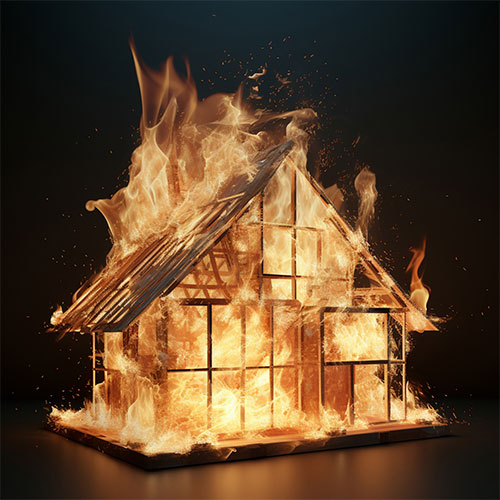
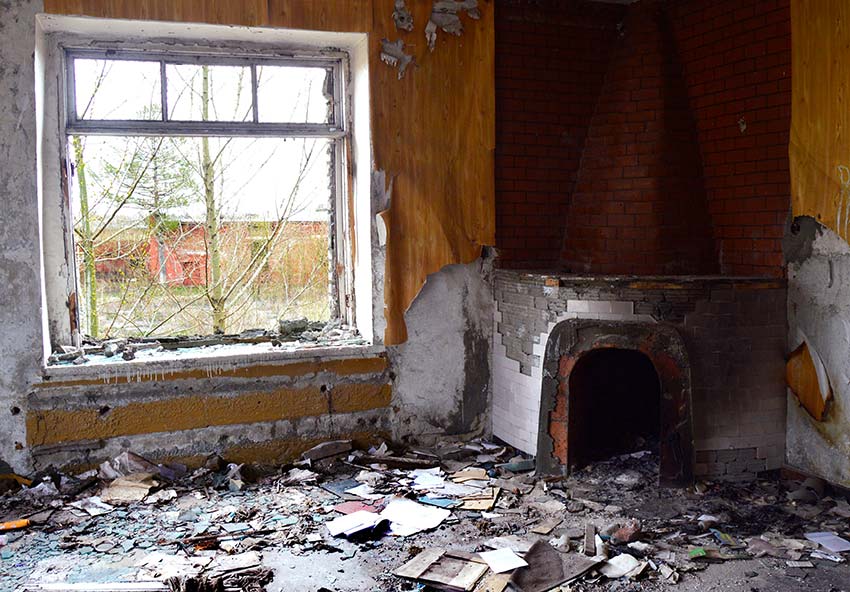
A house fire can leave behind far more than visible burns and structural damage. Smoke and soot can spread beyond the area where the fire started, while water used to extinguish the fire may create additional moisture-related problems. Even rooms that appear unaffected can require professional assessment before they are considered safe and fully restored.
Fire restoration for homes is a comprehensive process that goes beyond cleaning up after a fire. It may involve emergency stabilization, damage assessment, smoke and soot removal, water extraction, cleaning and deodorization, restoration of salvageable belongings, structural repairs, and reconstruction.
The first step is determining the full extent of the damage. A professional restoration assessment can help identify visible and hidden problems, document affected areas, and establish which materials and belongings can be restored, repaired, or may need replacement. This evaluation also helps homeowners develop a practical restoration plan rather than relying only on what can be seen.
For homeowners dealing with fire damage, acting promptly can help limit secondary damage and make the recovery process more manageable. At the same time, safety should come first: a fire-damaged property should not be re-entered until the appropriate authorities determine that it is safe.
Whether the damage is limited to smoke and soot or involves major structural repairs, professional fire restoration can help return a property to a safe, functional, and comfortable condition. The right approach depends on the severity of the fire, the materials affected, water damage, smoke migration, and the overall condition of the home.
Fire Restoration for Homes: Key Takeaways
Fire restoration involves much more than repairing visible fire damage. Smoke, soot,
water from firefighting, odors, damaged contents, and hidden structural issues can all
affect a home after a fire.
- Do not enter a fire-damaged property until authorities confirm it is safe.
- Document fire, smoke, soot, water, and property damage before extensive cleanup.
- Contact your insurance company or agent as soon as possible after the loss.
- Smoke can affect areas that were not directly exposed to flames, including HVAC systems and contents.
- Professional assessment can help determine what should be cleaned, restored, repaired, or replaced.
- A complete restoration plan may include cleanup, deodorization, structural repairs, and reconstruction.
- Choosing an experienced restoration provider can help coordinate the recovery process from assessment through reconstruction.
Transform Your Space with BUILPIRE – Book Your Consultation Today!
Understanding the Fire Restoration Process
Emergency Response and Damage Assessment
The first 24-48 hours after a fire are critical. Emergency services should be contacted immediately, followed by a professional fire damage restoration team. The team inspects your home, assessing the severity of the fire, smoke, and water damage. This step ensures a clear plan of action and cost estimate.
Securing the Property
To prevent further damage, restoration experts secure the site by boarding up windows, placing tarps over damaged roofs, and stabilizing structural elements. This protects the property from theft, weather conditions, and further collapse.
Water Removal and Drying
Water from firefighting efforts must be quickly removed to prevent mold and structural degradation. Industrial-grade pumps, air movers, and dehumidifiers are used to extract moisture and begin the drying process.
Smoke and Soot Removal
Smoke and soot can infiltrate walls, ceilings, HVAC systems, and personal belongings. Specialized equipment and cleaning agents are used to eliminate residues and neutralize odors, restoring indoor air quality.
Smoke contamination is also an indoor air quality concern. The EPA notes that smoke particles can enter homes and affect indoor air quality. After a fire or smoke event, professional assessment should consider affected HVAC systems, filtration, and areas where smoke or particles may have migrated.
Smoke Damage Can Affect More Than What You Can See
One of the most overlooked aspects of fire damage is that smoke contamination does not always remain in the areas directly affected by the flames. Smoke residues and odors can spread through rooms, wall cavities, ceilings, building materials, contents, and HVAC systems.
This is why a home can appear relatively clean while still requiring professional fire and smoke damage assessment. The type, amount, distribution, and persistence of fire residues can vary depending on the fire, the materials that burned, airflow, heat, and the areas affected.
HVAC systems deserve particular attention. If smoke or fire residues have entered an HVAC system, simply cleaning visible surfaces in the home may not address the entire problem. A professional assessment can help determine whether the system or its components have been affected and whether additional cleaning or restoration is necessary.
Porous and semi-porous materials can also retain smoke-related odors. Fabrics, upholstery, wood, carpeting, and other absorbent materials may require specialized cleaning or additional odor-management procedures rather than simple surface wiping.
Professional restoration should therefore begin with a detailed assessment of the affected areas, building materials, contents, and systems. The goal is not simply to make the home look clean. It is to identify the extent of contamination and develop an appropriate restoration plan based on the actual condition of the property.
The ANSI/IICRC S700 Standard for Professional Fire and Smoke Damage Restoration provides industry guidance for assessing fire residues and odors affecting buildings, building systems, and contents, as well as restoration cleaning and odor-management procedures.
For homeowners, this distinction matters: visible damage is only part of the restoration picture. A thorough evaluation can help prevent hidden smoke contamination or persistent odors from becoming a longer-term problem.
Professional fire and smoke damage assessment should consider more than visible fire damage. The ANSI/IICRC S700 Standard addresses the assessment of fire residues and odors affecting buildings, HVAC systems, and contents, helping restoration professionals develop an appropriate restoration work plan.
Cleaning and Sanitizing
All restorable items and surfaces are professionally cleaned. This includes deodorization using ozone generators or thermal fogging. The goal is to sanitize the environment, making it safe and healthy for occupancy.
Structural Repairs and Reconstruction
After cleanup, restoration turns toward rebuilding. This may involve drywall replacement, electrical rewiring, roofing, flooring, and painting. Skilled contractors work to return the home to its pre-fire condition—or even better.
What to Do Immediately After a House Fire: A Homeowner’s First Steps
After a house fire, the first priority is safety—not cleaning or rebuilding. Even when flames are no longer visible, a property may still have structural hazards, smoke contamination, water damage, or other conditions that make it unsafe to enter.
Before returning to the property, homeowners should confirm with the fire department or appropriate authorities that it is safe to enter. Floors, ceilings, walls, electrical systems, and other structural components may be compromised even when the damage is not immediately visible.
Once the property has been cleared for entry, document the condition of the home before removing damaged materials or belongings whenever possible. Take photographs and videos of affected rooms, structural damage, personal property, smoke residue, water damage, and other visible losses. A detailed inventory can also make the insurance claim process easier.
Homeowners should contact their insurance company or agent as soon as possible to understand the claims process and determine what documentation is required. Keep receipts for temporary housing, emergency repairs, cleaning, storage, and other fire-related expenses, as these records may be needed during the claim.
It is also important to prevent additional damage when it is safe and appropriate to do so. Temporary measures such as securing broken windows or covering roof openings may help protect the property from weather and unauthorized access. However, permanent repairs or extensive cleanup should generally be coordinated with the insurer and restoration professionals so that important evidence of the damage is not lost.
Most importantly, avoid assuming that a home is safe simply because the visible flames are gone. Professional assessment can identify damage that may not be obvious during an initial visual inspection, including smoke residues, moisture problems, affected building materials, and contamination within building systems.
For homeowners, the goal during the first stage of fire restoration is simple: protect people, document the damage, prevent further loss, and establish a clear restoration plan before major cleanup or reconstruction begins.

Why Professional Fire Restoration Is Essential
Professional services for fire restoration for homes are backed by training, licensing, and industry-grade tools. They follow safety protocols, use eco-friendly products, and coordinate with insurance companies to reduce out-of-pocket expenses for homeowners.
Many homeowners are surprised by hidden damage discovered during the restoration process. Smoke can travel through wall cavities and attic spaces. Water can weaken floors and cause unseen mold. Professionals use infrared cameras and moisture meters to detect these threats.
Moreover, emotional toll is often overlooked. Knowing your home is in expert hands can bring peace of mind during a stressful time. Restoration experts also guide you through every step, from documenting damage for insurance to choosing paint colors and finishes.
How Fire Damage Restoration and Insurance Claims Work Together
Fire restoration and the insurance claims process often happen at the same time, which can make an already stressful situation more difficult for homeowners. Understanding how the two processes work together can help prevent unnecessary delays and improve documentation.
Start by notifying your insurance company or agent as soon as possible. Your insurer can explain the requirements for filing a claim, provide information about your deductible and coverage, and tell you what documentation may be needed.
Before extensive cleanup or removal of damaged belongings, document the property as thoroughly as possible. Take photographs and videos of each affected room, damaged building materials, personal belongings, smoke residue, water damage, and other visible losses. Create a written inventory of damaged or destroyed items and keep copies of receipts related to emergency expenses and temporary repairs.
A professional restoration company can also help document the condition of the property and develop a scope of work. Depending on the situation, this may include water extraction, smoke and soot cleaning, structural repairs, content restoration, and reconstruction.
Homeowners should also keep records of conversations, estimates, receipts, and other claim-related documents. The National Association of Insurance Commissioners recommends documenting losses, photographing or recording damage, communicating with the insurer, and keeping appropriate records throughout the claims process.
Coverage varies by policy and location, so homeowners should not assume that every restoration expense will automatically be covered. The insurance policy and guidance from the insurer should be used to determine what is included in the claim.
A restoration professional can help organize the technical side of the recovery, while the insurance company and adjuster determine coverage and claim-related decisions. Keeping communication and documentation organized helps both sides work from the same information and can make the recovery process more manageable.
Before extensive cleanup begins, document the damage with photographs, videos, and a detailed inventory of damaged property. The National Association of Insurance Commissioners recommends documenting losses and contacting your insurance company or agent as part of the claims process.
Choosing the Right Fire Restoration Company
When researching a provider for fire restoration for homes, consider the following:
-
Experience & Certifications: Look for IICRC-certified professionals.
-
24/7 Availability: Fires don’t wait for office hours.
-
Comprehensive Services: From cleanup to full rebuilds.
-
Positive Reviews & References: Trust in reputation.
-
Insurance Coordination: A company that works with your insurer can save time and stress.
Preventing Future Fires
Fire restoration offers a fresh start—but it’s also a good time to implement preventative measures:
-
Install and test smoke detectors regularly.
-
Keep fire extinguishers in key areas like the kitchen and garage.
-
Inspect electrical wiring and avoid overloading outlets.
-
Maintain heating systems and chimneys annually.
-
Create a fire escape plan and practice it with your family.

Builpire: Your Trusted Partner in Fire Damage Restoration
If you’re looking for expert fire restoration for homes, look no further than Builpire. Known for their excellence in home remodeling and interior design, Builpire brings a unique blend of craftsmanship and compassion to every fire restoration project.
Their team doesn’t just repair damage—they rebuild homes with attention to beauty, functionality, and modern design. Whether you’re facing minor smoke damage or a full-scale rebuild, Builpire stands ready to restore your home and peace of mind.
With years of experience, 24/7 emergency services, and a reputation for delivering stunning results, Builpire is a name you can trust in your time of need.
For more ideas and guidance, follow us on Instagram.
Frequently Asked Questions About Fire Restoration for Homes
How soon should I start fire damage restoration after a house fire?
Fire damage restoration should begin as soon as it is safe to access the property and the initial damage has been documented. Delaying restoration can allow smoke residues,
soot, moisture, and other secondary damage to become more difficult to address. Homeowners should not enter a fire-damaged property until the fire department or appropriate authorities have determined that it is safe.
Can smoke damage affect areas of my home that were not burned?
Yes. Smoke and fire residues can affect areas that were not directly exposed to flames. Smoke can move through rooms, building spaces, walls, ceilings, HVAC systems, and personal belongings. Professional assessment helps identify contamination that may not be visible during a basic inspection.
Should I clean my house before contacting my insurance company?
Homeowners should generally document the damage before beginning extensive cleanup or removing damaged belongings. Take photographs and videos, create an inventory of losses, and contact your insurance company or agent as soon as possible to understand the claim requirements.
How do professionals remove smoke odor after a house fire?
Professional smoke odor removal begins by identifying the source and extent of contamination. Depending on the condition of the property, restoration may involve cleaning affected surfaces and contents, removing unsalvageable materials, evaluating HVAC systems, and applying appropriate odor-management procedures.
Do I need professional fire restoration if the fire damage looks minor?
Visible damage does not always reveal the full extent of smoke, soot, moisture, or structural impact. A professional assessment can help determine which materials and belongings can be cleaned, restored, repaired, or replaced and whether hidden contamination requires additional attention.