








Transform Your Home with Top Residential Interior Design Services in California
Creating a beautiful home requires more than choosing attractive furniture or following the latest design trends. It takes thoughtful planning, functional layouts, and the right combination of materials, lighting, and finishes to make a space truly work for everyday living. Professional residential interior design services in California help homeowners transform their ideas into personalized living environments that balance style, comfort, and functionality. Whether you are planning a kitchen or bathroom makeover, updating individual rooms, or considering a complete home renovation, working with an experienced design team can help you make informed decisions, avoid costly design mistakes, and achieve a cohesive result that reflects your lifestyle and long-term needs.
Article Summary
- Residential interior design services in California help homeowners create functional, comfortable, and visually cohesive living spaces.
- Professional design services may include space planning, lighting concepts, furniture layouts, material selection, and coordination with remodeling professionals.
- A realistic project budget should account for design fees, construction costs, materials, labor, and potential unexpected expenses.
- California homeowners should verify contractor credentials and confirm local building permit requirements before starting construction.
- Written agreements, clear project scopes, and realistic timelines help reduce misunderstandings and improve project coordination.
- Indoor air quality, dust management, ventilation, and appropriate material selection should also be considered during home remodeling.
- Working with an experienced design partner helps homeowners make informed decisions and create spaces that reflect their lifestyle and long-term needs.
Transform Your Space with BUILPIRE – Book Your Consultation Today!
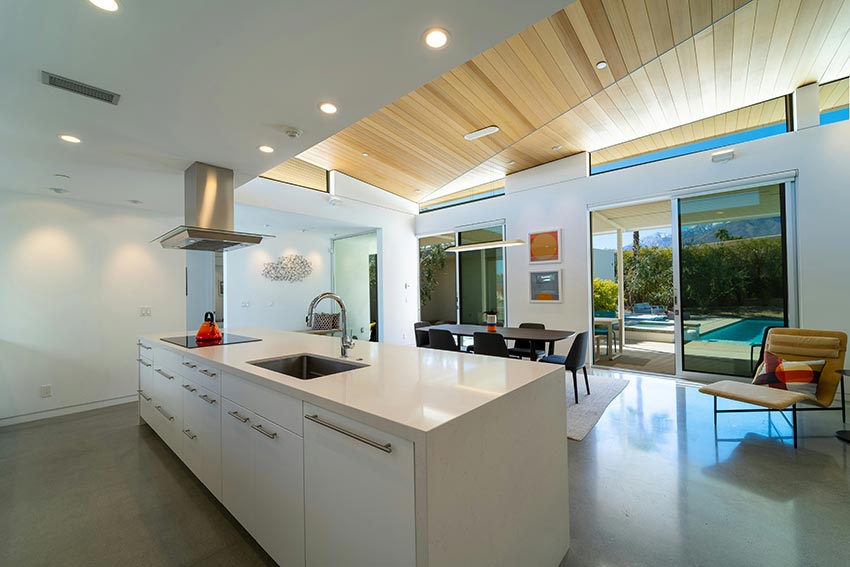
Why Residential Interior Design Matters
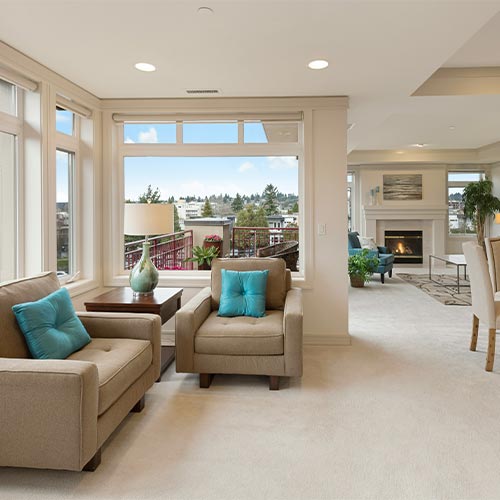
Residential interior design is more than just creating a pretty space; it’s about designing environments that foster comfort, productivity, and emotional well-being. In California, where people often juggle busy work schedules with active social lives, a thoughtfully designed home becomes a sanctuary. A professional design service ensures that every square foot of your home is optimized for beauty and function.
Benefits of Hiring Residential Interior Design Services in California
-
Personalized Solutions – Every home and homeowner is unique. Designers craft tailored solutions that fit your lifestyle.
-
Increased Property Value – A professionally designed home attracts buyers and boosts resale value.
-
Time & Stress Saving – With experts handling everything from planning to execution, homeowners save time and avoid costly mistakes.
-
Access to Premium Resources – Designers have connections with vendors and suppliers, ensuring quality materials at competitive prices.
-
Trend Awareness – Professionals keep up with the latest design innovations and apply them to your home seamlessly.
What Is Included in Residential Interior Design Services?
Residential interior design services go beyond selecting furniture, paint colors, and decorative accessories. A professional design approach considers how each room functions, how people move through the space, and how individual design elements work together to create a cohesive home. Depending on the project’s scope, these services may include space planning, design concepts, material selection, lighting plans, furniture layouts, and coordination with remodeling professionals.
Space Planning and Functional Layouts
One of the most important parts of residential interior design is making the best use of available space. Designers evaluate room dimensions, circulation paths, natural light, storage needs, and the relationship between connected areas. For example, a kitchen redesign may involve improving the connection between cooking, preparation, and dining zones rather than simply replacing cabinets and countertops.
Material, Color, and Finish Selection
Choosing materials involves more than matching colors or following current trends. Flooring, cabinetry, countertops, wall finishes, and fabrics should be selected based on durability, maintenance requirements, visual consistency, and the way each material will be used. This is particularly important in high-traffic areas such as kitchens, bathrooms, and family rooms.
Lighting and Furniture Planning
A successful interior design plan considers both natural and artificial lighting. Ambient, task, and accent lighting can serve different purposes throughout a home. Furniture dimensions and placement also matter because oversized pieces or poorly planned layouts can make even a spacious room feel uncomfortable.
Interior Design vs. Home Remodeling
Interior design primarily focuses on the appearance, functionality, and experience of interior spaces, while home remodeling may involve physical construction, such as changing walls, updating plumbing, replacing electrical systems, or renovating kitchens and bathrooms. Many residential projects require both disciplines to work together. Understanding the difference helps homeowners define their project scope and determine which professionals they need before work begins.
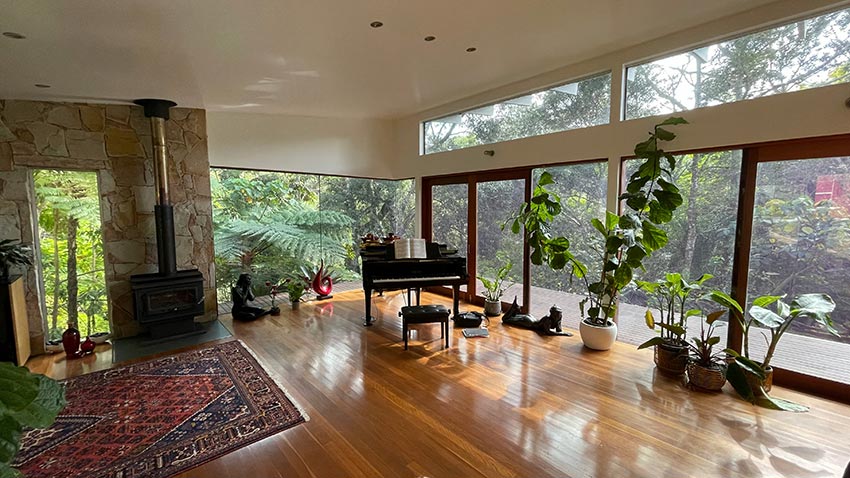
Popular Interior Design Trends in California
-
Modern Coastal Design – Inspired by California’s beaches, featuring light palettes, natural textures, and open layouts.
-
Eco-Friendly Living – Incorporating sustainable materials, energy-efficient systems, and natural lighting.
-
Minimalist Luxury – Clean lines, uncluttered spaces, and high-quality finishes.
-
Smart Homes – Integrating technology for lighting, climate, and security control.
-
Indoor-Outdoor Harmony – Blurring the boundaries between inside and outside living spaces.
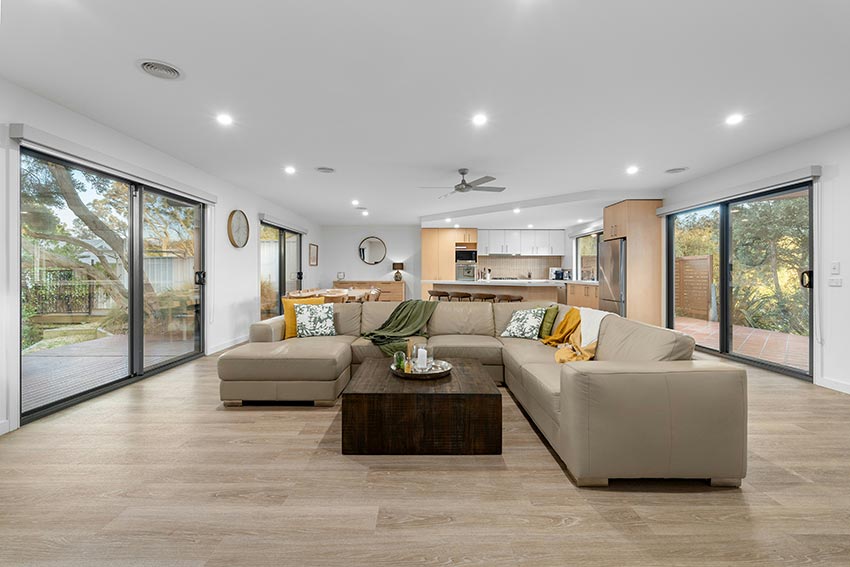
How to Plan a Realistic Budget for Your Interior Design Project
Planning a realistic budget is one of the most important steps in any residential interior design or remodeling project. Before selecting materials or committing to a specific design direction, homeowners should understand the full financial scope of the work. A clear budget helps prioritize essential improvements, compare service proposals, and avoid unexpected expenses during execution.
Separate Design Fees from Construction Costs
Interior design fees and remodeling expenses are not necessarily included in the same estimate. Design fees may cover consultations, space planning, drawings, material specifications, furniture selection, and project coordination, depending on the agreement. Construction costs may include labor, demolition, materials, installation, plumbing, electrical work, and other trade services. Ask for these costs to be identified separately so you understand exactly what each proposal covers.
Prioritize Improvements Based on Your Needs
Not every part of a home needs to be renovated at the same time. Start by identifying the areas that have the greatest impact on daily comfort, functionality, or long-term maintenance. For example, addressing an inefficient kitchen layout or inadequate bathroom ventilation may be more important than replacing decorative accessories throughout the house. A phased approach can also help homeowners manage larger projects without compromising essential design decisions.
Account for Materials, Labor, and Unexpected Conditions
Material selections can significantly affect the overall project budget. Natural stone, custom cabinetry, specialty finishes, and made-to-order furniture may require different investment levels than standard alternatives. Labor costs can also change depending on the complexity of installation and the condition of the existing home. During demolition, previously hidden issues such as moisture damage, outdated wiring, or plumbing concerns may require additional work.
Define the Project Scope Before Requesting Estimates
Comparing proposals is much easier when every contractor or service provider is working from the same project scope. Prepare a list of rooms, desired improvements, material preferences, and must-have features before requesting estimates. Ask each provider to explain exclusions, allowances, payment schedules, and how additional work will be priced. A detailed scope makes it easier to compare proposals based on actual value rather than the initial quoted price alone.
A well-planned interior design budget is not simply about spending less. It is about allocating resources to the improvements that matter most while maintaining a clear understanding of the project’s financial and practical requirements.
Before starting a home improvement project in California, make sure the agreement clearly identifies the services, materials, costs, payment schedule, completion date, and responsibility for obtaining permits. According to the California Contractors State License Board (CSLB), written contracts are required for home improvement projects exceeding $500. Any changes to the agreed scope should also be documented in writing before additional work begins. A detailed agreement helps homeowners avoid misunderstandings and maintain better control over their renovation budget.
Source: California Contractors State License Board – Home Improvement Contracts
The Process of Residential Interior Design
-
Consultation & Concept Development
Understanding the client’s goals and vision. -
Planning & Layout
Creating functional floor plans and mood boards. -
Material Selection
Choosing finishes, fabrics, and furniture. -
Execution & Installation
Bringing the design to life with precision. -
Final Styling & Review
Adding finishing touches for a polished look.
Permits, Contractor Selection, and Project Planning in California
Residential interior design projects in California may involve more than aesthetic decisions, particularly when the work includes structural changes, electrical upgrades, plumbing modifications, or other construction activities. Understanding local requirements and selecting qualified professionals early can help homeowners avoid unnecessary delays, unexpected expenses, and compliance issues.
Understand Local Building Permit Requirements
Not every interior design update requires a building permit. However, certain remodeling activities may require approval from the local building department before construction begins. Permit requirements depend on the type of work and the city or county where the property is located. Projects involving structural modifications, electrical systems, plumbing, or mechanical work should be evaluated carefully before scheduling construction.
Homeowners should confirm applicable requirements with their local building department and establish in writing who is responsible for obtaining the necessary permits. The California Contractors State License Board provides additional guidance through its California building permit requirements resource.
Verify Contractor Credentials Before Hiring
When a project involves construction or home improvement work, selecting an appropriately licensed contractor is an important part of protecting your investment. California homeowners can use the Contractors State License Board (CSLB) online database to review a contractor’s license status and available complaint information. It is also helpful to review relevant project experience, request references, and compare detailed written estimates before making a decision.
Before hiring a contractor, use the CSLB online license database to verify the contractor’s current license status and review available complaint information. California homeowners should also confirm whether their specific remodeling project requires local building permits. Permit requirements can differ between cities and counties, so never assume that approval in one jurisdiction applies to another. Ask your service provider to identify permit responsibilities in the written agreement before construction begins.
Source: CSLB – Check a Contractor License | California Building Permit Requirements
Put the Project Scope and Payment Terms in Writing
A clear written agreement should explain the work being performed, the materials and products involved, the expected schedule, payment terms, permit responsibilities, and procedures for handling changes. If additional work becomes necessary, document the revised scope and associated costs before proceeding. This creates a shared understanding between the homeowner and the professionals involved in the project.
Coordinate Design and Construction Before Work Begins
Design decisions should be coordinated with construction requirements before materials are ordered or demolition begins. Cabinet dimensions, appliance specifications, lighting locations, plumbing fixtures, and electrical requirements can affect one another. Reviewing these details early helps reduce avoidable revisions and improves coordination between designers, contractors, and specialty trades.
For California homeowners, a successful project depends on more than choosing an attractive design. Clear responsibilities, appropriate professional qualifications, and early planning help create a smoother path from the initial concept to the completed living space.
Home remodeling can introduce dust, airborne particles, and chemical emissions from paints, adhesives, flooring, and other building materials. The U.S. Environmental Protection Agency (EPA) recommends containing construction dust, separating work areas from occupied spaces, and providing effective exhaust ventilation during remodeling. Homeowners should also pay special attention to older properties built before 1978, as disturbing lead-based paint may require certified professionals and specific safety procedures. Discussing dust control, ventilation, and material selection before construction begins can help create a healthier indoor environment.
Why Choose California Designers
California designers are known for innovation, creativity, and adaptability. They blend global influences with local culture, producing homes that are both functional and stylish. By hiring professionals in California, homeowners gain access to top-tier design expertise that reflects the state’s unique blend of luxury and lifestyle.
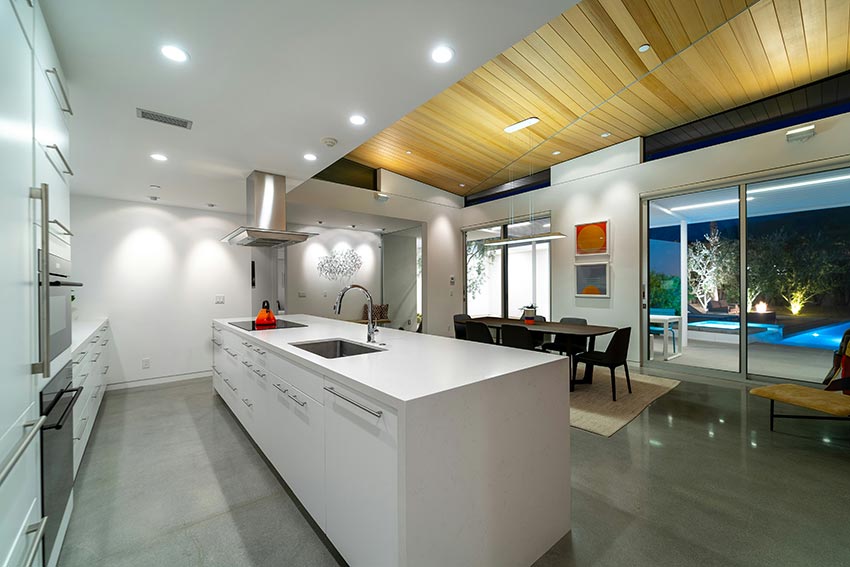
Builpire: Your Trusted Interior Design Partner
Among the companies making waves in the industry is Builpire, a trusted name in home remodeling and interior design. Builpire specializes in creating bespoke designs tailored to client needs, ensuring each project is unique, stylish, and functional. Whether you’re looking for a complete renovation or a room-specific upgrade, Builpire’s expertise guarantees a transformation that exceeds expectations.
For more ideas and guidance, follow us on Instagram.
Frequently Asked Questions
What is the difference between an interior designer and an interior decorator?
An interior designer focuses on both the functionality and appearance of interior spaces. Depending on their qualifications and project scope, their work may include space planning, layout development, lighting concepts, material specifications, finish selection, and coordination with construction professionals. An interior decorator primarily focuses on the visual elements of an existing space, such as furniture, color schemes, fabrics, artwork, and accessories. If your project involves improving how a room functions or coordinating design decisions with remodeling work, an interior designer may be the more appropriate professional. For projects involving structural or regulated construction work, homeowners should also determine whether a licensed architect or contractor is required.
How much do residential interior design services cost in California?
The cost of residential interior design services in California depends on several factors, including the property’s size, number of rooms, project complexity, design requirements, and level of professional involvement. Some designers charge hourly fees, while others use fixed project fees, room-based pricing, or other agreed compensation structures. Full-service projects that include detailed planning, material specifications, furniture selection, and construction coordination generally involve a different scope of work than a simple design consultation. Homeowners should request a written proposal that clearly separates design fees from construction, materials, furnishings, and other project expenses. Comparing proposals with the same scope of work is the best way to understand the actual value and expected cost of each service.
How long does a residential interior design and remodeling project take?
The timeline depends on the size of the home, the number of rooms involved, the complexity of the design, material availability, contractor scheduling, and whether building permits are required. A design-only project may move through consultation, planning, and material selection without the construction period involved in a full renovation. Kitchen and bathroom remodeling or whole-home renovation projects typically require additional time for demolition, installation, inspections, and final adjustments. Custom cabinetry, specialty materials, design revisions, and unexpected conditions in an existing property can also affect the schedule. Before work begins, homeowners should request a project timeline that identifies major milestones, expected decision deadlines, and potential sources of delay.
Do I need a building permit for an interior remodeling project in California?
Some interior updates can be completed without a building permit, while other projects require approval from the local building department. The requirements depend on the scope of work and the applicable city or county regulations. Changes involving structural components, electrical systems, plumbing, or mechanical installations may require permits and inspections. Because requirements vary across California jurisdictions, homeowners should not assume that a project is permit-free based only on its location inside the home. Contact the local building department before construction begins and clarify in the written agreement which professional is responsible for obtaining required permits. The California Contractors State License Board (CSLB) provides a useful starting point for understanding permit requirements.
How do I choose the right residential interior design company in California?
Start by reviewing the company’s portfolio to determine whether its design approach aligns with your preferred style, property type, and project requirements. Look for experience with projects similar in scope to yours, and ask how the company manages consultation, space planning, material selection, budgeting, and communication throughout the process. It is also important to understand what services are included in the proposal and whether construction coordination or contractor management is part of the agreement. Request a written description of deliverables, fees, estimated timelines, and responsibilities. If the project includes construction work, verify the relevant contractor licenses through the California Contractors State License Board. A reliable design partner should be able to explain the process clearly and help you make informed decisions before work begins.