


15 Signs of Water Damage in Your Home You Should Never Ignore
Water damage doesn’t always announce itself with a flooded room or a burst pipe. In many homes, the problem starts quietly—a musty smell, a faint stain on the ceiling, peeling paint, warped flooring, or moisture hidden behind a wall. By the time these signs become obvious, the underlying problem may already have affected building materials or created conditions that allow mold to develop.
Recognizing the early signs of water damage can help homeowners respond before a small moisture problem turns into a more extensive restoration project. Leaking plumbing, roof damage, appliance failures, condensation, and drainage issues can all introduce unwanted moisture into areas of the home that are difficult to see or inspect.
In this guide, we’ll cover 15 warning signs of water damage, including the subtle clues homeowners often overlook. You’ll also learn where hidden moisture can occur, what to do when you discover a problem, and when professional water damage restoration may be the right next step.
Key Takeaways: Signs of Water Damage in Your Home
- Water damage is not always visible. Musty odors, ceiling stains, peeling paint, warped flooring, condensation, and soft drywall can indicate hidden moisture.
- Common sources of water damage include plumbing leaks, roof problems, appliance failures, flooding, condensation, and drainage issues.
- Hidden moisture can occur behind walls, beneath flooring, above ceilings, inside insulation, and in other areas that are difficult to inspect.
- Addressing the source of moisture quickly and drying affected areas can help limit further damage and reduce conditions that support mold growth.
- Visible mold may be only part of the problem. A complete response should identify and correct the underlying moisture source.
- Extensive water damage, contaminated water, hidden moisture, significant mold growth, or suspected HVAC contamination may require professional assessment.
- Recognizing the early signs of water damage can help homeowners take action sooner and potentially avoid a larger and more disruptive restoration project.

Transform Your Space with BUILPIRE – Book Your Consultation Today!
If your home has experienced a leak or water intrusion, do not wait for visible mold to appear before addressing the moisture problem. The EPA recommends drying wet or damp materials within 24–48 hours when possible because prompt drying can help prevent mold growth.
Official Source: U.S. EPA – A Brief Guide to Mold, Moisture and Your Home
Hidden Water Damage: Where to Look When You Can’t See a Leak
Not all water damage leaves an obvious puddle or visible leak. Moisture can travel behind walls, beneath flooring, above ceilings, and into other concealed areas of a home before the problem becomes noticeable.
Some of the most common places to investigate include the back of drywall, underneath carpets and carpet pads, behind wallpaper or paneling, around plumbing lines, inside crawl spaces, and in roof assemblies. HVAC systems and areas around condensation lines can also become sources of unwanted moisture.
A musty odor without an obvious source can be an important warning sign. The same is true when a home has experienced a previous plumbing leak, roof leak, appliance failure, or flooding event but no visible damage remains.
Homeowners should avoid opening walls or removing materials simply to look for suspected mold or moisture. Disturbing concealed materials can spread contaminants and may make the situation harder to manage. When the source of moisture is unclear or damage appears extensive, a qualified water damage professional can help determine where moisture is present and what materials have been affected.
The goal is not simply to find visible water. It is to identify the source of moisture, determine how far it has traveled, and address the affected materials before the problem becomes more extensive.
1. Musty Odors That Won’t Go Away
A lingering musty or damp smell in your home is often the first sign of trouble. Even if you can’t see visible water damage, the odor indicates excess moisture and potentially mold growth. These smells usually come from behind walls, under floors, or inside crawlspaces—places that aren’t easy to check daily. If you find yourself constantly trying to air out a room or use deodorizers with no improvement, investigate further.
2. Discolored or Stained Walls and Ceilings
Have you noticed brown or yellowish stains forming on your ceilings or walls? These discolorations are classic signs of water damage in home environments. They’re often caused by leaks in the roof or plumbing that seep through drywall. Even small stains can signal a larger issue that’s spreading behind the surface.
3. Bubbling or Peeling Paint and Wallpaper
Water can break down the adhesion of paint and wallpaper to walls. If you see areas where the paint is bubbling or the wallpaper is coming loose, you could be dealing with moisture problems. This sign often appears in bathrooms, kitchens, or basements, but it can happen anywhere there’s a leak.
4. Warped or Buckled Flooring
Floorboards that suddenly rise, shift, or feel uneven underfoot might be reacting to water damage. Hardwood floors are especially susceptible to this issue, but you might also see it in laminate or tile if water seeps underneath. Even carpets can become detached or saggy due to hidden moisture underneath.
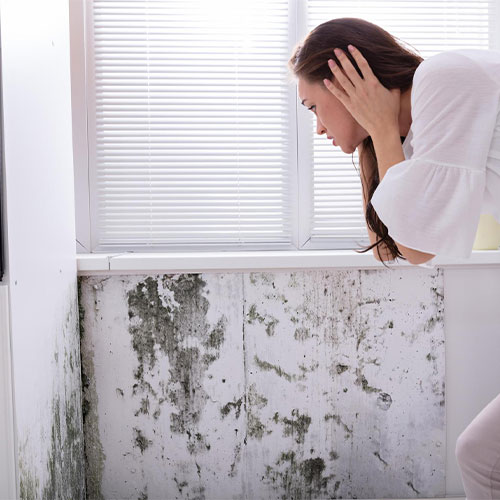
5. Mold Spots—Visible or Not
Mold is more than just unsightly; it’s a health hazard. If you see black, green, or white patches forming on walls, ceilings, or baseboards, you’ve got a moisture problem. Mold can also thrive in hidden areas, so any signs—like a musty smell or increased allergies—should prompt a deeper investigation.
6. Increased Allergies or Respiratory Problems
Sudden respiratory issues or allergy flare-ups in your household could be connected to water damage. Mold spores in the air can trigger reactions, especially in children, the elderly, and those with asthma. If someone in your home is constantly sneezing, coughing, or having trouble breathing indoors, it’s worth considering water damage as a culprit.
7. Higher Than Normal Water Bills
If your water bill has spiked and you can’t account for the extra usage, you may have a hidden leak. Small leaks behind walls or under floors can waste hundreds of gallons of water per month. These kinds of leaks are often associated with long-term damage if not repaired promptly.
8. Cracks in the Foundation or Walls
As water seeps into a home’s structure, it can weaken materials and create visible cracks. While some small cracks are normal as a home settles, wider or expanding ones—especially near windows, doors, or the basement—could indicate a moisture issue affecting your home’s foundation.
9. Soggy or Moldy Insulation
If you ever open a wall for repairs or renovations and discover wet or moldy insulation, you’ve uncovered one of the more hidden signs of water damage in home frameworks. This type of damage is especially dangerous because it often goes unnoticed until major work is required.
10. Rusty Pipes or Fixtures
Rust around water fixtures, pipes, or the water heater might seem minor but can signal moisture buildup or slow leaks. Rust can also contribute to pipe corrosion, leading to future leaks and even bigger problems.
11. Pests and Insects
Insects like termites and cockroaches are attracted to damp, dark places. If you’re seeing an influx of bugs in a particular area of your home, it could be due to hidden water damage creating a moist environment ideal for them.
12. Soft or Spongy Walls and Floors
If your drywall feels soft to the touch or your floors feel bouncy or weak, it could be because water has saturated the material. Over time, this can lead to structural collapse if left unaddressed.
13. Condensation in Unusual Places
Frequent condensation on windows, walls, or pipes—especially in places that don’t typically see moisture—can indicate high humidity and potential water damage. It’s often a sign that the ventilation system isn’t keeping up with the moisture levels in the house.
14. Sagging Ceilings
Ceilings that look bowed, droopy, or even just slightly uneven might be holding water above. This situation can be extremely dangerous, as it might result in a sudden ceiling collapse. Sagging ceilings are an immediate red flag.
15. Outdated or Damaged Roofing
Your roof is your first defense against water intrusion. Missing shingles, cracked flashing, or old materials can allow water to seep in during heavy rain. Regularly inspecting your roof helps prevent leaks that lead to costly repairs.
Water Damage vs. Mold: What Homeowners Should Know
Water damage and mold are closely connected, but they are not the same problem.
Water damage refers to the effects of unwanted water or moisture entering or affecting parts of a home. This can happen because of a burst pipe, plumbing leak, roof problem, appliance failure, flooding, condensation, or other sources of moisture.
Mold is a biological growth problem that can develop when mold spores encounter sufficient moisture. Mold may grow on materials such as drywall, wood, carpet, insulation, wallpaper, and other building contents when conditions are favorable.
This distinction matters because cleaning visible mold without addressing the underlying moisture problem may not solve the issue. The EPA identifies moisture control as the key to controlling indoor mold growth. If the source of moisture remains, mold can return.
The timeline also matters. After a leak or water intrusion, wet or damp materials should be dried as quickly as possible. The EPA recommends drying wet or damp areas within 24–48 hours when possible to help prevent mold growth.
Homeowners should also be cautious about assuming that every dark spot is mold or that every musty odor identifies a specific type of mold. If the source of moisture is hidden, the affected area is extensive, or contaminated water is involved, professional assessment may be appropriate.
In other words, treating the visible symptom is only part of the solution. A proper response should identify the moisture source, assess affected materials, dry the area appropriately, and address any mold or material damage that remains.
Removing visible mold without fixing the moisture source is not a complete solution. According to the EPA, moisture control is the key to controlling indoor mold growth. If the underlying water problem remains, mold can return.
What to Do If You Spot These Signs
If you notice any of the signs of water damage in home areas, don’t delay. Early detection and action are crucial. Start by:
-
Turning off the water source (if applicable).
-
Drying out affected areas as quickly as possible.
-
Documenting damage for insurance purposes.
-
Contacting professionals to assess the extent of the damage.
When Should You Call a Water Damage Restoration Professional?
Not every moisture problem requires the same level of response. A small, isolated issue may be manageable once the source has been identified and the affected area can be safely cleaned and dried. However, some situations require professional assessment.
Consider contacting a water damage restoration professional when:
- The source of the water intrusion is unknown or difficult to locate.
- Water has entered walls, ceilings, flooring, insulation, or other concealed areas.
- The affected area is extensive or continues to remain wet.
- You notice persistent musty odors after a leak or water event.
- Visible mold is spreading or returning after cleaning.
- Porous materials such as drywall, carpet, insulation, or ceiling materials have been significantly affected.
- The water may be contaminated, including water associated with sewage or other unsanitary sources.
- The HVAC system may have been exposed to or contaminated by mold.
- You are concerned about structural damage or the safety of the building.
Professional water damage restoration is not simply about removing standing water. A proper assessment can involve identifying the source, evaluating affected materials, documenting the damage, establishing an appropriate drying strategy, and determining whether additional restoration or remediation work is necessary.
The ANSI/IICRC S500 Standard for Professional Water Damage Restoration outlines procedures and precautions for water damage restoration in residential, commercial, and institutional buildings. It covers areas such as inspection, drying technology, building materials, safety, documentation, structural restoration, HVAC restoration, and contents evaluation.
If water damage has affected your home, acting early can help limit the extent of the damage and prevent a manageable problem from becoming a larger restoration project.
If mold covers more than approximately 10 square feet, if extensive water damage is present, or if contaminated water is involved, the EPA recommends considering professional assistance. HVAC systems suspected of mold contamination also require special caution because operating a contaminated system may spread mold.
Trust Builpire with Your Home’s Restoration
When it comes to dealing with hidden water damage, don’t take chances. Builpire specializes in home restoration and interior design with a focus on water and structural damage repairs. Our expert team can help identify the root cause, stop the spread, and restore your home to better-than-before condition—with style, functionality, and durability.
Whether you’re battling mold, leaks, or structural weakening, Builpire combines restoration excellence with custom remodeling services to give your home a fresh start.
For more ideas and guidance, follow us on Instagram.
Frequently Asked Questions About Water Damage in Homes
What are the first signs of hidden water damage?
Early signs can include musty odors, unexplained stains on walls or ceilings, bubbling or peeling paint, warped flooring, unusual condensation, soft drywall, and persistent moisture. A sudden increase in your water bill may also suggest a hidden plumbing leak. Water damage can exist behind walls, beneath flooring, above ceilings, and in other areas that are not immediately visible. If you notice several of these signs together, it is worth investigating the source of the moisture before the damage becomes more extensive.
Can water damage cause mold even if I cannot see it?
Yes. Mold can grow in concealed areas when moisture remains present. Hidden mold may develop behind drywall or wallpaper, underneath carpets and carpet pads, inside walls around plumbing, in ductwork, and in roof materials. A persistent musty odor or a history of water intrusion can be a reason to investigate areas that are not visible. Because disturbing hidden mold can release mold spores, homeowners should use caution and consider professional assistance when hidden contamination is suspected.
How quickly can mold grow after water damage?
Mold growth depends on moisture, temperature, materials, and other environmental conditions, so there is no single timeline that applies to every situation. However, the EPA recommends drying wet or damp materials within 24–48 hours when possible because prompt drying can help prevent mold growth. After a leak or water intrusion, homeowners should focus on stopping the source of water, removing excess moisture, and thoroughly drying affected materials as quickly as possible.
Should I clean up water damage myself or hire a professional?
It depends on the size, source, and type of damage. A small, isolated issue may sometimes be manageable by a homeowner once the moisture source has been corrected and the affected area can be safely cleaned and dried. However, extensive water damage, contaminated water, hidden moisture, significant mold growth, suspected HVAC contamination, or damage involving difficult-to-dry building materials may require professional assistance. The EPA recommends considering professional help when mold covers more than approximately 10 square feet, when there is extensive water damage, when contaminated water is involved, or when an HVAC system may be contaminated with mold.
What should I do immediately after discovering water damage?
First, stop the source of the water if it is safe and possible to do so. Then remove standing water and begin drying affected areas as quickly as possible. Increase air circulation and use appropriate dehumidification when needed. Avoid disturbing potentially moldy materials unnecessarily, and document the damage with photographs for your records and potential insurance communication. If the water may be contaminated, the damage is extensive, or moisture has entered walls, ceilings, flooring, insulation, or HVAC components, contact a qualified professional for an assessment.