


Drywall Repair After Water Damage
Water damage can leave more than a visible stain on your walls. A leaking pipe, burst supply line, overflowing fixture, or roof leak can allow moisture to move into drywall and surrounding materials, where damage may continue even after the surface appears dry. Because drywall can absorb water, early assessment and proper drying are important steps in preventing further deterioration and reducing the conditions that can support mold growth. The U.S. Environmental Protection Agency (EPA) recommends drying wet or damp materials within 24–48 hours when possible and emphasizes that moisture control is central to preventing indoor mold growth.
For homeowners, the key question is not simply how to cover a water stain. It is whether the affected drywall can be safely dried and repaired or whether the damaged section needs to be removed and replaced. The answer depends on factors such as the extent of moisture exposure, visible swelling or deterioration, the condition of the seams, and the source of the water. EPA guidance notes that drywall may sometimes be dried in place when there is no obvious swelling and the seams remain intact; otherwise, removal and replacement may be necessary.
Professional drywall repair after water damage therefore goes beyond patching, sanding, and repainting. A proper restoration approach begins with identifying the moisture source, assessing the affected area, determining whether materials can be salvaged, and ensuring that the wall assembly is adequately dried before cosmetic repairs are completed. This approach helps homeowners address the underlying problem rather than simply covering its visible symptoms.
Article Summary
- Water-damaged drywall should be evaluated based on the extent of moisture exposure, material condition, water source, and potential contamination.
- The EPA recommends drying wet or damp areas and materials within 24–48 hours to help reduce the risk of mold growth.
- Drywall that is swollen, crumbling, structurally compromised, or contaminated may require removal and replacement rather than cosmetic repair.
- Professional water damage restoration can involve moisture assessment, drying, dehumidification, material removal, repair, and finishing.
- Homeowners insurance coverage depends on the cause of the loss, policy terms, exclusions, and whether the damage resulted from a covered event.
- Addressing the source of water before repairing or repainting drywall is essential for preventing recurring damage.
Transform Your Space with BUILPIRE – Book Your Consultation Today!
Why Drywall is Vulnerable to Water Damage
Drywall is made from gypsum plaster, which is highly absorbent. Even a small amount of water can start a chain reaction that leads to softening, crumbling, and eventual failure of the material. The paper backing on drywall also provides an ideal environment for mold and mildew to grow. That’s why identifying and addressing issues quickly is critical for effective drywall repair after water damage.
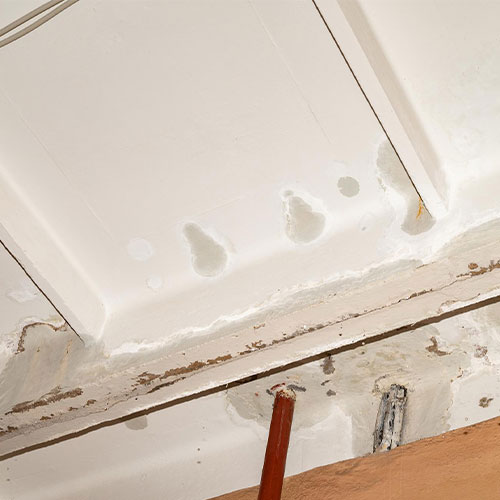
Signs That Indicate You Need Drywall Repair
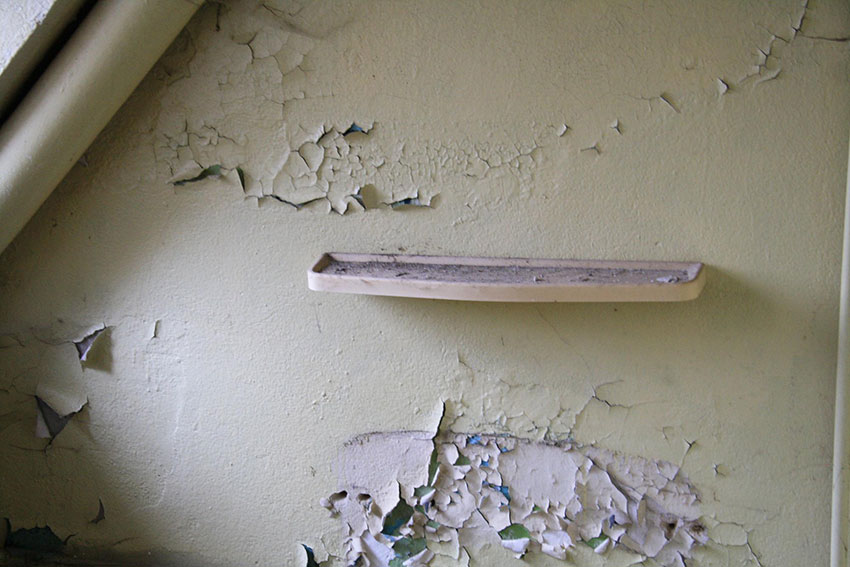
- Bubbling or blistering paint
- Discoloration or staining
- Musty odors
- Warping or sagging walls
- Visible mold or mildew
If you notice any of these symptoms, it’s time to consider professional drywall repair after water damage.
What to Do in the First 24–48 Hours After Water Damage
The first 24 to 48 hours after water enters a home can significantly affect the restoration process. The priority is not simply to make the wall look dry. The source of the water needs to be stopped, affected areas need to be assessed, and wet materials need to be dried as quickly and safely as possible.
The U.S. Environmental Protection Agency recommends drying wet or damp areas and materials within 24–48 hours to help prevent mold growth. This does not mean mold will automatically develop after 48 hours, but faster drying reduces the conditions that allow mold to grow. See the EPA’s guidance on mold, moisture, and water-damaged materials.
Homeowners should first address the source of the water, when it is safe to do so. This may involve shutting off a water supply, addressing a plumbing failure, or stopping another active source of moisture. After that, standing water and visible moisture should be addressed, while electrical and structural hazards should be considered before entering or working in an affected area.
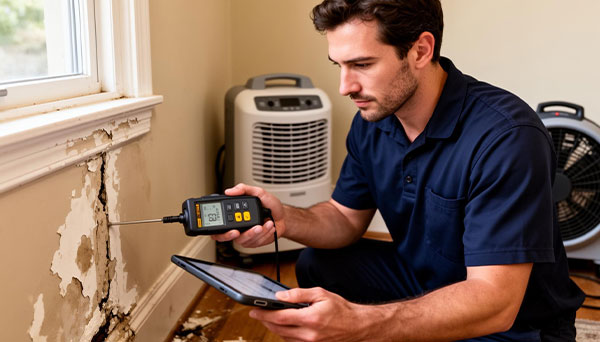
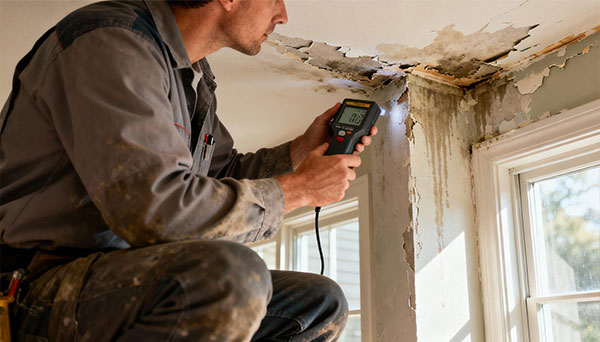
Professional restoration teams may use moisture meters, air movement equipment, and dehumidification to evaluate and accelerate drying. The ANSI/IICRC S500 Standard for Professional Water Damage Restoration covers inspection, drying technology, equipment, safety, structural restoration, and related procedures used in professional water damage restoration. Learn more about the IICRC S500 Standard.
The goal during this stage is to control moisture before cosmetic repairs begin. Painting, patching, or installing new drywall before the underlying moisture problem has been resolved can leave hidden damage inside the wall assembly and may result in repeated repairs.
Do not rely on surface appearance alone when evaluating water-damaged drywall. Moisture can remain inside wall assemblies even after visible surfaces appear dry. Using appropriate moisture assessment methods can help determine whether the area is ready for repair or whether additional drying is required.
Official source: U.S. EPA — Mold Remediation in Schools and Commercial Buildings
The Process of Professional Drywall Repair
- Inspection and Assessment: Professionals use moisture meters and infrared cameras to locate the extent of water damage.
- Drying and Dehumidifying: Industrial-grade fans and dehumidifiers ensure the area is thoroughly dried.
- Mold Remediation (if necessary): Special antimicrobial treatments are used to eliminate and prevent mold growth.
- Removal of Damaged Sections: Affected drywall is carefully removed to avoid spreading spores or debris.
- Installation and Finishing: New drywall is installed, taped, mudded, and sanded to match the existing wall perfectly.
- Painting and Texture Matching: Ensures seamless integration with the surrounding walls.
Drywall repair should not be treated as the first step if the source of water intrusion is still active. The underlying leak or moisture source must be identified and corrected before the wall is permanently repaired. Otherwise, new drywall, paint, and finishing work can be exposed to the same moisture problem again.
Official source: ANSI/IICRC S500 — Standard for Professional Water Damage Restoration
When Should Water-Damaged Drywall Be Repaired or Replaced?
Not every water-damaged drywall panel needs to be replaced. The right decision depends on how much water the material absorbed, how long it remained wet, whether the drywall has changed structurally, and whether mold contamination is present. A professional assessment should look beyond visible stains and evaluate the condition of the material and the surrounding wall assembly.
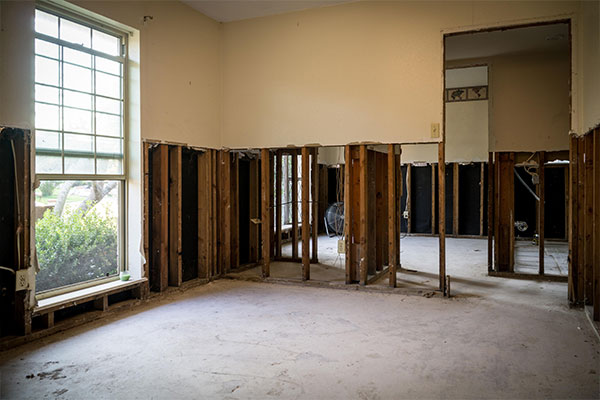
Minor surface staining or limited damage may sometimes be addressed with localized repair after the moisture source has been corrected and the affected area has been properly dried. However, drywall that has become soft, swollen, crumbling, delaminated, or otherwise structurally compromised may require removal and replacement rather than cosmetic patching.
The EPA identifies drywall and gypsum board as porous materials that can be difficult to fully clean when contaminated by mold or prolonged moisture. Its guidance notes that porous materials that cannot be adequately dried and cleaned may need to be removed and replaced. Read the EPA’s guidance on mold remediation and water-damaged materials.
The source of the water also matters. A clean-water plumbing leak is different from sewage backup, flooding, or other contaminated water. Contaminated water can introduce additional health and cleanup concerns and may require specialized restoration procedures.
For homeowners, the practical rule is simple: do not judge the condition of drywall by appearance alone. A wall may look acceptable on the surface while moisture remains inside the assembly. Proper moisture assessment can help determine whether targeted repair is appropriate or whether removing damaged material is the safer long-term solution.
Drywall is a porous material, so prolonged moisture exposure can make complete cleaning and drying more difficult. If porous building materials cannot be adequately dried and cleaned, removal and replacement may be more appropriate than attempting a cosmetic repair.
DIY vs. Professional Services
While it might be tempting to handle repairs yourself, the risk of missing hidden moisture or mold is high. Professionals ensure the job is done right the first time, saving you time, money, and stress in the long run. When considering drywall repair after water damage, always weigh the benefits of hiring experienced technicians.
Preventive Measures
- Install water alarms near water sources.
- Regularly inspect plumbing systems.
- Use mold-resistant drywall in vulnerable areas like basements and bathrooms.
- Ensure proper ventilation throughout the home.
By taking these precautions, you can reduce the likelihood of needing future drywall repair after water damage.
Cost of Drywall Repair After Water Damage
Costs vary depending on the extent of the damage, the size of the affected area, and whether mold remediation is needed. On average, homeowners can expect to pay between $300 to $800 for minor repairs and up to several thousand dollars for major restoration projects. Getting a professional quote is the best way to understand the true cost of drywall repair after water damage.
Does Homeowners Insurance Cover Water-Damaged Drywall?
Whether homeowners insurance covers water-damaged drywall depends on the cause of the damage, the policy terms, exclusions, and the circumstances surrounding the loss. Homeowners should avoid assuming that every type of water damage is automatically covered.
In general, homeowners policies may provide coverage for certain sudden and accidental water losses, such as damage resulting from a burst pipe. However, coverage can differ when the damage results from flooding, long-term leakage, maintenance issues, or excluded causes. The National Association of Insurance Commissioners notes that homeowners policies vary in their covered perils and exclusions, and separate flood insurance may be required for flood-related losses. Review the NAIC guidance on homeowners insurance.
Documentation can also matter when filing a claim. Homeowners should photograph visible damage, keep records of repair-related expenses, document the source of the water when possible, and notify the insurance company according to the requirements of the policy. The NAIC recommends understanding the policy and reporting claims promptly when appropriate. See the NAIC guide to filing a homeowners insurance claim.
Because insurance coverage is policy-specific, a contractor can document the physical damage and scope of repair, but the insurer ultimately determines whether a particular loss is covered under the policy. Homeowners should review their policy or speak directly with their insurance professional before assuming that drywall replacement or mold remediation will be reimbursed.
Choosing the Right Company
When selecting a contractor, look for:
- Licensed and insured professionals
- Positive customer reviews
- Transparent pricing
- Fast response times
- Experience with insurance claims
Choosing the right team ensures high-quality results and peace of mind.
Why Timely Repair is Essential
Delaying drywall repair after water damage can lead to:
- Health risks due to mold and mildew
- Increased structural damage
- Higher repair costs
- Lower property value
Prompt action not only prevents these issues but also restores your home’s safety and aesthetics quickly.
Final Thoughts
Water damage is a stressful experience, but it doesn’t have to be a lasting one. With professional help, drywall repair after water damage can be completed efficiently and effectively, restoring your home to its pre-damage condition. Whether it’s a small patch or an entire wall, acting swiftly makes all the difference.
About Builpire
At Builpire, we specialize in restoring homes with expert drywall repair after water damage. Our skilled team handles every aspect of the repair and remodeling process, from inspection to finishing touches. In addition to repair services, we offer custom interior design and full-scale home renovation solutions. With Builpire, you’re not just fixing walls—you’re reclaiming comfort, safety, and beauty in your living space.
For more ideas and guidance, follow us on Instagram.
Frequently Asked Questions About Water-Damaged Drywall
How do I know if water-damaged drywall needs to be replaced?
Replacement may be necessary when drywall is severely swollen, soft, crumbling, structurally compromised, or affected by contamination that cannot be adequately cleaned and dried. Minor damage may sometimes be repaired after the moisture source has been corrected and the material has been properly assessed. Because visible damage does not always reveal hidden moisture, a professional inspection can help determine the appropriate repair method.
Can wet drywall be saved if it dries within 24 to 48 hours?
Sometimes, but drying time alone does not guarantee that drywall can be preserved. The condition of the material, the amount of water absorbed, the source of the water, and whether contamination or mold is present all matter. The EPA recommends drying wet materials within 24–48 hours to help prevent mold growth, while noting that this timeframe is a guideline rather than a guarantee that mold will or will not develop.
Should I paint over a water stain on drywall?
Painting over a water stain without addressing the source of the moisture can conceal the visible problem without resolving the underlying damage. The water source should first be corrected and the affected area assessed and dried. If the drywall is damaged or contaminated, repair or replacement may be necessary before priming and repainting.
Does homeowners insurance cover drywall damage from a leaking pipe?
Coverage depends on the specific homeowners policy and the cause of the water damage. Sudden and accidental plumbing losses may be covered under many policies, while flood damage, long-term leakage, maintenance-related damage, or certain exclusions may be treated differently. Homeowners should review their policy and contact their insurance professional before assuming a repair is covered.
What should I look for when hiring a water-damage drywall repair contractor?
Look for a contractor who can identify the moisture source, assess the extent of damage, explain whether repair or replacement is appropriate, document the work, and coordinate the drying and finishing process. It is also useful to ask how moisture levels will be evaluated before the wall is closed and whether the company has experience working with water-damage restoration and insurance documentation.