


Fast Emergency Water Damage Repair Near You
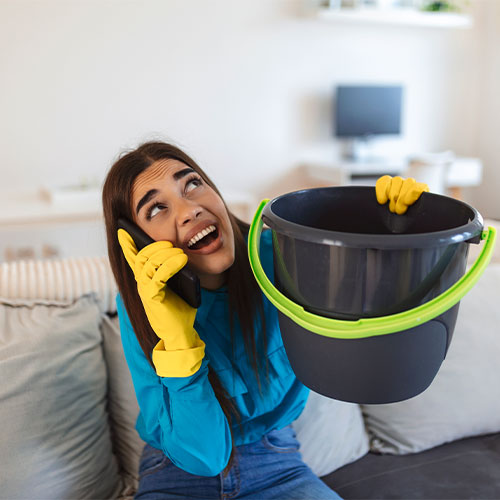
When a burst pipe, flooded basement, appliance leak, or severe storm causes water damage, knowing what to do next can make a significant difference. Emergency water damage repair is not simply about removing standing water—it involves identifying the source, assessing how far the moisture has spread, and starting the drying process before hidden damage becomes a larger problem. For homeowners, getting the right response quickly can help protect the property, limit further damage, and make the restoration process more manageable.
Article Summary
- Fast action after a water emergency can help limit additional property damage and reduce the risk of moisture-related problems.
- Water damage is not always visible, so professional inspection may be necessary to identify moisture behind walls, beneath flooring, or inside other materials.
- Proper restoration involves more than water extraction and may include inspection, drying, dehumidification, cleaning, documentation, and structural restoration.
- Homeowners should prioritize safety, document the damage, and address the source of the water before beginning cleanup or repairs.
- Water damage restoration and remodeling are different stages of the recovery process and may require different expertise.
Transform Your Space with BUILPIRE – Book Your Consultation Today!
Why Fast Emergency Water Damage Repair Is Critical ?
Speed is everything when it comes to water damage. Within the first 24 to 48 hours, damp surfaces can become breeding grounds for mold and mildew. This not only affects the integrity of your home but also poses serious health risks. A quick and decisive emergency water damage repair can stop mold before it starts and preserve your belongings.
In many cases, insurance companies require prompt action to validate claims. Waiting too long could not only worsen the damage but also reduce the chances of receiving compensation. A certified emergency water damage repair service will also help document the damage, providing photos and detailed reports that can support your claim.
Signs You Need Emergency Water Damage Repair Immediately
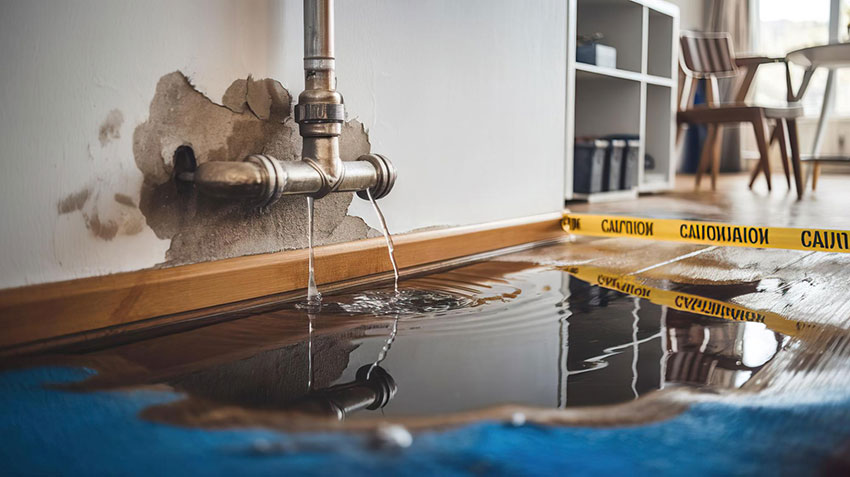
- Water pooling on floors or in basements
- Sudden musty or damp odors
- Sagging ceilings or bubbling paint
- Unexplained spikes in water bills
- Mold spots appearing on walls or ceilings
If you notice any of these signs, do not wait. Contact a local emergency water damage repair service right away.
Do not judge drying by appearance alone. The EPA recommends drying water-damaged areas and items within 24 to 48 hours when possible because moisture left in materials can create conditions that support mold growth. A professional assessment can help determine whether moisture remains in areas that are not visible.
Official source: U.S. EPA – A Brief Guide to Mold, Moisture and Your Home
When Water Damage Goes Beyond What You Can See
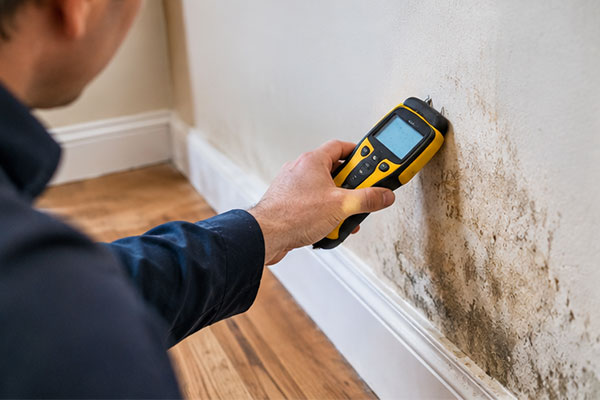
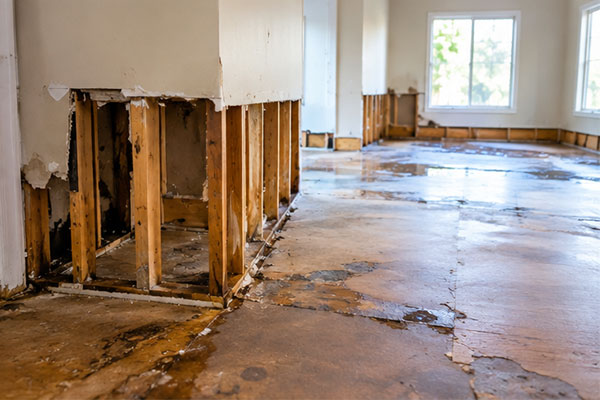
Not all water damage is visible. Water can migrate behind drywall, beneath flooring, inside cabinets, and into other concealed areas long after standing water has been removed. A room may look dry on the surface while moisture remains trapped inside building materials.
This is why a professional assessment should go beyond simply checking for visible puddles or damp spots. Moisture meters and other inspection tools can help identify areas that still require drying, especially around walls, flooring, baseboards, and other materials that can absorb or retain moisture.
Hidden moisture matters because leaving affected materials damp can increase the likelihood of mold growth and additional material damage. The EPA recommends drying water-damaged areas and items within 24 to 48 hours when possible to help prevent mold growth. EPA: A Brief Guide to Mold, Moisture and Your Home
For homeowners, the key question is not simply whether the floor looks dry. It is whether the affected materials have been adequately dried and whether the original source of moisture has been identified and corrected.
The Step-by-Step Process of Emergency Water Damage Repair
- Initial Assessment and Inspection Professionals will first evaluate the extent of the damage and identify the water source. Whether it’s clean, gray, or black water affects the approach.
- Water Extraction Using industrial vacuums and pumps, all standing water is removed from affected areas.
- Drying and Dehumidification After extraction, drying equipment such as air movers and dehumidifiers are installed to eliminate moisture from walls, floors, and furniture.
- Cleaning and Sanitizing Contaminated areas are disinfected to prevent bacterial growth. Items like carpets, curtains, and upholstery may also be deep-cleaned or replaced.
- Restoration The final stage involves repairing or replacing damaged drywall, flooring, and other structural elements. Some companies also offer full remodeling services to restore your space.
A professional water damage restoration process should involve more than removing standing water. The ANSI/IICRC S500 Standard addresses inspection, drying technology, equipment, structural restoration, contents evaluation, and project documentation. Asking a restoration company how it evaluates and documents the drying process can help homeowners understand the scope of the work.
Official source: IICRC – ANSI/IICRC S500 Standard for Professional Water Damage Restoration
What Homeowners Should Do Before a Water Damage Restoration Team Arrives
The first priority after a water emergency is safety. If water has reached electrical outlets, appliances, electrical panels, or other potentially hazardous areas, avoid contact with the water and wait for qualified professionals to determine whether the area is safe.
If it can be done safely, stop the source of the water. This may mean shutting off the main water supply or turning off a leaking appliance. However, homeowners should not attempt repairs that could expose them to electrical, structural, sewage, or other hazards.
Document the damage before cleanup begins. Take clear photos and videos of affected rooms, flooring, walls, ceilings, furniture, and personal belongings. Keeping a record of the condition of the property can also help when communicating with your insurance company.
Move valuable items away from the affected area when it is safe to do so, but avoid walking through contaminated floodwater or entering areas where structural or electrical hazards may exist. The CDC recommends prioritizing safety and using appropriate protective measures during flood and water-damage cleanup. CDC: Guidelines for Cleaning Safely After a Disaster
What to Look for in an Emergency Water Damage Repair Company
- 24/7 Availability: Water damage doesn’t wait, and neither should you.
- Certified Technicians: Ensure the company is IICRC-certified for water damage restoration.
- Insurance Support: A good service helps you with the insurance claim process.
- Advanced Equipment: Industrial-grade machines are key for effective repair.
- Local Reputation: Look at online reviews and ask neighbors for recommendations.
Preventative Tips to Avoid Future Water Damage
- Regularly inspect plumbing and appliances
- Clean gutters and downspouts
- Install a sump pump with battery backup
- Seal cracks in your foundation
- Know how to shut off your water main
Being proactive can save you from needing another emergency water damage repair down the line.
Fixing the visible leak is only part of preventing future problems. Moisture control is the foundation of mold prevention. Check plumbing, roof and foundation areas, gutters, drainage, and indoor humidity sources so that the condition that caused the water damage does not continue after the restoration work is complete.
Water Damage Restoration vs. Remodeling: Understanding the Difference
Water damage restoration and home remodeling are related, but they are not the same service. Restoration focuses first on making the property safe, removing affected water and materials, controlling moisture, and returning the damaged areas to a stable condition.
Remodeling generally comes later when damaged finishes or components need to be repaired, replaced, or redesigned. Depending on the severity of the loss, this may include drywall replacement, flooring, cabinetry, painting, trim, or updates to kitchens and bathrooms.
The distinction is important because cosmetic repairs should not replace proper drying and moisture control. The ANSI/IICRC S500 Standard for Professional Water Damage Restoration covers procedures and precautions for water damage restoration, including inspection, drying technology, equipment, structural restoration, contents evaluation, and project documentation. IICRC: ANSI/IICRC S500 Standard for Professional Water Damage Restoration
For homeowners, the goal should be to address the water problem first and then determine whether restoration alone is sufficient or whether additional remodeling is needed to fully restore the space.
The Role of Builpire in Full-Service Restoration
Once the immediate repair is complete, the road to a fully restored home often requires a design and remodeling expert. That’s where Builpire comes in. Specializing in interior restoration and home redesign, Builpire helps homeowners not only recover from water damage but also reimagine their spaces. Whether it’s a modern kitchen, a luxurious bathroom, or a cozy living room, Builpire turns disasters into design opportunities.
With a team of experienced contractors and designers, Builpire ensures your home not only returns to its original condition but improves in function and style. Partnering with Builpire after your emergency water damage repair service means investing in a home that’s more beautiful, comfortable, and resilient than ever.
For more ideas and guidance, follow us on Instagram.
Frequently Asked Questions About Emergency Water Damage Repair
How do I know if water damage requires professional restoration?
Professional restoration may be appropriate when water has affected multiple areas, entered walls or flooring, remained for an extended period, involved contaminated water, or cannot be completely dried with household equipment. Hidden moisture can remain even when visible water has been removed, so a professional assessment can help determine the actual extent of the damage.
Can water damage cause mold even if the area looks dry?
Yes. A surface can appear dry while moisture remains inside drywall, flooring, insulation, cabinets, or other porous materials. The EPA recommends drying water-damaged areas and items within 24 to 48 hours when possible to help prevent mold growth. If moisture remains trapped, additional inspection and drying may be necessary.
What should I document before water damage cleanup begins?
Take clear photos and videos of affected rooms, walls, ceilings, floors, furniture, appliances, and personal belongings before moving or discarding damaged items whenever it is safe to do so. Keep records of the damage and restoration work, and contact your insurance company to understand its documentation requirements.
Is water damage restoration the same as remodeling?
No. Restoration focuses on addressing the water intrusion, removing affected water and materials, drying the property, and stabilizing the damaged areas. Remodeling generally involves repairing, replacing, or redesigning finishes and spaces after the property has been properly restored. In some projects, both services may be needed.
What should I ask a water damage restoration company before hiring them?
Ask how the company will identify the source of the water, assess affected areas, document the project, remove standing water, dry structural materials, and verify that drying is complete. It is also useful to ask about technician qualifications, equipment, project documentation, and how the company handles situations involving contaminated water or hidden moisture.