





Best Flooring Options for Homes: Finding the Perfect Choice for Your Space
Choosing the best flooring options for homes is about much more than appearance. The right flooring improves comfort, enhances durability, increases property value, and supports your family’s lifestyle for years to come. Whether you’re renovating a single room or planning a complete home remodel, selecting the ideal flooring requires balancing aesthetics, performance, maintenance, and budget. From timeless hardwood and durable porcelain tile to waterproof luxury vinyl and cost-effective laminate, today’s flooring solutions offer exceptional versatility for every space and every homeowner.
Each room in your home has unique requirements. Kitchens and bathrooms demand moisture-resistant materials, while bedrooms benefit from warmth and comfort. High-traffic areas require scratch-resistant surfaces that can withstand everyday wear without sacrificing style. Understanding these differences helps homeowners invest in flooring that not only looks beautiful but also delivers lasting performance.
In this guide, we’ll compare the best flooring options for homes based on durability, maintenance, cost, water resistance, resale value, and ideal room placement. You’ll also discover expert recommendations, common installation mistakes to avoid, and practical tips that make choosing the perfect flooring easier than ever.
Key Takeaways: Choosing the Best Flooring for Your Home
- Select flooring based on each room’s moisture level, traffic, and daily use.
- Luxury Vinyl Plank is one of the best all-around solutions for durability and water resistance.
- Hardwood remains the top choice for increasing long-term home value.
- Porcelain tile performs exceptionally well in bathrooms, kitchens, and wet areas.
- Proper installation is just as important as choosing premium materials.
- Consider climate, maintenance requirements, and indoor air quality certifications before purchasing.
- Working with experienced flooring professionals helps maximize product lifespan and warranty protection.
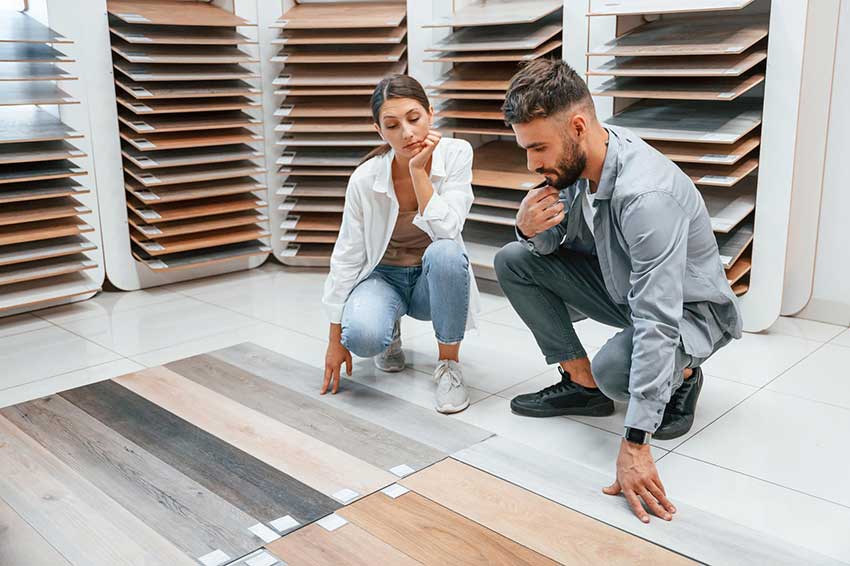
Many people seek best flooring options for homes that are pet-friendly, eco-friendly, or budget-conscious. With advancements in flooring technology, you can now find materials that mimic the look of natural wood or stone while being highly durable and easy to maintain. Exploring the best flooring options for homes ensures that your investment is long-lasting and aligns with your lifestyle.
Whether you need a warm, cozy carpet for your bedroom or a sleek, water-resistant tile for your kitchen, the best flooring options for homes cater to all preferences. With numerous options available, selecting the best flooring options for homes can be overwhelming. However, understanding their features and benefits can simplify your choice.
This guide will explore the best flooring options for homes, highlighting their advantages and drawbacks to help you choose the right one. With insights into cost, maintenance, durability, and style, you’ll be equipped to make a well-informed decision. Let’s dive into the best flooring options for homes and find the perfect match for your space.
Transform Your Space with BUILPIRE – Book Your Consultation Today!
Hardwood Flooring
Hardwood flooring remains one of the most popular choices due to its timeless beauty and durability. It adds warmth and elegance to any home while increasing property value.
Pros:
- Long-lasting and durable
- Adds resale value to homes
- Available in various wood types and finishes
Cons:
- Expensive compared to other flooring options
- Requires regular maintenance and refinishing
- Susceptible to scratches and moisture damage
Best Rooms for Hardwood Flooring
Hardwood works best in living rooms, dining rooms, and bedrooms. However, it is not recommended for high-moisture areas such as bathrooms and basements unless treated with special finishes.
Laminate Flooring
Laminate flooring is an affordable alternative to hardwood, offering a similar aesthetic at a lower cost.
Pros:
- Budget-friendly and easy to install
- Scratch and moisture-resistant
- Wide variety of styles and designs
Cons:
- Cannot be refinished
- May not increase home value like hardwood
- Can be slippery if not textured properly
Maintain indoor relative humidity between 35% and 55% to minimize expansion, contraction, and seasonal gaps in hardwood flooring. Stable indoor humidity significantly extends the lifespan and appearance of wood floors.
Best Rooms for Laminate Flooring
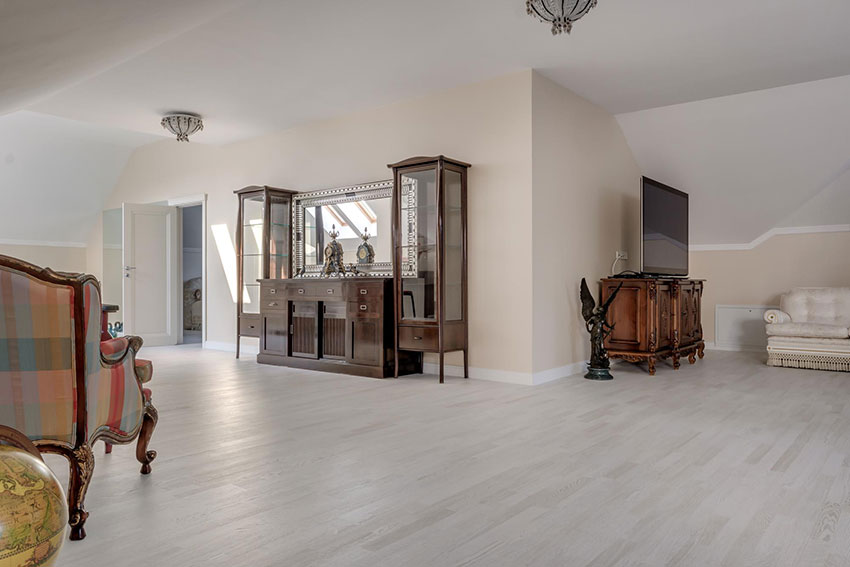
Laminate flooring is ideal for high-traffic areas like hallways and living rooms. It is also suitable for households with pets and children due to its durability.
Vinyl Flooring
Vinyl flooring is an excellent choice for high-traffic areas and households with pets or children.
Pros:
- Water-resistant and durable
- Easy to clean and maintain
- Cost-effective with a wide range of designs
Cons:
- Not as environmentally friendly as natural materials
- Can dent or tear under heavy furniture
- Some styles may look less natural than wood or stone
Before installing resilient flooring such as luxury vinyl, always verify that the subfloor meets the manufacturer’s moisture requirements. Excess moisture is one of the leading causes of installation failure and warranty claims.
Source: Floor Covering Installation Contractors Association (FCICA)
Best Rooms for Vinyl Flooring
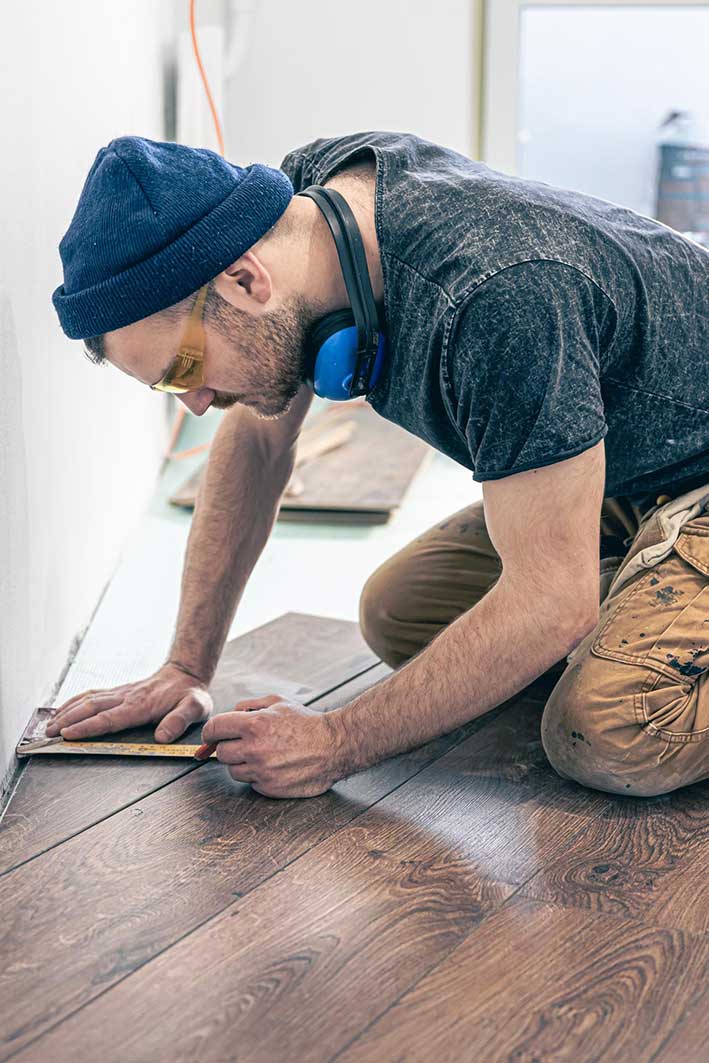
Vinyl flooring is perfect for kitchens, bathrooms, and basements due to its waterproof properties. It is also a great option for rental properties because of its low maintenance.
Tile Flooring
Tile flooring is a versatile and stylish option, commonly used in kitchens, bathrooms, and high-moisture areas.
Pros:
- Highly durable and water-resistant
- Available in various materials like ceramic, porcelain, and stone
- Easy to clean and maintain
Cons:
- Can be cold underfoot
- Installation can be complex and costly
- Grout requires regular cleaning to prevent staining
Best Rooms for Tile Flooring
Tile flooring is ideal for bathrooms, kitchens, and entryways. It is also popular in outdoor spaces such as patios and balconies.
Carpet Flooring
Carpet is ideal for bedrooms and living rooms, providing warmth and comfort underfoot.
Pros:
- Soft and comfortable
- Reduces noise levels
- Wide range of colors and textures
Cons:
- Prone to stains and dirt accumulation
- Requires frequent vacuuming and deep cleaning
- Not suitable for high-moisture areas
Best Rooms for Carpet Flooring
Carpet is best suited for bedrooms, living rooms, and playrooms, where comfort and noise reduction are priorities.

Choosing the Best Flooring for Your Home
Selecting the right flooring depends on your specific needs, budget, and aesthetic preferences. Consider factors like:
- Lifestyle: Do you have pets, kids, or high foot traffic?
- Budget: Are you looking for an affordable option or a long-term investment?
- Maintenance: How much time are you willing to dedicate to upkeep?
- Climate: Does your home experience extreme temperature or humidity changes?
How Climate Affects Your Flooring Choice
The local climate plays a significant role in determining which flooring material will perform best over time. Homes located in humid regions require flooring that resists moisture, while dry climates can be more forgiving for natural wood products. Ignoring climate conditions often leads to premature wear, warping, mold growth, or expensive repairs.
Luxury Vinyl Plank (LVP), porcelain tile, and engineered hardwood are among the most reliable flooring materials for areas with fluctuating humidity levels. Engineered hardwood is specifically designed with multiple layers that improve dimensional stability compared to solid hardwood, making it a better choice for many modern homes.
In colder regions, homeowners often prioritize flooring that retains warmth and feels comfortable underfoot. Hardwood, cork, and carpet naturally provide better insulation than ceramic tile or polished concrete. Adding radiant floor heating beneath porcelain tile can also improve comfort without sacrificing durability.
Before selecting any flooring material, consider your home’s temperature variations, moisture exposure, and indoor humidity levels. Choosing a flooring system designed for your environment will extend its lifespan and reduce long-term maintenance costs.
When selecting flooring, consider the product’s indoor air quality certifications. Materials certified for low VOC emissions contribute to healthier indoor environments while meeting modern sustainability standards.
Why Choose Builpire for Your Flooring Needs?
At Builpire, we specialize in home renovation and interior design, providing expert guidance on selecting the perfect flooring. Whether you prefer classic hardwood, modern vinyl, or elegant tiles, Builpire ensures top-quality materials and professional installation to enhance your home’s beauty and functionality.
Flooring Installation Mistakes That Can Cost You Thousands
Even the highest-quality flooring can fail if it is installed incorrectly. Professional installation is just as important as choosing premium materials because poor workmanship often leads to uneven surfaces, squeaking floors, moisture damage, and shortened product lifespan.
One of the most common mistakes is skipping proper subfloor preparation. An uneven or damp subfloor can cause hardwood to warp, laminate joints to separate, and vinyl planks to shift over time. Moisture testing before installation is essential, especially for concrete slabs and basements.
Another frequent issue is failing to leave proper expansion gaps around floating floors. Materials such as laminate and engineered hardwood naturally expand and contract with seasonal humidity changes. Without adequate spacing, flooring may buckle or develop visible gaps.
Hiring experienced flooring professionals ensures manufacturer guidelines are followed, warranties remain valid, and your investment delivers long-term performance.
Eco-Friendly Flooring Options for Sustainable Homes
Sustainability has become a major consideration for modern homeowners. Many flooring manufacturers now produce environmentally responsible materials that reduce environmental impact without sacrificing durability or style.
Bamboo flooring is one of the fastest renewable flooring materials available because bamboo reaches maturity much faster than traditional hardwood trees. Cork flooring is another sustainable choice, harvested without cutting down the tree while providing excellent insulation and comfort.
Many luxury vinyl and engineered wood manufacturers now offer products certified for low VOC emissions, improving indoor air quality. Choosing flooring with certifications such as FloorScore® or GREENGUARD Gold helps create a healthier indoor environment for families.
When planning a renovation, ask your contractor about recycled-content flooring, responsibly sourced wood, and certified low-emission products to make your project more environmentally friendly while increasing long-term value.
For more ideas and guidance, follow us on Instagram.
Frequently Asked Questions
What is the best flooring for high-traffic areas?
For busy households, Luxury Vinyl Plank (LVP), porcelain tile, and engineered hardwood are among the best choices. These materials offer excellent durability, resist scratches and everyday wear, and require minimal maintenance. If you have children or pets, waterproof luxury vinyl flooring is often the most practical long-term investment.
Which flooring adds the most value to a home?
Hardwood flooring consistently ranks among the most valuable flooring upgrades because of its timeless appearance and long lifespan. Engineered hardwood also provides excellent resale value while offering better stability in areas with changing humidity levels. The right flooring can significantly improve both buyer appeal and property value.
Is waterproof flooring worth the investment?
Yes. Waterproof flooring is an excellent investment for kitchens, bathrooms, laundry rooms, basements, and homes with pets or young children. Luxury Vinyl Plank (LVP) and porcelain tile help prevent costly water damage while maintaining an attractive appearance for years.
How long does residential flooring typically last?
The lifespan depends on the material and maintenance. Hardwood flooring can last more than 50 years with refinishing, porcelain tile often exceeds 75 years, engineered hardwood typically lasts 25–40 years, luxury vinyl flooring generally lasts 15–25 years, while laminate flooring commonly lasts between 15 and 30 years under normal residential use.
Should I replace all flooring at once or renovate room by room?
Replacing flooring throughout the entire home creates a more cohesive appearance and may reduce overall installation costs. However, room-by-room renovation is a practical option for homeowners working within a limited budget. The decision should be based on your renovation goals, timeline, and financial plan.