
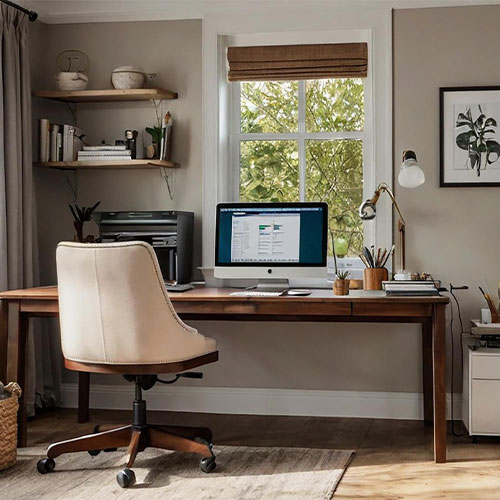
Best Home Office Design Ideas: Creating the Perfect Workspace
Creating a functional and inspiring home office is essential for staying productive, focused, and comfortable while working from home. Whether you’re a full-time remote professional, freelancer, or entrepreneur, the right workspace can improve efficiency, reduce stress, and support your overall well-being. From ergonomic furniture and smart storage solutions to lighting, technology, and personalized décor, every design choice contributes to a workspace that enhances both performance and comfort. In this guide, you’ll discover practical home office design ideas that combine style, functionality, and long-term usability.
Key Takeaways: Best Home Office Design Ideas
- Choose a quiet location with plenty of natural light to improve focus and productivity.
- Invest in ergonomic furniture that supports proper posture and long-term comfort.
- Combine ambient, task, and natural lighting to reduce eye strain.
- Keep your workspace organized with smart storage and effective cable management.
- Add plants, artwork, and calming colors to create an inspiring work environment.
- Incorporate smart technology and flexible furniture to future-proof your home office.
- Optimize your workspace for virtual meetings with proper lighting and a professional background.
- Design a workspace that balances aesthetics, functionality, and overall well-being.
Transform Your Space with BUILPIRE – Book Your Consultation Today!
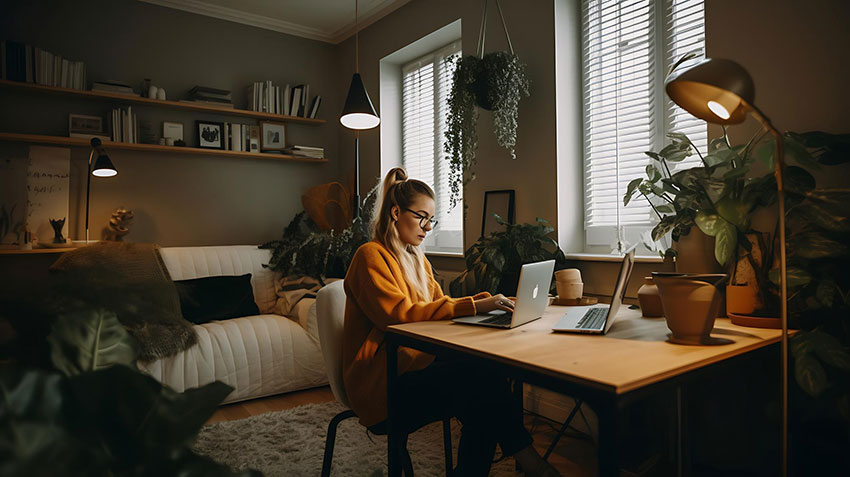
Key Elements of a Functional Home Office
Choosing the Right Location
The first step in designing a home office is selecting an ideal location. A dedicated space away from high-traffic areas ensures minimal distractions and promotes concentration. Natural light is a significant factor in improving mood and productivity, so positioning your desk near a window is advisable.
Ergonomic Furniture for Comfort
Investing in ergonomic furniture is essential for maintaining good posture and preventing discomfort. A high-quality chair with lumbar support and an adjustable desk can make a significant difference. Additionally, a spacious desk surface allows for better organization and efficiency.
Alternate between sitting and standing throughout the workday whenever possible. Even the most ergonomic chair cannot eliminate the health risks of prolonged sitting. Regular posture changes help reduce fatigue, improve circulation, and support long-term musculoskeletal health.
Designing a Home Office That Supports Long-Term Health and Productivity
Creating a productive home office goes beyond choosing stylish furniture. The way your workspace is designed can directly affect your posture, energy levels, and overall well-being. An office that encourages movement, proper ergonomics, and visual comfort helps reduce fatigue and supports consistent productivity throughout the day.
Start by positioning your monitor at eye level and approximately an arm’s length away to minimize neck strain and eye fatigue. Your keyboard and mouse should allow your elbows to remain close to your body at roughly a 90-degree angle. If possible, alternate between sitting and standing during the day with an adjustable desk to reduce the health risks associated with prolonged sitting.
Lighting also plays a critical role. Maximize natural daylight whenever possible while minimizing glare on computer screens. Layered lighting—combining ambient, task, and accent lighting—creates a comfortable environment that adapts to different tasks and times of day.
Finally, incorporate small movement opportunities into your workspace. A footrest, standing mat, or nearby open area for stretching can improve circulation and help maintain focus during extended work sessions.
Optimal Lighting for Productivity
Lighting plays a crucial role in workspace design. A combination of natural light, overhead lighting, and task lighting helps create a well-balanced environment. Warm LED lights reduce eye strain and create a comfortable ambiance for working long hours.
Storage and Organization Solutions
Clutter can negatively affect productivity. Incorporating shelves, filing cabinets, and storage boxes can keep essential items organized and within reach. Wall-mounted organizers and floating shelves are excellent space-saving options.
Personalization and Aesthetics
Adding personal touches, such as artwork, indoor plants, or decorative elements, enhances the appeal of your workspace. Choosing a color scheme that promotes focus and relaxation, such as soft blues or neutral tones, can create a calming effect.
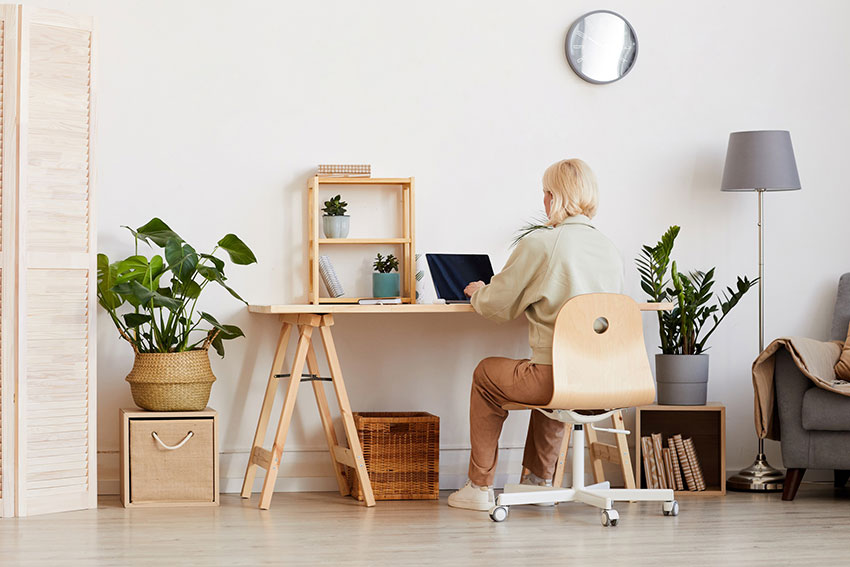
Technology Integration and Cable Management
A well-designed home office should include efficient cable management solutions. Using cable organizers, wireless devices, and hidden power strips can help maintain a clean and organized workspace.
Soundproofing and Noise Control
For those who work in a noisy environment, soundproofing techniques like acoustic panels, noise-canceling headphones, or thick rugs can minimize distractions and create a quieter workspace.
Position your primary monitor perpendicular to windows instead of directly facing or backing them. This significantly reduces glare while maintaining comfortable natural lighting throughout the workday.
Choosing the Right Background for Video Meetings
With remote work becoming the norm, your home office should be optimized not only for productivity but also for virtual communication. Whether attending client meetings or collaborating with colleagues, your background influences how professional and organized you appear.
A clean, uncluttered background with neutral colors creates a polished impression during video calls. Position your camera at eye level and avoid placing bright windows directly behind you, as backlighting can reduce image quality. Instead, place a soft light source in front of you or slightly to the side for balanced illumination.
Acoustic quality is equally important. Soft furnishings such as rugs, curtains, or upholstered furniture help absorb echo and improve audio clarity. If privacy is limited, consider decorative room dividers or acoustic panels that blend seamlessly with your interior design.
A thoughtfully designed video conferencing space enhances credibility while making online communication more comfortable for everyone involved.
Green Elements for a Refreshing Ambiance
Incorporating plants into your workspace can improve air quality and enhance the aesthetic appeal. Some of the best plants for a home office include succulents, snake plants, and peace lilies. Greenery adds a refreshing touch and contributes to a more relaxing work environment.
Select furniture certified for low chemical emissions whenever possible. Products with recognized indoor air quality certifications help create a healthier workspace, especially in enclosed home offices.
Multi-Functional Workspaces
If your home office serves multiple purposes, such as a study area or creative studio, designing a versatile workspace is essential. Foldable furniture, modular storage, and movable partitions can help create a flexible and efficient work environment.
Smart Home Office Technology
Smart devices, such as voice-controlled assistants, wireless charging stations, and automated lighting, can enhance convenience and productivity. Investing in smart home office technology ensures that your workspace is both modern and efficient.
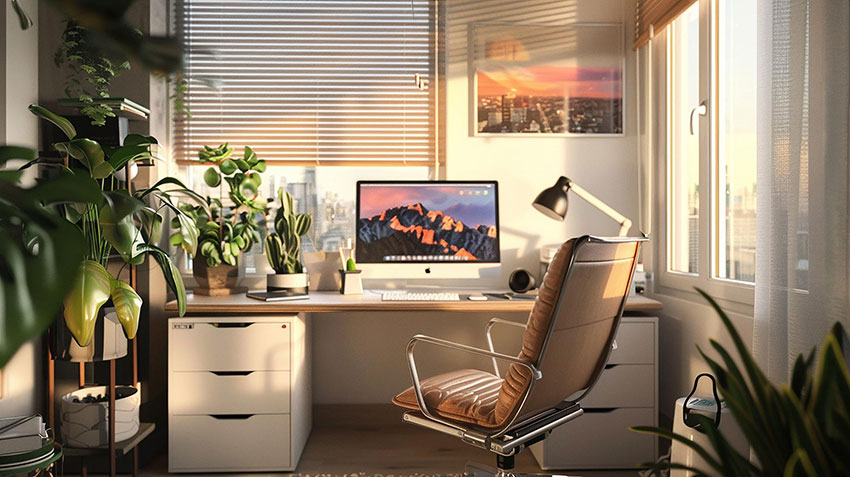
Future-Proofing Your Home Office Design
Technology and work habits continue to evolve, making flexibility one of the most valuable features of a modern home office. Rather than designing a workspace only for today’s needs, consider solutions that can adapt as your workflow changes.
Choose modular storage systems that can expand over time, install additional electrical outlets and USB charging ports, and leave space for future equipment such as larger monitors or video conferencing accessories. Wireless technology, smart lighting, and integrated cable management also make future upgrades simpler.
Sustainability is another growing priority. Selecting durable furniture, energy-efficient lighting, and environmentally responsible materials not only reduces long-term costs but also creates a healthier indoor environment.
By planning for future needs today, your home office remains functional, efficient, and visually appealing for years to come.
How Builpire Can Help You Design the Perfect Home Office
Builpire specializes in interior design and home renovations, helping clients create functional and stylish spaces. If you’re looking for professional guidance in designing your home office, Builpire offers customized solutions tailored to your needs. From selecting the right furniture to optimizing your workspace layout, Builpire ensures that your home office is both efficient and aesthetically pleasing.
For more ideas and guidance, follow us on Instagram.
Frequently Asked Questions
How can I create a productive home office in a small space?
A productive home office doesn’t require a large room. Start by selecting a quiet corner with access to natural light whenever possible. Choose compact or multifunctional furniture, such as wall-mounted desks or storage-integrated workstations, to maximize available space. Utilize vertical shelving to keep supplies organized while maintaining a clutter-free desk. Good lighting, ergonomic seating, and thoughtful organization will significantly improve comfort and productivity, even in a limited area.
What is the best lighting for a home office?
The most effective home office lighting combines natural daylight with adjustable task lighting. Position your desk near a window without creating glare on your monitor. For evening work, use LED desk lamps with adjustable brightness and color temperature. Layering ambient, task, and accent lighting helps reduce eye strain while creating a comfortable environment for extended work sessions.
Which furniture is most important for a comfortable home office?
An ergonomic chair and a properly sized desk are the two most important investments. Look for adjustable seating with lumbar support, armrests, and breathable materials. If your budget allows, a height-adjustable desk provides additional flexibility by allowing you to alternate between sitting and standing throughout the workday, promoting better posture and overall health.
How do I reduce distractions while working from home?
Choose a dedicated workspace away from high-traffic areas whenever possible. Noise-reducing rugs, curtains, acoustic panels, or noise-canceling headphones can minimize interruptions. Maintaining an organized workspace, setting clear work hours, and keeping personal items separate from work materials also helps improve focus and productivity.
What are the latest home office design trends?
Modern home office design focuses on flexibility, wellness, and technology integration. Popular trends include adjustable standing desks, biophilic design with indoor plants, smart lighting systems, sustainable materials, integrated cable management, and multifunctional furniture that adapts to changing work needs. These features create workspaces that are both visually appealing and highly functional.