





Fireproof Glass for Home Renovation: The Ultimate Guide to Safety and Aesthetics
When planning a modern home renovation, fire-rated glass for home renovation can provide an important combination of fire protection, natural light, and architectural flexibility. However, choosing the right product involves more than selecting glass that is simply described as “fireproof.” Fire-rated glazing is designed and tested for specific applications, fire ratings, and performance requirements, and its effectiveness depends on the complete glazing assembly, including the glass, frame, and installation method. For homeowners, architects, and remodeling professionals in the United States, understanding these differences is essential when selecting fire-rated glass for doors, windows, partitions, and other areas where fire protection is required.
Fire-Rated Glass for Home Renovation: Key Takeaways
- Fire-rated glass is not the same as tempered glass. Fire-rated glazing is specifically tested for fire-protection or fire-resistance performance, while tempered glass primarily improves strength and breakage characteristics.
- Fire-protective and fire-resistive glass serve different purposes. The right option depends on the installation location, required fire rating, surrounding construction, and applicable building-code requirements.
- The complete assembly matters. Fire-rated glass should be selected with compatible frames, glazing components, and installation methods rather than treated as an independent material.
- A fire rating must match the intended application. A 30-, 60-, or 90-minute rating does not mean the same product can be used in every door, window, partition, or wall opening.
- Proper product selection and installation are essential. Checking certifications, listings, manufacturer requirements, and applicable local codes can help ensure the glazing system delivers the intended level of protection.
Transform Your Space with BUILPIRE – Book Your Consultation Today!
What is Fireproof Glass?
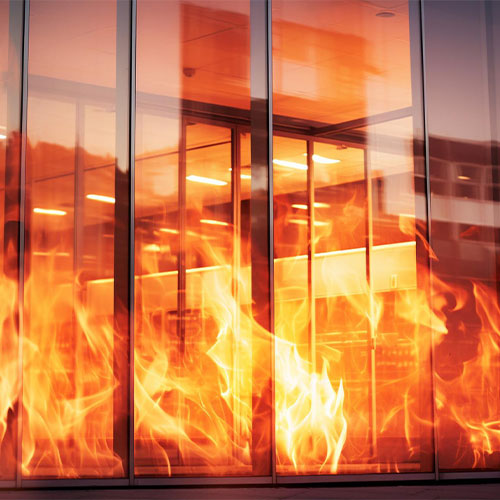
Fireproof glass, also known as fire-resistant glass, is specially designed to withstand high temperatures and prevent the spread of flames and smoke. Unlike ordinary glass, which breaks under heat, fireproof glass remains intact for an extended period, providing crucial protection during fire incidents.
Fire-rated glass should not be selected based on the glass alone. In fire-rated doors, windows, and partitions, the glazing must be compatible with the complete tested or listed assembly, including the frame and other required components.
Official Source: UL Solutions – Fire-Rated Doors and Glazing
Types of Fireproof Glass
- Tempered Fireproof Glass: This type of glass is heat-treated to increase its strength. It can withstand high temperatures and, if broken, shatters into small, harmless pieces.
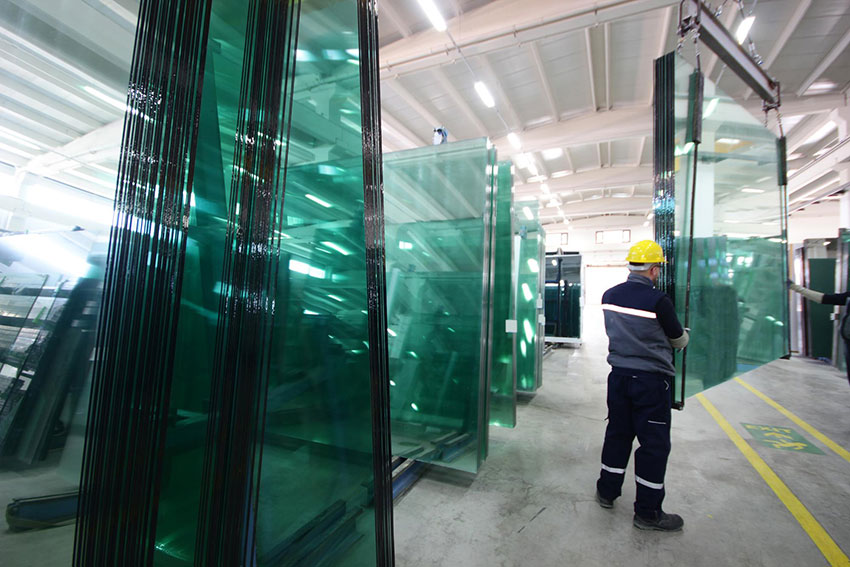
- Laminated Fire-Resistant Glass: Made of multiple layers with fire-resistant interlayers, this glass prevents flames and smoke from passing through.
- Wired Fireproof Glass: Reinforced with wire mesh, this glass remains in place even when cracked, providing structural integrity during a fire.
- Ceramic Fireproof Glass: Highly heat-resistant, this type of glass is commonly used in fireplaces and industrial applications.
- Gel-filled Fireproof Glass: Contains a special gel layer that expands under heat, forming a protective barrier against fire and smoke.
- Borosilicate Fireproof Glass: Known for its high thermal resistance, this glass is often used in laboratories and specialized architectural applications.
Tempered glass should not automatically be considered fire-rated glass. Tempering improves the strength and breakage characteristics of glass, while fire-rated glazing must meet the applicable fire-performance requirements and certification for its intended application.
Official Source: UL Solutions – Fire-Rated Doors and Glazing
Fire-Protective vs. Fire-Resistive Glass: What Is the Difference?
One of the most important considerations when selecting fire-rated glass is understanding the difference between fire-protective glazing and fire-resistive glazing. These terms are often used interchangeably, but they describe different levels of performance and different applications.
Fire-protective glass is primarily designed to help prevent the passage of flames, smoke, and radiant heat for a specified period. It is commonly used in applications such as fire-rated doors, windows, sidelites, and other opening protectives. Depending on the product and application, testing may involve standards such as UL 9, UL 10B, UL 10C, or NFPA 252 and NFPA 257.
Fire-resistive glass provides a broader level of protection. In addition to helping prevent the spread of fire and flames, it is designed to limit heat transmission through the glazing. UL Solutions notes that fire-resistance-rated glazing is evaluated as part of a fire-resistance-rated wall or partition assembly and may be tested according to UL 263 or ASTM E119.
This distinction matters during a home renovation because the right glass cannot be selected based on appearance or fire rating alone. The required performance depends on the wall, door, window, or partition assembly in which the glass will be installed.
For example, replacing ordinary glass in a fire-rated door with a piece of glass that simply has a similar thickness does not automatically create a compliant fire-rated assembly. The glazing, frame, hardware, and surrounding construction may all need to be compatible with the tested and listed assembly.
Before specifying fire-rated glass, homeowners and remodeling professionals should therefore confirm the required rating, application, frame system, and applicable local building-code requirements.
Benefits of Fireproof Glass in Home Renovation
- Enhanced Safety: Fireproof glass significantly reduces the risk of fire spreading in case of an emergency.
- Aesthetic Appeal: Modern designs allow for sleek, stylish applications in windows, doors, and partitions.
- Energy Efficiency: Helps regulate indoor temperature, reducing energy consumption.
- Sound Insulation: Blocks external noise, creating a peaceful home environment.
- Durability: Fireproof glass is highly resistant to impact, making it a long-lasting investment.
- Environmental Benefits: Reduces carbon footprint by improving energy efficiency in homes.
- UV Protection: Some fireproof glass options come with UV-blocking coatings to protect furniture and interiors from sun damage.
Fire-protective and fire-resistive glazing are not interchangeable. The required rating depends on the specific application, the surrounding construction, and the applicable fire-test standard. Always verify the required rating before specifying fire-rated glass for a renovation project.
Official Source: UL Solutions – Fire Resistance Rating and Opening Protectives
Installation Process
The installation of fireproof glass should be handled by professionals to ensure compliance with safety standards. The process typically involves:
- Assessment: Determining the areas where fireproof glass is needed.
- Selection: Choosing the right type of fireproof glass based on the home’s needs.
- Framing: Installing suitable fire-resistant frames.
- Sealing: Ensuring airtight sealing to maximize fire resistance.
- Inspection: Conducting a final safety check before completion.
- Testing: Some installations may undergo fire resistance testing to ensure optimal performance.
Why Choose Fireproof Glass for Home Renovation?
Fireproof glass is an essential addition to any home renovation project, particularly for those prioritizing safety and modern aesthetics. By integrating fireproof glass, homeowners can ensure a secure and stylish living environment.
How to Choose the Right Fire-Rated Glass for a Home Renovation
Choosing fire-rated glass for a residential remodeling project should begin with the location and required level of protection, rather than with the glass appearance or thickness.
Start by identifying where the glazing will be installed. Fire-rated glass may be used in doors, windows, sidelites, transoms, partitions, and other areas where an opening requires protection. However, the requirements can vary significantly depending on whether the glazing is part of a fire door, fire window, or a fire-resistance-rated wall assembly.
Next, determine the required fire rating. Fire-rated products are available with different performance classifications and time ratings. The required rating should be based on the applicable building code and the rating of the surrounding assembly—not simply on the homeowner’s preference.
The frame is equally important. A fire-rated glass panel installed in an unsuitable frame does not automatically provide the performance of a complete fire-rated assembly. UL Solutions specifically emphasizes the importance of selecting compatible glazing, frames, hardware, and other components and installing them according to the applicable listing and manufacturer instructions.
Homeowners should also consider safety glazing requirements where people may come into contact with the glass. Fire performance and impact-safety performance are separate considerations, so a product should not be assumed to satisfy both unless its certification or listing confirms it.
A practical selection checklist includes:
- Where will the glass be installed?
- What fire rating is required?
- Is the application a fire door, fire window, or fire-resistance-rated wall?
- What glazing system and frame are required?
- Does the product have the appropriate listing or certification?
- Does the installation comply with the manufacturer’s instructions?
- Are additional safety-glazing requirements applicable?
- Does the proposed assembly comply with the local building code?
This approach helps prevent a common renovation mistake: choosing a glass product first and trying to determine its code compliance afterward.
Fire-Rated Glass Installation: Why the Complete Assembly Matters
The performance of fire-rated glass depends on more than the glass itself. In many applications, the glass, frame, door or wall assembly, hardware, glazing method, and installation details work together as a tested system.
This is particularly important when installing fire-rated glazing in doors and windows. UL Solutions explains that fire-rated glazing used in these applications must be installed in accordance with its applicable listing and the manufacturer’s installation requirements. Fire door assemblies may also involve requirements for frames, hardware, closing devices, anchorage, and other components.
For residential renovation projects, this means that simply cutting a larger piece of fire-rated glass to fit an existing opening may not provide the intended level of protection. Changes to the frame, glass dimensions, glazing method, or surrounding construction can affect the performance of the assembly.
The installation process should therefore begin with an assessment of the existing construction. The remodeling professional should identify the required fire rating, verify the appropriate listed assembly, confirm compatible frame and glazing components, and follow the manufacturer’s installation instructions.
Documentation is also important. Product labels, certification information, listing details, and installation instructions can help verify that the selected components are appropriate for the intended application.
For projects subject to code requirements, the local building department or qualified design professional should be consulted when the applicable rating or assembly is unclear.
In other words, fire-rated glass should be treated as part of a fire-rated assembly, not as an isolated material.
Builpire: Your Trusted Partner for Home Renovation
If you are planning to incorporate fireproof glass into your home renovation, Builpire is your go-to expert. As a leading company specializing in home remodeling and interior design, Builpire provides high-quality fireproof glass solutions tailored to your needs. With a commitment to safety and innovation, Builpire ensures that your renovation project meets the highest industry standards.
For more ideas and guidance, follow us on Instagram.
Frequently Asked Questions
Is fire-rated glass the same as tempered glass?
No. Tempered glass and fire-rated glass are designed to meet different performance requirements. Tempered glass is heat-treated to improve its strength and breakage characteristics, while fire-rated glass is specifically tested and rated for fire protection or fire resistance. Tempered glass should not be considered fire-rated unless the specific product has the appropriate certification and rating for the intended application.
Can fire-rated glass be installed in an existing residential window?
It may be possible, but the glass should not be evaluated separately from the window assembly. The required fire rating, frame, glazing method, dimensions, and surrounding wall construction can all affect compliance. Before replacing an existing residential window with fire-rated glass, the applicable building-code requirements and the product’s certification or listing should be verified.
Does fire-rated glass require a special frame?
In many fire-rated applications, the frame is an important part of the tested or listed assembly. Installing fire-rated glass in an incompatible frame does not automatically provide the required level of fire protection. The glass and frame should be selected as compatible components and installed according to the applicable listing and manufacturer’s instructions.
What does a 60-minute fire rating mean?
A 60-minute fire rating indicates that the tested product or assembly achieved the applicable performance criteria for the specified duration under the relevant fire test. It does not mean that every piece of glass labeled as 60-minute rated can be installed in every application. The rating must correspond to the specific application, test standard, and complete assembly.
How do I know which fire-rated glass is right for my home?
The correct fire-rated glass depends on where it will be installed, the required fire rating, the surrounding construction, the frame system, and applicable building-code requirements. Homeowners should also verify the product’s certification or listing and follow the manufacturer’s installation requirements. When the required rating or assembly is unclear, a qualified remodeling professional, architect, or local building authority can help determine the appropriate solution.