



Trendy Wall Panel Designs to Modernize Your Home
Modern wall panel designs offer a stylish way to transform ordinary walls into distinctive architectural features without committing to a full-scale home renovation. From elegant wood slat accents to contemporary fluted panels and custom geometric patterns, the right wall treatment can add depth, texture, and visual interest to almost any interior. Whether you are updating a living room, creating a sophisticated bedroom backdrop, or refreshing an outdated space, modern wall paneling combines design flexibility with practical functionality. With the right materials, colors, and installation approach, homeowners can create a more refined interior that reflects their personal style while complementing the overall character of their home.
Article Summary
- Modern wall panel designs add texture, depth, and architectural character to residential interiors.
- Popular options include wood slats, fluted panels, geometric designs, upholstered panels, and decorative MDF or PVC systems.
- The right panel material depends on the room’s purpose, moisture exposure, maintenance needs, and design goals.
- Wall panels can be used in living rooms, bedrooms, kitchens, bathrooms, hallways, and other areas when the material is appropriate for the application.
- Installation costs depend on materials, labor, wall preparation, design complexity, and additional features.
- Careful planning and professional guidance can help homeowners choose a wall panel design that fits their home and renovation budget.
Transform Your Space with BUILPIRE – Book Your Consultation Today!
Why Choose Modern Wall Panel Designs?
Wall panels go beyond being decorative—they redefine spaces by adding texture, elegance, and functionality. Their versatility makes them a popular choice among homeowners who want something durable yet stylish. They also serve as a canvas for creativity, allowing designers to experiment with patterns, colors, and materials.
Types of Modern Wall Panel Designs
-
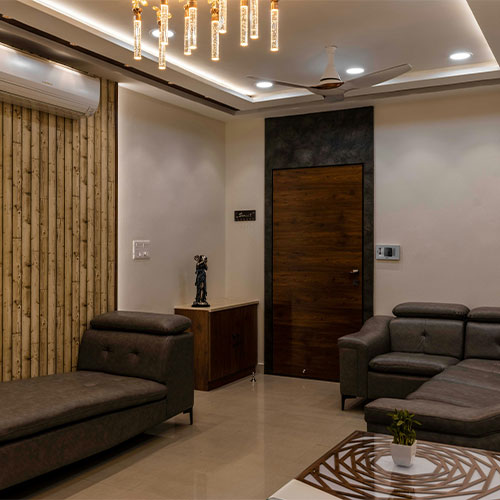
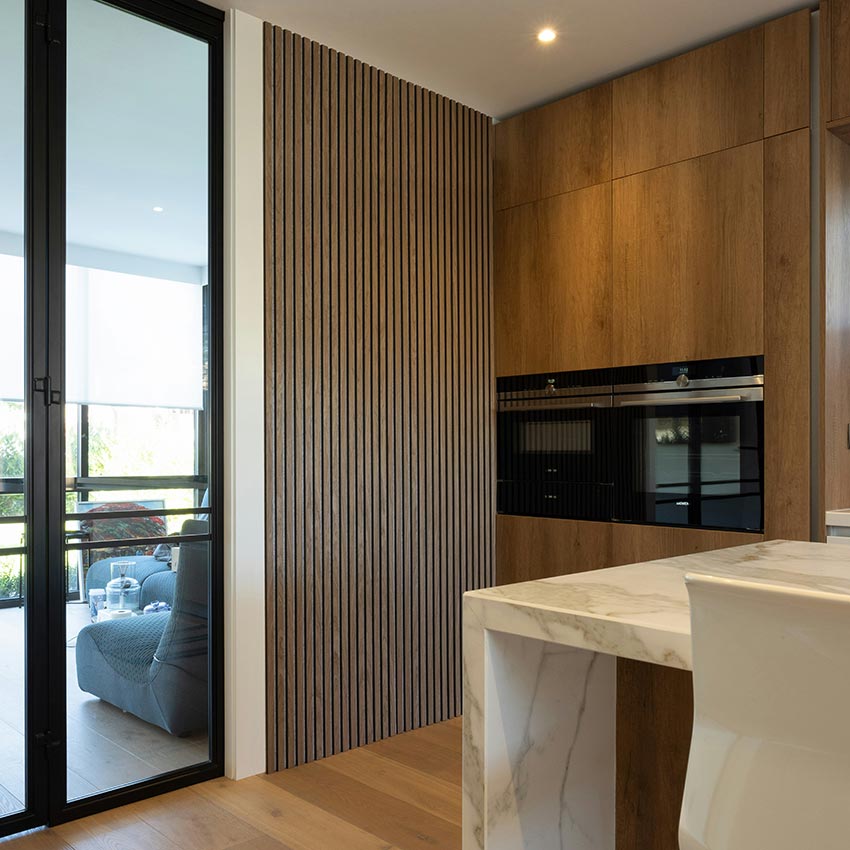
Wooden Panels: Ideal for creating warmth and sophistication. Available in oak, walnut, or reclaimed wood finishes.
-
3D Panels: Bold and eye-catching, these panels create a focal point in any room. Perfect for modern living rooms and office spaces.
-
Upholstered Panels: Soft, fabric-based panels that improve acoustics and add a cozy, luxurious feel. Great for bedrooms.
-
PVC & MDF Panels: Budget-friendly and low maintenance, these are excellent for high-traffic areas.
-
Eco-Friendly Panels: Bamboo or cork panels that support sustainability while adding a unique aesthetic.
Choosing the Right Wall Panel Material for Each Room
Choosing a wall panel design is not just about finding a style you like. The material must also work with the room’s daily use, lighting conditions, moisture exposure, and maintenance requirements. A panel that looks beautiful in a living room may not be the right choice for a bathroom or kitchen.
In living rooms and dining areas, wood veneer, decorative MDF, and architectural slat panels can create a warm, refined appearance. These materials work particularly well when coordinated with flooring, furniture, and built-in cabinetry. For bedrooms, upholstered panels or wood finishes can introduce a softer, more comfortable visual atmosphere, especially when used behind the bed.
Kitchens and bathrooms require a more careful approach. Areas exposed to steam, splashes, and frequent cleaning need materials specifically approved for those conditions. Not every MDF, wood, or decorative panel is suitable for wet environments. Before choosing a product, review the manufacturer’s moisture-resistance specifications and installation requirements.
For entryways, hallways, and other high-traffic areas, durability and ease of cleaning should be priorities. A panel with a resilient finish can help protect the wall from everyday wear while maintaining a polished appearance.
The best wall panel material is the one that balances design, performance, and the conditions of the space. Taking these factors into account before installation can help homeowners avoid unnecessary repairs and achieve a more lasting result.
Before installing wall panels, identify and resolve any existing moisture issues. Covering a damp wall without addressing the underlying cause can lead to damage behind the new finish. For areas exposed to moisture, select a panel system specifically rated for the intended application and follow the manufacturer’s installation instructions.
Official Source: U.S. Environmental Protection Agency – Mold and Moisture
Where to Use Wall Panels in Your Home
-
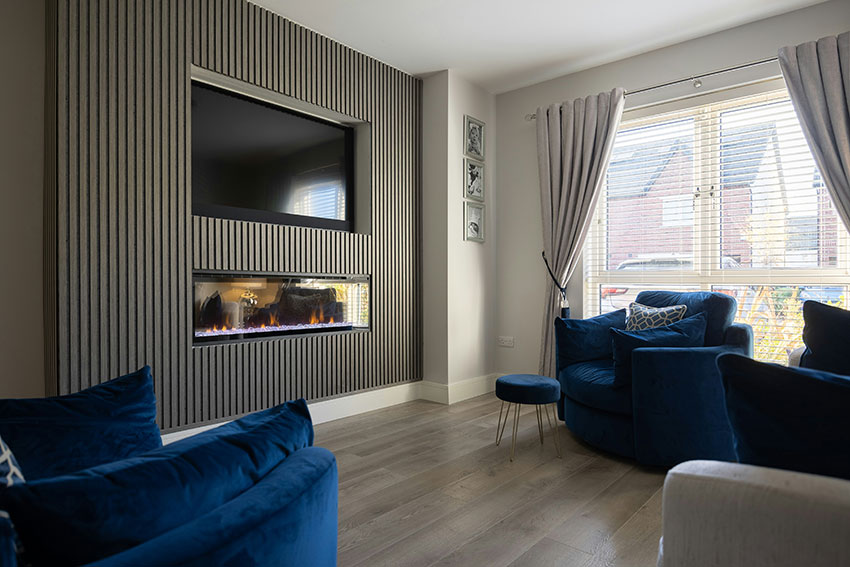
Living Room: Create a feature wall behind the sofa or TV.
-
Bedroom: Install upholstered panels behind the bed for a chic headboard effect.
-
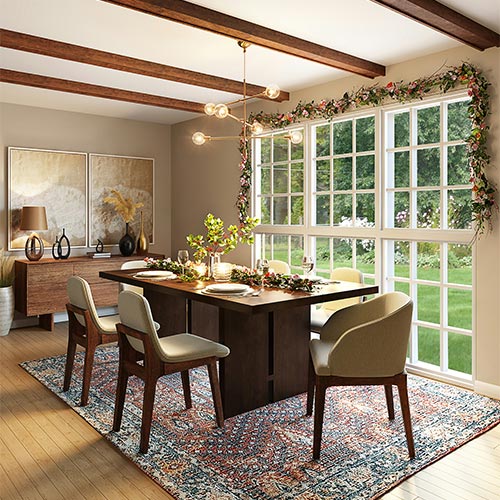
Dining Room: Use panels to add elegance and a sense of depth.
-
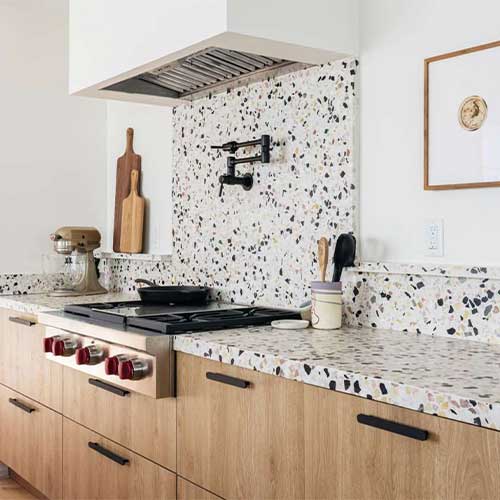
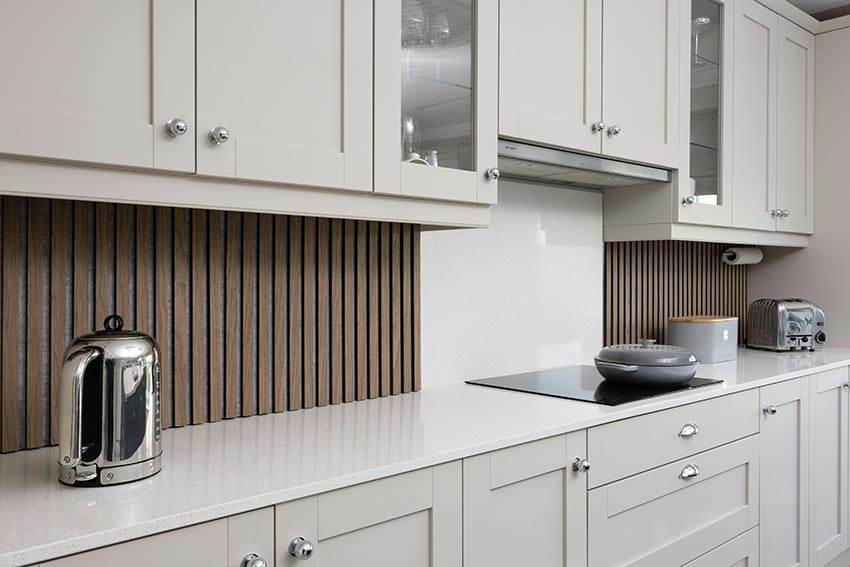
Kitchen: Waterproof panels as stylish backsplashes.
-
Bathroom: Moisture-resistant panels that replace tiles for a sleek finish.
Design Trends in Modern Wall Paneling
-
Minimalist Neutral Panels – sleek designs with subtle textures in white, beige, or grey tones.
-
Bold Geometric Panels – angular, 3D patterns for contemporary interiors.
-
Natural Finishes – wood and stone-inspired panels that bring nature indoors.
-
Mix-and-Match Styles – combining textures and materials for a layered, dynamic look.
-
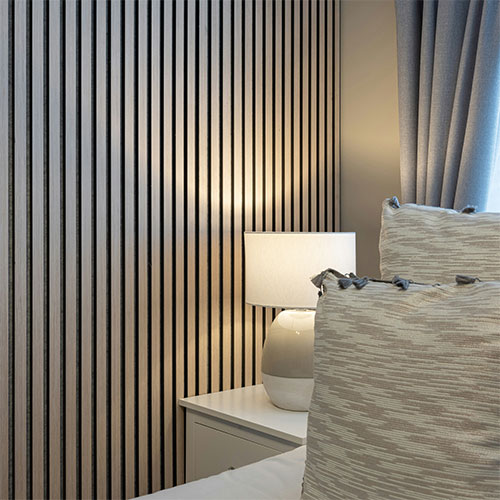
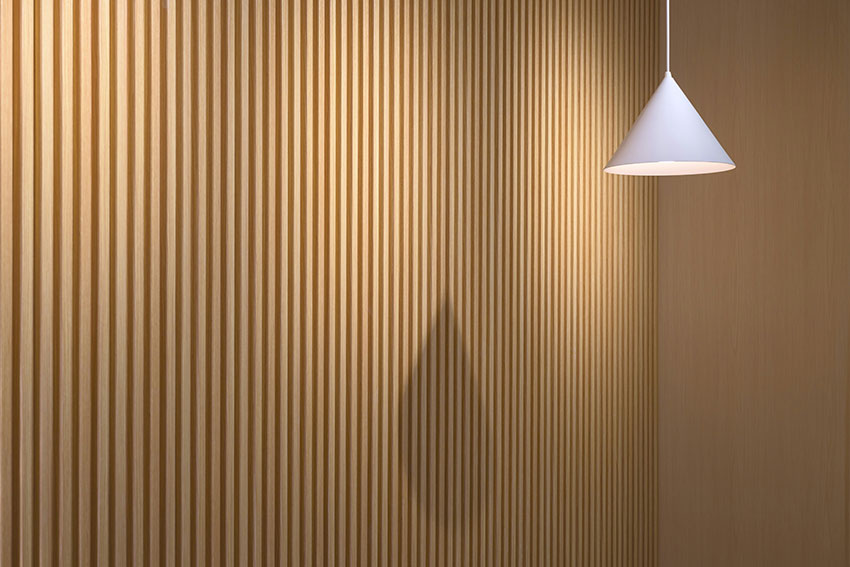
Vertical Wooden Slats – a Scandinavian-inspired trend adding vertical depth to walls.
Benefits of Modern Wall Panels
-
Enhance insulation and soundproofing.
-
Increase property value through stylish interiors.
-
Offer endless design possibilities.
-
Require minimal maintenance compared to wallpaper or paint.
-
Conceal imperfections on old walls.
If sound control is one of your goals, do not assume that every decorative wall panel provides meaningful acoustic improvement. Look for product-specific acoustic performance data and consider the entire assembly, including the panel, backing, air gap, and installation method. Decorative panels may change the appearance of a room without significantly reducing echo or sound transmission.
Official Source: National Research Council Canada – Acoustics
Wall Paneling vs. Paint and Wallpaper: Which Is Right for Your Home?
Wall panels, paint, and wallpaper can all transform an interior, but each option creates a different result. The right choice depends on the desired appearance, the condition of the existing walls, the renovation budget, and how the space will be used.
Paint is often a practical choice for homeowners who want to refresh a room with minimal visual complexity. It offers flexibility in color and is generally easier to update when design preferences change. However, paint alone does not provide the architectural depth or dimensional texture that many wall panel systems create.
Wallpaper introduces patterns, colors, and decorative details that can make a room feel more expressive. It can be especially effective when homeowners want a distinctive visual effect without adding substantial wall thickness. Its suitability depends on the product, wall condition, and exposure to moisture or wear.
Wall paneling offers a more architectural approach. Depending on the material and design, it can introduce depth, visual rhythm, and a more substantial finish. Some panel systems can also help conceal minor surface imperfections, although they should not be used to cover unresolved moisture problems or structural damage.
For homeowners seeking a more defined interior feature, wall panels may be the preferred option. For a simple color update, paint may be more appropriate. Wallpaper can work well when pattern and decorative expression are the main priorities.
The most successful choice is not necessarily the most expensive one. It is the finish that supports the room’s design, practical requirements, and long-term maintenance expectations.
Before purchasing wall panels, review the manufacturer’s technical documentation for the intended application. Depending on the project, important considerations may include fire performance, moisture resistance, installation requirements, and compatibility with the existing wall. For projects subject to building codes, confirm that the selected materials and installation method meet the applicable local requirements.
For more ideas and guidance, follow us on Instagram.
Installation & Maintenance Tips
Installing panels is relatively straightforward, with many products designed for DIY projects. For large or complex designs, hiring professionals ensures precision. Maintenance usually requires only a light dusting or wiping with a damp cloth, depending on the material.
Wall Paneling Costs: What Affects Your Project Budget?
The cost of modern wall paneling depends on more than the price of the panels themselves. Material selection, wall dimensions, design complexity, preparation work, and installation requirements all influence the final project budget.
Decorative MDF and PVC panels may offer more budget-friendly options for certain applications, while natural wood, custom millwork, premium finishes, and complex architectural details can increase costs. However, the lowest material price does not always result in the most economical project. A panel that requires extensive preparation, specialized installation, or additional finishing may increase the overall expense.
Labor is another important consideration. A simple, flat panel installation may require less time than a custom design involving precise alignment, integrated lighting, concealed wiring, or built-in shelving. Existing walls may also need repairs or leveling before the panels can be installed properly.
Homeowners should request a detailed estimate that separates material costs, labor, wall preparation, finishing, and any additional electrical or carpentry work. This makes it easier to compare proposals and understand what is included.
Rather than choosing a wall panel design based on appearance or price alone, consider the complete installed cost and the expected performance of the material. A well-planned project can deliver a distinctive interior finish while keeping the renovation budget under control.
Conclusion
Modern wall panel designs are one of the most effective ways to bring style, comfort, and functionality into your home. They offer a timeless yet trendy solution for homeowners who want to update their interiors without excessive remodeling costs. Whether you prefer minimalist wooden slats or bold geometric 3D patterns, there is a panel design to suit every taste and budget.
If you are planning a home renovation and want expert guidance, Builpire is the ideal partner. With years of experience in interior design and home remodeling, Builpire specializes in helping homeowners choose the right modern wall panel designs to transform their living spaces into modern, stylish havens.
Frequently Asked Questions About Modern Wall Panel Designs
What are the most popular modern wall panel designs?
Popular modern wall panel designs include wood slat panels, fluted panels, board-and-batten, geometric 3D panels, and flat architectural panels. Natural wood finishes, warm neutral colors, and clean-lined profiles are commonly used to create contemporary interiors. The best design depends on the room’s size, existing finishes, and overall style.
Are wall panels a good choice for small rooms?
Yes. Wall panels can work well in small rooms when the design is carefully selected. Light-colored finishes, simple patterns, and narrow vertical profiles can create a more balanced appearance without overwhelming the space. Using panels on a single wall or behind a specific feature can also help maintain visual openness. Avoid overly complex patterns or heavy finishes if the room already feels crowded.
Can wall panels be installed in kitchens and bathrooms?
Wall panels can be used in kitchens and bathrooms when the selected product is suitable for the conditions of the space. Moisture-resistant materials and properly detailed installation are particularly important in areas exposed to steam, splashes, or frequent cleaning. Always check the manufacturer’s specifications before using a panel near showers, sinks, or other wet areas. Not every decorative panel is designed for direct water exposure.
Can wall panels be installed over existing walls?
In many cases, wall panels can be installed over existing wall surfaces, provided the substrate is stable, sufficiently flat, clean, and suitable for the selected installation method. Loose paint, damaged drywall, moisture problems, or uneven surfaces may require repairs before installation. The panel manufacturer’s instructions should determine whether direct installation is appropriate or whether additional framing or preparation is necessary.
How much does modern wall panel installation cost?
The cost of modern wall panel installation varies according to material, panel dimensions, design complexity, labor, and the condition of the existing wall. Custom wood panels, intricate patterns, and integrated lighting can increase the total project cost. Homeowners should request a detailed estimate that includes materials, installation, preparation, finishing, and any additional work. A project-specific quote is more reliable than using a single price range for every type of wall panel.