



What is the Most Durable Kitchen Flooring?
Choosing the right flooring for your kitchen can be a daunting task. Kitchens are high-traffic areas that endure constant spills, heavy footfall, and occasional impacts from falling objects. Therefore, when asking, “What is the most durable kitchen flooring?” you are essentially seeking a balance between practicality, style, and longevity. In this guide, we will explore the best options for durable kitchen flooring, discuss their advantages and disadvantages, and provide tips to help you make an informed decision.
Expert Tip: Choose Flooring Based on Water Absorption Ratings
Porcelain tile is one of the most reliable choices for kitchens because it has an extremely low water absorption rate—typically less than 0.5%. This makes it highly resistant to moisture damage, staining, and freeze-thaw cycles, making it ideal for kitchens where spills are inevitable.
Why Durability Matters in Kitchen Flooring
When renovating or building a kitchen, flooring plays a crucial role in determining the space’s overall functionality and aesthetics. The question “What is the most durable kitchen flooring?” often comes up because the kitchen is a hub of activity. Flooring in this area must withstand:
- Heavy traffic: Kitchens are often the most visited part of any home.
- Spills and stains: Cooking and cleaning can result in frequent water or oil spills.
- Impact resistance: Dropped utensils, pots, or pans can cause damage.
- Ease of maintenance: The best kitchen flooring should be easy to clean and maintain.
Among the myriad of choices, it is essential to select a material that aligns with your lifestyle, design preferences, and budget. Let’s dive into the best options available, keeping durability as the top priority.
Transform Your Space with BUILPIRE – Book Your Consultation Today!
Top Durable Kitchen Flooring Options
1. Ceramic Tile
Ceramic tile is often the top contender when considering “What is the most durable kitchen flooring?” This material is renowned for its toughness, water resistance, and versatility.
- Pros:
- Highly resistant to scratches, stains, and water.
- Available in a variety of colors, patterns, and finishes.
- Easy to clean with regular sweeping and mopping.
- Cons:
- Hard underfoot, which may lead to discomfort during prolonged standing.
- Can crack if heavy objects are dropped.
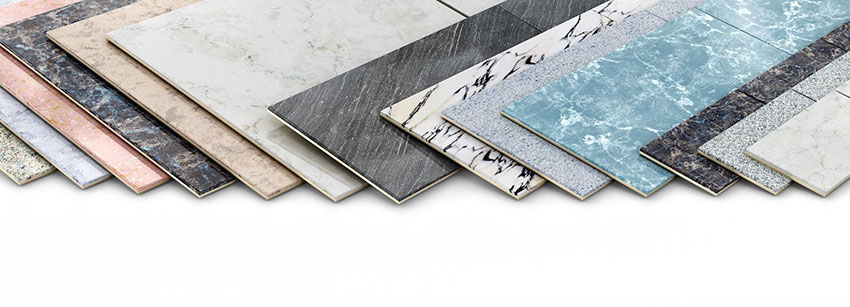
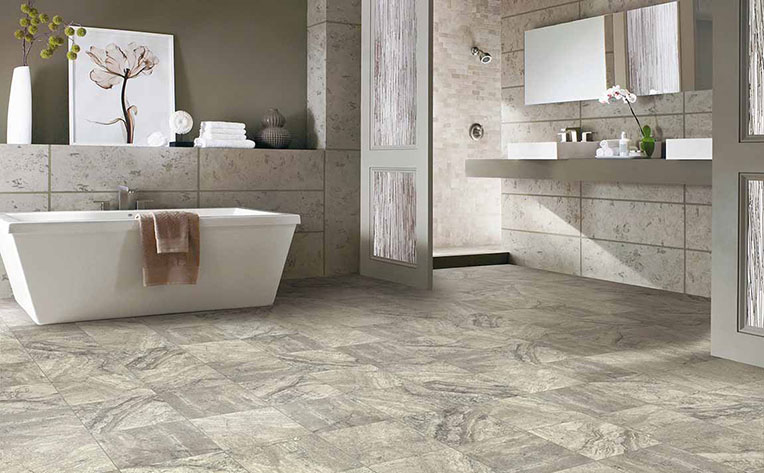
2. Porcelain Tile
Porcelain tiles are a subtype of ceramic tiles, but they offer enhanced durability and water resistance. These tiles are often used in kitchens because they combine aesthetics with practicality.
- Pros:
- Denser and more durable than standard ceramic tiles.
- Superior resistance to moisture and spills.
- Comes in designs mimicking wood, stone, or concrete.
- Cons:
- Can be slippery when wet, though textured options are available.
- Requires professional installation.
Expert Tip: Seal Natural Stone on Schedule
Natural stone flooring should be sealed according to the manufacturer’s recommendations to maintain stain resistance and prolong its lifespan. Regular sealing helps prevent liquids, cooking oils, and food acids from penetrating the stone’s surface.
3. Luxury Vinyl Flooring (LVF)
Luxury vinyl flooring has gained immense popularity due to its ability to mimic natural materials like wood and stone while offering exceptional durability.
- Pros:
- Water-resistant and suitable for spill-prone areas.
- Cushioned underfoot, reducing strain during long cooking sessions.
- Easy to install, even for DIY enthusiasts.
- Cons:
- May fade with prolonged UV exposure.
- Lower lifespan compared to tiles or hardwood.
4. Natural Stone Flooring
Natural stone flooring, including granite, slate, and travertine, is an excellent choice for those seeking a luxurious and durable kitchen surface.
- Pros:
- Unique and elegant appearance.
- High durability and resistance to wear and tear.
- Adds significant value to a home.
- Cons:
- Expensive and requires sealing to prevent stains.
- Can be cold and hard underfoot.
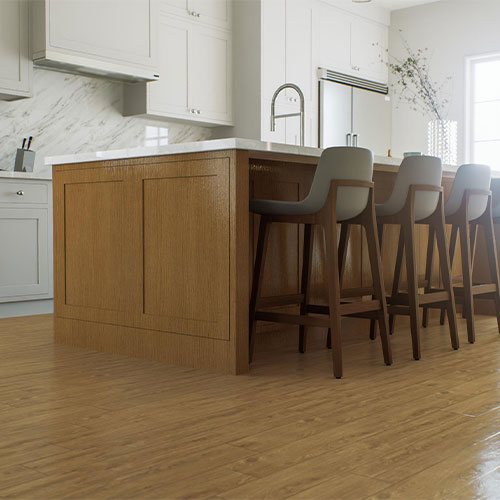
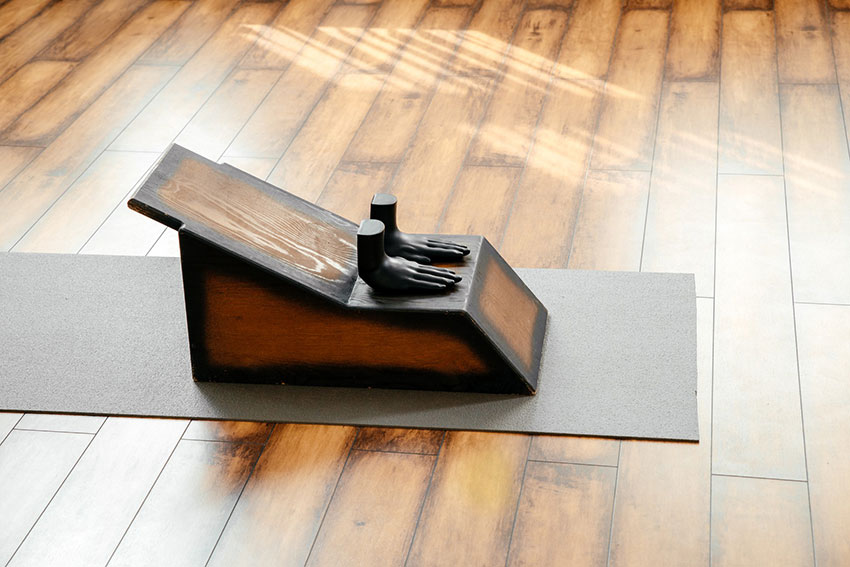
5. Engineered Hardwood
Engineered hardwood combines the beauty of natural wood with improved durability, making it a viable option for kitchens.
- Pros:
- Resistant to temperature and humidity changes.
- Offers a warm and inviting aesthetic.
- Can be refinished to maintain appearance.
- Cons:
- Not entirely water-resistant.
- Susceptible to scratches and dents.
Factors to Consider When Choosing Durable Kitchen Flooring
When narrowing down your options, consider the following factors:
- Lifestyle: Families with kids and pets may need flooring that withstands scratches and spills.
- Budget: While some options, like natural stone, offer superior durability, they come with a higher price tag.
- Aesthetic Appeal: Ensure the flooring complements your kitchen’s overall design.
- Ease of Maintenance: Select materials that are easy to clean and maintain over time.
Expert Tip: Select Flooring Certified for Indoor Air Quality
When installing new flooring, look for products certified for low volatile organic compound (VOC) emissions. Flooring with independent indoor air quality certifications helps create a healthier living environment while maintaining excellent durability.
The Hidden Costs of Choosing the Wrong Flooring
When you invest in kitchen flooring, it’s essential to look beyond the upfront cost. Opting for low-quality materials might save you money initially, but the hidden costs of frequent repairs, replacements, or maintenance can add up over time. Here are some potential pitfalls:
- Short Lifespan: Low-quality materials may wear out quickly, requiring early replacement.
- Water Damage: Improperly sealed or low-durability floors are prone to water damage.
- Increased Maintenance Costs: Some materials demand more frequent upkeep, leading to higher maintenance expenses.
By selecting durable materials like porcelain, luxury vinyl, or natural stone, you can minimize these hidden costs and enjoy long-term savings. At Builpire, we help clients choose the best materials to ensure value for their investment.
How to Choose Kitchen Flooring Based on Your Lifestyle
Selecting the most durable kitchen flooring isn’t just about finding the hardest material—it’s about choosing a surface that matches how your household uses the kitchen every day. A busy family with children has different flooring needs than someone who cooks occasionally or lives alone.
If your kitchen experiences constant foot traffic, frequent spills, and dropped cookware, porcelain tile remains one of the strongest long-term investments. Its dense composition resists scratches, moisture, stains, and heavy impacts better than most flooring materials.
For homeowners with pets, luxury vinyl plank (LVP) offers excellent scratch resistance while providing a softer, quieter surface than ceramic or stone. It also helps reduce noise from pets running through the house.
Families with young children often appreciate waterproof luxury vinyl because it offers better slip resistance and a warmer feel underfoot. Standing for long periods while cooking is also more comfortable compared to tile flooring.
Natural stone remains an outstanding premium choice, especially in luxury kitchens. However, homeowners should understand that stone requires periodic sealing to maintain stain resistance and preserve its appearance.
If sustainability is a priority, engineered hardwood certified by organizations such as the Forest Stewardship Council (FSC) can provide an environmentally responsible option while maintaining the warmth and elegance of real wood.
Ultimately, the most durable kitchen flooring is the one that balances durability, maintenance requirements, comfort, aesthetics, and your family’s lifestyle rather than focusing on a single performance characteristic.
Understanding Slip Resistance: A Critical Safety Factor
Durability is only one part of choosing kitchen flooring. Safety should be equally important, particularly in kitchens where water, grease, and food spills are common.
One of the most overlooked characteristics is slip resistance. According to the Tile Council of North America (TCNA), homeowners should consider flooring materials with textured or matte finishes in areas frequently exposed to moisture.
Porcelain tiles are available in various slip-resistance ratings, making them suitable for kitchens when the correct finish is selected. Highly polished tiles may look elegant, but they can become slippery when wet.
Luxury vinyl flooring also performs well because many premium products feature textured wear layers that improve traction without sacrificing appearance.
Natural stone surfaces vary significantly depending on the finish. Honed or textured stone generally provides better grip than polished granite or marble.
Area rugs with non-slip backing can further improve kitchen safety, especially near sinks, dishwashers, and food preparation areas.
Choosing flooring that balances durability with proper slip resistance helps reduce accident risks while maintaining an attractive kitchen design.
Maintenance Tips That Extend the Life of Kitchen Flooring
Even the most durable kitchen flooring requires proper care to achieve its maximum lifespan. Regular maintenance not only preserves appearance but also protects your investment and reduces long-term replacement costs.
For tile flooring, sweeping or vacuuming several times a week prevents abrasive dirt from scratching grout lines. Use pH-neutral cleaners instead of harsh chemicals to maintain the tile’s finish and protect grout from deterioration.
Luxury vinyl flooring benefits from routine cleaning with manufacturer-approved products. Avoid excessive water and never use abrasive scrubbers that may damage the protective wear layer.
Natural stone flooring requires additional attention because many stone varieties are porous. Applying a quality penetrating sealer at recommended intervals helps prevent moisture absorption, staining, and premature wear.
Engineered hardwood should be cleaned using a damp microfiber mop rather than excessive water. Wipe spills immediately to minimize moisture exposure and preserve the integrity of the wood veneer.
Adding felt pads beneath furniture, using floor mats near exterior entrances, and placing anti-fatigue mats in food preparation areas can significantly reduce daily wear.
With proper maintenance, premium kitchen flooring materials can continue performing beautifully for decades while maintaining both functionality and resale value.
Conclusion: Finding the Perfect Flooring
So, “What is the most durable kitchen flooring?” The answer depends on your specific needs and preferences. Ceramic and porcelain tiles are excellent choices for their water resistance and strength, while luxury vinyl offers comfort and affordability. For a touch of elegance, natural stone or engineered hardwood may be the way to go.
At Builpire, we specialize in helping homeowners make the best decisions for their kitchens. Whether you’re renovating or designing from scratch, our experts provide tailored solutions to ensure your kitchen flooring meets both your aesthetic and functional requirements. Contact us today to learn more about our services.
For more ideas and guidance, follow us on Instagram.
FAQs About Kitchen Flooring
Is waterproof flooring better than water-resistant flooring for kitchens?
Waterproof flooring provides complete protection against moisture penetration, making it ideal for busy kitchens where spills are frequent. Materials such as porcelain tile and high-quality luxury vinyl plank offer superior waterproof performance compared to water-resistant options, helping prevent subfloor damage and mold growth over time.
Which kitchen flooring adds the most value to a home?
Porcelain tile and natural stone flooring generally provide the highest return on investment because they combine exceptional durability with timeless appeal. Buyers often view these materials as premium upgrades that require less maintenance and offer a longer service life than many alternative flooring options.
What kitchen flooring is best for homes with pets?
Luxury vinyl plank (LVP) is one of the best choices for pet owners. It resists scratches, moisture, and stains while offering a quieter and more comfortable surface for pets compared to ceramic or stone flooring. Premium LVP products also feature durable wear layers that stand up well to heavy daily use.
What is the longest-lasting kitchen flooring material?
Porcelain tile is widely considered one of the longest-lasting kitchen flooring materials available. With proper installation and maintenance, porcelain flooring can last 50 years or more because of its high density, low moisture absorption, and resistance to scratches, stains, and heavy impact.
Natural stone flooring can also provide exceptional longevity, often lasting several decades when properly sealed and maintained. However, the best choice depends on your lifestyle, maintenance preferences, budget, and design goals.
For homeowners seeking a balance between durability, appearance, and affordability, porcelain tile and premium luxury vinyl flooring are among the most practical long-term options.
What flooring should you avoid in a kitchen?
Flooring materials that are highly sensitive to moisture or difficult to maintain may not be ideal for kitchens. Traditional solid hardwood, untreated natural materials, and low-quality laminate flooring can be vulnerable to water damage when exposed to frequent spills.
While hardwood can create a beautiful kitchen design, it requires proper sealing, immediate spill cleanup, and regular maintenance to perform well in a moisture-prone environment.
Homeowners should also avoid extremely glossy flooring surfaces because they can become slippery when wet and may show scratches more easily.
The best kitchen flooring should combine moisture resistance, durability, safety, and easy maintenance.