


Stylish and Fire-Resistant Flooring Options
Choosing the right flooring for your home involves more than finding a style that matches your interior. Homeowners also need to consider durability, maintenance, comfort, and how different materials perform when exposed to heat or fire. While no flooring should be treated as completely “fireproof,” some materials offer significantly better fire resistance and noncombustible properties than others. Understanding these differences can help you choose flooring that supports both the design and safety goals of your home.
What to Know About Fire-Resistant Flooring for Your Home
- Not all flooring is completely fireproof; materials differ significantly in their fire-performance characteristics.
- Ceramic and porcelain tile, natural stone, and concrete are among the most suitable noncombustible flooring options.
- Vinyl and engineered wood should be evaluated based on the specific product’s documented fire-performance testing.
- Fire performance depends on more than the visible flooring material; installation methods, underlayment, adhesives, and subfloor conditions can also matter.
- Choosing the right flooring requires balancing fire performance with durability, moisture resistance, maintenance, comfort, and design.
Transform Your Space with BUILPIRE – Book Your Consultation Today!
Best Stylish and Fireproof Flooring Options
1. Ceramic and Porcelain Tiles
Ceramic and porcelain tiles are among the most popular fireproof flooring options due to their high resistance to heat and flames. These tiles are made from clay and fired at high temperatures, making them non-combustible.
Pros:
- Highly fire-resistant
- Durable and long-lasting
- Available in a variety of styles and colors
- Easy to clean and maintain
Cons:
- Can be cold underfoot
- Hard surface may be uncomfortable for prolonged standing
2. Natural Stone Flooring
Natural stone, such as granite, slate, and marble, is an excellent fireproof flooring option. These materials are inherently non-combustible and add a luxurious touch to any home.
Pros:
- Elegant and stylish
- Extremely durable
- Fire and heat resistant
- Increases property value
Cons:
- Expensive
- Requires sealing and maintenance
3. Concrete Flooring
Concrete is one of the most fire-resistant materials available. It does not burn or emit toxic fumes when exposed to high temperatures, making it a great choice for fireproof flooring.
Pros:
- Highly fire-resistant
- Durable and long-lasting
- Can be customized with stains and finishes
- Low maintenance
Cons:
- Hard surface may require rugs for comfort
- Can develop cracks over time
4. Luxury Vinyl Tiles (LVT) with Fire-Resistant Coating
Luxury vinyl tiles (LVT) have become increasingly popular for their stylish appearance and fire-resistant properties when treated with a fireproof coating.
Pros:
- Affordable
- Water and fire-resistant (with proper treatment)
- Available in wood and stone-like finishes
- Comfortable underfoot
Cons:
- Not all LVT products are fireproof; check specifications before purchasing
- Can be prone to scratches
5. Engineered Hardwood with Fire-Resistant Treatments
While traditional hardwood is flammable, engineered hardwood treated with fire-resistant coatings offers a safer alternative.
Pros:
- Aesthetic appeal of natural wood
- Enhanced durability
- Fire-resistant when properly treated
- Eco-friendly options available
Cons:
- Higher cost compared to standard hardwood
- Requires professional installation
Installation details matter when fire performance is part of your flooring decision. UL Solutions explains that fire-resistance ratings apply to tested assemblies and their specified conditions of use. Before changing the underlayment, adhesive, subfloor configuration, or other components, confirm that the proposed installation remains consistent with the manufacturer’s requirements and the applicable tested assembly.
Official Source: UL Solutions – Finding Fire-Rated Floors and Assemblies
Why Choose Fireproof Flooring for Homes?
Choosing fireproof flooring for homes is an investment in both safety and design. It reduces the risk of fire-related damage and ensures that your home meets safety regulations. Many insurance companies also offer discounts for homes equipped with fire-resistant materials. Additionally, fireproof flooring options contribute to healthier indoor air quality, as they do not emit harmful gases when exposed to heat.
Understanding Fire Ratings for Residential Flooring
Choosing fire-resistant flooring involves more than looking for a product labeled “fireproof.” Different flooring materials and systems can have different fire-performance characteristics, so homeowners should review the manufacturer’s technical documentation before making a decision.
One important standard for floor-covering systems is ASTM E648, which evaluates critical radiant flux under controlled laboratory conditions. The test provides information about the flooring system’s response to radiant heat and flame spread, but it should not be considered a complete assessment of fire risk.
When comparing flooring products, look for documented fire-test results rather than relying only on marketing claims. The specific flooring material, underlayment, adhesive, installation method, and other components can all affect the performance of the completed flooring system.
For a renovation project, homeowners should request the product’s technical data sheet and applicable fire-performance documentation from the manufacturer or qualified flooring professional. This makes it easier to compare products based on verified performance instead of assumptions.
When evaluating fire-resistant flooring, do not rely only on a material name or marketing claim. UL Solutions notes that fire-rated floors are evaluated as assemblies, and certified designs can include specific construction details, materials, and installation conditions. For renovation projects where fire performance is important, review the product documentation and applicable assembly requirements before selecting a flooring system.
Official Source: UL Solutions – Fire Resistance Products, Systems and Designs
Which Fire-Resistant Flooring Is Best for Each Room?
The best fire-resistant flooring depends on the room, the way the space is used, and the performance requirements of the installation. A kitchen, bathroom, living room, and high-traffic entryway may require very different flooring characteristics.
Kitchens: Ceramic and porcelain tile are practical choices because they are noncombustible and can withstand everyday kitchen conditions. They are also available in a wide range of colors, patterns, and finishes.
Living Rooms: Natural stone, tile, and concrete can provide a combination of durability, heat resistance, and design flexibility. Homeowners who prefer the appearance of wood should carefully review the fire-performance specifications of engineered wood or resilient alternatives before choosing a product.
Bathrooms: Porcelain and ceramic tile are particularly suitable for moisture-prone areas because they combine durability with a noncombustible surface. Proper waterproofing and installation are also important for long-term performance.
Entryways and High-Traffic Areas: Durable tile, stone, and appropriately rated flooring systems can be effective choices where floors experience frequent traffic, dirt, and moisture. Local building and fire-code requirements should also be considered when selecting flooring for specific areas of a home.
Instead of choosing one flooring material for every room, homeowners should compare fire performance, moisture resistance, durability, maintenance, comfort, and design before making a final decision.
Why Installation and the Subfloor Matter for Fire-Resistant Flooring
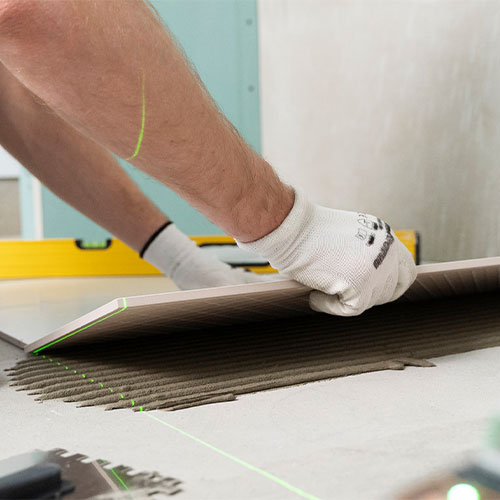
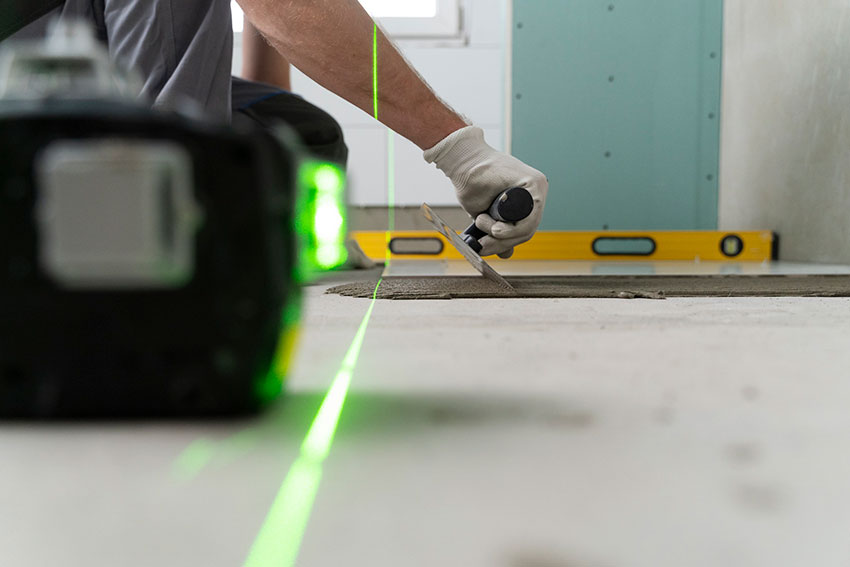
Fire performance is not determined by the visible flooring material alone. The complete flooring system can include the subfloor, underlayment, adhesive, cushion, coating, and installation method, all of which may influence how the finished system performs.
For this reason, homeowners should follow the flooring manufacturer’s approved installation instructions and verify which components are compatible with the selected product. Using a different adhesive, underlayment, or installation method may result in a system that does not match the conditions used for its documented testing.
The condition of the subfloor is also important. An uneven, damaged, or moisture-affected subfloor can create installation problems and reduce the long-term performance of the finished flooring.
Before beginning a flooring renovation, ask the contractor or manufacturer about the approved installation method, compatible materials, subfloor preparation requirements, and applicable fire-test documentation. Taking these steps helps ensure that the selected flooring performs as intended after installation.
Look for documented fire-test performance for the specific flooring product or system you are considering. NFPA identifies ASTM E648 and NFPA 253 as recognized test methods for determining the critical radiant flux of floor-covering systems. This makes verified test information more useful than a general statement that a flooring material is “fireproof.”
Official Source: NFPA – Fire Performance of Interior Floor Finishes
Builpire: Your Trusted Partner in Home Renovation
If you’re looking for high-quality fireproof flooring for homes, Builpire is your go-to partner. Specializing in home renovation and interior design, Builpire offers expert guidance and premium materials to help homeowners create beautiful and fire-safe spaces. Whether you need professional advice on selecting the best flooring or assistance with installation, Builpire ensures a seamless and satisfying experience.
Frequently Asked Questions
What is the best fire-resistant flooring for a home?
Ceramic and porcelain tile, natural stone, and concrete are among the most suitable flooring materials when fire resistance is a priority because these materials are noncombustible. However, the best option depends on the room, installation system, maintenance requirements, and applicable building-code requirements. Homeowners should also review manufacturer documentation rather than relying only on the term “fireproof.”
Is vinyl flooring fire-resistant?
Vinyl flooring should not automatically be considered fireproof. Some vinyl flooring products are tested for specific fire-performance characteristics, but performance varies by product and installation system. Before purchasing, check the manufacturer’s technical documentation and applicable fire-test results for the exact flooring product you are considering.
Is engineered hardwood fire-resistant?
Engineered hardwood is not a noncombustible flooring material because it contains wood components. Some products may have specific fire-performance characteristics or treatments, but that does not make the material completely fireproof. If fire resistance is a primary concern, homeowners should compare the product’s documented fire performance with noncombustible options such as ceramic tile, porcelain tile, stone, or concrete.
Does flooring installation affect fire performance?
Yes. Flooring should be evaluated as an installed system rather than only by its visible surface material. Underlayment, adhesive, cushion, subfloor, coatings, and installation methods can affect the performance of the finished flooring system. Following the manufacturer’s approved installation requirements is therefore important when fire performance is a consideration.
How can I check whether flooring has been tested for fire resistance?
Start by checking the manufacturer’s technical data sheet and product documentation for applicable fire-test standards and ratings. ASTM E648 is one standard used to evaluate the critical radiant flux of floor-covering systems. The specific test result should be reviewed for the exact product and installation configuration rather than assuming that every flooring product made from the same material has identical fire performance.