









Modern Home Lighting Ideas: Transform Your Space with the Right Illumination
Modern home lighting is no longer just about choosing attractive fixtures. Today, homeowners are looking for lighting solutions that improve how a space looks, functions, and feels throughout the day. From layered lighting and strategically placed task lights to dimmable LEDs and smart lighting controls, the right combination can make a room feel more spacious, comfortable, and purposeful while complementing its architectural and interior design.
Whether you are renovating a single room or planning lighting for an entire home, the best approach starts with understanding how each space is used. A kitchen may require focused illumination for countertops and food preparation, while a living room may benefit from softer ambient lighting, accent lighting, and adjustable fixtures. By combining different lighting layers and choosing the right brightness, color temperature, and fixture placement, homeowners can create interiors that are both visually appealing and practical.
Modern Home Lighting Ideas: Key Takeaways
Modern home lighting is about more than choosing attractive fixtures. A successful lighting plan combines aesthetics, functionality, energy efficiency, and flexibility to create spaces that work well throughout the day.
- Use layered lighting by combining ambient, task, and accent sources.
- Choose LED fixtures based on lumens, color temperature, CRI, and overall performance rather than wattage alone.
- Match lighting to the function of each room, from kitchens and home offices to bedrooms and living spaces.
- Use dimmers and smart controls to create flexible lighting scenes for different activities.
- Consider tunable lighting when you want to adjust brightness and color temperature throughout the day.
- Plan smart lighting compatibility and controls before beginning a major renovation or electrical installation.
- Use outdoor lighting strategically to improve visibility while highlighting landscaping and architectural features.
- A professional lighting plan can help balance fixture placement, functionality, design, and long-term performance.
Transform Your Space with BUILPIRE – Book Your Consultation Today!
The Best Modern Home Lighting Ideas for Every Space
Layered Lighting for a Balanced Look
A well-lit home incorporates multiple lighting layers to achieve the perfect balance. Combining ambient, task, and accent lighting ensures that each space is functional and visually appealing.
- Ambient lighting: Provides general illumination for the room.
- Task lighting: Focuses on specific areas like reading corners or kitchen countertops.
- Accent lighting: Highlights architectural features, artworks, or decor elements.
How to Choose the Right Light Output, CRI, and Color Temperature
Choosing a light fixture based only on its appearance can lead to a room that looks beautiful but does not function well. A better approach is to consider three important lighting specifications: lumens, color temperature, and Color Rendering Index (CRI).
Lumens: Measure Brightness, Not Watts
When shopping for modern LED lighting, pay attention to lumens rather than using wattage as a direct measure of brightness. Lumens indicate how much visible light a bulb or fixture produces, while watts measure how much electrical power it consumes.
For example, two LED fixtures can use different amounts of electricity while producing a similar amount of light. This makes lumens a more useful comparison when deciding whether a fixture provides enough illumination for a particular room.
The lighting requirements will also vary depending on the room’s size, ceiling height, surface finishes, natural light, and intended use. A kitchen work area, for example, generally requires more focused illumination than a hallway used primarily for circulation.
Color Temperature: Match the Light to the Atmosphere
Color temperature is measured in Kelvin (K). Lower Kelvin values generally produce warmer, more yellow-toned light, while higher values create a cooler, whiter appearance.
Warm light around 2700K–3000K can work particularly well in bedrooms, living rooms, and dining areas where a comfortable atmosphere is a priority. Neutral or cooler light can be useful in kitchens, home offices, and other areas where visual clarity and task performance are important.
Instead of selecting one color temperature for the entire house, consider how each room is used throughout the day. Tunable-white lighting can provide additional flexibility by allowing the color temperature to change when the room’s function changes.
Tunable lighting can provide more flexibility than using one fixed color temperature throughout the home. Depending on the system, homeowners can use warmer light for evening environments and cooler or brighter settings during daytime activities.
CRI: How Accurately Colors Appear
Color Rendering Index, or CRI, indicates how accurately a light source reveals colors compared with a reference light source. A higher CRI can be particularly valuable in areas where accurate color perception matters, such as kitchens, bathrooms, dressing areas, and spaces displaying artwork or decorative materials.
For a renovation project, it is useful to evaluate CRI alongside brightness and color temperature rather than treating any one specification as the deciding factor.
The goal is not simply to install the brightest lights available. The goal is to create the right combination of light output, color quality, and color temperature for how each space is actually used.
Smart Lighting Systems
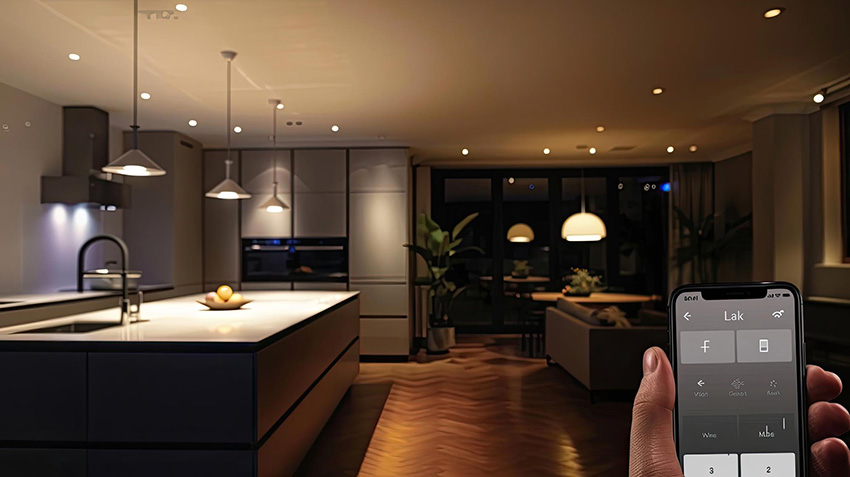
Smart lighting allows homeowners to control brightness, color temperature, and scheduling via apps or voice commands. Features include:
- Motion sensor lighting
- Automated dimming
- Color-changing LEDs
- Voice and remote control accessibility
- Integration with home automation systems
Before choosing a smart lighting system, decide which features you actually need. Smart lighting can include dimming, white color tuning, scheduling, motion sensors, geofencing, voice control, and remote access, but not every product provides the same functionality.
Modern Lighting Ideas by Room: Designing Light Around How You Live
The best modern home lighting plan does not use the same type of illumination in every room. Each space has different visual requirements, furniture arrangements, and daily activities. Designing the lighting around the way a room is used can make the entire home feel more comfortable and intentional.
Living Room Lighting
Living rooms benefit from a combination of ambient, accent, and task lighting. A central ceiling fixture can provide general illumination, while floor lamps, table lamps, wall lighting, or concealed LED strips can create additional layers.
For a flexible setup, use dimmable fixtures and separate lighting zones. This allows the same room to transition from brighter daytime illumination to softer evening lighting without relying on a single fixture.
Kitchen Lighting
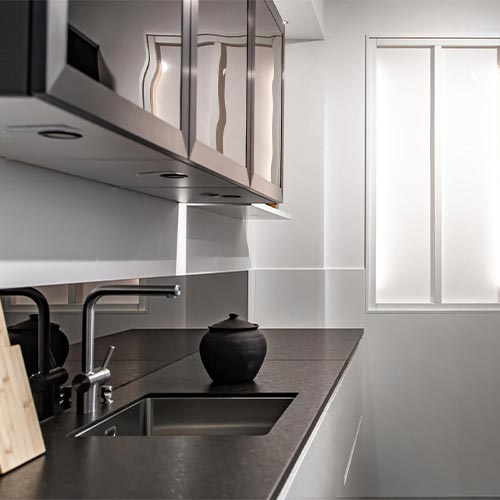
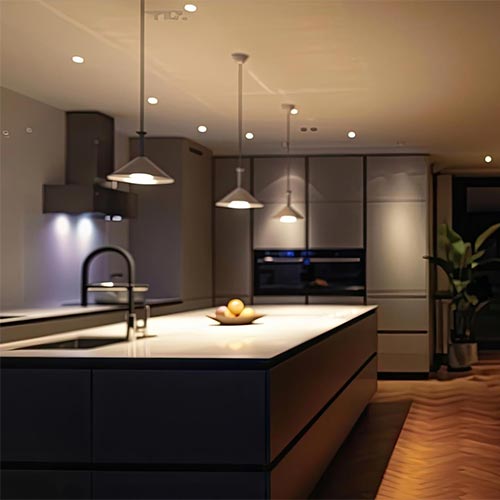
Kitchen lighting needs to support both general visibility and detailed tasks. Recessed ceiling fixtures can provide ambient illumination, while under-cabinet lighting can reduce shadows across countertops.
Pendant fixtures can also add visual interest above kitchen islands or dining areas. When selecting these fixtures, consider their size, mounting height, beam direction, and relationship to the surrounding cabinetry.
Bedroom Lighting
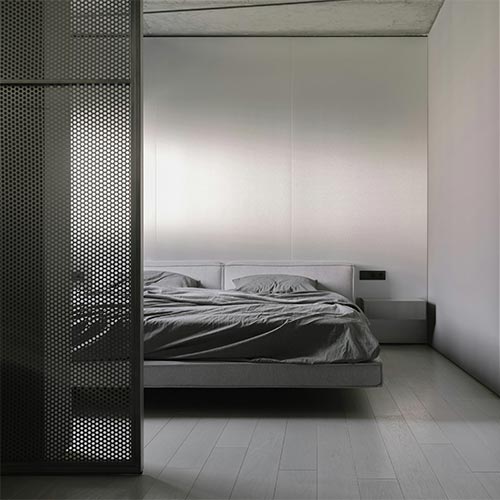
Bedroom lighting should prioritize comfort and flexibility. Warm, dimmable lighting works well for general evening use, while bedside lamps provide focused illumination for reading without requiring the entire room to be brightly lit.
Layering multiple lower-intensity sources can often create a more relaxing environment than relying on one high-output ceiling fixture.
Bathroom Lighting
Bathrooms require practical lighting for grooming tasks while also benefiting from softer ambient illumination. Mirror or vanity lighting should be positioned carefully to provide useful facial illumination and minimize unwanted shadows.
Fixtures should also be selected according to the conditions of the installation area, including moisture exposure and applicable electrical requirements.
Home Office Lighting
A home office should combine general illumination with dedicated task lighting. A desk lamp can provide focused light for reading or computer-related tasks, while ambient lighting helps prevent the workspace from feeling visually isolated from the rest of the room.
Adjustable and dimmable fixtures can be especially useful when the room serves multiple purposes throughout the day.
Hallways and Transitional Spaces
Hallways do not necessarily need high-output lighting. Recessed fixtures, wall sconces, or strategically placed accent lights can provide sufficient visibility while reinforcing the home’s overall design language.
The key is consistency. Lighting transitions between rooms should feel intentional rather than making each area appear completely disconnected from the next.
Outdoor Living Areas
Outdoor lighting can extend the functionality of patios, decks, walkways, and landscaped areas after sunset. Pathway lighting can improve visibility, while accent lighting can highlight trees, architectural details, or outdoor features.
For exterior installations, fixture durability, weather exposure, placement, and control options should be considered as part of the overall lighting plan.
Smart Lighting Automation: More Than Just Controlling Lights from Your Phone
Smart lighting has evolved beyond simply turning a bulb on or off from a smartphone. Modern systems can combine dimming, color-temperature adjustment, scheduling, motion detection, scenes, and voice control to make lighting more responsive to everyday routines.
Create Lighting Scenes for Different Activities
Instead of manually adjusting individual fixtures, homeowners can create scenes for specific activities. A morning scene might use brighter, cooler light, while an evening scene can transition to warmer and lower-intensity illumination.
This approach is particularly useful in rooms that serve multiple purposes. A living room, for example, may need brighter lighting for cleaning or reading but softer illumination for entertaining or relaxing.
Use Scheduling and Automation
Automated schedules can turn lights on or off at predetermined times or coordinate lighting with sunrise and sunset. Some systems can also respond to motion or occupancy.
ENERGY STAR notes that smart lighting products can offer features such as remote control, dimming, white color tuning, scheduling, sensors, geofencing, and voice control. However, available features vary significantly between products, so homeowners should determine which functions they actually need before choosing a system.
Plan for Compatibility Before Installation
Smart lighting should be considered as part of the home’s overall electrical and technology plan. Before selecting products, check compatibility with existing switches, dimmers, control systems, voice assistants, and the home’s preferred connectivity method.
This is especially important during a renovation. Planning the lighting controls before walls are closed or fixtures are installed can prevent unnecessary changes later.
Think About the Whole Lighting Ecosystem
A successful smart lighting installation is not necessarily the one with the most features. It is the one that provides useful control without making everyday operation complicated.
Homeowners should consider which rooms need automation, whether they want adjustable white light or full-color control, how lights will be controlled when someone is not home, and whether the system can expand as the home evolves.
When planned correctly, smart lighting can become an integrated part of the home’s design rather than a collection of disconnected smart devices.
Statement Chandeliers and Pendants
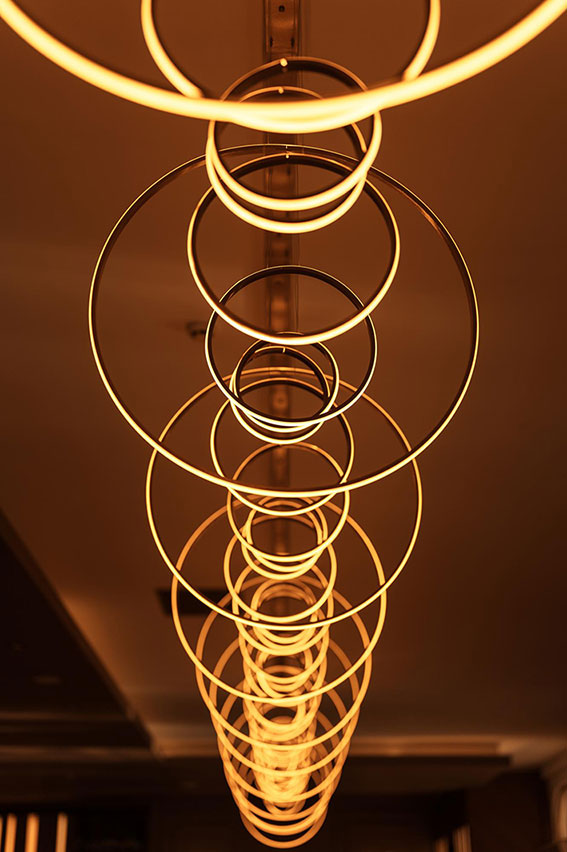
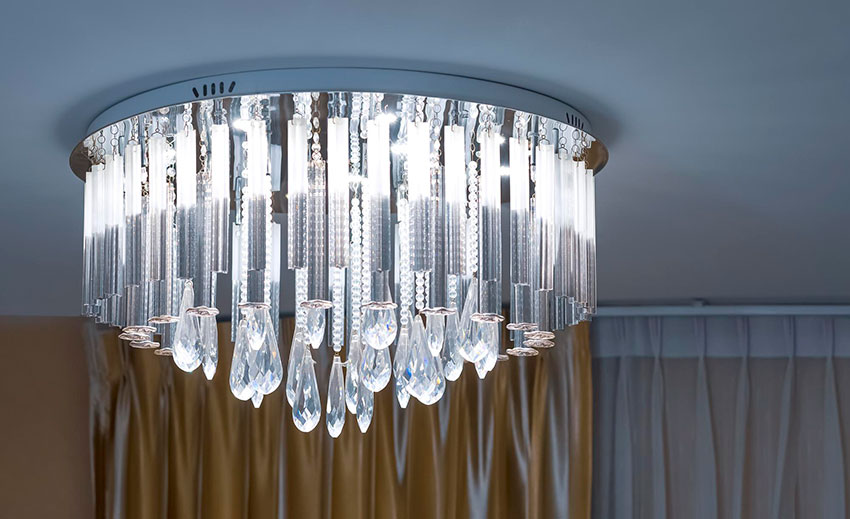
Bold chandeliers and pendant lights serve as focal points in modern homes. Whether you opt for geometric shapes or organic designs, these fixtures add a touch of sophistication.
- Choose minimalist or industrial pendant lights for a contemporary look.
- Opt for cascading chandeliers to add a sense of grandeur.
- Consider LED-integrated fixtures for energy efficiency.
Recessed and Track Lighting
Perfect for minimalist interiors, recessed and track lighting provides seamless illumination without cluttering the ceiling. Adjustable track lights allow for directional lighting to highlight specific areas.
- Ideal for kitchens, hallways, and modern living spaces.
- Use dimmable options to create adaptable lighting settings.
- Combine with other light sources for a balanced effect.
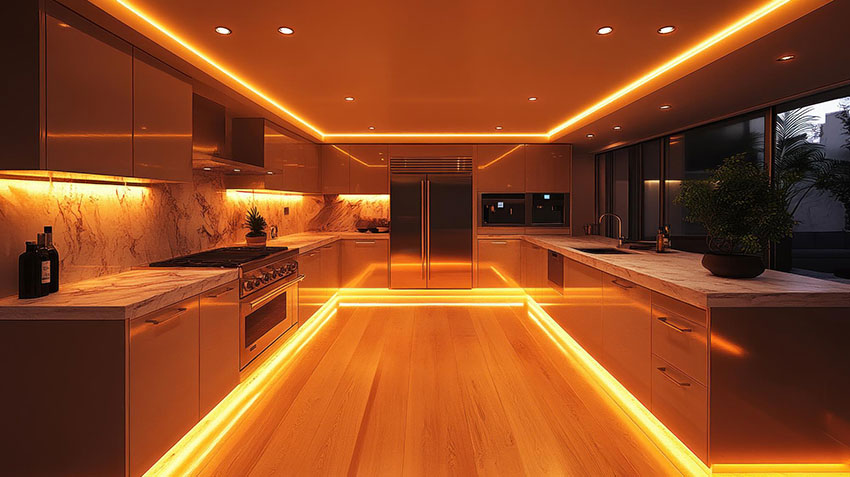
LED Strip Lighting
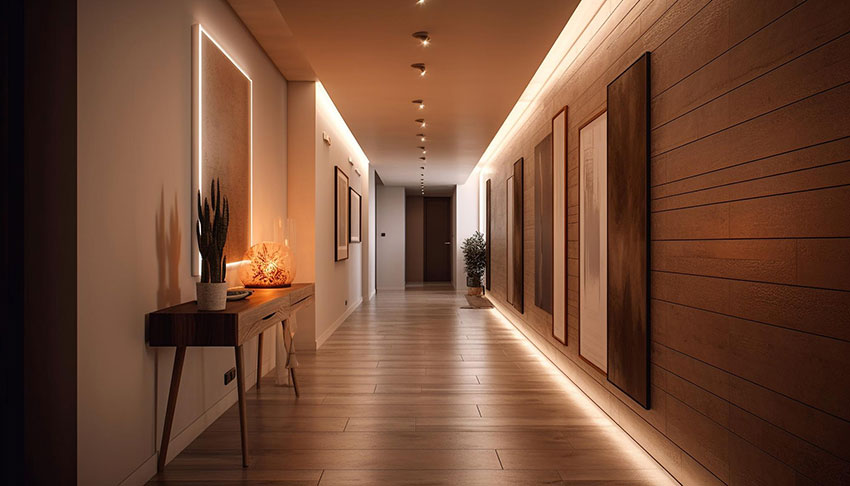
LED strips can be used under cabinets, along staircases, or behind mirrors to add a futuristic glow. They are energy-efficient and offer a variety of color options.
- Perfect for accentuating furniture and decor elements.
- Choose color-changing LEDs to create different moods.
- Use motion-activated LED strips for added convenience.
When comparing LED lighting, focus on lumens rather than wattage when evaluating brightness. Lumens indicate the amount of visible light produced, while wattage measures electrical power consumption.
Floor and Table Lamps for Versatile Lighting
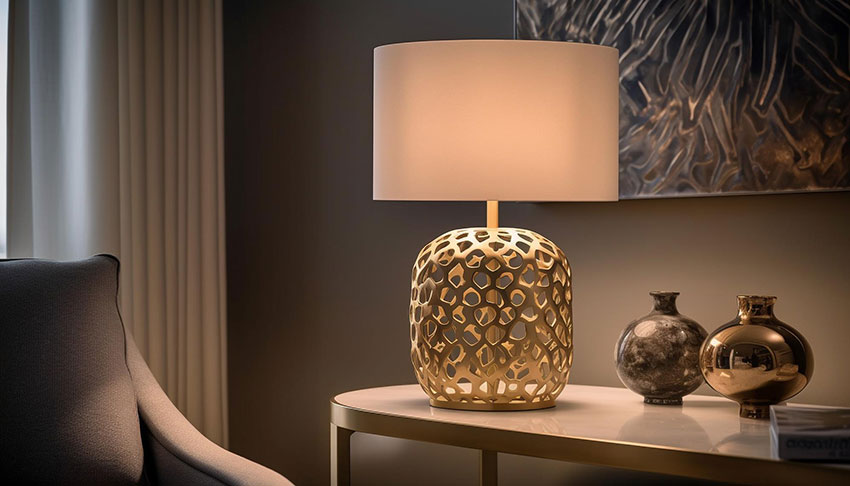
Freestanding lamps are excellent additions to modern spaces, offering flexibility and style.
- Arc floor lamps can provide both task and ambient lighting.
- Table lamps with smart bulbs allow easy customization.
- Use lamps with adjustable brightness for optimal control.
Outdoor and Landscape Lighting
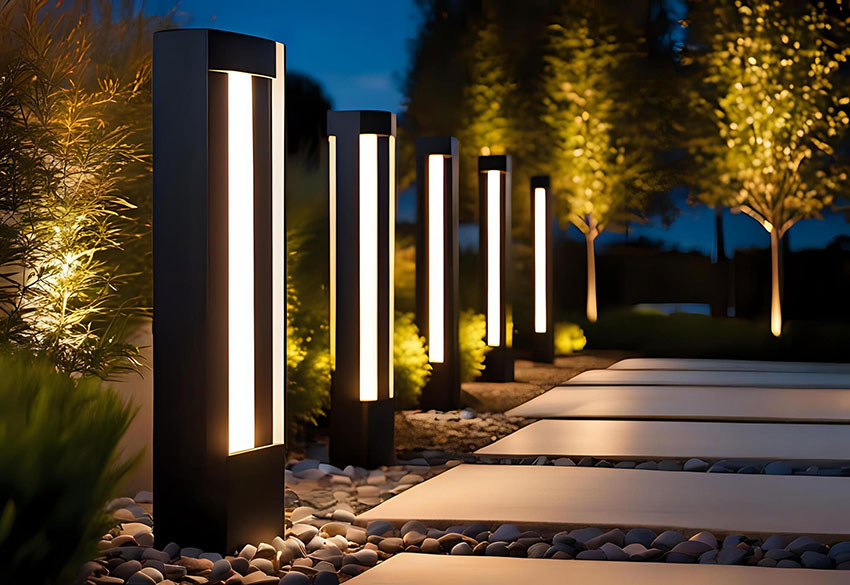
Modern lighting isn’t limited to interiors; outdoor spaces can also benefit from strategic illumination.
- Solar-powered garden lights enhance sustainability.
- LED floodlights improve security.
- Pathway lights add charm to walkways and gardens.
Why Choose Builpire for Your Home Lighting and Interior Design?
Builpire is a trusted name in home renovation and interior design, specializing in modern lighting solutions. Whether you need expert guidance on choosing the right fixtures or a complete lighting makeover, Builpire offers tailored solutions to enhance your living space. Their team of professionals ensures that each project reflects the latest trends in modern home lighting, combining aesthetics with functionality.
Builpire provides:
- Custom lighting plans to suit your unique space.
- High-quality fixtures from top manufacturers.
- Energy-efficient solutions for long-term savings.
- Professional installation services to ensure safety and precision.
- Expert consultations to help you select the best lighting for your needs.
Transform your home with Builpire’s innovative lighting designs and experience a blend of style and functionality like never before.
For more ideas and guidance, follow us on Instagram.
Frequently Asked Questions
How many lumens do I need for a room?
The appropriate number of lumens depends on several factors, including the room’s size, ceiling height, natural daylight, surface finishes, and how the space is used. Instead of selecting lighting based only on wattage, compare fixtures by their lumen output and consider how multiple light sources will work together. Kitchens, work areas, and task zones may require more focused illumination, while bedrooms and living rooms can benefit from a combination of ambient and lower-intensity lighting. A professional lighting plan can help determine the right balance without creating excessive brightness or glare.
Is 2700K or 3000K better for a modern home?
Neither color temperature is universally better. Both 2700K and 3000K produce warm white light, but 2700K generally appears warmer and more traditional, while 3000K offers a slightly cleaner and more neutral appearance. Bedrooms, living rooms, and dining areas often work well with warmer light, while 3000K can be a practical choice when homeowners want a contemporary appearance without moving into distinctly cool lighting. The best choice depends on the room, finishes, furniture, and desired atmosphere.
What is CRI and why does it matter in home lighting?
CRI, or Color Rendering Index, describes how accurately a light source reveals colors compared with a reference light source. A higher CRI can be useful in spaces where accurate color appearance matters, including kitchens, bathrooms, dressing areas, art displays, and rooms with carefully selected finishes. When comparing LED fixtures, homeowners should consider CRI together with lumen output, color temperature, beam distribution, and energy efficiency rather than choosing a fixture based on brightness alone.
Are smart lights worth it for a home renovation?
Smart lighting can be worthwhile when homeowners will actually use features such as dimming, scheduling, scenes, color-temperature adjustment, motion sensing, remote access, or voice control. However, smart lighting is not automatically the best choice for every room. ENERGY STAR recommends considering the specific functionality needed for each space because smart lighting products can differ significantly in features and connectivity. During a renovation, it is also important to consider compatibility with switches, dimmers, controls, and the home’s broader automation system before installation.
How can I avoid making my home lighting too bright or harsh?
Avoid relying on a single high-output fixture to illuminate an entire room. Instead, combine ambient, task, and accent lighting so that each source has a specific purpose. Dimmable fixtures can provide additional flexibility, while warmer light can create a softer atmosphere in spaces intended for relaxation. Proper fixture placement is also important because glare, reflections, and poorly directed light can make a room feel uncomfortable even when the total light output is high.