


Fun & Creative Kids Room Interior Decoration Services
Designing a child’s bedroom goes beyond choosing colors, furniture, and decorative accessories. Professional kids’ room interior design services focus on creating a space that supports play, learning, relaxation, and a child’s changing needs. From smart storage solutions and flexible layouts to personalized themes and child-safe design choices, every detail should balance creativity with everyday functionality. At Builpire, thoughtful interior design helps homeowners transform ordinary bedrooms into comfortable, engaging spaces that reflect their child’s personality while remaining practical for years to come.
Article Summary
- Professional kids’ room interior design combines creativity, comfort, functionality, and age-appropriate safety considerations.
- A flexible layout, adaptable furniture, and practical storage help a child’s bedroom evolve as their needs change.
- Furniture anchoring, suitable materials, organized cords, and clear pathways are important considerations when planning a child-friendly space.
- The cost of a bedroom design project depends on room size, materials, customization, labor, and the overall scope of work.
- A written project estimate helps homeowners understand what is included, compare proposals, and manage their budget.
- Builpire helps homeowners explore personalized interior design and remodeling solutions based on their space, preferences, and project goals.

Transform Your Space with BUILPIRE – Book Your Consultation Today!
Why Kids Room Decoration Matters
Children spend a large part of their lives in their rooms, whether it’s playing, reading, studying, or simply relaxing. A well-designed room can positively impact a child’s mood, behavior, and learning ability. Studies show that colors, lighting, and furniture arrangements can influence creativity, concentration, and sleep quality. By investing in professional decoration, parents ensure that their kids’ rooms are designed with these developmental benefits in mind.
Key Elements of Kids Room Interior Decoration
-
Color Schemes – Bright, playful colors stimulate creativity, while calming tones promote relaxation.
-
Theme Selection – Personalized themes like jungle, outer space, or princess castles spark imagination.
-
Safety Measures – Rounded furniture edges, non-toxic paints, and secure shelving are essential.
-
Multi-Functional Furniture – Beds with storage, foldable desks, and modular shelves maximize space.
-
Lighting Design – A mix of natural light, soft lamps, and task lighting supports various activities.
-
Storage Solutions – Toy bins, wall-mounted racks, and under-bed storage reduce clutter.
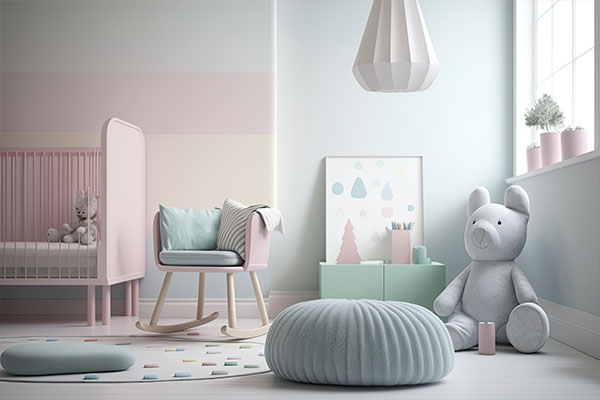
How to Design a Kids’ Room That Grows With Your Child
A well-designed kids’ room should support more than a child’s current interests. It should also accommodate changing routines, physical growth, and new activities over time. Instead of investing in a highly themed room that may quickly feel outdated, consider a flexible design built around adaptable furniture, practical storage, and timeless finishes.
For Toddlers and Preschoolers
Young children benefit from accessible storage, open floor space, and furniture scaled to their needs. Keep frequently used toys within easy reach, choose stable furniture, and leave enough room for supervised play. Wall decorations and removable decals can introduce playful themes without requiring a complete room makeover.
For School-Age Children
As children begin spending more time reading, studying, and pursuing hobbies, their rooms need clearly defined activity zones. A comfortable desk, appropriate task lighting, accessible bookshelves, and organized storage can help create a practical environment without sacrificing play space. Involving children in selecting colors or decorative details can also make the room feel more personal.
For Tweens and Teenagers
Older children often need greater privacy, more storage for personal belongings, and space for studying, relaxing, and socializing. A neutral foundation, durable finishes, adjustable lighting, and easily replaceable accessories allow the room to evolve without requiring extensive remodeling.
The most cost-conscious approach is to invest in long-lasting essentials and update smaller details as your child grows. During the design consultation, discuss which elements should remain useful for several years and which can be changed easily. This helps create a room that feels age-appropriate today while remaining practical in the future.
Child-Safe Bedroom Design: Essential Details Parents Shouldn’t Overlook
A beautiful kids’ bedroom should also be designed with everyday safety in mind. Furniture placement, storage solutions, window coverings, electrical access, and material selection all deserve attention during the planning process. Safety should be considered from the beginning rather than treated as a finishing detail.
Furniture stability should be addressed before decorative styling begins. Dressers, bookcases, and other tall storage units should be secured using suitable anti-tip hardware installed according to the manufacturer’s instructions. Keep heavier items on lower shelves and avoid placing toys where children may be encouraged to climb. These practical measures align with guidance from the U.S. Consumer Product Safety Commission.
Secure Furniture and Wall-Mounted Storage
Dressers, bookcases, wardrobes, and other tall furniture can tip over if children climb on them or pull on drawers. Secure suitable furniture to wall studs or use appropriate anti-tip hardware according to the manufacturer’s instructions. Heavy objects should be stored on lower shelves, and tempting toys should not be placed where children must climb to reach them. The U.S. Consumer Product Safety Commission provides additional guidance through its Anchor It! furniture safety campaign.
Choose Materials With Indoor Air Quality in Mind
Paints, finishes, adhesives, and some furnishings may release volatile organic compounds (VOCs) into indoor air. When selecting materials, review product labels, manufacturer instructions, and available emissions information instead of relying on vague terms such as “eco-friendly” or “non-toxic.” Provide adequate ventilation during painting and remodeling, and follow the recommended re-entry and curing instructions before the room is used again. The U.S. Environmental Protection Agency’s VOC guidance offers further information.
Do not select paint solely because it is marketed as low-VOC or zero-VOC. Review the full product specifications, application requirements, and manufacturer guidance, and provide adequate ventilation during and after application. The U.S. Environmental Protection Agency notes that low-VOC products can still contain or emit other undesirable compounds, so the complete product composition matters when planning a child’s bedroom.
Plan for Cords, Windows, and Clear Pathways
Keep electrical cords organized and out of children’s reach, select window-covering products with appropriate child-safety features, and avoid placing climbable furniture next to windows. Maintain clear pathways between the bed, door, and main activity areas. Age-appropriate safeguards should be selected according to the child’s mobility and the specific features of the room.
Make Safety Part of the Design Process
During a professional room-planning consultation, review furniture anchoring, material specifications, lighting placement, and storage access before finalizing the layout. Building these considerations into the design early can reduce avoidable changes later and help parents make more informed decisions about their child’s room.
Popular Design Trends in 2026
-
Interactive Walls with chalkboard or magnetic panels.
-
Sustainable Materials like bamboo and recycled wood.
-
Smart Technology Integration such as adjustable lighting and interactive learning corners.
-
Biophilic Design with plants and natural textures to create a calming atmosphere.
Benefits of Hiring Professional Services
-
Time-Saving: Parents can focus on other responsibilities while professionals handle design.
-
Expert Knowledge: Decorators understand child psychology, ergonomics, and design trends.
-
Personalization: Every detail is customized to suit the child’s personality.
-
Long-Term Value: Well-designed rooms can be adapted as children grow.
-
Stress-Free Process: From planning to execution, everything is managed efficiently.
How to Budget for Kids’ Room Interior Design
The cost of designing a child’s bedroom depends on the size of the space, the existing room condition, furniture requirements, material selections, and the level of customization. Refreshing paint and rearranging existing furniture is very different from a full renovation involving built-in storage, electrical changes, custom cabinetry, and new flooring. For this reason, a personalized estimate is more useful than relying on a single price range.
Before approving a remodeling proposal, request a written scope of work that identifies included materials, labor, installation, allowances, exclusions, and the process for handling changes. This makes competing estimates easier to compare and helps homeowners understand which decisions may affect the final cost. Confirm all project-specific terms with the contractor before work begins.
Related Resource: U.S. EPA — Addressing Indoor Environmental Concerns During Remodeling
Separate Essential Improvements From Optional Upgrades
Start by identifying the changes that will have the greatest impact on safety and everyday functionality. These may include securing unstable furniture, improving storage, creating a practical study area, or replacing damaged finishes. Decorative wall treatments, elaborate themes, premium hardware, and custom accessories can be evaluated separately according to the available budget.
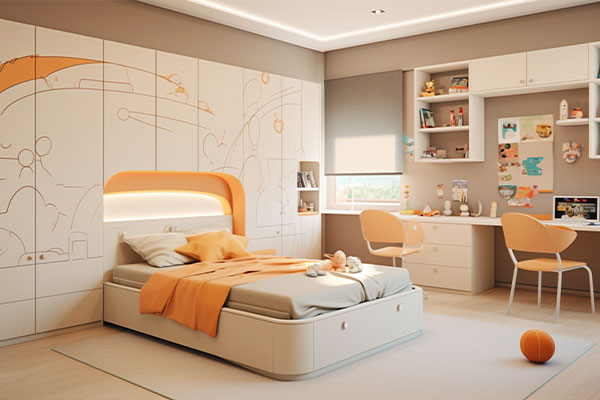
Understand What Your Estimate Includes
Before approving a proposal, clarify whether the quoted price covers design planning, materials, furniture, labor, delivery, installation, and project management. Ask whether permits or electrical work may be required, how revisions are handled, and which conditions could result in additional costs. Comparing estimates on the basis of the same scope of work makes it easier to evaluate value rather than price alone.
Invest in Long-Term Flexibility
Choosing durable furniture, adaptable storage, and a versatile color palette can reduce the need for major updates as children grow. However, not every premium material or custom feature provides equal value. Prioritize the elements that improve daily use, fit the room’s dimensions, and meet the family’s actual needs.
At Builpire, a consultation can help homeowners define their priorities, discuss design possibilities, and establish a project scope before moving forward. Request an estimate based on your room dimensions, desired changes, material preferences, and budget so that the proposed solution reflects the actual project rather than a generic package.
Tips for Parents
-
Involve your child in the design process to make them feel connected to the space.
-
Focus on flexibility, as kids grow quickly, and their needs change.
-
Choose durable, easy-to-clean materials.
-
Avoid overcrowding the room with too many decorative items.
-
Balance fun with practicality—rooms should inspire but also support study and rest.
For more ideas and guidance, follow us on Instagram.
Conclusion
Decorating a child’s room is more than just a design project—it’s an opportunity to create an environment that fosters creativity, comfort, and growth. Professional kids room interior decoration services make this process seamless, ensuring that every detail is carefully thought out, safe, and inspiring. By blending functionality with fun, these services help families transform ordinary rooms into extraordinary spaces.
If you are looking for a trusted partner in home renovation and decoration, Builpire stands out as a leading company offering expert services in interior design and remodeling. With their creativity, professionalism, and attention to detail, Builpire can help you design the perfect kids’ room and beyond.
Frequently Asked Questions About Kids’ Room Interior Design
How much does it cost to design a child’s bedroom?
The cost of designing a child’s bedroom depends on the room’s size, the scope of work, furniture choices, materials, and the level of customization. A simple refresh using existing furniture may cost significantly less than a complete renovation with custom cabinetry, new flooring, lighting upgrades, and built-in storage. Request an itemized estimate that separates design fees, materials, labor, installation, and optional upgrades. This makes it easier to compare proposals and prioritize improvements that fit your budget.
How can I design a small kids’ bedroom to maximize space?
Start by measuring the room and identifying the essential furniture before choosing decorative elements. Use vertical storage where appropriate, consider beds with built-in drawers, and choose appropriately sized desks and wardrobes. Keep the main walking paths clear and avoid filling every wall with furniture. A flexible layout with defined sleeping, playing, and studying areas can make a small bedroom more practical without making it feel crowded. Custom storage may be useful when standard furniture does not fit the room’s dimensions.
What is the safest way to decorate a child’s bedroom?
Safety should be considered in the layout, furniture selection, materials, and finishing details. Secure suitable dressers, bookcases, and other tall furniture to the wall using appropriate anti-tip devices. Keep cords out of reach, choose suitable window coverings, and use materials according to their labels and installation instructions. Provide adequate ventilation during painting and remodeling, and allow products to cure or dry as directed. Safety requirements vary with a child’s age and mobility, so the design should account for the specific needs of the child and room.
How do I choose a kids’ bedroom design that will last as my child grows?
Choose a flexible foundation with durable flooring, versatile wall colors, adaptable storage, and furniture that can serve changing needs. Instead of building the entire room around a temporary character or theme, introduce personal interests through bedding, artwork, removable wall decals, and accessories. As children grow, study areas, privacy, and storage may become more important than open play space. Planning for these changes from the beginning can reduce the need for major redesigns later.
How long does a kids’ bedroom remodeling project take?
The timeline depends on whether the project involves decorating, painting, furniture installation, custom cabinetry, or more extensive construction. A project limited to rearranging furniture and adding accessories generally requires less time than work involving multiple trades, material orders, or electrical changes. Before the project starts, ask for a schedule that covers design approval, ordering, preparation, installation, and final inspection. Material availability, unforeseen conditions, and changes to the original scope can affect the completion date.

