




Minimalist Home Renovation Guide – Simplify Your Living Space
A well-planned minimalist home renovation can transform a home into a space that feels more functional, comfortable, and visually balanced. Modern minimalism is no longer limited to clean lines and neutral colors; it focuses on making thoughtful design decisions, improving how each room is used, and reducing unnecessary visual clutter. Whether you are renovating an entire home or updating a single room, the right approach can create a simpler space without sacrificing warmth, personality, or everyday functionality.
Article Summary
- Minimalist renovation is about creating a home that is intentional, functional, and visually calm—not simply removing furniture and decorations.
- Effective space planning should reflect how each room is actually used and prioritize practical storage and comfortable circulation.
- Lighting, natural daylight, energy efficiency, and material selection should be considered as part of the renovation strategy.
- Durable, complementary materials can create a cohesive minimalist interior while reducing unnecessary maintenance and replacement.
- A successful minimalist renovation balances simplicity with comfort, personality, performance, and long-term usability.
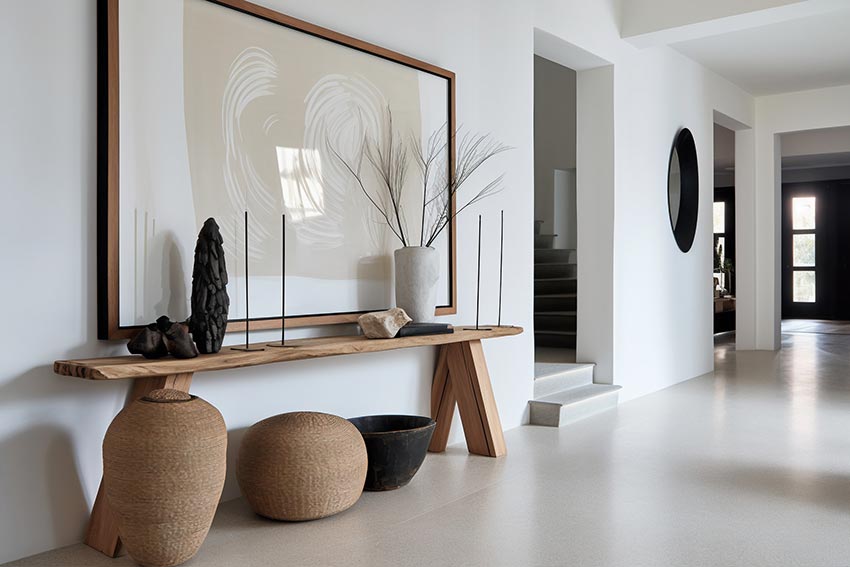
Transform Your Space with BUILPIRE – Book Your Consultation Today!
Understanding Minimalism in Home Design
Minimalism isn’t just an aesthetic—it’s a lifestyle. At the core of minimalist renovation is the idea of intentional living. Every element in the home must serve a purpose or bring joy. Avoiding excess and focusing on clean lines, neutral tones, and open spaces are key to this concept. A successful Minimalist home renovation guide begins with a mindset shift: prioritize quality over quantity.
Planning Your Minimalist Renovation
Before you begin tearing down walls or buying new furniture, take time to plan. List your renovation goals, identify which areas need the most attention, and outline your budget. A minimalist renovation doesn’t have to be expensive; it just needs to be thoughtful. Stick to the essentials, and use this Minimalist home renovation guide to avoid common pitfalls like over-purchasing or inconsistent design themes.
Before finalizing a renovation plan, evaluate the project through the lens of how the household actually uses the home. Current residential remodeling guidance emphasizes lifestyle, traffic patterns, and room function when deciding which areas to renovate and how to configure them.
Designing for Function: Make Every Square Foot Work Harder
Minimalist renovation is not simply about having fewer pieces of furniture. The real goal is to make the available space work better for the way you live. Before removing walls, adding built-ins, or purchasing new furniture, consider how each area is actually used throughout the day.
Start by identifying repeated problems. Is the kitchen difficult to move through? Does the entryway become cluttered? Are frequently used items stored too far away? Does a bedroom need to serve as both a sleeping area and a workspace? These practical questions can reveal opportunities to improve the layout without adding unnecessary elements.
Storage is especially important in a minimalist home. Instead of relying on more cabinets and shelves, prioritize storage that is integrated into the architecture. Full-height cabinetry, built-in wardrobes, under-stair storage, recessed niches, and furniture with concealed compartments can keep everyday items accessible while reducing visual clutter.
A functional minimalist renovation should also leave enough open space for comfortable movement. The objective is not to fill every available area, but to create a layout where circulation feels natural and each room supports its primary purpose.
This approach turns minimalism from a visual style into a practical renovation strategy: fewer distractions, better organization, and more useful space.
Minimalist Living Room Transformation
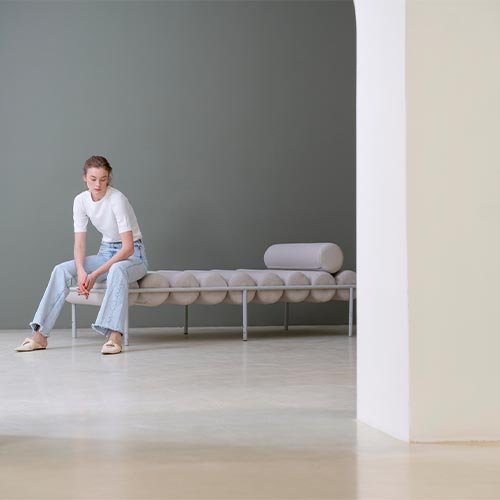
The living room sets the tone for the entire home. Begin by removing any furniture or decor items that do not serve a clear purpose. Select a cohesive color palette—whites, grays, and earth tones work well. Choose furniture with clean silhouettes and incorporate smart storage solutions to maintain order. Plants can also be used sparingly to add life without adding clutter.
Designing a Minimalist Kitchen
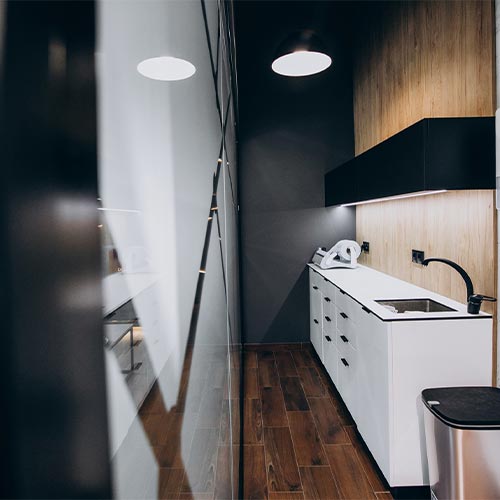
Kitchens are often cluttered with gadgets and appliances. A minimalist kitchen should be functional, with a clear workflow and easy access to everyday tools. Choose flat-paneled cabinetry, hidden handles, and a minimal color scheme. Open shelving can be utilized for a clean, airy feel—just be cautious not to overload them.
Creating a Serene Minimalist Bedroom
Your bedroom should be a sanctuary. A minimalist bedroom design focuses on rest and relaxation. Opt for low-profile furniture, soft lighting, and textiles in muted tones. Keep nightstands clear and use under-bed storage to hide items. This Minimalist home renovation guide recommends removing technology from the bedroom when possible, as it disrupts the peaceful vibe.
Functional and Clutter-Free Bathrooms
Minimalist bathrooms are all about cleanliness and simplicity. Use floating vanities, frameless mirrors, and wall-mounted faucets. Keep toiletries stored out of sight. Add natural elements like stone or wood for warmth without excess. With minimal distractions, the bathroom becomes a place of calm.
Choosing Materials and Finishes
Materials matter in minimalist design. Go for high-quality finishes that don’t require excessive detailing. Matte black, brushed steel, and natural wood are common choices. Flooring should be consistent throughout to create a seamless look. Use this Minimalist home renovation guide to help you source durable, timeless materials.
Lighting and Natural Elements
Lighting plays a crucial role in minimalism. Maximize natural light through large windows and sheer curtains. Use layered lighting—ambient, task, and accent—to enhance mood and function. Natural materials like linen, bamboo, and wool soften the space without overwhelming it.
When planning minimalist lighting, think in layers rather than relying on a single ceiling fixture. Combining ambient, task, and accent lighting allows each area to be illuminated according to its function while reducing unnecessary visual complexity.
Minimalist Renovation and Energy-Efficient Design
A minimalist home can look beautiful while also performing better. When planning a renovation, consider energy efficiency as part of the design rather than treating it as a separate upgrade.
Start with natural light. Well-positioned windows, lighter interior finishes, and carefully planned window treatments can help make better use of available daylight. However, natural light should be balanced with privacy, glare control, and the home’s climate.
Lighting should also be designed around how each room is used. Instead of relying on one bright fixture, combine ambient, task, and accent lighting. This layered approach can make a minimalist interior more comfortable while allowing lighting to be used where it is actually needed.
Other renovation decisions can have a larger impact on long-term performance. Depending on the home’s location and existing condition, improvements such as better insulation, air sealing, efficient windows, LED lighting, and high-efficiency appliances may be worth evaluating as part of the renovation plan.
The latest National Green Building Standard also places greater emphasis on resource efficiency and sustainable residential renovation. For homeowners, this means a minimalist remodel can be an opportunity to simplify the appearance of a home while improving how efficiently it operates.
The best minimalist renovation does not simply remove visual elements. It carefully coordinates design, comfort, durability, and performance.
The Role of Color in Minimalist Spaces
Stick with a neutral base and add depth through texture rather than color. Whites, beiges, and grays are staples. If you crave color, use it sparingly as an accent. Consistency is key, and a limited palette creates harmony and flow.
Maintaining a Minimalist Home Post-Renovation
A minimalist renovation is only the beginning. Maintenance is essential. Regularly audit your space to ensure new clutter doesn’t creep in. Adopt mindful purchasing habits and stay aligned with the principles in this Minimalist home renovation guide.
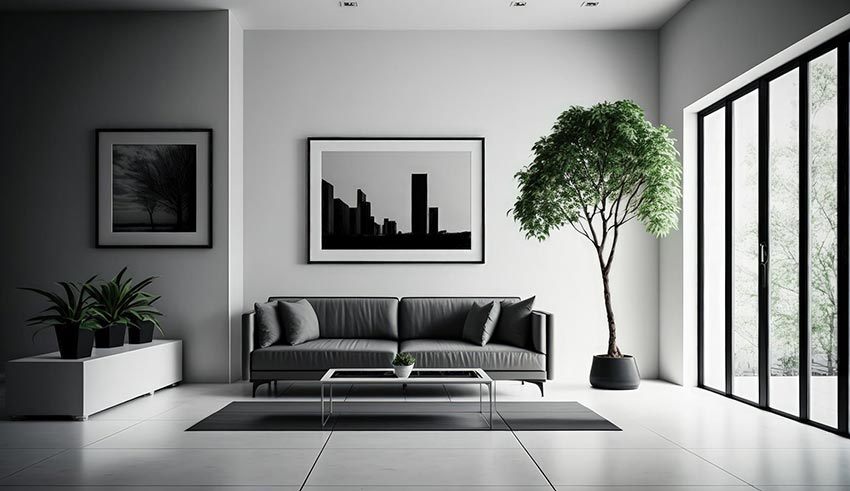
Choosing Minimalist Materials That Age Well
Minimalist interiors depend heavily on the quality and consistency of their materials. When there are fewer decorative elements, surfaces, cabinetry, flooring, and fixtures become more visually important. That makes material selection one of the most important decisions in a minimalist renovation.
Instead of choosing materials simply because they are currently popular, consider how they will perform over time. Look at durability, maintenance requirements, moisture resistance, repairability, and how well the material will work with the rest of the home’s design.
A restrained material palette can also make a renovation feel more cohesive. For example, repeating one flooring material across connected areas can create visual continuity, while using a small number of complementary finishes can prevent the space from feeling busy.
Sustainability can be considered at the same time. Depending on the application, homeowners may evaluate recycled, reclaimed, locally sourced, or responsibly certified materials. Durable materials that remain useful for many years can also reduce the need for frequent replacement.
The goal is not to use the most expensive materials available. It is to choose materials that support the home’s function, withstand everyday use, and maintain their visual appeal without requiring excessive maintenance.
In minimalist renovation, quality is often more noticeable than quantity. A carefully selected floor, countertop, cabinet finish, or wall treatment can contribute more to the overall result than adding additional decorative features.
For a renovation that is intended to last, evaluate materials based on durability, maintenance, resource efficiency, and lifecycle impact—not appearance alone. Reclaimed, recycled, locally sourced, or responsibly certified materials may be worth considering where they are appropriate for the application.
Why Choose Builpire for Your Minimalist Renovation?
When it comes to turning minimalist dreams into reality, Builpire is a trusted partner. Specializing in home renovation and interior design, Builpire takes your vision and transforms it into a functional, serene living space that reflects the essence of minimalism. With a keen eye for detail, high-quality craftsmanship, and a client-centered approach, Builpire ensures every project is executed with excellence.
For more ideas and guidance, follow us on Instagram.
Frequently Asked Questions About Minimalist Home Renovation
Is minimalist home renovation expensive?
Minimalist renovation is not automatically more or less expensive than other renovation styles. The total cost depends on the scope of work, structural changes, materials, cabinetry, fixtures, labor, and the condition of the existing home. A minimalist approach can help control unnecessary spending by prioritizing essential improvements, durable materials, and purposeful design decisions. However, high-quality built-ins, custom cabinetry, premium finishes, or major layout changes can increase the overall budget.
How can I create a minimalist home without losing storage?
The key is to make storage part of the design rather than treating it as an afterthought. Full-height cabinets, built-in wardrobes, under-stair storage, concealed compartments, recessed niches, and multifunctional furniture can provide practical storage while keeping the visual appearance clean. Before adding storage, identify which items need frequent access and which can be stored less visibly. This helps prevent a minimalist home from becoming difficult to use.
What materials work best for a minimalist renovation?
The best materials depend on the room, climate, household needs, and maintenance expectations. Durable flooring, simple cabinet finishes, natural materials, and easy-to-maintain surfaces can work well in minimalist interiors. Rather than choosing materials only for their appearance, consider durability, moisture resistance, maintenance, repairability, and how well each finish will age. A limited palette of complementary materials can also create a more cohesive result.
Can a minimalist renovation improve energy efficiency?
Yes. A renovation can incorporate energy-efficiency improvements alongside minimalist design. Depending on the home’s existing condition and location, homeowners may evaluate insulation, air sealing, windows, LED lighting, efficient appliances, and heating or cooling systems. Lighting design can also make better use of daylight while using ambient, task, and accent lighting according to the needs of each space.
How do I make a minimalist home feel warm instead of empty?
Minimalism does not require a completely white or visually sterile interior. Warmth can come from natural wood, textured fabrics, carefully selected lighting, plants, artwork, and a restrained combination of complementary finishes. The key is to reduce visual noise without removing the elements that make the home comfortable and personal. Instead of adding more objects, focus on choosing fewer pieces with useful functions and meaningful visual impact.