




Best Materials for Home Renovation
Choosing the best materials for home renovation is one of the most important decisions you’ll make during any remodeling project. The right materials don’t just improve your home’s appearance—they also affect durability, maintenance costs, energy efficiency, indoor comfort, and long-term property value. Whether you’re planning a complete home renovation or updating a single room, selecting products that balance performance, style, and budget can make a significant difference in the final outcome.
Today’s homeowners have access to an incredible range of renovation materials, from premium natural stone and hardwood to innovative engineered surfaces and eco-friendly alternatives. However, every material performs differently depending on where it’s installed, how it’s maintained, and the lifestyle of the household. Understanding these differences helps you invest wisely and avoid costly mistakes.
This guide explores the best materials for home renovation room by room, comparing their durability, maintenance requirements, sustainability, and overall value. You’ll also learn how to choose materials that match your design goals while creating a home that remains beautiful, functional, and built to last.
Transform Your Space with BUILPIRE – Book Your Consultation Today!
Quick Summary
- Learn how to choose renovation materials based on durability, maintenance, and budget.
- Compare flooring, countertops, cabinetry, wall finishes, and sustainable materials.
- Discover which materials perform best in kitchens, bathrooms, living areas, and outdoor spaces.
- Understand long-term value, indoor air quality, and eco-friendly renovation options.
- Explore expert recommendations to help you avoid costly renovation mistakes.
How to Choose the Right Renovation Material for Every Room
Selecting the best materials for home renovation goes beyond appearance. Every room in your home experiences different levels of moisture, foot traffic, temperature changes, and daily wear. Choosing materials based on the environment where they will be installed helps maximize durability while reducing long-term maintenance costs.
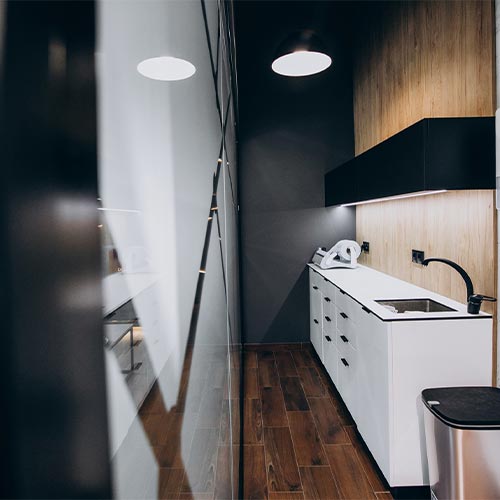
For kitchens, prioritize surfaces that resist stains, scratches, and heat. Quartz countertops, porcelain flooring, and moisture-resistant cabinetry perform exceptionally well under heavy daily use.
Bathrooms require materials that can withstand constant humidity. Porcelain tile, engineered stone, waterproof luxury vinyl flooring, and mildew-resistant paint help prevent moisture damage while maintaining a clean appearance.
Living rooms and bedrooms allow for greater design flexibility. Hardwood flooring, engineered wood, decorative wall panels, and premium paint finishes create warm, inviting interiors without sacrificing longevity.
Basements often experience higher humidity levels. Waterproof flooring systems, engineered flooring, and moisture-resistant drywall provide better protection than traditional hardwood.
Outdoor renovation projects demand materials designed for UV exposure, rain, and seasonal temperature changes. Composite decking, fiber cement siding, natural stone, and weather-resistant exterior paints typically offer longer service life with lower maintenance.
Matching renovation materials to each space creates a more durable home while improving long-term return on investment.
Understanding Material Lifespan and Long-Term Value
While upfront cost is an important consideration, the total lifetime value of a renovation material often matters even more. Lower-cost materials may require replacement or repairs much sooner than premium alternatives, increasing ownership costs over time.
For example, porcelain tile can last several decades with minimal maintenance, while natural hardwood flooring can often be refinished multiple times instead of replaced. Quartz countertops require virtually no sealing, reducing ongoing maintenance compared to natural stone surfaces like marble or granite.
When evaluating renovation materials, homeowners should compare:
- Initial purchase cost
- Installation cost
- Expected lifespan
- Maintenance requirements
- Repair frequency
- Energy efficiency
- Resale value
Investing in durable materials often results in lower lifetime expenses and can increase a home’s market appeal when it comes time to sell.
Healthy Home Materials for Better Indoor Air Quality
Modern homeowners are increasingly choosing renovation materials that improve indoor air quality as well as aesthetics. Many traditional paints, adhesives, flooring products, and finishes release volatile organic compounds (VOCs), which may affect indoor air quality after installation.
Choosing low-VOC or zero-VOC paints, formaldehyde-free cabinetry, certified wood products, and environmentally responsible flooring helps create healthier indoor living spaces.
When selecting renovation materials, look for products certified by recognized organizations that verify low chemical emissions and sustainable manufacturing practices. These products contribute to improved indoor comfort while supporting environmentally responsible construction practices.
Combining healthy materials with proper ventilation and energy-efficient insulation creates a home that is both beautiful and healthier for everyday living.
Flooring Options
1. Hardwood Flooring
Hardwood is a timeless option that adds warmth and elegance to any space. It’s available in various types, such as oak, maple, and walnut, each offering unique grain patterns and tones. Hardwood is durable, easy to clean, and can be refinished multiple times, making it one of the best materials for home renovation in living areas and bedrooms.
2. Luxury Vinyl Plank (LVP)
LVP mimics the look of natural wood or stone while offering superior water resistance and durability. It’s perfect for high-traffic areas, kitchens, and bathrooms. With modern printing technology, LVP has become one of the best materials for home renovation due to its versatility and affordability.
3. Porcelain Tile
Porcelain tile is an excellent choice for areas prone to moisture, such as bathrooms and kitchens. It’s highly durable, stain-resistant, and available in various styles, including wood-look and natural stone finishes. This makes it a popular choice among the best materials for home renovation.
4. Engineered Wood
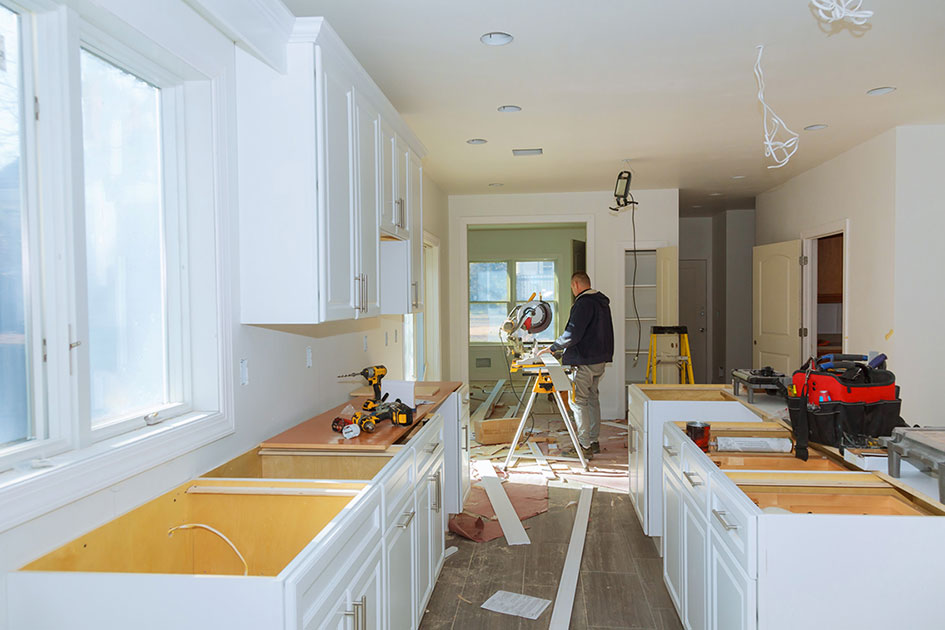
Engineered wood offers the beauty of hardwood with enhanced stability and moisture resistance. It’s composed of multiple layers, making it less prone to warping and ideal for basements and kitchens. This material combines practicality with aesthetics, making it one of the best materials for home renovation.
5. Natural Stone
Natural stone, such as travertine, slate, and limestone, provides a luxurious and durable option for flooring. Its unique patterns and textures create a sophisticated look that elevates any space. While it requires sealing and maintenance, the timeless appeal of natural stone makes it a favorite choice.
Wall Finishes
1. Paint
High-quality paint is a cost-effective way to refresh your home’s interiors. Look for paints that offer low VOC (volatile organic compounds) for a healthier indoor environment. Neutral colors like white, beige, and gray are versatile, while bold hues can create focal points.
2. Wallpaper
Modern wallpaper options include peel-and-stick varieties that are easy to apply and remove. They come in countless designs, textures, and patterns, making them one of the best materials for home renovation when creating accent walls.
3. Wood Paneling
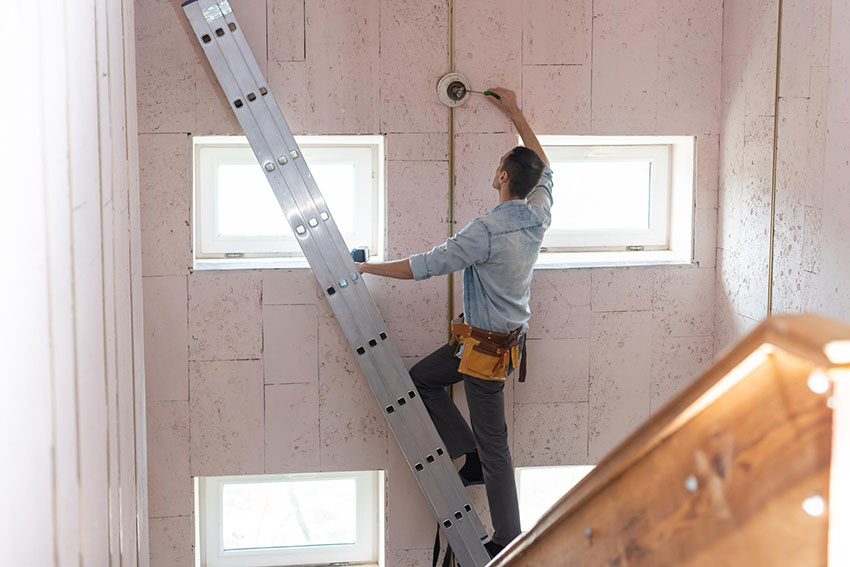
Wood paneling adds warmth and character to interiors. It’s available in traditional styles as well as modern designs, such as shiplap or reclaimed wood panels. This option is ideal for homeowners seeking a rustic or cozy atmosphere.
4. Textured Plaster
Textured plaster creates a unique and artisanal look for walls. It adds depth and dimension to spaces and can be customized with various finishes to suit traditional or modern styles. This versatile material is becoming increasingly popular in high-end home renovations.
Expert Tip: Choose low-VOC or zero-VOC interior paints whenever possible. These products help reduce indoor air pollutants during and after renovation while maintaining excellent durability and finish quality.
EPA – Volatile Organic Compounds (VOCs)
Countertop Choices
1. Quartz
Quartz countertops are engineered stone surfaces known for their durability and low maintenance. They resist stains, scratches, and heat, making them one of the best materials for home renovation in kitchens and bathrooms.
2. Granite
Granite is a natural stone that offers unique patterns and colors. It’s highly durable and adds luxury to any space. Regular sealing is required to maintain its appearance, but its beauty makes it a top choice among the best materials for home renovation.
3. Marble
Marble is prized for its elegance and timeless appeal. While it requires more maintenance than quartz or granite, its sophisticated appearance makes it a popular choice for high-end renovations.
4. Butcher Block
Butcher block countertops add warmth and charm to kitchens. Made from natural wood, they’re ideal for creating a cozy and inviting atmosphere. Regular maintenance, such as sealing and oiling, ensures longevity and beauty.
5. Concrete
Concrete countertops offer a modern and industrial aesthetic. They can be customized with pigments, textures, and finishes for a unique look. Sealed properly, concrete becomes a durable and stain-resistant surface.
Home Renovation Material Comparison: Durability, Cost & Maintenance
| Material | Best For | Durability | Maintenance | Cost | Lifespan |
|---|---|---|---|---|---|
| Hardwood Flooring | Living Rooms | ⭐⭐⭐⭐⭐ | Medium | $$$$ | 50–100 Years |
| Luxury Vinyl Plank | Kitchens | ⭐⭐⭐⭐☆ | Low | $$ | 15–25 Years |
| Porcelain Tile | Bathrooms | ⭐⭐⭐⭐⭐ | Very Low | $$$ | 50+ Years |
| Engineered Wood | Living Areas | ⭐⭐⭐⭐☆ | Low | $$$ | 20–40 Years |
| Natural Stone | Luxury Flooring | ⭐⭐⭐⭐⭐ | High | $$$$$ | 100+ Years |
| Quartz Countertops | Kitchens | ⭐⭐⭐⭐⭐ | Very Low | $$$$ | 30–50 Years |
| Granite Countertops | Kitchens | ⭐⭐⭐⭐⭐ | Medium | $$$$ | 50+ Years |
| Marble Countertops | Luxury Spaces | ⭐⭐⭐⭐☆ | High | $$$$$ | 50+ Years |
| Solid Wood Cabinets | Kitchens | ⭐⭐⭐⭐⭐ | Medium | $$$$ | 30–50 Years |
| MDF Cabinets | Budget Projects | ⭐⭐⭐⭐☆ | Low | $$ | 10–20 Years |
| Bamboo Flooring | Eco Homes | ⭐⭐⭐⭐☆ | Low | $$$ | 20–30 Years |
| Reclaimed Wood | Feature Walls | ⭐⭐⭐⭐☆ | Medium | $$$ | 50+ Years |
Expert Tip: Quartz countertops are nonporous and do not require routine sealing, making them one of the easiest premium countertop materials to maintain in busy kitchens.
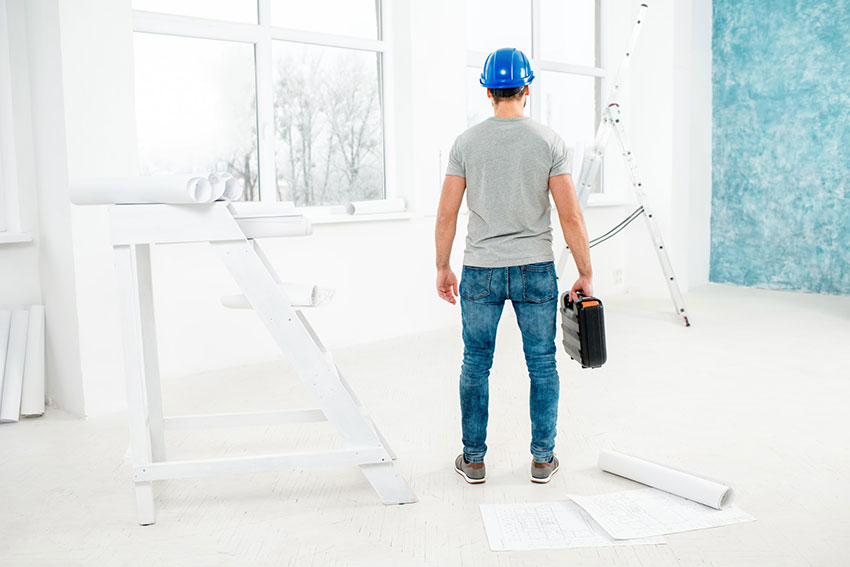
Cabinetry and Storage
1. Solid Wood Cabinets
Solid wood cabinets are durable, customizable, and timeless. They are ideal for kitchens and bathrooms and can be painted or stained to match your decor.
2. MDF (Medium-Density Fiberboard)
MDF is a budget-friendly option that offers a smooth finish ideal for painted cabinets. It’s less expensive than solid wood but still durable enough for most renovation projects.
3. Laminate Cabinets
Laminate cabinets provide a cost-effective and low-maintenance solution. They come in a variety of colors and finishes, mimicking the look of wood or other materials while being more resistant to moisture.
4. Glass-Front Cabinets
Glass-front cabinets add elegance and openness to a kitchen or bathroom. They’re perfect for displaying decorative items while protecting them from dust.
Sustainable Materials
1. Bamboo
Bamboo is a fast-growing, renewable resource that’s both durable and stylish. It’s one of the best materials for home renovation for flooring and cabinetry due to its eco-friendly nature.
2. Recycled Glass
Recycled glass countertops and tiles add a unique aesthetic while promoting sustainability. They come in various colors and patterns, making them a creative and environmentally conscious choice.
3. Cork
Cork is a renewable resource that offers excellent insulation properties and cushioning underfoot. It’s ideal for flooring and can add a warm, natural touch to spaces.
4. Reclaimed Wood
Reclaimed wood brings character and history to your home. It’s environmentally friendly and can be used for flooring, beams, or furniture pieces.
Expert Tip: When comparing renovation materials, evaluate lifecycle cost rather than purchase price alone. Materials with longer service life and lower maintenance often provide better long-term value.
Final Thoughts
Selecting the best materials for home renovation is a crucial step in creating a beautiful and functional living space. Whether you prioritize durability, aesthetics, or sustainability, there are materials to fit every need and style. When planning your renovation, partnering with experts can make the process smoother and more successful.
For those looking for professional guidance, Builpire is your go-to solution. With extensive expertise in home renovation and interior design, Builpire ensures that your project is handled with precision and care. From material selection to final installation, Builpire transforms your vision into reality, creating a home you’ll love.
For more ideas and guidance, follow us on Instagram.
Frequently Asked Questions About Renovation Materials
What renovation materials add the most value to a home?
High-quality materials such as hardwood flooring, quartz countertops, porcelain tile, and energy-efficient windows consistently offer some of the best returns on investment. These materials combine durability with timeless design, making homes more attractive to future buyers. Choosing premium materials in kitchens and bathrooms often has the greatest impact on resale value because these spaces heavily influence purchasing decisions.
Which flooring material is best for homes with pets and children?
Luxury Vinyl Plank (LVP) and porcelain tile are among the best choices for busy households. Both materials are highly resistant to scratches, stains, moisture, and heavy foot traffic. Engineered hardwood is another excellent option for homeowners who want the appearance of real wood while benefiting from improved stability and durability.
Are sustainable renovation materials more expensive?
Not always. While some eco-friendly materials have a higher initial purchase price, many provide long-term savings through improved durability, lower maintenance, and better energy efficiency. Products such as bamboo flooring, recycled materials, and low-VOC paints can reduce environmental impact while offering competitive lifetime value.
What is the easiest countertop material to maintain?
Quartz is widely considered one of the easiest countertop materials to maintain. Unlike many natural stone surfaces, it does not require regular sealing and resists stains, scratches, and bacteria. Routine cleaning with mild soap and water is usually enough to keep quartz looking new for years.
How can I choose renovation materials that will stay stylish for years?
Focus on timeless materials instead of short-lived design trends. Neutral color palettes, natural wood, stone-inspired surfaces, porcelain tile, and high-quality finishes continue to perform well across changing interior design styles. Selecting durable materials with classic aesthetics helps protect both your investment and your home’s long-term appeal.
Is it better to prioritize quality or budget during a home renovation?
While every renovation budget is different, investing in higher-quality materials for high-use areas such as kitchens, bathrooms, and flooring often reduces maintenance costs and extends the life of the renovation. Homeowners can save money by selecting budget-friendly finishes for decorative elements while prioritizing durability where it matters most.