






Experience Luxury Interior Design in California
Creating a truly exceptional home requires more than beautiful finishes and expensive furnishings. It takes thoughtful planning, a clear design vision, and a deep understanding of how each space should look, feel, and function. Luxury interior design in California brings these elements together, combining sophisticated aesthetics, premium materials, and personalized solutions that reflect the homeowner’s lifestyle. Whether you’re transforming a contemporary home in Los Angeles, updating a coastal property in Malibu, or planning a complete home renovation in San Francisco, the right design approach can turn an ordinary interior into a refined, comfortable, and functional living environment. At Builpire, we believe luxury is not simply about appearance; it’s about creating thoughtfully designed spaces where quality, comfort, and individuality come together.
What You’ll Learn About Luxury Interior Design in California
- Luxury interior design in California combines personalized aesthetics, functionality, premium materials, and thoughtful space planning.
- Popular design approaches include modern minimalism, Mediterranean elegance, coastal interiors, Hollywood-inspired glamour, and sustainable luxury.
- A successful luxury remodeling project involves consultation, design development, material selection, construction planning, and professional installation.
- Project budgets depend on property conditions, renovation scope, material specifications, custom features, labor, and permit requirements.
- California homeowners should consider local building regulations, contractor licensing, and applicable energy efficiency standards before construction begins.
- Working with an experienced remodeling partner helps homeowners coordinate design decisions, construction requirements, and finishing details.
- Builpire helps homeowners explore personalized home remodeling solutions that balance refined design with everyday functionality.
Transform Your Space with BUILPIRE – Book Your Consultation Today!
The Essence of Luxury Interior Design in California
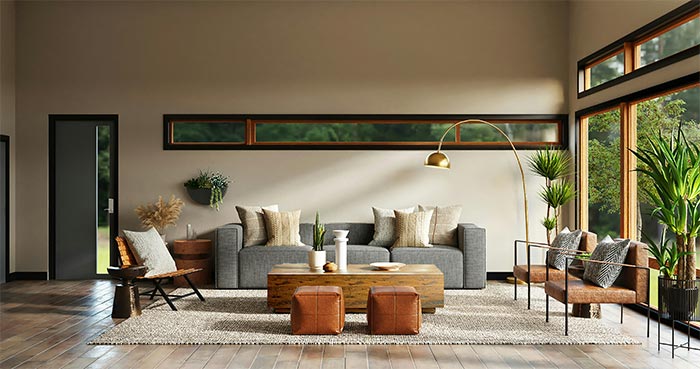
Luxury design in California is all about balance—balancing aesthetics with function, tradition with innovation, and global inspiration with local authenticity. At its core, the design philosophy emphasizes:
-
Customization: Every project is tailored to the client’s taste and lifestyle.
-
Quality: Only the finest materials, furnishings, and finishes are used.
-
Innovation: Designers embrace smart home technology and sustainable practices.
-
Timelessness: Designs are made to last, avoiding trends that fade quickly.
A high-end interior should look exceptional while supporting the way people actually live. Before selecting premium countertops, cabinetry, or decorative lighting, evaluate circulation paths, storage capacity, accessibility, task lighting, ventilation, and furniture clearances. The National Kitchen & Bath Association (NKBA) emphasizes practical planning considerations that connect aesthetics with safety, usability, and long-term comfort. Investing in a functional layout first helps prevent expensive design changes and creates a more cohesive result.
What to Expect from a Luxury Interior Design Project in California
A successful luxury interior design project involves much more than selecting beautiful furniture, finishes, and decorative elements. It requires a structured process that connects the homeowner’s vision with architectural considerations, practical requirements, material selection, and professional execution. Understanding each stage helps homeowners make informed decisions and avoid unnecessary changes during construction.
1. Initial Consultation and Lifestyle Assessment
Every successful project begins with understanding how the space will be used. Designers consider household routines, entertaining preferences, storage needs, accessibility, and long-term lifestyle goals. This initial assessment helps establish a design direction that feels personal rather than simply following a popular trend.
2. Space Planning and Design Development
Once the project’s priorities are clear, the next step is developing a functional layout. This may involve evaluating room proportions, circulation paths, natural light, furniture placement, and connections between indoor and outdoor areas. For more complex renovations, design development may also require coordination with architects and engineering professionals.
3. Material Selection and Custom Details
Material selection is one of the defining elements of luxury interiors. Natural stone, engineered surfaces, hardwood flooring, custom cabinetry, specialty lighting, and carefully selected hardware should work together as a cohesive design system. Homeowners should evaluate not only appearance but also durability, maintenance requirements, lead times, and suitability for each room.
4. Construction Planning and Project Coordination
Before construction begins, the approved design should be translated into clear specifications, material schedules, project milestones, and a defined scope of work. Coordination between designers, contractors, suppliers, and relevant specialists is especially important when multiple rooms or structural elements are involved.
5. Installation and Final Review
The final stage brings the design together through installation, finishing work, lighting adjustments, and furniture placement. A detailed walkthrough helps identify incomplete items, verify agreed specifications, and ensure that the finished space reflects the approved design. At Builpire, the goal of a well-planned remodeling project is to create an interior that feels refined, functions naturally, and reflects the homeowner’s individual priorities.
Popular Styles of Luxury Interior Design in California
-
Modern Minimalism – Clean lines, open spaces, and understated elegance dominate homes in places like Los Angeles and Silicon Valley.
-
Mediterranean Elegance – Inspired by Spain and Italy, this style includes arches, terracotta, and warm, inviting tones.
-
Coastal Chic – Especially popular in Malibu and Santa Barbara, this style highlights natural textures, light tones, and a relaxed atmosphere.
-
Hollywood Glamour – Statement pieces, bold contrasts, and luxurious finishes define this design trend.
-
Sustainable Luxury – Increasingly, Californians are choosing eco-friendly materials and energy-efficient solutions without compromising elegance.
Key Elements That Define Luxury Interior Design California
-
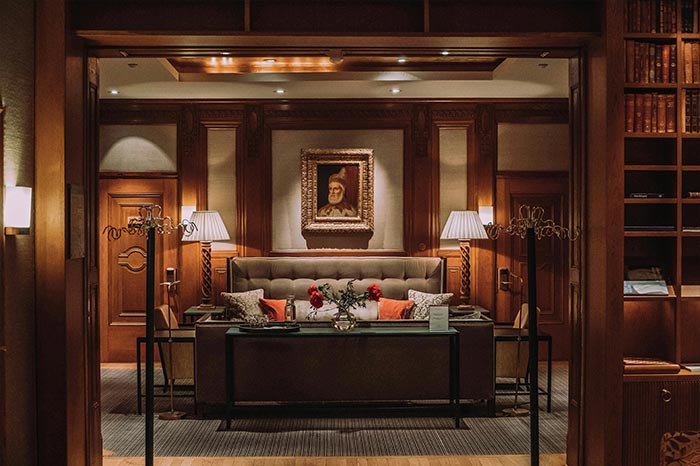
Premium Materials: Marble, quartzite, hardwood, silk, and velvet.
-
Lighting: A combination of natural lighting and carefully curated fixtures.
-
Art & Accessories: Original artwork, statement sculptures, and custom furniture.
-
Technology Integration: Smart lighting, automated systems, and climate control.
-
Spatial Flow: Open layouts that create a sense of connection and freedom.
How to Plan a Budget for Luxury Interior Design in California
Planning a luxury interior design budget requires more than estimating the cost of furniture and premium finishes. The total investment depends on the property’s existing condition, project scope, design complexity, material specifications, and the level of customization involved. Understanding these factors before construction begins helps homeowners establish realistic expectations and make better decisions throughout the project.
Before hiring a remodeling contractor, make sure the written agreement clearly identifies the project scope, material specifications, total cost, payment schedule, and expected completion dates. For California home improvement projects exceeding $500, a written contract is required. Any changes to the original scope or pricing should also be documented through a written change order signed before the additional work begins. This level of documentation helps homeowners avoid misunderstandings, manage expectations, and maintain better control over their renovation investment.
Define the Project Scope Before Requesting Estimates
The first step is identifying exactly what needs to be changed. A room refresh involving new finishes, lighting, and furnishings is fundamentally different from a complete home renovation involving kitchen reconstruction, bathroom upgrades, electrical work, or layout modifications. Clearly defining the scope makes contractor estimates easier to compare and reduces misunderstandings about what is included.
Understand the Difference Between Materials and Installation Costs
Premium materials can significantly influence a project’s budget, but purchasing materials is only one part of the investment. Fabrication, transportation, delivery, installation, surface preparation, and specialized labor may add substantial costs. For example, custom stone countertops require more than selecting a slab; measurements, edge profiles, fabrication, and installation all affect the final price.
Account for Customization and Specialty Features
Custom cabinetry, integrated lighting, architectural details, bespoke furniture, advanced home technology, and specialty finishes can increase both design and construction complexity. These features should be prioritized according to their functional and aesthetic value rather than selected simply because they are associated with luxury.
Include Permits, Professional Services, and Contingency Planning
Depending on the project, homeowners may need to account for architectural or engineering services, permit fees, inspections, demolition, waste removal, and other construction-related expenses. Existing conditions that are not visible before demolition can also affect the final scope. A clearly defined contingency allowance helps homeowners prepare for unexpected conditions without treating every additional expense as a surprise.
Compare Detailed Proposals Rather Than Choosing the Lowest Price
When reviewing estimates, compare the scope of work, material specifications, labor, project schedule, exclusions, payment milestones, and warranty terms. Two proposals with similar total prices may include very different levels of service. A detailed proposal provides a much clearer picture of the actual value being offered. The right luxury interior design budget is not necessarily the largest one. It is a carefully allocated investment that supports the homeowner’s priorities, protects quality, and creates a cohesive result. Builpire helps homeowners approach remodeling decisions with an emphasis on thoughtful planning, material selection, and functional design.
Why Choose Luxury Interior Design in California?
-
Cultural Diversity: California’s melting pot of cultures inspires versatile design.
-
Climate Advantage: Mild weather allows for indoor-outdoor living concepts.
-
Industry Talent: Home to some of the world’s top interior designers.
-
Property Value: Luxury design significantly enhances real estate value.
-
Personal Lifestyle: Spaces are designed to match individual lifestyles and aspirations.
Permits, Building Codes, and Professional Coordination for California Home Renovations
Luxury home remodeling in California involves more than achieving an attractive final appearance. Depending on the scope of work, projects may need to comply with local building regulations, energy efficiency standards, safety requirements, and permit procedures. Understanding these considerations early can help homeowners avoid delays, unexpected expenses, and complications during construction.
When Does a Home Renovation Require a Building Permit?
Permit requirements depend on the type of work being performed and the local jurisdiction. Projects involving structural modifications, electrical systems, plumbing, mechanical equipment, or significant alterations may require permits and inspections. Requirements can differ between cities and counties, so homeowners should confirm the applicable rules with the local building department before work begins.
Why California’s Energy Standards Matter
Energy efficiency is an important consideration in modern residential remodeling. California’s 2025 Building Energy Efficiency Standards took effect on January 1, 2026, for applicable permit applications. Depending on the project, these requirements can influence decisions involving heating and cooling systems, ventilation, building components, and energy performance. Planning these elements early helps ensure that design decisions are coordinated with applicable requirements rather than addressed as an afterthought.
When planning a major home renovation in California, consider energy efficiency and applicable building standards during the early design stage. The state’s 2025 Building Energy Efficiency Standards took effect on January 1, 2026, for applicable permit applications. Depending on the project scope, requirements may affect HVAC equipment, ventilation, building components, and energy performance. Coordinating these considerations before selecting materials and finalizing construction plans can help reduce redesigns and support a more efficient, comfortable home.
Coordinate Designers, Contractors, and Specialists
Complex remodeling projects often involve multiple professionals, including interior designers, general contractors, architects, engineers, electricians, plumbers, and specialty installers. Clear communication between these parties is essential for coordinating measurements, technical drawings, material specifications, construction sequences, and installation requirements. When responsibilities are defined before construction starts, the project team can identify potential conflicts earlier and manage the work more efficiently.
Review Contractor Licensing and Written Agreements
Homeowners should verify that contractors hold the appropriate California license for the work they perform. The California Contractors State License Board (CSLB) provides an official license verification resource and guidance on hiring contractors. Written agreements should clearly describe the project scope, materials, pricing, payment schedule, permit responsibilities, and completion expectations. Any changes to the agreed scope should also be documented in writing before the additional work begins. Proper planning does not eliminate every construction challenge, but it creates a more transparent process. For homeowners investing in luxury interior design and remodeling, attention to regulatory requirements and professional coordination is an essential part of achieving a well-executed result.
For more ideas and guidance, follow us on Instagram.
How Builpire Elevates the Standard
When considering luxury interior design California, it’s essential to partner with a company that not only understands design trends but also has a proven track record of excellence. Builpire stands out as a leader in home remodeling and interior design, offering personalized solutions that blend creativity with functionality. From complete home renovations to designing high-end interiors, Builpire ensures that every detail reflects sophistication, comfort, and timeless appeal.
Frequently Asked Questions About Luxury Interior Design in California
What factors affect the cost of luxury interior design in California?
The cost of luxury interior design in California depends on several factors, including the size of the property, the scope of the renovation, the complexity of the design, material selections, custom furniture, and professional installation requirements. A project involving new furnishings and decorative finishes will have a different budget from a complete renovation that includes structural changes, custom cabinetry, electrical upgrades, and premium flooring. Design fees, contractor labor, permits, transportation, and project management may also contribute to the overall investment. The most reliable way to establish a budget is to begin with a clearly defined project scope and request a detailed estimate based on actual specifications rather than relying on a general price per square foot.
How long does a luxury home remodeling project take in California?
The timeline depends on the property’s condition, project size, design complexity, permit requirements, and availability of materials and contractors. A smaller interior update may take considerably less time than a full kitchen renovation, bathroom reconstruction, or whole-home remodeling project. Custom cabinetry, imported materials, specialty finishes, and structural modifications can introduce additional lead times. The design and planning phase should also be considered separately from the construction schedule. Before work begins, homeowners should request a project timeline that identifies design approvals, material procurement, permit milestones, construction phases, inspections, and final installation. A realistic schedule should also account for potential delays caused by unforeseen site conditions or changes to the original scope.
Do I need a building permit for luxury interior remodeling in California?
Not every interior design update requires a building permit, but certain remodeling activities do. Structural modifications, electrical alterations, plumbing work, mechanical system changes, and other regulated construction activities may require permits depending on the scope of work and local building regulations. California cities and counties may have different requirements, so homeowners should contact the appropriate local building department before starting construction. It is also important to clarify in the written project agreement who is responsible for obtaining permits and arranging required inspections. Checking permit requirements early can help prevent construction interruptions and compliance issues later in the project.
How do I choose the right luxury interior design and remodeling company?
Choosing the right company requires more than comparing design portfolios or advertised prices. Homeowners should review completed projects, assess the company’s experience with similar renovation scopes, understand how design and construction responsibilities are managed, and verify the appropriate contractor licensing when applicable. It is also important to request a detailed written proposal covering materials, labor, project responsibilities, payment milestones, exclusions, and expected completion dates. Ask how design revisions, material substitutions, unexpected site conditions, and additional work will be handled. A reliable remodeling partner should communicate clearly, explain the decision-making process, and provide a realistic understanding of what the proposed project includes.
What is the difference between luxury interior design and luxury home remodeling?
Luxury interior design focuses on developing the visual identity and functionality of an interior through space planning, furniture selection, lighting, color palettes, materials, and decorative details. Luxury home remodeling involves physical improvements to the property, which may include replacing finishes, upgrading kitchens and bathrooms, modifying layouts, installing custom cabinetry, and updating building systems. Although these services can overlap, they are not identical. A homeowner may hire an interior designer to refresh an existing space without undertaking major construction, while a comprehensive remodeling project may require contractors, architects, engineers, and other specialists. Combining thoughtful interior design with properly planned construction helps create a cohesive result that reflects both aesthetic preferences and practical requirements.