
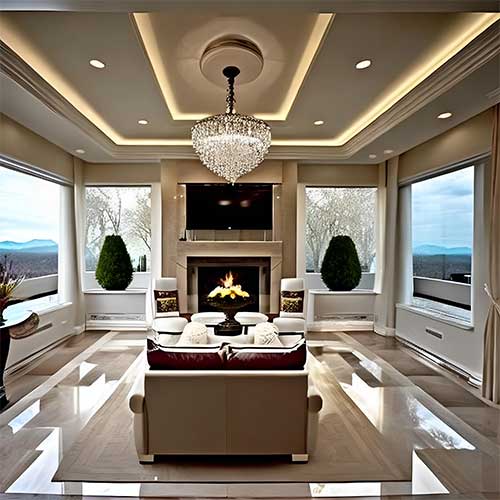
Interior Decoration Design Guide: Ideas, Styles & Expert Tips
Interior decoration design is the process of transforming indoor spaces into functional, comfortable, and visually balanced environments that reflect the lifestyle and personality of the people who use them. It goes beyond simply arranging furniture or adding decorative elements; it combines creativity, planning, materials, colors, lighting, and spatial organization to create a cohesive atmosphere.
A successful interior decoration project begins with understanding the purpose of the space, the client’s needs, personal preferences, and the architectural characteristics of the environment. Every design decision, from selecting a color palette and furniture style to choosing textures, accessories, and lighting solutions, plays an important role in shaping the overall experience of a room.
Modern interior decoration focuses on achieving harmony between aesthetics and functionality. A well-designed space should not only look attractive but also support everyday activities by improving comfort, organization, and usability. Through thoughtful space planning and attention to detail, designers can maximize the potential of any interior while creating a unique environment that feels personal and inviting.
“Good design is a balance between beauty and functionality. A space should support the activities of the people who use it, not simply look attractive.”
National Council for Interior Design Qualification (NCIDQ)

Interior Decoration Design: A Comprehensive Guide to Transforming Your Space
Introduction to Interior Decoration Design
Interior decoration is more than just adding stylish furniture and wall art. It’s about transforming spaces to improve both functionality and aesthetics. Whether you’re working with a compact studio apartment or a spacious family home, interior decoration can enhance comfort, productivity, and appeal.
What Is Interior Decoration Design?
Interior decoration involves selecting and arranging decor elements like furniture, colors, lighting, and accessories in a room. It’s a blend of creativity and design principles that work together to create spaces that are not only beautiful but also functional and comfortable. The goal is to make your living spaces reflect your personality, lifestyle, and taste.
Importance of Interior Decoration in Modern Homes
With more people working and spending extended hours at home, interior decoration has taken on a new level of importance. The right design can reduce stress, enhance productivity, and make your home feel welcoming. Today’s homes are more than just places to live; they are personalized retreats, where every room serves a purpose and reflects personal style.

Key Elements of Interior Decoration Design
Understanding the fundamental elements of interior decoration will help you create a cohesive and visually appealing space. These components work together to balance the visual and functional aspects of any room.
Space Planning and Layout
Space planning is the first and most crucial step in interior design. It involves mapping out where each furniture piece and decor element will go to ensure smooth movement and functionality. A well-planned layout helps you make the most of your space, especially if you’re working with a smaller room.
Color Schemes and Psychology
Color has a powerful impact on our emotions and mood. The right color scheme can make a room feel warm, cozy, or vibrant. Understanding basic color psychology, such as the calming effects of blues and greens or the energizing feel of yellows, can help you choose colors that match the mood you want to create.
Textures and Patterns
Textures add depth, while patterns bring interest to a space. Combining smooth and rough surfaces, like silk pillows on a rustic sofa, creates a balanced contrast. Patterns, whether in wallpaper, rugs, or decor, can help establish a style theme, adding personality and character.
Furniture Selection and Placement
Choosing the right furniture involves more than style; it’s about selecting pieces that fit your room’s size, layout, and purpose. For example, in a small space, multifunctional furniture like a sofa bed or an extendable dining table can help save space without compromising on comfort.
“Study nature, love nature, stay close to nature. It will never fail you.”
— Frank Lloyd Wright

Interior Design Styles to Inspire Your Home
Choosing a style helps bring focus to your decoration decisions, making it easier to select colors, furniture, and decor that complement each other. Here are some popular styles that can guide your choices.
Modern and Minimalist Design
Minimalist design emphasizes simplicity, with clean lines, neutral colors, and a “less is more” philosophy. This style is perfect for those who appreciate an uncluttered look with functional furniture and minimal decor.
Traditional and Classic Style
Traditional design is timeless, with elements inspired by 18th and 19th-century European decor. This style features rich colors, elegant furniture, and ornate details, giving your home a warm and luxurious feel.
Bohemian and Eclectic Style
Bohemian style is all about mixing colors, textures, and patterns. Known for its relaxed, artistic vibe, this style allows you to blend different decor elements to create a space that feels uniquely you.
Industrial and Urban Look
The industrial style takes cues from warehouses and factories, using raw materials like metal, exposed brick, and concrete. This look is great for urban spaces and gives your home a cool, edgy feel with its unrefined, rustic appearance.

Choosing the Right Colors for Your Space
Color can define the atmosphere of a room. By understanding how colors work and the effect they have, you can transform any space to reflect your desired style.
Understanding Color Theory
Color theory provides a foundation for selecting harmonious color combinations. Complementary colors (like blue and orange) create balance, while monochromatic schemes offer a more subdued, cohesive look. Familiarity with the color wheel can help guide your choices and ensure consistency in your design.
Selecting Colors Based on Room Function
Colors should match the room’s purpose. For instance, calming hues like blue and green work well in bedrooms, while vibrant shades like yellow or orange can energize a kitchen or home office. Matching the color with the room’s function helps create a supportive atmosphere for its intended activities.

Essential Furniture and Decor Selection Tips
Furniture and decor are at the heart of any interior design. By carefully selecting pieces that serve both aesthetic and practical purposes, you can create a space that’s beautiful and functional.
Choosing the Right Size and Shape
Furniture should be proportionate to the room’s dimensions. In smaller spaces, opting for compact furniture with clean lines helps avoid clutter. Large rooms can handle bigger, statement pieces, but balance is key.
Mixing Functional and Aesthetic Pieces
Combining function with beauty is essential. Multifunctional furniture, like a coffee table with storage, serves a purpose while enhancing the room’s appearance. Balance functional items with decorative pieces to add charm without overcrowding.
Tips for Enhancing Small Spaces
Small spaces can be challenging to decorate, but with the right strategies, you can make a compact area feel cozy, stylish, and spacious. Here are some tips for maximizing every inch of a smaller room.
Maximizing Space with Clever Storage Solutions
Storage is a key factor in small-space design. Utilize vertical space by adding shelves, wall-mounted cabinets, and storage racks. Furniture with hidden storage, such as ottomans or beds with drawers underneath, keeps essentials out of sight, reducing clutter. Also, consider using multi-functional items—like a console table that doubles as a desk—to maximize your area’s versatility.
The Power of Mirrors in Small Rooms
Mirrors are a small-space decorator’s best friend. They reflect light, making a room appear larger and brighter. Large wall mirrors or mirrored furniture can visually double the space. Placing a mirror opposite a window creates the illusion of more space by bouncing natural light around the room, enhancing its open feel.

Lighting in Interior Decoration
Lighting is a transformative element in interior decoration, shaping a room’s mood, functionality, and overall aesthetic. Strategic lighting choices can make a room feel larger, cozier, or more inviting.
Types of Lighting: Ambient, Task, and Accent
There are three main types of lighting:
- Ambient lighting is the primary source of light, providing general illumination for a room.
- Task lighting serves specific purposes, like reading lamps or under-cabinet lights in the kitchen.
- Accent lighting highlights particular areas or decor pieces, such as artwork or architectural features, adding depth and character.
Incorporating all three types of lighting layers adds flexibility and balance to your space, ensuring it’s both functional and visually appealing.
How to Layer Lighting for Effect
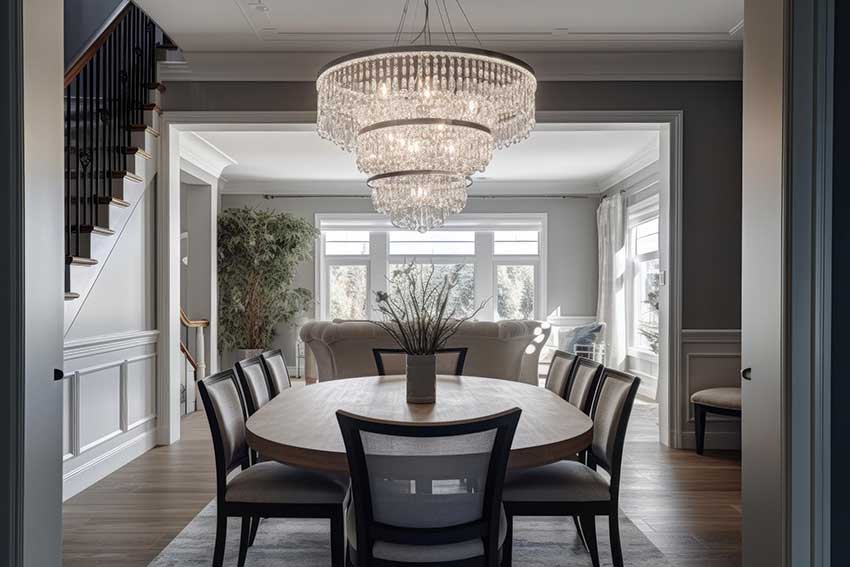
Layering lighting involves using multiple light sources to create a balanced look. For example, combine a ceiling fixture with wall sconces, table lamps, and floor lamps to illuminate different parts of the room. Dimmable lights are also a great addition, allowing you to adjust the brightness to suit various times of day and activities.
Incorporating Art and Decor for Personality
Art and decor are essential for giving your home a personal touch. They bring color, texture, and interest to your interiors, turning a basic room into a unique, inviting space.
Selecting Art Pieces That Speak to You
Art should reflect your personality and taste. Choose pieces that resonate with you, whether they are paintings, sculptures, or even framed photographs. Consider the color scheme and style of your room to ensure that the art complements the rest of your decor. Large-scale artwork can make a statement in spacious rooms, while smaller pieces work well in more intimate spaces.
Personalizing with DIY and Custom Decor
DIY projects and custom decor allow you to add unique elements that truly make a space your own. Whether it’s a hand-painted mural, handmade throw pillows, or upcycled furniture, personalized decor showcases your creativity. Plus, DIY decor can be cost-effective and eco-friendly, giving your home a distinctive charm without breaking the bank.
The Role of Textiles in Interior Design
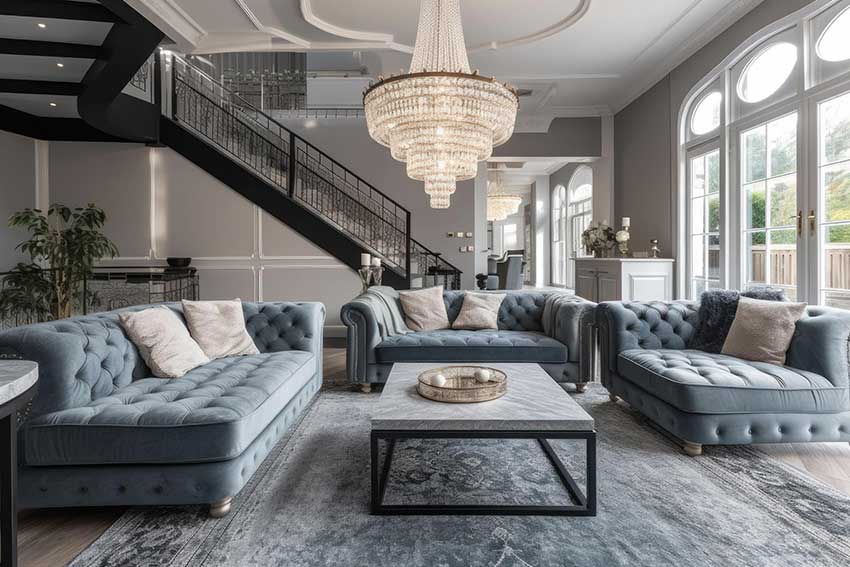
Textiles, such as rugs, curtains, and cushions, bring warmth and softness to a room. They can enhance a space’s comfort and add color, pattern, and texture.
Choosing the Right Fabrics for Different Rooms
Different rooms call for different fabric choices. For example, durable fabrics like canvas or leather work well in high-traffic areas like living rooms, while softer fabrics like silk or velvet add luxury to bedrooms. Additionally, moisture-resistant fabrics are ideal for bathrooms and kitchens. Selecting textiles that suit each room’s purpose helps maintain the balance between style and functionality.
Using Rugs, Curtains, and Cushions Effectively
Rugs define areas and add warmth, especially in open-plan spaces. Curtains can control light and add elegance, while cushions provide comfort and color. Mixing patterns and textures in these textiles can bring depth and interest to a room, while maintaining a cohesive color palette prevents the design from feeling overwhelming.
Creating an Eco-Friendly Interior
Sustainability is increasingly important in interior design. Eco-friendly choices not only reduce environmental impact but also create a healthier living space.
Sustainable Materials and Decor
Look for materials like bamboo, recycled wood, or reclaimed furniture, which have a lower environmental footprint. Choosing natural, organic textiles such as cotton, linen, and wool over synthetic fabrics helps reduce pollution and waste. Eco-friendly decor doesn’t compromise on style; sustainable options come in a wide range of colors, textures, and finishes, allowing you to create beautiful interiors with a conscience.
Energy Efficiency in Home Design
Energy-efficient lighting, such as LED bulbs, not only reduces your electricity bill but also has a longer lifespan, minimizing waste. Solar-powered lighting or smart thermostats also help save energy. Opting for energy-efficient appliances, and adding insulation to retain warmth, further enhances the eco-friendliness of your home.
Smart Technology in Interior Decoration
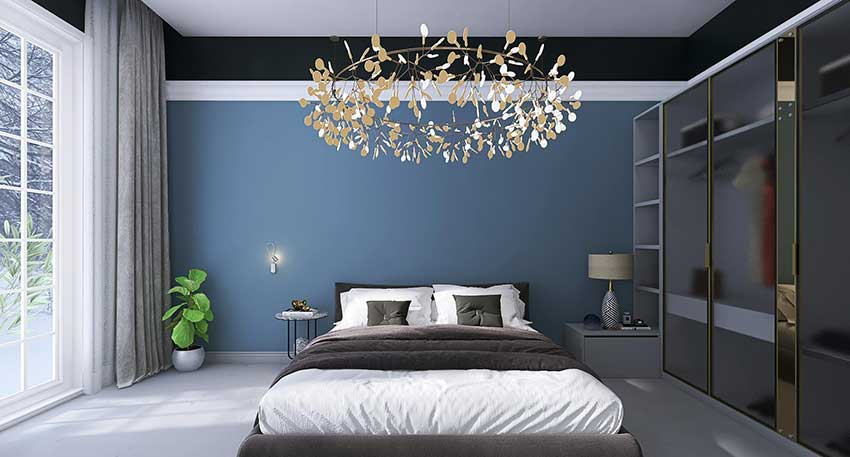
Incorporating smart technology into your interior design can enhance convenience and functionality without detracting from your home’s aesthetics.
Integrating Smart Home Gadgets with Style
Smart technology, from voice-activated assistants to automated blinds, can be seamlessly integrated into your design. Look for minimalist gadgets with sleek finishes that blend with your decor. Many modern tech devices now come in a range of colors and finishes, so they don’t disrupt the visual harmony of your rooms.
Smart Lighting and Temperature Controls
Smart lighting systems, like app-controlled bulbs, allow you to adjust brightness and color to match the mood and time of day. Smart thermostats also help maintain comfort, allowing you to control the temperature remotely. These technologies make your home more efficient, convenient, and adaptable.
Seasonal Decoration Ideas
Seasonal decorating can keep your home feeling fresh and inviting throughout the year. Updating your decor with the seasons doesn’t have to be expensive or labor-intensive.
Festive and Holiday-Themed Decor
Decorating for the holidays is a fun way to embrace seasonal changes. Small touches, like a holiday wreath, seasonal throw pillows, or scented candles, can bring festive cheer to any room. Keeping holiday decorations subtle helps maintain a refined look that blends well with your everyday decor.
Adapting Decor for Different Seasons
Switching out lightweight fabrics for heavier ones in the winter, or adding light and bright textiles for the summer, can bring a seasonal vibe to your home. Even changing your decor’s color palette to match the seasons—think warm tones for autumn and cool shades for summer—can refresh your space without a full redesign.
DIY Interior Decoration Ideas for Budget-Friendly Updates
Interior decoration doesn’t have to come with a hefty price tag. With some creativity and a few DIY projects, you can transform your space on a budget.
Repurposing and Upcycling Items
Repurposing old items is a sustainable and cost-effective way to update your decor. For example, you can turn a vintage ladder into a bookshelf or use mason jars as candle holders. Upcycling adds a unique, personal touch to your home and reduces waste by giving new life to old items.
Quick and Easy DIY Wall Art Projects
Create your own wall art using materials like canvas, paint, and fabric. Stenciling, abstract painting, or creating a photo collage are fun projects that add personality to your walls. DIY art is not only affordable but also a meaningful way to fill your home with pieces that reflect your style and creativity.
How to Hire a Professional Interior Designer
For larger or more complex design projects, hiring a professional can save time and stress. Interior designers bring expertise and creativity to transform your space in ways you might not have considered.
When to Consider Professional Help
Consider hiring a professional if you’re redesigning multiple rooms, working with a challenging layout, or needing help with technical aspects like lighting and plumbing. Professionals can help you avoid costly mistakes and create a cohesive look that fits your style and budget.
What to Expect During the Design Process
The design process typically involves an initial consultation, where the designer assesses your space and discusses your goals. Then, they present design options, collaborate on selections, and coordinate the installation. Working with a designer is a partnership that can result in a beautifully tailored space that aligns with your vision.
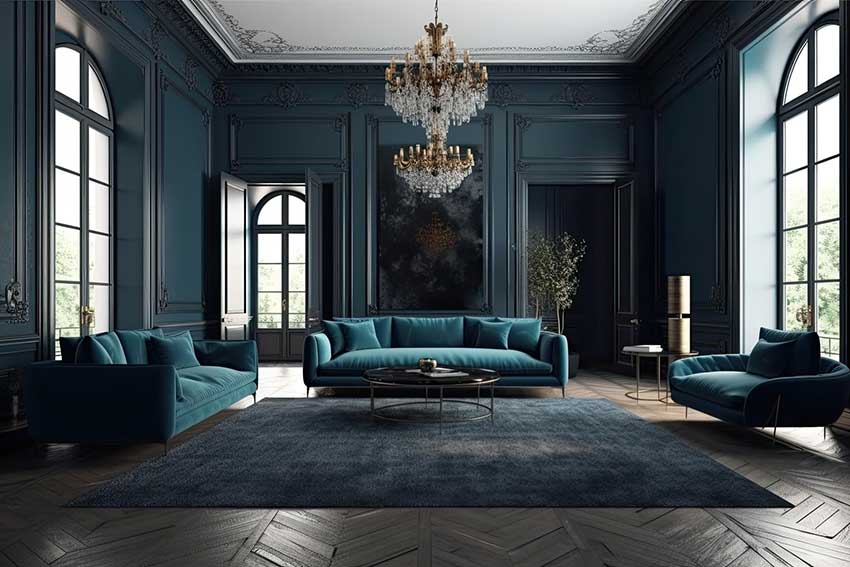
Embracing 2025 Interior Design Trends
As we navigate through 2025, interior decoration continues to evolve, reflecting our changing lifestyles, technological advancements, and a growing emphasis on sustainability. Incorporating these emerging trends can breathe new life into your spaces, making them both stylish and functional.
1. Sustainable and Eco-Friendly Choices
Sustainability remains at the forefront of design considerations. Homeowners are increasingly opting for reclaimed and recycled materials, such as wood and metal, to reduce environmental impact and add unique character to their homes. Natural materials like bamboo, cork, and stone are favored for their eco-friendly properties and aesthetic appeal. Additionally, the circular design approach—creating products with future reuse in mind—is gaining popularity, promoting a more sustainable lifestyle .
2. Revival of Traditional Aesthetics
There’s a noticeable shift towards traditional design elements, blending history with innovation. This trend emphasizes warmth, texture, and personality, moving beyond minimalism to create inviting, character-filled spaces. Incorporating antique or vintage pieces, rich color palettes, and classic patterns can add depth and authenticity to modern interiors .
3. Curved and Organic Forms
Sharp edges are giving way to softer, curved lines in furniture and architecture. This resurgence of curves and rounded forms adds a sense of comfort and fluidity to spaces, making them feel more welcoming. From arched doorways to circular furniture pieces, these organic shapes are becoming staples in contemporary design .
4. Bold Color Statements
While neutral tones remain popular, there’s a growing trend of incorporating bold colors to make a statement. Techniques like color drenching—painting walls, ceilings, and trim in the same hue—are gaining traction. Additionally, pops of vibrant colors, such as reds and greens, are being used to add energy and personality to rooms .
5. Integration of Smart Technology
Smart home technology is seamlessly blending into interior design. From app-controlled lighting systems to automated blinds and voice-activated assistants, these innovations enhance convenience without compromising aesthetics. Designers are focusing on integrating technology in a way that complements the overall design theme, ensuring functionality and style go hand in hand.
6. Personalized and Multifunctional Spaces
With more people working and spending time at home, there’s a demand for spaces that are both personalized and multifunctional. Home offices that double as guest rooms, kitchens with integrated dining areas, and living rooms that serve as entertainment hubs are becoming common. Customization is key, with homeowners seeking designs that reflect their unique lifestyles and preferences.
7. Emphasis on Wellness and Comfort
Designing spaces that promote well-being is a significant trend in 2025. This includes creating areas dedicated to relaxation, such as meditation corners or spa-like bathrooms. Incorporating natural light, indoor plants, and calming color schemes contributes to a serene environment, enhancing mental and physical health.
Builpire: Transforming Your Space, One Design at a Time
Builpire is your trusted partner for interior decoration and kitchen design, offering a seamless experience from concept to completion. Specializing in personalized home and kitchen transformations, Builpire goes beyond design by acting as your dedicated contractor. We manage every detail, ensuring that your dream space comes to life with expertise and style. Our unique platform allows you to explore a curated selection of high-quality products essential for your interior project. As you browse, you can effortlessly add items to your personalized contract, guaranteeing that each element is tailored to fit your vision and budget. With Builpire, design meets functionality, delivering spaces that inspire and elevate your everyday living. Discover the possibilities with Builpire—where exceptional design becomes your reality .
How to Create a Functional Interior Design Plan Before Decorating
A successful interior decoration project does not start with buying furniture or choosing paint colors. The first step is understanding how the space will be used and creating a practical plan that connects lifestyle needs with visual goals.
Space planning helps determine furniture placement, movement paths, storage requirements, lighting positions, and the relationship between different areas of a home. A beautiful room that does not support daily activities can quickly become uncomfortable, regardless of how stylish the decoration looks.
Before making design decisions, homeowners should consider questions such as:
- How many people use the space every day?
- Which activities happen most often in this room?
- Does the room require flexible furniture arrangements?
- Are there unused corners that can provide additional storage or functionality?
Professional designers often focus on the balance between circulation and furniture proportions. Leaving enough walking space around furniture improves comfort and prevents the room from feeling crowded.
A practical approach is to divide the room into functional zones. For example, a living room can include a conversation area, entertainment zone, reading corner, and storage section. This method allows every part of the room to have a clear purpose while maintaining visual harmony.
According to research in spatial design, interior layouts influence how people interact with their environment. Modern design approaches increasingly use digital tools and planning methods to improve furniture placement and space efficiency.
The best interior decoration design is not only about creating a visually attractive home; it is about designing a space that works naturally with the way people live.
Biophilic Interior Design: Bringing Nature Into Modern Homes
One of the most important developments in contemporary interior decoration is the growing focus on biophilic design — an approach that connects indoor environments with natural elements.
Biophilic interior design uses features such as plants, natural materials, organic shapes, natural light, and earthy textures to create spaces that feel calmer and more comfortable.
Simple ways to introduce biophilic elements include:
- Adding indoor plants to living areas and workspaces
- Using materials such as wood, stone, bamboo, and linen
- Increasing access to natural light whenever possible
- Choosing nature-inspired colors such as greens, warm neutrals, and earth tones
- Incorporating natural textures through rugs, furniture, and decorative accessories
This approach is especially valuable in modern homes where people spend more time indoors. A connection with natural elements can make spaces feel warmer and less artificial.
The goal of biophilic design is not to turn a home into a garden. Instead, it creates a balanced relationship between architecture, decoration, and natural inspiration.
The U.S. Environmental Protection Agency (EPA) Indoor Air Quality Resources highlights the importance of indoor environmental quality, including factors that influence comfort and health inside buildings.
A well-designed interior should support not only visual beauty but also the overall experience of living in that space.
Smart Interior Decoration: Combining Technology With Aesthetic Design
Smart home technology is becoming an important part of modern interior decoration. However, successful integration requires more than simply adding devices; technology should improve comfort while maintaining the visual identity of the space.
Smart interior solutions can include:
- Automated lighting systems
- Smart temperature control
- Motorized curtains and blinds
- Voice-controlled home assistants
- Security and energy management systems
Lighting is one of the easiest areas where technology can improve interior design. Smart lighting allows homeowners to adjust brightness and color temperature based on different activities, such as relaxing, working, reading, or entertaining guests.
The key principle is that technology should remain visually subtle. Modern designers often choose hidden systems, minimal devices, and integrated solutions that complement furniture, materials, and architectural features.
As artificial intelligence and digital tools develop, interior design is also becoming more personalized. New technologies can help users visualize layouts, test decoration ideas, and create customized design concepts before making expensive decisions. Research projects such as I-Design explore how AI can support personalized interior design experiences by translating user preferences into spatial concepts.
Smart interior decoration is not about filling a home with technology. It is about using innovation to create spaces that are more comfortable, efficient, and aligned with modern lifestyles.
Conclusion
Interior decoration design is an art and science, blending style with functionality to create spaces that enhance our daily lives. By focusing on elements like color, texture, furniture, and lighting, you can design a home that is both comfortable and visually appealing. Whether you choose to DIY or work with a professional, the journey to a beautifully decorated space is a rewarding one, allowing you to express your personality and create a sanctuary that feels like home.
FAQs
1. What are the most important rules of interior decoration design?
The most important rules of interior decoration design are balance, proportion, functionality, harmony, and personal expression.
Balance ensures that furniture, colors, and decorative elements feel visually stable. Proportion means selecting items that match the size of the room. For example, oversized furniture in a small apartment can make the space feel crowded.
Functionality should always come before decoration. A room should support daily activities before focusing on appearance. Good interior decoration combines beauty with practical solutions such as proper storage, comfortable furniture placement, and suitable lighting.
Harmony is created when colors, textures, materials, and furniture styles work together instead of competing with each other.
Finally, personalization is essential. The best interiors reflect the personality, habits, and lifestyle of the people who live there rather than simply copying a trend.
2. How can I decorate a small home to make it look bigger?
Small spaces can appear larger by using smart planning and visual design techniques.
Some effective strategies include:
- Choosing furniture with the right scale
- Using multifunctional pieces such as storage beds or extendable tables
- Keeping colors light and consistent
- Using mirrors to reflect light and create depth
- Reducing unnecessary decoration and visual clutter
- Using vertical storage solutions such as wall shelves
Lighting also plays an important role. A combination of natural light, ceiling lighting, and accent lighting can prevent a small room from feeling closed or dark.
The goal is not to add more items but to create a better relationship between space, furniture, and movement.
3. What interior design styles are popular for modern homes?
Several interior design styles are popular in modern homes, depending on personal taste and lifestyle.
Minimalist design focuses on simplicity, clean lines, neutral colors, and functional furniture. It is suitable for people who prefer organized and calm spaces.
Modern contemporary design combines current trends with practical materials, often using a mix of textures, simple forms, and comfortable furniture.
Scandinavian design emphasizes natural materials, bright spaces, functionality, and a cozy atmosphere.
Biophilic and sustainable design styles are also becoming more popular because homeowners are looking for healthier and more environmentally responsible spaces.
The best style is not necessarily the trendiest one; it is the style that matches the way people live.
4. How much does professional interior decoration design cost?
The cost of interior decoration design depends on several factors, including project size, location, materials, furniture choices, and the level of professional involvement required.
Small decoration updates, such as changing lighting, textiles, wall colors, or accessories, usually require a lower budget.
Complete interior transformations involving furniture replacement, custom designs, construction changes, or multiple rooms require a larger investment.
Before starting a project, homeowners should define their priorities and budget. A professional designer can help avoid expensive mistakes by creating a clear plan before purchasing materials or furniture.
A good interior design process focuses on achieving the best possible result within the available budget rather than simply choosing the most expensive products.
5. What are the biggest interior decoration mistakes to avoid?
Common interior decoration mistakes include choosing furniture before planning the layout, using incorrect room proportions, ignoring lighting, and following trends without considering personal needs.
Another frequent mistake is overcrowding rooms with too many decorative items. A successful design requires balance between empty space and decorative elements.
Poor lighting choices can also reduce the impact of a well-designed room. Using only one central light source often creates flat and uncomfortable spaces. Layered lighting with ambient, task, and accent lighting usually creates a more professional result.
Finally, homeowners should avoid copying complete designs from online images without adapting them to their own space, budget, and lifestyle.
A successful interior is not a replica of another home; it is a customized environment designed around the people who use it.