
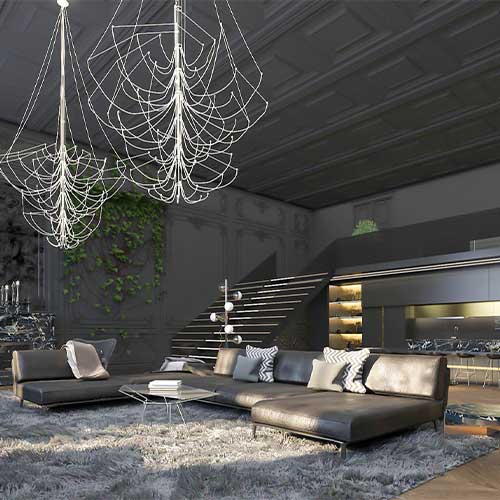
Luxury Decoration Design
Luxury decoration design is an approach focused on creating spaces that exude sophistication, elegance, and comfort. This design style emphasizes the use of high-end materials, refined aesthetics, and intricate details that elevate any interior to a luxurious level. In luxury decoration design, furniture is often custom-made or selected from exclusive collections to ensure that each piece reflects uniqueness and grandeur. This meticulous attention to detail and commitment to quality transforms ordinary spaces into extraordinary retreats.
Lighting plays a crucial role in luxury decoration design, as well, where designer chandeliers, ambient lights, and even smart lighting systems are used to create an elegant ambiance. The color palettes in luxury decoration design tend to be subtle and timeless, often featuring neutral tones like ivory, beige, and soft gray, sometimes accented with rich hues.
Another key aspect of luxury decoration design is the choice of artwork and décor, which are often curated to add an element of sophistication and uniqueness. In modern homes, luxury decoration design also integrates advanced technology seamlessly, from automated curtains to smart home controls, ensuring convenience without compromising on style. This combination of exclusivity, comfort, and high functionality is what makes luxury decoration design a preferred choice for creating elegant, timeless spaces.
“Design is a plan for arranging elements in such a way as best to accomplish a particular purpose.”
Introduction to Luxury Decoration Design
Luxury decoration design transcends basic decor by infusing every detail of a space with elegance, sophistication, and opulence. It’s a style that merges both functionality and aesthetics, creating spaces that feel indulgent yet purposeful. Luxury design is about creating an experience, a feeling of exclusivity that turns a home or commercial space into a masterpiece.
Luxury decor holds a significant impact on how we perceive and enjoy spaces. In recent years, it has evolved beyond traditional grandeur to include elements like sustainability, personalization, and minimalism—all while preserving an aura of exclusivity. The beauty of luxury decoration is in the balance of high-quality materials, meticulously chosen accents, and an understanding of both classic and contemporary aesthetics. This design style allows for full expression of personal taste and a love for high-quality, well-crafted items that make each space unique.

Core Elements of Luxury Design
At the heart of luxury decoration are core elements that make each room feel both timeless and elegant. The essence of luxury isn’t in how much you have but in the quality and refinement of each chosen piece. This means less clutter and more purpose, where each item has a place and serves a specific function or aesthetic.
Opulence and elegance are the pillars of luxury decor. These qualities are seen through clean lines, a seamless blend of textures, and a choice of colors that elevate the senses. Incorporating elements like marble, plush velvet, and warm metallics instantly adds a layer of sophistication. However, luxury design also adapts to modern times, often favoring minimalism in a way that emphasizes the value and rarity of each piece.
Material Selection in Luxury Decor
The materials chosen in luxury design play a crucial role in achieving the desired effect. High-end materials like marble, crystal, brass, and polished wood are commonly used because they exude class and are known for their durability. Marble countertops, custom-cut crystal fixtures, and intricately carved wood furniture contribute to the overall aesthetic, creating a space that feels indulgent.
Sustainable luxury materials are also gaining prominence. Options like reclaimed wood, bamboo, and eco-friendly fabrics allow homeowners to indulge in luxury while making environmentally conscious choices. This shift reflects the growing preference for high-quality, sustainable items that honor both craftsmanship and ecological responsibility.
Colors and Textures that Define Luxury
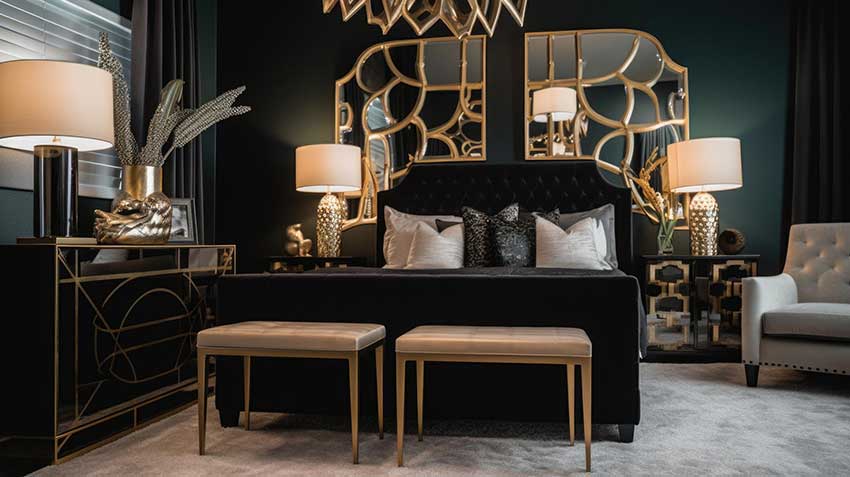
Luxury decor relies heavily on sophisticated color palettes and textures that add depth and visual interest. Deep, bold colors like emerald green, navy blue, and charcoal add richness, while neutrals like taupe, cream, and white keep the space grounded and timeless. Gold, bronze, and silver accents bring warmth and shine, completing the luxurious look.
Textures are just as important as colors in luxury design. Plush fabrics like velvet, silk, and cashmere add a touch of softness and warmth, while smoother textures like polished marble and glass introduce elegance and reflect light beautifully. The key is balancing these textures to ensure the space doesn’t feel overwhelming but exudes an understated elegance. Adding contrasting textures in the same color family—like a matte velvet sofa paired with a high-gloss lacquer coffee table—enhances the space’s depth and character.
“The best interiors are not defined by expensive materials alone—they’re defined by how well they improve the way people live every day.”
— American Society of Interior Designers (ASID)
Furniture Choices in Luxury Design
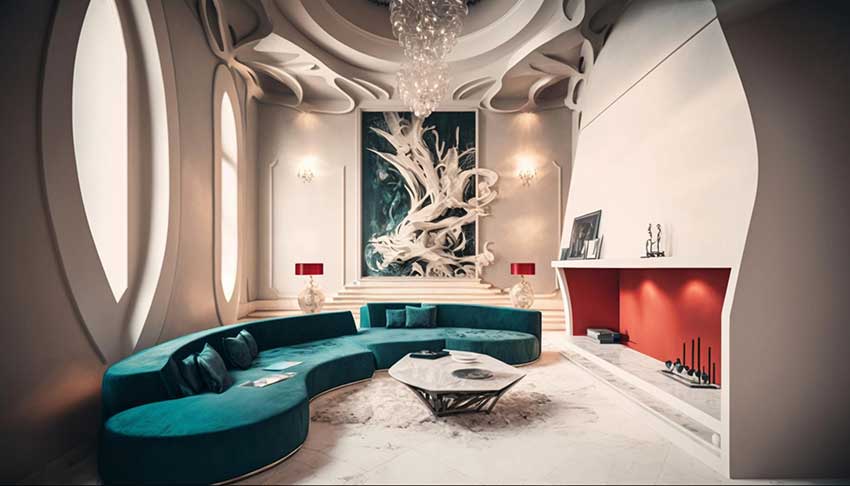
Furniture is the foundation of any luxury space, with each piece carefully selected for its design, material, and craftsmanship. Timeless, bespoke furniture items are essential as they carry a sense of exclusivity and character. For instance, a statement couch upholstered in premium leather or a handcrafted wooden dining table can elevate an entire room with their quality and style.
In luxury design, modern and vintage furniture can coexist beautifully. Pairing an ornate, vintage armchair with a sleek, modern sofa brings in a sense of history and modernity that reflects both the past and present. Bespoke pieces created by local artisans or well-known designers further add value, making each item a conversation piece while contributing to the room’s luxurious vibe.

Lighting as a Luxury Statement
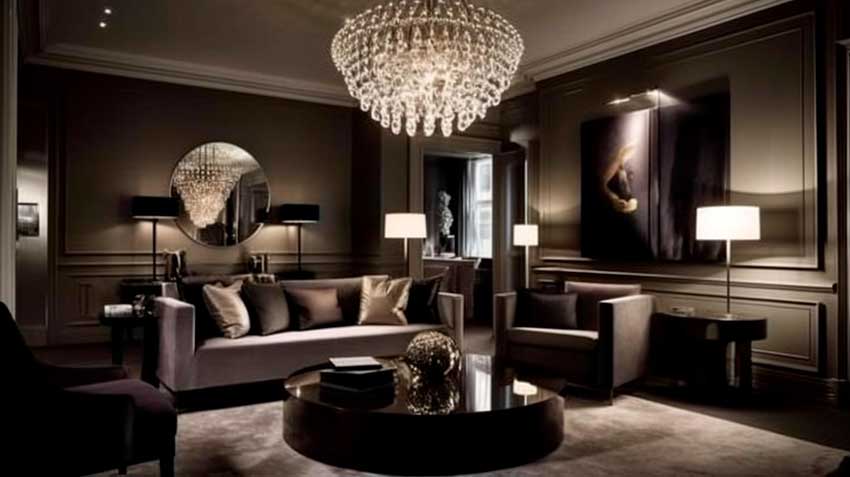
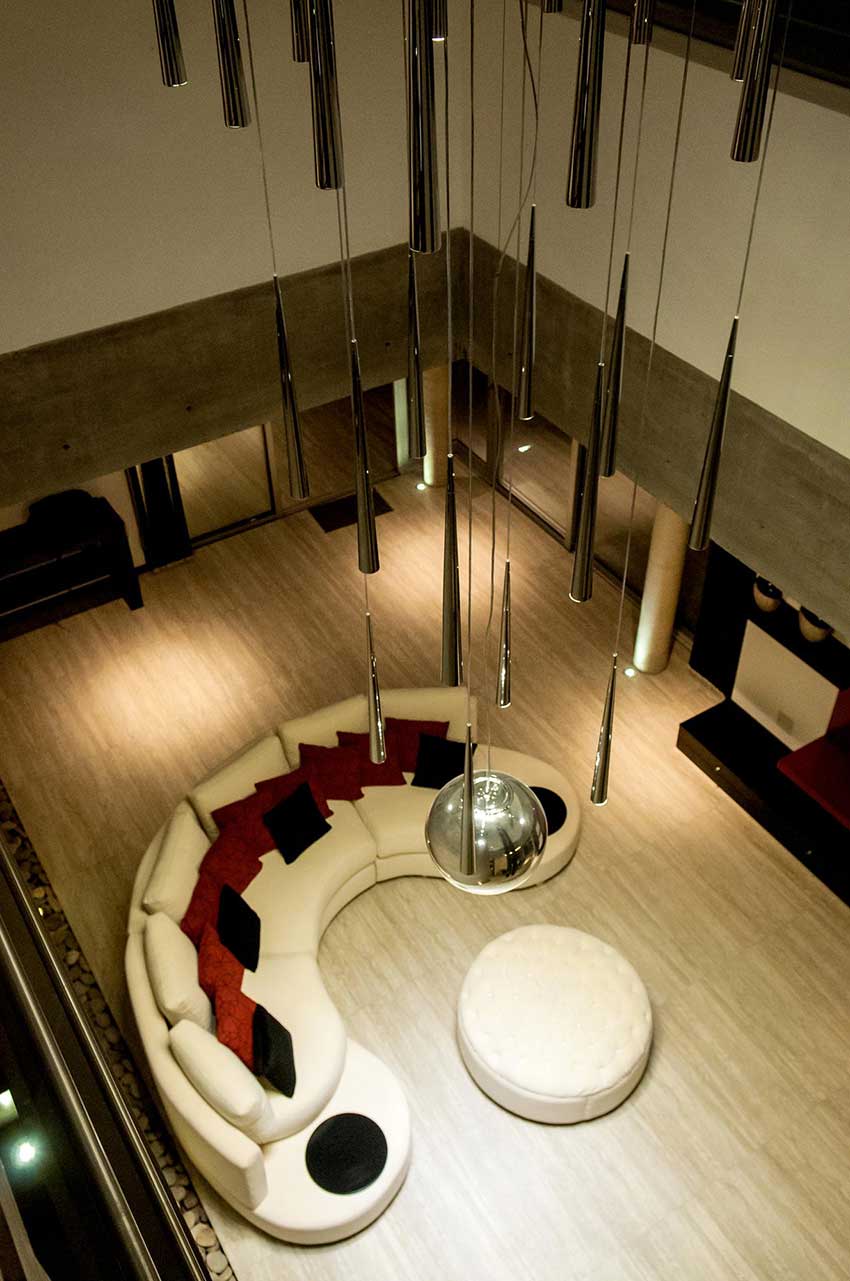
Lighting is often called the jewel of interior design, and in luxury decor, it plays an especially crucial role. Chandeliers, pendant lights, and wall sconces are more than just sources of illumination; they’re statement pieces that set the mood and enhance the elegance of the space. A grand chandelier with crystal droplets in the entryway or dining room can become the focal point of the entire room.
Ambient lighting creates a warm and inviting atmosphere, while accent lighting highlights architectural features or artwork. Combining different lighting types—task lighting, ambient, and accent lighting—ensures that every corner of the space is well-lit without overpowering the senses. For added opulence, many luxury designs incorporate dimmable, smart lighting options, which allow homeowners to control the ambiance with ease.
Luxury Accents and Accessories
Accents and accessories breathe life into luxury spaces, transforming an elegant room into a personal, engaging environment. Statement mirrors, original artwork, and sculptures are just a few examples of luxury decor items that add depth and personality. These pieces are often chosen for their uniqueness, quality, and how well they complement the overall theme of the space.
Decorative items like crystal vases, gold-trimmed picture frames, and silk rugs add an opulent touch without cluttering the room. For a cohesive look, it’s important to choose accessories that align with the color palette and textures already present. This careful selection of accents not only enhances the visual appeal but also creates an atmosphere that reflects refined taste and sophistication.
Luxury Design Trends for Modern Spaces
Luxury design is ever-evolving, with trends reflecting the changing tastes and values of society. Today, a minimalist approach to luxury is becoming more popular, where the focus is on high-quality essentials rather than over-the-top opulence. This minimalist luxury style embraces clean lines, neutral palettes, and uncluttered spaces, allowing the beauty of each item to shine.
Another trend is the integration of technology, where luxury spaces are equipped with smart home features that blend seamlessly with the decor. Voice-activated controls, smart lighting, and automated systems offer convenience and elevate the luxury experience, catering to a modern, tech-savvy lifestyle. This blend of simplicity and sophistication ensures that luxury design remains relevant and desirable.

Incorporating Art into Luxury Design
Art is an integral component of luxury decor, serving as both a focal point and a means of personal expression. Choosing artwork that resonates with the homeowner’s style and the room’s ambiance adds depth to the space. Large, statement art pieces above sofas or mantels make a bold impression, while smaller, curated collections on gallery walls create visual interest.
For a truly unique look, many luxury designers opt for custom art pieces tailored specifically for the space. These custom works, whether paintings, sculptures, or installations, add an irreplaceable touch to the room, reflecting not only wealth but a refined appreciation for culture and craftsmanship.

Using Space Efficiently in Luxury Decor
Luxury isn’t only about large, expansive spaces. Small spaces, when designed with high-quality materials and thoughtful layouts, can feel equally luxurious. In larger spaces, thoughtful use of room dividers, grand furnishings, and open layouts contribute to an inviting flow, while smaller spaces benefit from multi-functional furniture and minimalist design approaches that maximize comfort without sacrificing style.
Efficient space utilization is essential in luxury design, ensuring each room maintains a sense of openness and relaxation. For example, in compact luxury apartments, a mirrored wall or glass partition can make the space appear larger, while hidden storage helps maintain a clean, uncluttered look. Luxury is about creating harmony within the space, regardless of its size.
Follow us on Instagram for more ideas
The Role of Personalization in Luxury Interiors
A defining feature of luxury decoration design today is personalization—crafting interiors that reflect the unique identity, lifestyle, and tastes of the homeowner. Unlike mass-produced decor, luxury design thrives on bespoke elements that make a space truly one of a kind. From custom-built furniture to tailor-made wall treatments and monogrammed linens, personalization elevates a room from stylish to meaningful.
Designers often collaborate closely with clients to incorporate personal touches like family heirlooms, curated book collections, or art from global travels. These elements infuse the space with emotion and history, transforming it into a narrative of the people who live there. Even subtle details—like custom cabinet hardware, personalized lighting settings, or engraved metal accents—can enhance the intimate, exclusive feel of a luxury interior.
The Impact of Architecture on Luxury Design
While materials, furnishings, and color schemes shape the visual experience of a room, the architecture of a space plays a foundational role in luxury decoration. High ceilings, large windows, crown moldings, and arched doorways create a sense of grandeur that enhances luxurious elements. Architectural symmetry and proportion are also key, providing a natural balance that supports an elegant design layout.
Luxury decorators often work with architects from the earliest stages of a project to ensure cohesion between structural elements and interior design. For instance, built-in shelving, custom alcoves for artwork, or hidden storage within architectural features all help to preserve the visual integrity of the space while maximizing functionality.
The Influence of Global Design Styles
Modern luxury design often borrows elements from global cultures, blending diverse aesthetics into a refined, harmonious whole. A Moroccan-inspired mosaic wall, Italian marble flooring, or Japanese minimalism can all be integrated to add depth and personality. These global influences offer endless possibilities for creating a worldly yet cohesive luxury interior.
This international approach also allows for the use of rare materials and artisan-made pieces from around the world. Whether it’s a handwoven Persian rug, French silk drapes, or African tribal sculptures, these pieces add cultural richness and authenticity—further distinguishing luxury spaces from standard interiors.
Luxury Outdoor Living Spaces
Luxury isn’t confined to interior spaces. High-end homes increasingly incorporate outdoor living areas that mirror the elegance of indoor design. These can include covered patios with designer furniture, outdoor kitchens, water features, fire pits, and even heated flooring for year-round comfort.
Outdoor lighting, landscape architecture, and weather-resistant materials such as teak, stone, and stainless steel all contribute to a seamless indoor-outdoor luxury lifestyle. With careful planning, these areas become extensions of the home—ideal for entertaining, relaxing, or simply enjoying the beauty of nature in a sophisticated setting.
The Emotional Value of Luxury Spaces
Finally, luxury decoration is not just about aesthetics or status—it’s about how a space makes you feel. Whether it’s the warmth of a soft cashmere throw, the calm of a perfectly lit reading nook, or the satisfaction of a meticulously organized dressing room, true luxury lies in emotional connection.
When a space aligns with one’s values, routines, and personal joys, it creates not just visual beauty but a lasting sense of well-being. That emotional resonance is the ultimate goal of luxury decoration design: to create not just beautiful spaces, but meaningful, comforting environments that elevate daily living.
How to Plan a Luxury Interior Design Project from Start to Finish
A successful luxury interior begins long before furniture or finishes are selected. Every exceptional project starts with a strategic plan that aligns architecture, functionality, aesthetics, and investment goals. Homeowners should first identify how each space will be used, establish a realistic budget, and define their preferred design style before choosing materials or furnishings.
Working with an experienced design-build company streamlines this process by coordinating interior designers, architects, contractors, and suppliers under one management team. This integrated approach minimizes delays, reduces costly mistakes, and ensures every design decision supports the overall vision.
Luxury projects also benefit from early material selection. Choosing stone slabs, custom cabinetry, lighting fixtures, and specialty finishes during the planning phase prevents supply chain issues and keeps construction moving efficiently. A detailed project schedule combined with transparent communication helps deliver a refined result without unnecessary surprises.
Ultimately, luxury design is not about spending more—it’s about making informed decisions that create timeless value, exceptional craftsmanship, and a home tailored to the owner’s lifestyle.
Smart Home Technology as a Standard in Modern Luxury Homes
Today’s luxury homes combine timeless aesthetics with intelligent technology. Rather than treating smart systems as optional upgrades, modern luxury design integrates them into the architectural planning process to enhance comfort, convenience, and energy efficiency.
Homeowners increasingly expect centralized control of lighting, climate, security, entertainment, window treatments, and access systems through smartphones or voice assistants. Properly integrated automation eliminates visual clutter by concealing wiring, speakers, and control equipment while preserving clean architectural lines.
Energy-efficient lighting controls, automated shades, occupancy sensors, and smart HVAC systems also contribute to lower operating costs without compromising comfort. These technologies create environments that adapt to daily routines while maintaining a sophisticated appearance.
When thoughtfully implemented, smart home technology becomes virtually invisible, allowing the design itself—not the technology—to remain the focal point.
Why Custom Craftsmanship Defines True Luxury
One of the defining characteristics of luxury interior design is customization. While premium materials are important, true luxury comes from creating spaces that cannot be replicated through mass-produced products alone.
Custom cabinetry, handcrafted millwork, bespoke furniture, architectural wall treatments, and tailored lighting solutions allow every room to reflect the homeowner’s personality while maximizing functionality. These pieces are designed specifically for the dimensions and lifestyle of each client, resulting in a seamless, cohesive environment.
Investing in skilled craftsmanship also improves durability and long-term value. Precision joinery, premium finishes, and meticulous installation create interiors that maintain their beauty for decades while reducing future maintenance requirements.
Rather than following short-lived design trends, custom craftsmanship creates timeless interiors that remain elegant and functional regardless of changing styles.
Builpire: Transforming Your Space, One Design at a Time
Builpire is your trusted partner for interior decoration and kitchen design, offering a seamless experience from concept to completion. Specializing in personalized home and kitchen transformations, Builpire goes beyond design by acting as your dedicated contractor. We manage every detail, ensuring that your dream space comes to life with expertise and style.
Our unique platform allows you to explore a curated selection of high-quality products essential for your interior project. As you browse, you can effortlessly add items to your personalized contract, guaranteeing that each element is tailored to fit your vision and budget. With Builpire, design meets functionality, delivering spaces that inspire and elevate your everyday living.
Discover the possibilities with Builpire—where exceptional design becomes your reality
FAQ
What defines a luxury interior design project?
Luxury interior design combines premium materials, personalized layouts, expert craftsmanship, and thoughtful planning to create spaces that are both beautiful and highly functional. True luxury focuses on quality, longevity, and customization rather than excessive decoration.
How much does luxury interior design typically cost?
The cost varies depending on the home’s size, location, materials, level of customization, and construction requirements. High-end projects typically prioritize long-term value by investing in durable materials, custom millwork, and professional project management.
Is luxury interior design suitable for smaller homes?
Absolutely. Luxury is defined by thoughtful design rather than square footage. High-quality finishes, efficient layouts, custom storage solutions, and carefully selected furnishings can make even compact spaces feel sophisticated and spacious.
What are the biggest trends in luxury home design today?
Current luxury trends include sustainable materials, integrated smart home technology, natural stone finishes, wellness-focused spaces, warm neutral color palettes, custom-built furniture, and seamless indoor-outdoor living environments.
Should I hire a design-build company for a luxury renovation?
Yes. A design-build approach simplifies communication by combining design, construction, budgeting, and project management into one coordinated process. This often reduces delays, improves quality control, and creates a more consistent final result.