What is a Modular Kitchen Design?
When it comes to modern home design, the question “What is a Modular Kitchen Design?” often arises. This design concept, popular for its functionality and adaptability, refers to a kitchen built in modules or separate sections. But really, what is a Modular Kitchen Design, and why has it become such a favorite? At its core, it’s a kitchen format that allows for flexibility, customization, and ease of maintenance.
To delve deeper into “What is a Modular Kitchen Design?”, let’s look at its structure. A modular kitchen is composed of standardized cabinets, often made from plywood or MDF, that fit together seamlessly to form an organized layout. So, when people ask, “What is a Modular Kitchen Design?”, it’s helpful to think of it as a set of building blocks that create a functional and stylish kitchen space.
more:view interior decoration equipment
Another key aspect of “What is a Modular Kitchen Design?” is its focus on maximizing space. In compact homes, modular kitchens can be tailored to use every inch of available space effectively. What is a Modular Kitchen Design if not a reflection of the smart use of space and technology?
For those who wonder “What is a Modular Kitchen Design?” in terms of assembly and disassembly, it’s the ability to install or rearrange modules as needed. This flexibility is essential in today’s fast-paced world, where ease of modification is highly valued. So, what is a Modular Kitchen Design if not a perfect blend of form and function?
Ultimately, when someone asks, “What is a Modular Kitchen Design?”, they’re asking about a kitchen that can be both practical and personalized. This adaptability is why the phrase “What is a Modular Kitchen Design?” resonates with so many homeowners today.
Introduction to Modular Kitchen Design
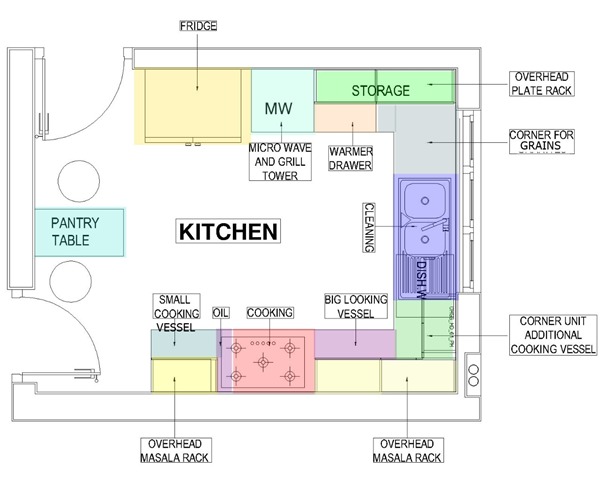
A modular kitchen is a modern and highly efficient way to design a kitchen that maximizes space, functionality, and aesthetics. Unlike traditional kitchen setups, modular kitchens use standardized units or “modules” such as cabinets, shelves, and drawers, which can be arranged in various configurations to suit the homeowner’s needs and preferences.
“Soft-close hinges and full-extension drawer slides significantly improve cabinet longevity and daily usability.”
Benefits of Modular Kitchens
Modular kitchens come with numerous benefits that have made them increasingly popular:
- Space Efficiency: Modular kitchens are known for optimizing every square inch, making them ideal for smaller spaces.
- Customization Options: With various modules and layout options, you can create a design tailored to your cooking habits and lifestyle.
- Easy Maintenance: The units in modular kitchens are easy to remove, repair, or replace, making maintenance straightforward and hassle-free.
Key Components of a Modular Kitchen
Understanding the components that make up a modular kitchen can help you design one that meets your needs:
- Cabinets and Shelves: These offer storage and can be customized with different finishes.
- Countertops: A functional workspace available in materials like granite, quartz, and laminate.
- Modular Accessories: Include pull-out racks, cutlery trays, and organizers that enhance kitchen functionality.
Types of Modular Kitchen Layouts
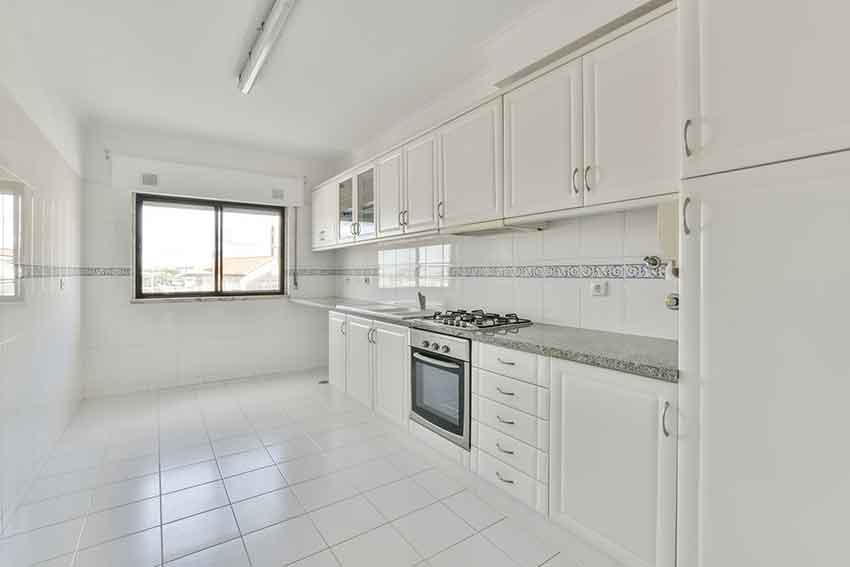
Choosing the right layout is essential, as it impacts both the kitchen’s look and usability:
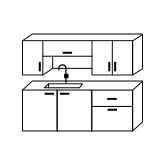
- Straight Layout: A single-wall setup ideal for compact spaces.
- L-shaped Layout: Fits well in corners, providing ample space for movement.
- U-shaped Layout: Offers plenty of countertop space and storage but needs a larger area.
- Island Kitchen Layout: Ideal for open floor plans, adding a social and prep area.
- Parallel Kitchen Layout: Maximizes wall space, allowing separate areas for cooking and cleaning.
Materials Used in Modular Kitchens
The selection of materials affects the requirements for upkeep, durability, and appearance:
- Wood: Known for its timeless appeal but may require more maintenance.
- Laminate: Affordable, easy to clean, and available in various colors.
- Stainless Steel: Modern, durable, and ideal for those seeking a minimalist look.
- Glass: Often used for cabinets, adding a touch of elegance.

Popular Color Themes for Modular Kitchens
Color is crucial to the overall ambiance of your kitchen. Here are some popular choices:
- Neutral Tones: Shades like beige, white, and gray create a calm, elegant look.
- Bold Colors: Vibrant hues like red or yellow can make the kitchen lively.
- Two-tone Combinations: Combining two colors (e.g., black and white) adds depth and interest.
Storage Solutions in Modular Kitchens
Maximizing storage is one of the key strengths of modular kitchens:
- Cabinets: Available in various heights and configurations for customized storage.
- Drawers: Great for storing pots, pans, and cutlery.
- Pull-Out Shelves: Handy for accessing items without reaching deep into cabinets.
Importance of Lighting in Modular Kitchens
Good lighting enhances both the kitchen’s look and functionality:
- Task Lighting: Illuminates areas for chopping, cooking, and cleaning.
- Ambient Lighting: Provides overall brightness, creating a welcoming atmosphere.
- Under-Cabinet Lighting: Brightens workspaces without casting shadows.
“Quartz countertops require minimal maintenance and provide excellent resistance to stains and scratches, making them one of the best choices for busy kitchens.”
Appliances Suitable for Modular Kitchens
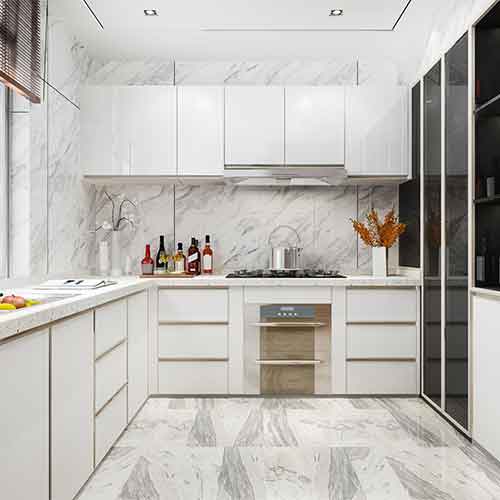
Modular kitchens allow for smooth appliance integration:
- Built-In Appliances: Such as ovens and microwaves, save counter space.
- Freestanding vs. Integrated Options: Depending on your design, either can work.
Maintenance Tips for Modular Kitchens
Keeping a modular kitchen in top condition involves some basic care:
- Daily Cleaning: Wipe down surfaces to prevent grime build-up.
- Avoiding Moisture Build-Up: Ensure ventilation to prevent mold, especially in humid areas.
Cost Factors of a Modular Kitchen
The overall cost can vary based on:
- Materials: High-end materials like granite or stainless steel can raise costs.
- Size and Layout: Larger kitchens with complex layouts will be pricier.
- Labor Costs: Skilled labor for installation can also impact the budget.
How to Choose the Right Modular Kitchen Design
Consider these factors to make an informed choice:
- Space Availability: Choose a layout that fits your kitchen dimensions.
- Lifestyle Needs: If you cook often, prioritize functionality and storage.
- Budget: Decide how much you’re willing to invest, balancing quality and cost.
Environmental Considerations
Eco-friendly modular kitchens are a great choice for the environmentally conscious:
- Sustainable Materials: Use eco-friendly wood and recycled materials.
- Energy-Efficient Appliances: Choose appliances with high energy ratings.
Common Myths about Modular Kitchens
There are some misconceptions about modular kitchens:
- High Cost: Modular kitchens can be budget-friendly with the right choices.
- Limited Durability: High-quality materials ensure lasting performance.
- Only for Large Spaces: Modular kitchens are adaptable to any size.
“The Future of Kitchen Design: Why Modular Kitchens Are Revolutionizing Modern Homes”
In today’s fast-evolving world of home design, functionality and aesthetics must go hand-in-hand—and nowhere is this more evident than in the heart of the home: the kitchen. As homeowners increasingly seek solutions that blend practicality with style, modular kitchens have emerged as the future of kitchen design, offering an innovative and efficient approach that’s transforming how we think about culinary spaces.
A modular kitchen isn’t just a trendy alternative to traditional layouts—it’s a complete reimagination of how kitchen spaces can be organized, customized, and utilized. These kitchens are built from individual, pre-fabricated units or “modules” that can be mixed and matched to fit any kitchen shape, size, or style preference. Whether you’re outfitting a compact city apartment or a spacious suburban home, modular kitchens provide a level of flexibility and functionality that’s hard to beat.
But what truly sets modular kitchens apart is their focus on intelligent design and space optimization. Every element—from corner cabinets to pull-out shelves—is crafted with efficiency in mind, making it easier to maintain a clutter-free environment while maximizing every available inch. In an age where space is at a premium, this smart use of design is more than just a luxury—it’s a necessity.
Beyond their spatial advantages, modular kitchens are designed to be dynamic and future-proof. Need to move? Modular setups can be dismantled and relocated with ease. Want to upgrade a countertop or replace cabinetry? No problem. The modular format allows for straightforward maintenance, repairs, and redesigns without the need for a complete overhaul. This is especially important for today’s fast-paced lifestyles, where adaptability is key.
Additionally, modern modular kitchens offer endless aesthetic possibilities. From minimalist Scandinavian tones to bold, eclectic color combinations, homeowners can create a kitchen that reflects their unique tastes and complements their overall interior design. Whether you prefer matte finishes or high-gloss lacquers, there’s a modular solution to match. Combine that with integrated lighting systems, eco-friendly materials, and smart appliances, and the result is a kitchen that’s as stylish as it is smart.
What’s more, technology and sustainability are deeply embedded in the modular kitchen philosophy. With options to incorporate energy-efficient appliances and eco-conscious materials, these kitchens align perfectly with the growing demand for greener living. It’s not just about looking good—it’s about living better.
Enter Builpire—your partner in creating modern, customized, and highly functional kitchen spaces. With a curated selection of interior design products and a commitment to bringing your vision to life, Builpire transforms your kitchen from a mere cooking area into a personalized lifestyle zone. From concept to execution, Builpire ensures that your dream kitchen is not only beautifully designed but also tailored to your specific needs and budget.
In short, modular kitchens represent the next chapter in smart home living. They are stylish, sustainable, and supremely adaptable—designed not just for today, but for the needs of tomorrow. As more homeowners embrace innovation and personalization, the modular kitchen stands as a symbol of where interior design is heading.
Smart Features That Make a Modular Kitchen Future-Ready
Today’s homeowners expect more than beautiful cabinetry—they want a kitchen that simplifies everyday life. Modern modular kitchen designs are increasingly integrated with smart technology, allowing homeowners to improve convenience, energy efficiency, and organization without sacrificing aesthetics.
Smart lighting systems can automatically adjust brightness throughout the day or be controlled through voice assistants and mobile apps. Motion-sensor cabinet lighting makes it easier to access storage areas while reducing unnecessary electricity consumption. Integrated charging stations, hidden power outlets, and USB ports keep countertops organized while supporting today’s connected lifestyle.
Many premium modular kitchens also include intelligent storage solutions such as motorized lift cabinets, pull-down shelving systems, and automated pantry organizers. These features improve accessibility while maximizing every inch of available space.
Smart appliances are another essential component of a future-ready kitchen. Wi-Fi-enabled ovens, refrigerators with inventory tracking, touchless faucets, and induction cooktops help homeowners cook more efficiently while reducing energy usage.
When planning a modular kitchen, investing in technology that can be upgraded over time ensures your kitchen remains functional and valuable for years to come. Choosing flexible cabinetry layouts also makes it easier to replace appliances as technology evolves.
How to Choose High-Quality Modular Kitchen Cabinets
Not all modular kitchens are built to the same standard. While appearance is important, the long-term durability of your kitchen depends on the quality of the cabinet construction, hardware, and installation.
One of the first factors to evaluate is the cabinet material. High-quality plywood generally provides better moisture resistance than particle board, while premium MDF can deliver an exceptionally smooth painted finish when properly manufactured.
Hardware quality plays an equally important role. Soft-close hinges and drawer slides reduce wear and tear while creating a quieter and more luxurious experience. Reputable hardware manufacturers often provide lifetime warranties, making them a worthwhile investment.
Cabinet construction should include strong joinery methods, reinforced shelving, and durable edge banding to withstand years of daily use. Adjustable shelving and full-extension drawers also improve functionality and accessibility.
Finish quality should never be overlooked. UV-coated laminates, acrylic finishes, and high-performance thermofoil surfaces provide better resistance against scratches, stains, and fading compared to lower-quality materials.
Working with an experienced contractor ensures that cabinets are properly leveled, aligned, and installed according to manufacturer specifications, significantly extending the lifespan of your modular kitchen.
Modular Kitchen Design Mistakes to Avoid
Even a well-designed modular kitchen can become frustrating if common planning mistakes are overlooked during the design phase.
One of the most frequent mistakes is ignoring the kitchen work triangle—the relationship between the sink, refrigerator, and cooktop. Poor placement increases unnecessary movement and reduces cooking efficiency.
Another common issue is insufficient storage planning. Many homeowners underestimate the amount of storage they need, resulting in cluttered countertops and overcrowded cabinets. Deep drawers, corner organizers, pantry pull-outs, and vertical storage systems help maximize usable space.
Lighting is another area that is often neglected. Relying solely on ceiling lights creates shadows over preparation areas. Combining ambient lighting with task lighting and under-cabinet LED fixtures significantly improves visibility.
Choosing style over functionality can also lead to disappointment. Oversized kitchen islands, decorative open shelving, or trendy finishes may look impressive but fail to support everyday cooking habits.
Finally, poor ventilation can shorten the life of cabinetry and reduce indoor air quality. Selecting an appropriately sized range hood helps remove moisture, grease, and cooking odors while protecting cabinet finishes over time.
A successful modular kitchen balances aesthetics, workflow, storage, lighting, and durability to create a space that remains functional for many years.
Builpire: Transforming Your Space, One Design at a Time
Builpire is your trusted partner for interior decoration and kitchen design, offering a seamless experience from concept to completion. Specializing in personalized home and kitchen transformations, Builpire goes beyond design by acting as your dedicated contractor. We manage every detail, ensuring that your dream space comes to life with expertise and style. Our unique platform allows you to explore a curated selection of high-quality products essential for your interior project. As you browse, you can effortlessly add items to your personalized contract, guaranteeing that each element is tailored to fit your vision and budget. With Builpire, design meets functionality, delivering spaces that inspire and elevate your everyday living. Discover the possibilities with Builpire—where exceptional design becomes your reality .
For more ideas and guidance, follow us on Instagram.
Conclusion and Final Thoughts
Modular kitchen design has transformed modern kitchens, making them more functional, stylish, and efficient. Whether you have a small apartment or a large home, there’s a modular kitchen layout and design that will fit perfectly. Embrace this innovative design approach to elevate your cooking experience and create a space that truly feels like home.
FAQs
Is a modular kitchen worth the investment?
Yes. A modular kitchen offers better organization, efficient use of space, easier maintenance, and higher resale appeal. High-quality materials and professional installation can provide decades of reliable performance while improving daily functionality.
Which material is best for modular kitchen cabinets?
Marine plywood is highly durable and moisture-resistant, making it an excellent choice for humid environments. MDF offers a smooth finish for painted cabinetry, while plywood generally provides greater structural strength.
Can a modular kitchen increase home value?
Yes. A professionally designed modular kitchen is considered a valuable home improvement because buyers often prioritize updated kitchens with efficient storage, modern appliances, and durable finishes.
How long should a modular kitchen last?
A well-built modular kitchen using premium materials and quality hardware can last 20 years or longer with regular maintenance and proper care.
What is the biggest mistake when designing a modular kitchen?
One of the most common mistakes is prioritizing appearance over functionality. Ignoring workflow, storage requirements, lighting, and ventilation often results in a kitchen that looks attractive but performs poorly in daily use.