



Water & Fire Damage Restoration: A Complete Guide to Recovering Your Home
Water or fire damage can affect far more than the visible condition of your home. A burst pipe, severe storm, flooding, appliance failure, kitchen fire, or smoke event can quickly damage flooring, drywall, insulation, cabinetry, personal belongings, and other parts of the property. In some cases, moisture or smoke can also affect areas that are not immediately visible.
That is why Water & Fire Damage Restoration involves more than cleaning up what you can see. A proper restoration process begins with assessing the extent and source of the damage, addressing immediate safety concerns, removing water or fire-damaged materials when necessary, and thoroughly drying or cleaning affected areas. The goal is to reduce secondary damage and help return the property to a safe, functional condition.
Timing matters, particularly after water damage. Moisture can move into porous building materials and concealed spaces, making thorough assessment and drying an important part of the recovery process. After a fire, smoke and soot can also affect surfaces, contents, ventilation systems, and materials throughout the home—even beyond the areas directly touched by flames.
In this guide, we’ll explain what Water & Fire Damage Restoration involves, what homeowners should do immediately after an incident, how the professional restoration process works, when repairs or rebuilding may be necessary, and what to consider when choosing a restoration company.
Water & Fire Damage Restoration: Key Takeaways
- Act quickly after water or fire damage to limit secondary damage.
- Safety should always come before cleanup or entering a damaged property.
- Water-damaged materials should be dried as quickly as possible; EPA recommends a 24–48 hour target when possible to help prevent mold growth.
- Professional restoration may involve inspection, water extraction, drying, cleaning, smoke and soot removal, odor control, and structural restoration.
- Hidden moisture can remain behind walls, beneath flooring, or inside other building materials even when surfaces appear dry.
- Restoration and rebuilding are different stages, and some properties may require repairs or reconstruction after the cleanup process.
- Choosing an experienced restoration partner can help homeowners move from emergency response toward a safe, functional, and fully restored home.

Transform Your Space with BUILPIRE – Book Your Consultation Today!
What to Do Immediately After Water or Fire Damage
The first priority after a water or fire emergency is safety—not cleanup.
If your property has experienced significant flooding, fire, smoke damage, or structural damage, do not rush back inside simply because the visible danger appears to be gone. A damaged home may contain electrical hazards, weakened floors or ceilings, gas leaks, contaminated water, or other hidden risks. FEMA recommends assessing these hazards before entering a fire- or flood-damaged property.
If it is safe to do so, take the following initial steps:
- Stop the source of the damage. Shut off the water supply if a plumbing failure is responsible and it is safe to access the shutoff.
- Stay away from electrical hazards. Never operate electrical equipment while standing in water. If electrical systems may have been affected, wait for qualified professionals to determine whether they are safe.
- Do not enter an unsafe structure. Sagging ceilings, damaged floors, foundation problems, damaged wiring, or a strong gas odor can indicate serious hazards.
- Document the damage. Take photographs and videos of affected rooms, materials, furniture, and visible damage when it is safe to do so.
- Contact your insurance company. Report the incident and ask about documentation, temporary housing, and the claims process.
- Arrange a professional assessment. A restoration professional can evaluate moisture, smoke or soot contamination, affected materials, and areas where damage may not be visible.
- Begin appropriate drying as quickly as possible. EPA guidance emphasizes rapid drying of water-damaged materials, with 24–48 hours being an important target for reducing the likelihood of mold growth.
Avoid aggressive DIY cleanup when the water may be contaminated, the structure may be unsafe, or fire and smoke damage has affected electrical, HVAC, insulation, or structural components.
The goal of the first response is not to make the property look clean. It is to make the situation safe, stop additional damage, document what happened, and create a clear path toward professional restoration.
FEMA emphasizes that personal safety should come before cleanup when returning to a fire- or flood-damaged home. Potential hazards can include damaged electrical systems, gas lines, foundation problems, weakened floors or ceilings, and contaminated areas.
Never use electrical equipment while standing in water, and do not enter a structure that may be unsafe until the appropriate professionals have evaluated the property.
Source: Federal Emergency Management Agency (FEMA)
What Is Water & Fire Damage Restoration?
Water & Fire Damage Restoration refers to a set of processes designed to return a property to its original or better-than-original condition after it has sustained water or fire-related damage. This includes:
-
Water extraction and drying
-
Smoke and soot removal
-
Structural repairs
-
Mold prevention and remediation
-
Odor elimination
Specialized equipment such as industrial dehumidifiers, air scrubbers, and moisture meters are used to ensure all affected areas are thoroughly treated.
Water Damage Categories: What Homeowners Need to Know
Not all water damage presents the same level of risk. The source of the water, how long materials have been exposed, and which areas of the home are affected can all influence the restoration approach.
Clean water from a broken supply line or similar source may be easier to address than water contaminated by sewage, chemicals, or other hazardous materials. When contamination is suspected, homeowners should avoid treating the situation as a simple cleanup project and consult qualified restoration professionals.
The condition of the affected materials also matters. Water can move behind walls, beneath flooring, into insulation, and into other areas that are not immediately visible. This is one reason a professional assessment should look beyond the surface damage.
Drying is another critical consideration. The U.S. Environmental Protection Agency recommends drying wet or damp materials within 24–48 hours when possible to help prevent mold growth. However, this timeframe should be treated as a practical prevention guideline rather than a guarantee that mold will or will not develop.
A professional restoration assessment can help determine the likely source of the water, identify affected materials, evaluate moisture levels, and establish the appropriate cleanup and drying strategy. For contaminated water situations, specialized safety procedures and protective equipment may also be necessary.
For homeowners, the key takeaway is simple: the sooner the source is controlled and the affected areas are properly assessed and dried, the better the opportunity to limit secondary damage.
The Restoration Process: Step-by-Step
1. Assessment and Inspection
The first step in Water & Fire Damage Restoration is a full inspection of the damage. Professionals will assess the extent of water penetration, fire damage, and smoke contamination.
2. Water Removal and Drying
If water is present, it must be removed immediately. Pumps and vacuums are used for large volumes of water, followed by industrial fans and dehumidifiers to completely dry the area.
The U.S. Environmental Protection Agency recommends drying wet or damp materials within 24–48 hours when possible to help prevent mold growth. This should be treated as a practical prevention target rather than a guarantee, because mold risk depends on moisture, materials, temperature, and other conditions.
After significant water damage, professional moisture assessment and thorough drying can help identify areas that may remain wet even when surfaces appear dry.
Source: U.S. Environmental Protection Agency (EPA)
3. Debris Removal and Cleaning
Fire-damaged materials such as furniture, drywall, and insulation may need to be removed. Smoke and soot residue is cleaned from all surfaces, including walls, ceilings, and ventilation systems.
4. Mold Prevention
Even a small amount of residual moisture can lead to mold growth. Technicians use antimicrobial treatments to prevent mold from developing during and after the drying process.
5. Repair and Restoration
Finally, the rebuilding phase begins. This includes drywall replacement, floor repair, painting, and any other cosmetic or structural fixes needed to restore the space.
Professional water damage restoration involves more than removing visible water. The ANSI/IICRC S500 standard addresses areas such as building and material science, drying technology, safety, inspections, structural restoration, HVAC restoration, contents evaluation, and project documentation.
This is why a proper restoration assessment should consider both visible damage and conditions that may remain hidden inside the building.
Source: Institute of Inspection, Cleaning and Restoration Certification (IICRC)
Restoration vs. Rebuilding: When Does a Damaged Home Need More Than Cleanup?
Restoration does not always end when the water is removed or the smoke residue is cleaned.
Some properties require additional repairs because water, fire, smoke, or prolonged moisture exposure has damaged drywall, flooring, insulation, cabinetry, ceilings, electrical components, or other parts of the home. In more serious cases, portions of the property may need to be rebuilt rather than simply cleaned and restored.
This distinction is important for homeowners because cleanup and reconstruction are different stages of the recovery process.
Restoration generally focuses on addressing the effects of the incident. Depending on the situation, this may include water extraction, drying, cleaning, smoke and soot removal, odor control, contents handling, and remediation of affected materials.
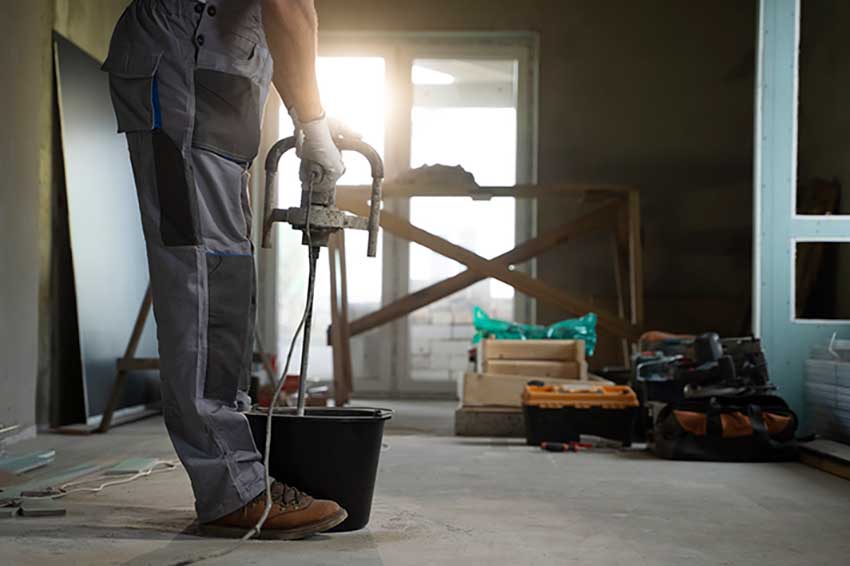
Rebuilding or renovation begins when damaged components need to be repaired, replaced, redesigned, or reconstructed. This may involve drywall replacement, flooring, cabinetry, painting, electrical work, structural repairs, or improvements to the home’s layout and finishes.
The transition between these stages should be based on the actual condition of the property rather than appearance alone. Moisture can remain inside building assemblies even after surfaces appear dry, while fire and smoke damage can affect materials that may not initially look severely damaged.
The ANSI/IICRC S500 standard addresses professional water damage restoration across areas including building and material science, drying technology, safety, inspections, structural restoration, HVAC restoration, contents evaluation, and project documentation.
For homeowners, choosing a company that can coordinate restoration and subsequent repair work can simplify the recovery process. Instead of treating cleanup, repairs, and remodeling as completely separate projects, an integrated approach can help create a clearer path from emergency response to a fully functional home.
For properties that require more extensive rebuilding or interior improvements, this is also an opportunity to address design, functionality, and long-term durability rather than simply returning every element to its pre-damage condition.
Why You Shouldn’t Delay Restoration
Delaying Water & Fire Damage Restoration can lead to significant long-term issues:
-
Mold Growth: Mold can start growing within 24-48 hours.
-
Structural Damage: Prolonged exposure to water weakens the home’s structure.
-
Health Hazards: Smoke particles and mold spores can cause respiratory issues.
-
Increased Costs: The longer the wait, the more expensive the restoration becomes.
Choosing the Right Restoration Company
When selecting a Water & Fire Damage Restoration company, look for:
-
24/7 Emergency Service
-
IICRC Certification
-
Proven Track Record
-
Clear Communication
-
Insurance Assistance
One company that consistently stands out in this space is Builpire. Known for their expert craftsmanship and attention to detail, Builpire offers not just restoration services, but also high-end interior design and remodeling. They go beyond surface-level fixes and help homeowners reimagine and rebuild better-than-before spaces.
Preventing Future Damage
While you can’t prevent every disaster, there are steps you can take to minimize risk:
-
Install water leak detectors.
-
Have your wiring and plumbing inspected regularly.
-
Keep flammable materials away from heat sources.
-
Use fire-resistant building materials when possible.
-
Maintain proper insulation and ventilation.
Conclusion
Water & Fire Damage Restoration is more than just a technical process—it’s an essential service that helps families and property owners regain control over their lives after a disaster. From assessment to complete rebuild, restoration specialists bring peace of mind, safety, and beauty back into damaged homes.
If you’re in need of professional help, don’t hesitate to contact a trusted service provider like Builpire, a leader in both restoration and high-quality interior renovation. Their team of experts understands how to turn disaster into design excellence.
For more ideas and guidance, follow us on Instagram.
Frequently Asked Questions About Water & Fire Damage Restoration
How quickly should I call a water damage restoration company?
You should contact a restoration professional as soon as possible after significant water damage occurs. Fast action can help limit the spread of moisture into walls, flooring, ceilings, insulation, and other building materials. The EPA recommends drying wet or damp materials within 24–48 hours when possible to help prevent mold growth, although this is a prevention guideline rather than a guarantee.
Can I clean up water or fire damage myself?
Minor and isolated damage may sometimes be manageable by a homeowner when there are no electrical, structural, sewage, or contamination concerns. Professional restoration is recommended when damage is extensive, water has entered concealed areas, contaminated water is involved, or fire and smoke have affected building materials or systems.
How do I know if water damage has caused hidden moisture?
A surface may appear dry while moisture remains behind drywall, beneath flooring, inside insulation, or in other concealed areas. Professional restoration teams can use moisture meters and other equipment to evaluate affected materials and determine whether additional drying is required.
Does homeowners insurance cover water and fire damage restoration?
Insurance coverage depends on the policy, the cause of the damage, exclusions, deductibles, and the circumstances of the loss. Contact your insurance carrier as soon as practical, document the damage thoroughly, and keep records of restoration-related communication and expenses.
When should I leave my home after fire or water damage?
Leave the property if there are signs of structural instability, electrical hazards, gas odors, unsafe floors or ceilings, significant contamination, or other serious risks. FEMA recommends prioritizing personal safety and assessing potential hazards before entering a fire- or flood-damaged home.