



Discover Luxury Interior Decoration for Elite Homes
Luxury interior decoration is about more than expensive furniture and premium finishes—it is about creating a home that reflects your personal style while delivering lasting comfort, functionality, and visual harmony. From thoughtfully designed living spaces to custom cabinetry, carefully selected materials, and integrated lighting, every detail contributes to the overall experience of the home. Whether you are updating a contemporary residence or planning a complete luxury home renovation, the right design approach balances timeless elegance with practical living, ensuring that each space looks refined and works beautifully for everyday life.
Luxury Interior Decoration: Key Takeaways
- Luxury interior decoration combines personalized design, quality craftsmanship, carefully selected materials, and everyday functionality.
- A clear budget and a well-defined project scope help homeowners prioritize meaningful upgrades and manage renovation costs.
- Durable materials should be selected according to their intended use, maintenance requirements, and long-term performance.
- Layered lighting, thoughtful space planning, practical storage, and smart-home integration can improve comfort and usability.
- Indoor air quality, appropriate ventilation, and dust-control measures deserve attention during material selection and renovation.
- Working with an experienced design and renovation team can help align the design vision, material choices, project scope, and execution plan.
Transform Your Space with BUILPIRE – Book Your Consultation Today!
What Is Luxury Interior Decoration?
Luxury interior decoration is a high-end design philosophy that emphasizes exceptional quality, exclusivity, and elegance. It incorporates premium materials, tailor-made furnishings, and artistic vision to transform living spaces into masterpieces. Unlike mass-market styles, luxury design is deeply personalized and showcases sophistication through thoughtful details, harmony, and seamless integration of technology.
Key Elements of Luxury Interior Decoration
1. Bespoke Furniture and Custom Pieces
Tailor-made furniture plays a central role in luxury interiors. From handcrafted sofas to custom dining tables, these pieces are unique and often sourced from elite artisans. They reflect the homeowner’s taste and bring an unmatched character to each room.
2. High-End Materials
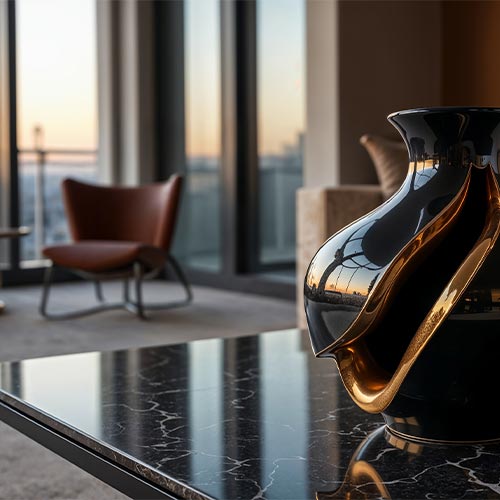
Materials such as marble, onyx, brass, walnut, velvet, and leather dominate luxury spaces. Not only do they look lavish, but their texture and durability elevate the overall experience of the space.
3. Statement Lighting
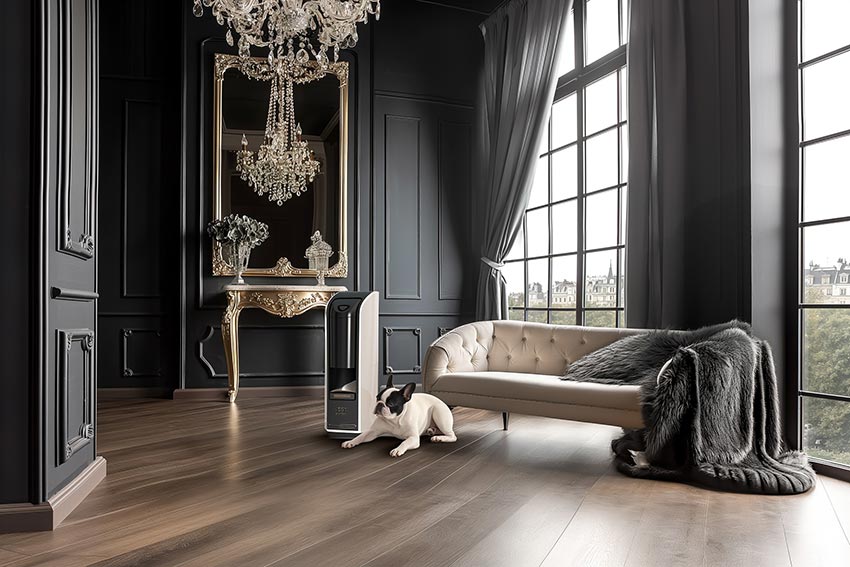
Lighting is more than illumination—it’s art. Luxury interiors often feature crystal chandeliers, sculptural fixtures, and layered lighting systems that add depth and drama to every corner.
4. Sophisticated Color Palettes
Neutral tones, metallics, jewel shades, and monochrome schemes create timeless and elegant moods. These color choices complement the materials and furnishings, enhancing the serene yet upscale ambiance.
5. Smart Home Integration
Modern luxury interiors seamlessly integrate smart-home technologies—automated lighting, climate control, sound systems, and security. These elements ensure comfort and modernity without compromising on style.
How to Choose Luxury Interior Materials That Last
Premium materials should be selected for more than their appearance. In a well-designed luxury home, every surface needs to suit its location, intended use, maintenance requirements, and relationship with the surrounding finishes. A material that looks impressive in a showroom may not be the most practical choice for a busy kitchen, a frequently used entryway, or a family living space.
Natural stone, engineered surfaces, solid wood, metal finishes, and performance fabrics each offer different advantages. When comparing options, consider resistance to stains and scratches, moisture exposure, cleaning requirements, repairability, and how the material will age over time. For example, natural stone may develop a distinctive patina, while certain polished finishes can make fingerprints or everyday wear more noticeable.
Consistency is equally important. Coordinate flooring, cabinetry, countertops, wall finishes, and hardware before making final purchases. Reviewing physical samples together under the home’s actual lighting conditions can reveal differences in undertone, texture, and reflectivity that may not be obvious in digital images.
Ask suppliers for technical specifications, care instructions, warranty information, and installation requirements. For surfaces exposed to water or heat, confirm that the selected product is appropriate for the intended application and that the installation method follows the manufacturer’s recommendations.
Thoughtful material selection creates a more refined interior while helping homeowners manage maintenance and long-term ownership costs. True luxury is not simply the use of expensive finishes; it is the ability to choose materials that perform well and continue to support the design over time.
Luxury finishes should be evaluated for both appearance and indoor environmental performance. Before choosing paints, adhesives, sealants, flooring, or composite wood products, review the manufacturer’s technical information and look for suitable low-emission options. A “low-VOC” or “zero-VOC” label alone does not guarantee that a product is free of every potentially harmful chemical, so consider the product’s overall composition and intended use. Proper ventilation during and after installation is also an important part of a responsible renovation plan.
Source: U.S. Environmental Protection Agency — Indoor Air Quality During Remodeling
Lighting, Comfort, and Functionality in Luxury Interior Design
Luxury interiors should feel as comfortable as they look. Lighting, circulation, acoustics, storage, and temperature control all influence how a home performs throughout the day. When these elements are considered early in the design process, the result is more cohesive than a space that relies primarily on decorative finishes.
A layered lighting plan typically combines ambient lighting for general illumination, task lighting for activities such as cooking or reading, and accent lighting to highlight artwork, architectural details, or textured surfaces. Dimmers and separately controlled lighting zones allow homeowners to adjust the atmosphere for different activities without relying on a single bright overhead fixture.
Natural light should also inform furniture placement, window treatments, and material selection. Reflective surfaces can help distribute light, while carefully positioned curtains or shades can provide privacy and control glare. The right solution depends on window orientation, room function, and the amount of direct sunlight the space receives.
Comfort extends beyond lighting. Thoughtful furniture layouts maintain clear circulation paths, practical storage reduces visual clutter, and appropriate acoustic treatments can make open-plan living areas feel more inviting. Smart controls may also simplify daily routines when lighting, climate, and other systems are planned to work together.
Homeowners should discuss these requirements with their design team before construction or installation begins. Planning wiring, control locations, ventilation, and equipment access in advance can reduce avoidable changes later. The most successful luxury interiors combine visual impact with features that make everyday living easier, more comfortable, and more personal.
Before selecting smart lighting products, decide which functions will genuinely improve daily life. Dimming, scheduled lighting, occupancy sensors, remote access, and adjustable white-light settings serve different purposes and may not all be necessary in every room. Confirm compatibility with existing switches, wiring, connectivity requirements, and other smart-home systems before purchasing fixtures or controls. ENERGY STAR also recommends checking product features carefully, since capabilities and upfront costs vary.
How to Plan a Luxury Interior Design Budget
A successful luxury interior design project begins with a clear understanding of priorities, not simply a list of expensive materials. Before selecting furniture, finishes, or decorative features, homeowners should define the project’s scope, establish a realistic budget, and identify the elements that will have the greatest impact on everyday comfort and the overall design.
Start by separating essential investments from optional upgrades. Layout improvements, custom cabinetry, durable flooring, and well-planned lighting may deserve priority over decorative accessories that can be added later. This approach helps create a cohesive interior without spending unnecessarily on features that do little to improve the space.
It is also important to account for more than visible design elements. Depending on the project, the budget may need to cover design services, labor, demolition, electrical or plumbing work, material delivery, installation, furnishings, and finishing details. Existing property conditions and unexpected construction issues can also affect the final cost.
For a more reliable estimate, request an itemized proposal that identifies material allowances, labor costs, project exclusions, and potential additional charges. If custom furniture or imported finishes are involved, confirm lead times and availability before finalizing the schedule. A clearly defined scope makes it easier to compare proposals and understand what each investment includes.
The goal is not to spend the most money. It is to allocate the budget strategically so that craftsmanship, functionality, and visual consistency work together to create a lasting result.
Luxury Interior Decoration by Room
Living Room
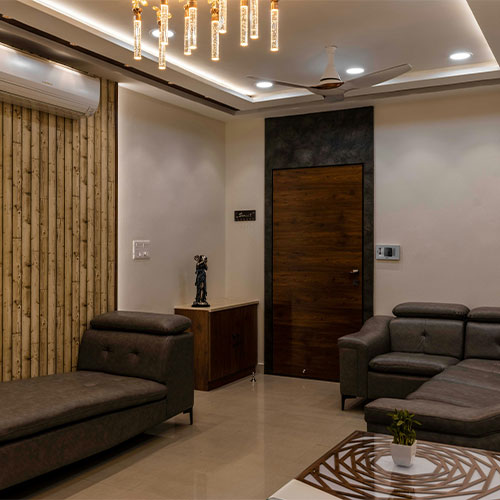
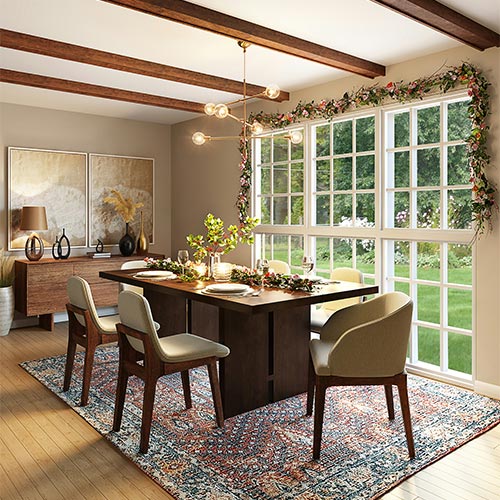
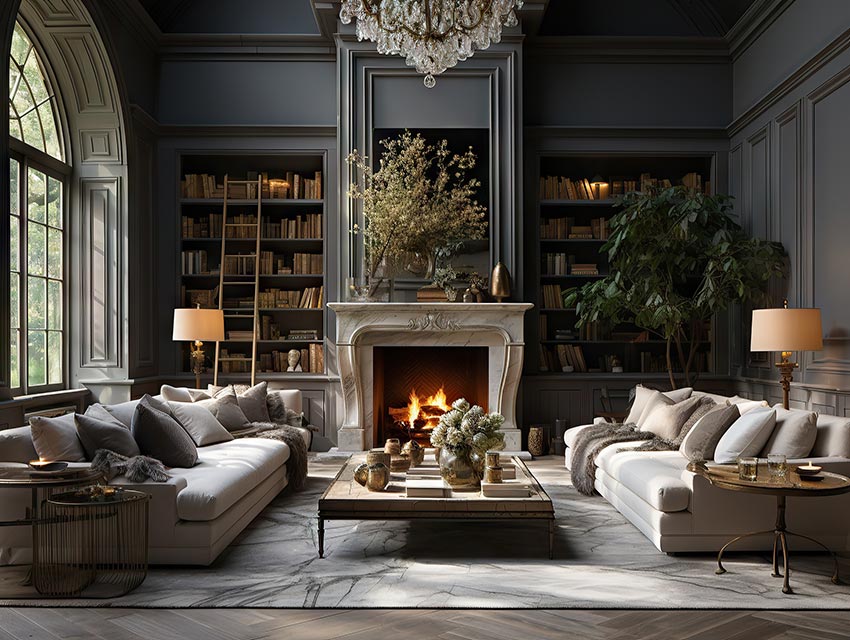
This is where elegance meets entertainment. Luxury living rooms often feature designer seating, curated artwork, layered lighting, and opulent rugs. A focal fireplace or feature wall is common, creating a dramatic yet welcoming vibe.
Kitchen
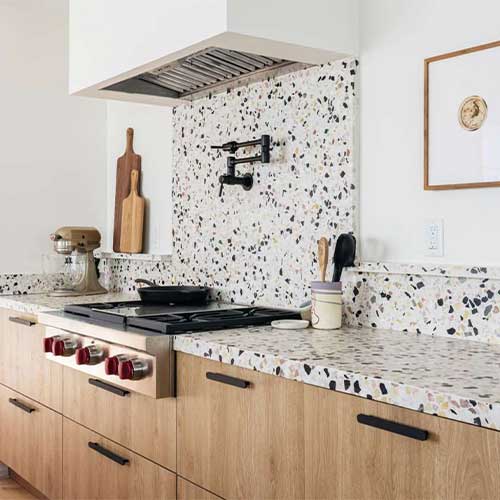
The luxury kitchen is a chef’s dream—complete with marble countertops, top-tier appliances (like Sub-Zero or Miele), hidden storage, and custom cabinetry. An island with bar seating becomes the heart of the home.
Bathroom
Spa-like experiences define luxury bathrooms. Think rain showers, soaking tubs, heated floors, and touchless fixtures, all within a layout that feels like a five-star hotel suite.
Bedroom
Comfort, quiet, and intimacy characterize elite bedrooms. With upholstered headboards, layered textiles, ambient lighting, and often a private lounge or walk-in wardrobe, the bedroom becomes a personal sanctuary.
Modern Luxury Interior Design Trends
-
Sustainable Luxury
Eco-conscious materials like recycled glass, responsibly sourced wood, and plant-based textiles are being incorporated without compromising elegance. -
Minimal Luxe
A pared-back aesthetic with high-quality pieces stands out in 2025. Luxury now means less clutter and more impact. -
Art-Infused Spaces
Collectors are showcasing sculptures and original paintings in everyday spaces like dining rooms or even bathrooms. -
Textured Surfaces
Wall coverings, 3D panels, and layered textures add visual interest and tactile appeal. -
Multi-Functional Rooms
Luxury now includes practicality. Convertible spaces—home office/gym/library hybrids—are being styled luxuriously.
For more ideas and guidance, follow us on Instagram.
Why Choose Builpire for Luxury Interior Decoration?
When it comes to translating vision into reality, Builpire is a leader in luxury interior design and home renovation. With years of experience crafting bespoke environments for high-end residences, Builpire delivers tailored solutions that merge beauty, comfort, and innovation. From concept design to final implementation, their expert team ensures every element of your space reflects your personality and prestige.
Whether you’re redesigning a penthouse, modern villa, or historical estate, Builpire offers unmatched professionalism and a passion for perfection. If you’re ready to elevate your home through exquisite luxury interior decoration, Builpire is your ultimate design partner.
A high-quality renovation plan should address how the work area will be separated from occupied spaces, how dust will be contained, and how ventilation will be maintained during work that produces airborne particles or material emissions. The EPA recommends using appropriate barriers, controlling dust, providing exhaust ventilation where suitable, and keeping occupants away from affected areas when necessary. For homes built before 1978, lead-based paint may require special precautions, and applicable lead-safe requirements should be followed when renovation work disturbs painted surfaces.
Source: U.S. Environmental Protection Agency — Remodeling Best Practices
Frequently Asked Questions About Luxury Interior Decoration
What should be included in a luxury interior design budget?
A luxury interior design budget should account for more than furniture and decorative finishes. Depending on the project’s scope, it may include design fees, materials, labor, demolition, electrical and plumbing updates, custom cabinetry, lighting, furniture, delivery, installation, and final styling. Homeowners should also discuss contingency allowances for unexpected conditions and confirm which expenses are excluded from the proposal. An itemized estimate helps clarify where the budget will be spent and makes it easier to compare service providers before work begins.
How do you choose the right luxury interior designer for your home?
Start by reviewing a designer’s completed projects, design approach, experience with projects of similar scope, and ability to balance aesthetics with practical requirements. Ask how the design process works, what deliverables are included, how material selections are approved, and who coordinates contractors and suppliers. It is also important to understand the fee structure, project timeline, communication process, and procedures for handling changes. A clear agreement and a shared understanding of your priorities can help establish realistic expectations from the beginning.
Which luxury interior design upgrades should homeowners prioritize?
The best upgrades depend on the property’s condition, the homeowner’s lifestyle, and the overall project budget. In many projects, functional improvements such as better space planning, durable flooring, well-designed storage, quality cabinetry, and layered lighting can have a greater day-to-day impact than decorative accessories alone. Before committing to expensive finishes, address layout limitations and essential electrical, plumbing, or ventilation requirements. Prioritizing the elements that improve usability and visual consistency helps create a more considered result.
How can you make luxury interiors easier to maintain?
Choose materials according to how each room is used rather than appearance alone. Consider stain resistance, scratch visibility, moisture exposure, cleaning requirements, and the availability of repair or replacement materials. Use appropriate finishes in high-traffic areas, follow manufacturer care instructions, and confirm that surfaces are suitable for their intended applications. A well-planned combination of durable materials, practical storage, and accessible maintenance points can preserve the appearance of a luxury interior without creating unnecessary upkeep.
How should lighting be planned in a luxury home?
Lighting should be designed around the room’s function, natural daylight, and the atmosphere the homeowner wants to create. A layered plan typically combines ambient lighting, task lighting, and accent lighting, with dimmers or separate controls where useful. Kitchens and work areas need appropriate task illumination, while living rooms and bedrooms may benefit from adjustable lighting scenes. Smart controls can add convenience, but compatibility, installation requirements, and the actual needs of each space should be considered before selecting products.