








Best Flooring Options for a Modern Living Room
Choosing the best flooring for a living room involves more than finding a style that looks beautiful. The right flooring should complement your interior design, withstand everyday foot traffic, fit your budget, and meet your household’s maintenance needs. With options ranging from hardwood and engineered wood to luxury vinyl plank, laminate, and porcelain tile, each material offers different advantages in durability, comfort, and long-term performance. Understanding these differences before starting a renovation can help you make a confident decision and create a living room that looks great and functions well for years to come.
What You Will Learn in This Guide
- Compare the best living room flooring options, including hardwood, engineered wood, laminate, luxury vinyl, tile, carpet, and sustainable alternatives.
- Understand how durability, moisture resistance, comfort, and maintenance differ across flooring materials.
- Choose flooring that fits your household’s lifestyle, including homes with children, pets, and high foot traffic.
- Identify installation costs beyond the material price, including subfloor preparation, underlayment, and finishing details.
- Learn why moisture testing, proper installation, and product-specific care instructions matter for long-term flooring performance.
- Explore practical considerations that can help you plan a living room renovation with greater confidence.
Transform Your Space with BUILPIRE – Book Your Consultation Today!
1. Hardwood Flooring: Timeless Elegance
Hardwood flooring has been one of the top choices for decades. Its natural beauty, durability, and ability to increase home value make it one of the best flooring options for living room. Available in oak, maple, walnut, and many other species, hardwood offers endless design flexibility.
-
Pros: Adds resale value, classic aesthetic, long lifespan.
-
Cons: Expensive, requires maintenance, sensitive to moisture.
Before installing hardwood or engineered wood, ask your contractor how the moisture conditions of the subfloor and flooring material will be evaluated. Moisture levels can vary by region, season, and building conditions, so a generic assumption is not a substitute for testing when required. The National Wood Flooring Association provides technical guidance on moisture, concrete subfloors, and installation preparation. Identifying moisture concerns before installation can help reduce the risk of preventable flooring problems.
2. Engineered Wood Flooring: A Modern Alternative
Engineered wood provides the same elegant look as hardwood but at a more affordable price. Its layered construction makes it more stable and less prone to warping. Many interior designers recommend engineered wood as one of the best flooring options for living room for homeowners who want style without overspending.
3. Laminate Flooring: Budget-Friendly Style
Laminate flooring has improved dramatically in recent years. It now mimics wood and stone with great accuracy. For families with kids or pets, laminate is one of the best flooring options for living room because it resists scratches and stains.
4. Luxury Vinyl Plank (LVP): Durability Meets Style
Luxury vinyl planks are waterproof, affordable, and stylish. They come in a wide variety of designs, including wood and stone finishes. LVP has gained popularity as one of the best flooring options for living room for households that need resilience without sacrificing design.
Do not assume that every laminate or vinyl floor offers the same level of water protection. Check the exact product specifications, warranty conditions, and installation instructions before relying on a waterproof claim. Water resistance of the surface does not automatically mean that seams, perimeter gaps, the subfloor, or the entire installed assembly are protected from moisture. For example, Pergo’s laminate installation guidance explains why edge sealing can matter in areas exposed to spills or damp conditions. For a living room near an exterior entrance, also consider how water may reach the floor from wet shoes, pets, or adjacent spaces.
5. Tile Flooring: Sleek and Durable
Tiles bring elegance and modern charm. Porcelain and ceramic tiles are especially durable and come in a wide variety of patterns. While colder underfoot, heated floor systems can solve this problem, making tile one of the best flooring options for living room in warmer regions or modern homes.
6. Carpet: Comfort and Warmth
Carpet flooring is soft, comfortable, and noise-reducing. For households where coziness is a priority, carpet remains among the best flooring options for living room. It provides warmth in colder climates but requires regular cleaning to stay fresh.
7. Eco-Friendly Flooring Options
Sustainability is a growing trend. Cork, bamboo, and reclaimed wood are stylish yet eco-conscious. These environmentally friendly choices are increasingly considered the best flooring options for living room for homeowners who prioritize green living.
Which Living Room Flooring Is Best for Your Lifestyle?
The best living room flooring is not necessarily the most expensive or the most visually impressive option. It is the material that performs well under your household’s everyday conditions. Before choosing a finish, consider how much foot traffic the room receives, whether you have children or pets, how often spills occur, and how much maintenance you are willing to handle.
Best Flooring for Homes with Kids and Pets
Luxury vinyl plank (LVP) is worth considering for busy households because many products offer water resistance, easy cleaning, and protective wear layers. Laminate can also be a practical choice when scratch resistance and appearance are priorities, although its moisture performance varies by product. Neither material is automatically scratch-proof, so review the manufacturer’s specifications and warranty before making a decision.
Best Flooring for a Warm, Natural Look
Solid hardwood and engineered wood are strong options for homeowners who value authentic wood grain and a timeless interior. Solid hardwood can often be sanded and refinished, depending on its thickness and condition. Engineered wood offers a real-wood surface with a layered construction designed to improve dimensional stability, although refinishing potential depends on the thickness of its top veneer.
Best Flooring for Comfort and a Quieter Room
Carpet provides a softer surface and can help absorb sound, making it appealing for family rooms and relaxed living spaces. If you prefer a hard surface, consider how the flooring, underlayment, area rugs, and room furnishings will affect sound transmission. Tile, laminate, and vinyl can feel and sound different underfoot depending on the product and installation system.
Best Flooring for a Modern, Low-Maintenance Interior
Luxury vinyl, selected laminate products, and porcelain tile can work well in contemporary living rooms where easy cleaning is important. Vinyl is often attractive to households concerned about everyday spills, while porcelain tile offers a hard, wear-resistant surface. The right choice still depends on installation requirements, surface texture, comfort, and the manufacturer’s care instructions.
For a more reliable comparison, evaluate actual product specifications rather than relying on the material name alone. The Consumer Reports flooring tests and buying guidance provide a useful starting point for comparing wear, scratch, stain, and moisture performance.
Tips for Choosing the Right Flooring
-
Consider Lifestyle: Families with children or pets need durable, scratch-resistant options.
-
Evaluate Budget: Some materials like hardwood are costly, but alternatives such as LVP or laminate offer affordable solutions.
-
Think About Maintenance: Some floors require regular polishing, while others are virtually maintenance-free.
-
Match with Interior Design: Choose a floor that complements your living room’s theme and furniture.
-
Prioritize Comfort: Especially in spaces where you spend long hours relaxing.
If your living room has pets, frequently moved furniture, or heavy sofas, compare the manufacturer’s wear and scratch-resistance specifications instead of choosing by appearance alone. No flooring material is completely immune to damage. Use suitable felt pads or furniture protectors, lift heavy items rather than dragging them, and clean grit regularly to limit surface abrasion. Shaw Floors also recommends appropriate furniture protection and routine care for luxury vinyl. Following the product-specific maintenance guidance helps preserve the finish and avoid preventable damage.
What Does Living Room Flooring Really Cost?
The price of new living room flooring involves more than the cost of the material itself. A realistic remodeling budget should account for installation, subfloor preparation, removal and disposal of existing flooring, underlayment when required, trim, transition strips, and any repairs uncovered during the project. These additional costs can vary significantly depending on the condition of the room and the flooring system selected.
Material Costs vs. Total Project Costs
Hardwood may require a larger upfront investment, but its potential to be refinished can extend its useful life. Engineered wood offers a genuine wood surface with different construction and refinishing limitations. Laminate and luxury vinyl can provide a wood-inspired appearance without the same maintenance requirements as traditional hardwood, although product quality and installation costs vary. Carpet and tile have their own installation, maintenance, and replacement considerations.
Hidden Costs to Check Before Installation
Ask whether the estimate includes removing the existing floor, preparing or leveling the subfloor, moisture testing where appropriate, underlayment, baseboards, door clearance adjustments, and transitions to adjacent rooms. If the existing floor is uneven or the subfloor has moisture damage, repairs may be necessary before installation begins. Skipping these steps can lead to problems that affect the appearance or performance of the finished floor.
How to Compare Flooring Estimates Fairly
Request itemized estimates that use the same room measurements, material specifications, installation scope, and finishing details. Confirm the product’s warranty, maintenance requirements, and any limitations related to moisture, pets, sunlight, or furniture loads. A lower material price does not always mean a lower total project cost, particularly when installation or future maintenance differs.
For homeowners planning a larger interior update, a professional consultation can help coordinate flooring with wall finishes, cabinetry, lighting, and adjoining spaces. Builpire’s remodeling services can be a relevant starting point for discussing how flooring fits into a broader renovation plan.
Why Subfloor Preparation and Moisture Testing Matter
Even high-quality flooring can develop problems when it is installed over an unsuitable surface. Before installation, the subfloor should be evaluated for flatness, cleanliness, structural condition, and moisture where required by the selected flooring system. Uneven surfaces can affect joints, create movement or noise, and compromise the finished appearance. Moisture-related issues can be especially important when installing wood-based flooring over concrete or in homes with known humidity concerns.
Does Every Flooring Type Need the Same Preparation?
No. Solid hardwood, engineered wood, laminate, luxury vinyl, carpet, and tile have different installation requirements. Depending on the product and subfloor, preparation may involve leveling, moisture testing, an approved underlayment, a vapor retarder, or a specific adhesive. These components are not interchangeable, so the installation instructions for the exact product should guide the work.
Can New Flooring Be Installed Over an Existing Floor?
Sometimes, but it depends on the existing material, its condition, floor height, and the manufacturer’s installation requirements. For example, Shaw Floors’ vinyl installation guidance explains that installation over an existing floor may be possible when the surface is flat, clean, and in suitable condition. This does not mean every existing floor is an acceptable base. Loose, damaged, uneven, or moisture-affected flooring may need to be removed or repaired first.
What Should Homeowners Check Before Installation Day?
Confirm that the room and subfloor meet the product’s installation requirements, that any required moisture testing has been completed, and that the correct underlayment or adhesive has been selected. For wood flooring, conditioning the material to the building’s actual conditions may also be necessary according to the manufacturer’s instructions. The National Wood Flooring Association’s technical guidelines provide professional resources on installation, moisture, and related wood-flooring issues.
Before approving the work, ask your remodeling contractor to explain the preparation steps, identify any existing subfloor problems, and clarify which installation requirements are included in the estimate. These checks help establish realistic expectations and reduce the risk of avoidable installation problems.
Conclusion
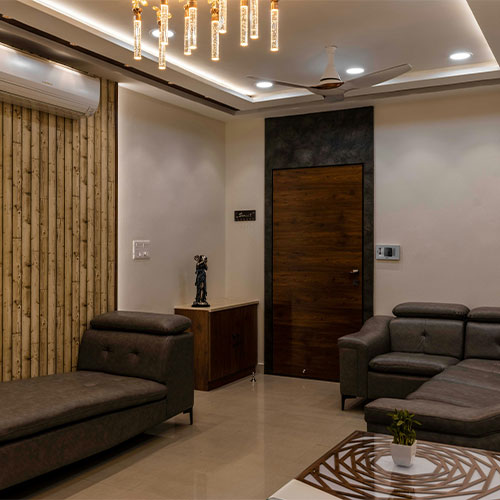
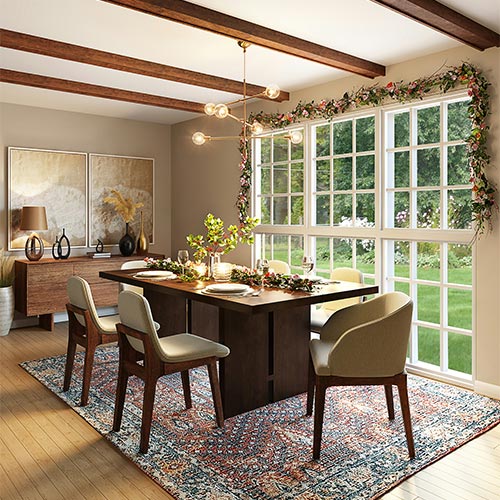
Selecting the best flooring options for living room depends on a mix of style, budget, durability, and comfort. Whether you prefer the timeless elegance of hardwood, the practicality of laminate, or the eco-friendly appeal of bamboo, your choice will define the character of your home’s most important space.
If you are considering a complete home renovation, working with experts can make the process easier. Companies like Builpire, which specialize in interior design and remodeling, can help you choose the right flooring that enhances both beauty and functionality while aligning with your lifestyle.
For more ideas and guidance, follow us on Instagram.
Frequently Asked Questions About Living Room Flooring
What is the best flooring for a living room with pets and kids?
Luxury vinyl plank (LVP) is a practical option for many homes with children and pets because selected products offer water resistance, easy cleaning, and protective wear layers. Laminate can also be a good choice when scratch resistance and affordability are priorities, but its moisture protection varies by product. Hardwood offers a natural appearance and may be refinished, although it can be vulnerable to dents, scratches, and moisture. Before choosing, compare the product’s wear specifications, warranty exclusions, cleaning requirements, and suitability for your household. Using furniture protectors and cleaning grit regularly can also help preserve the floor.
Is luxury vinyl plank better than laminate flooring for a living room?
Neither material is automatically better for every living room. Luxury vinyl plank is often a strong choice when spill resistance and straightforward cleaning are important, provided the selected product is designed for those conditions. Laminate can offer realistic wood visuals, good wear performance, and competitive pricing, but water resistance depends on the product and installation system. Compare the manufacturer’s moisture specifications, scratch and wear performance, underlayment requirements, warranty, and total installed cost. If the room receives frequent spills or connects directly to an exterior entrance, moisture protection deserves particular attention.
What is the most durable flooring for a high-traffic living room?
Porcelain tile, quality luxury vinyl, laminate, and hardwood can all perform well under different conditions, but durability depends on more than the material category. Porcelain tile generally offers strong resistance to everyday wear and stains, although it can chip or crack under a sufficiently heavy impact. Vinyl and laminate vary by product construction and protective surface layer. Hardwood can last for decades with appropriate care and may be refinished, but its surface can dent or scratch. For a busy living room, compare independent product testing where available, manufacturer specifications, installation quality, and maintenance requirements rather than relying on a single durability label.
How much does it cost to replace living room flooring?
The total cost depends on the flooring material, room size, location, product quality, labor rates, and condition of the existing floor. The project estimate may also include removing and disposing of old flooring, repairing or leveling the subfloor, underlayment, moisture protection where required, baseboards, and transition strips. To compare quotes accurately, request itemized estimates with the same material specifications and installation scope. Ask whether furniture moving, waste allowances, repairs, and finishing work are included. Because labor and material prices vary across the United States, obtain current local quotes rather than relying on a national average that may not reflect your project.
Can you install new flooring over an existing living room floor?
Sometimes. Installation over an existing floor depends on the new product’s instructions, the type and condition of the old surface, floor height, and the condition of the subfloor beneath it. Some luxury vinyl products can be installed over existing flooring when the surface is flat, clean, stable, and otherwise suitable. Loose flooring, significant unevenness, moisture damage, or incompatible materials may require removal or additional preparation. Adding another layer can also affect door clearance, transitions, and the height difference between adjoining rooms. Have the installer evaluate the existing surface and confirm that the proposed installation complies with the manufacturer’s requirements before work begins.