



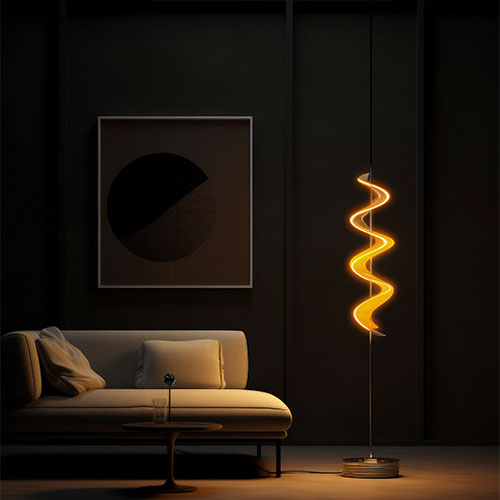
Top Interior Lighting Ideas for Mood & Function
When it comes to transforming a space, lighting is often the most underestimated element, yet it has the greatest impact on how we experience a room. Whether you’re aiming to create a cozy, relaxing environment or a bright, energizing workspace, lighting design can completely alter the mood and functionality of your interiors. This is where interior lighting design ideas play a crucial role. By exploring different methods, fixtures, and placements, homeowners and designers can tailor the lighting to complement architectural details, furniture, and overall décor style.
In today’s interior design world, interior lighting design ideas are not just about choosing a beautiful chandelier or modern lamp. They involve layering multiple light sources, understanding how natural and artificial light interact, and strategically placing fixtures to achieve a balance between mood and function. The right lighting highlights the best features of a room, enhances comfort, and even boosts productivity in areas like home offices and kitchens.
One of the main reasons people seek professional interior lighting design ideas is the need to combine style with practicality. For example, a kitchen requires bright, functional lighting for cooking and cleaning tasks, but it can also benefit from accent lighting that creates warmth during family gatherings. Similarly, a living room may require flexible lighting options that shift from vibrant daylight tones during reading hours to soft ambient light for movie nights. By considering these scenarios, the design goes beyond aesthetics and becomes an integral part of the home’s usability.
Modern interior lighting design ideas also take energy efficiency into account. LED technology, dimmable controls, and smart home systems allow homeowners to customize light intensity and reduce energy consumption without sacrificing beauty. As sustainability continues to shape design trends, lighting choices now reflect both environmental responsibility and luxurious appeal.
Finally, the best interior lighting design ideas focus on personal expression. A homeowner’s taste, lifestyle, and unique sense of comfort determine whether the design leans toward minimalistic recessed lights, bold sculptural fixtures, or a mix of natural daylight with warm artificial accents. This personalized approach ensures that the lighting not only enhances the room visually but also supports daily routines in the most efficient way.
In this article, we will explore the top interior lighting ideas for mood and function, helping you discover practical solutions and creative inspiration to upgrade any space. From ambient and task lighting to accent and decorative solutions, you’ll gain insight into how lighting can elevate your interiors into spaces that are both stunning and functional.
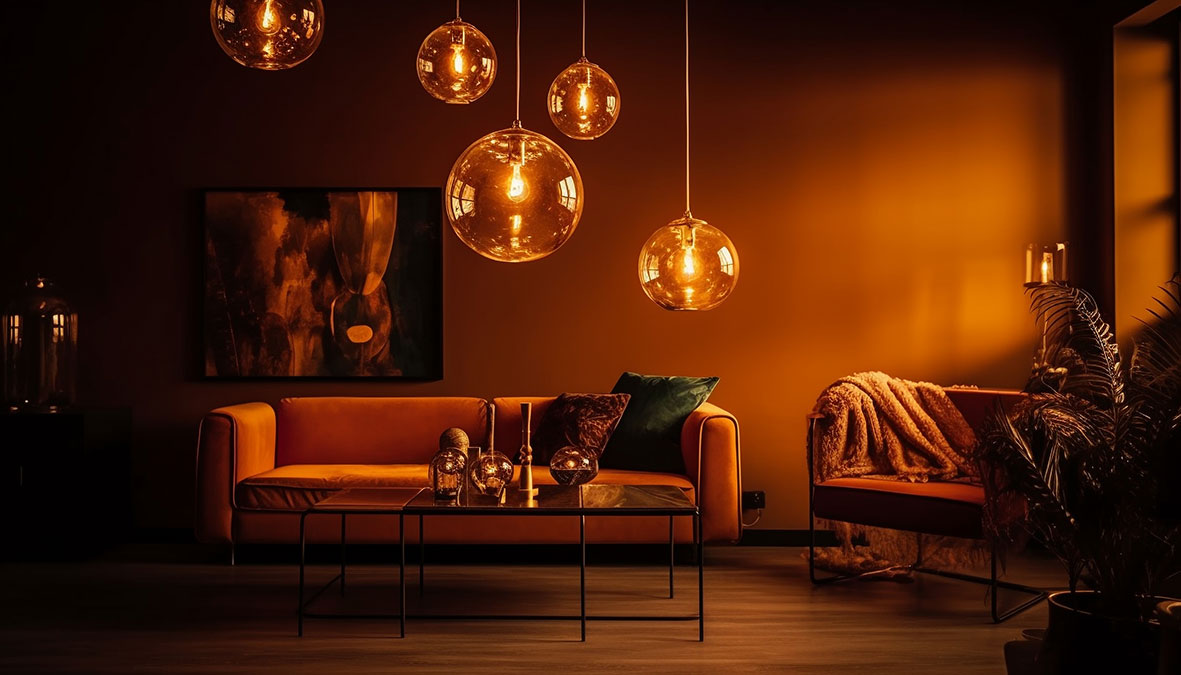
Transform Your Space with BUILPIRE – Book Your Consultation Today!
1. Understanding the Layers of Lighting
Successful lighting design is all about layering. Typically, interior designers work with three primary layers: ambient, task, and accent lighting.
-
Ambient Lighting: This is the foundational light source in any room. It ensures that the space is uniformly illuminated and creates a comfortable level of brightness without glare. Ceiling fixtures, chandeliers, and recessed lights often serve this purpose.
-
Task Lighting: As the name suggests, task lighting focuses on functionality. Examples include desk lamps, under-cabinet lighting in kitchens, or reading lamps beside a sofa. Proper task lighting reduces eye strain and increases efficiency.
-
Accent Lighting: Accent lights are all about mood and drama. They draw attention to architectural elements, art pieces, or textured walls. Spotlights, track lighting, and wall sconces often fall under this category.
By combining these three layers, you create a balanced environment where functionality meets atmosphere.
2. Choosing Fixtures that Complement Style
The choice of fixtures can make or break the look of your interior. A sleek pendant in the kitchen, a classic chandelier in the dining area, or minimalist wall sconces in the hallway not only provide light but also act as design statements.
For modern homes, geometric shapes, metallic finishes, and minimalistic profiles dominate the trends. In traditional interiors, ornate chandeliers or vintage-inspired lamps add character. Mixing styles, when done thoughtfully, can also create a dynamic and personalized look.
3. Smart Lighting and Technology Integration
Smart lighting has revolutionized how we interact with our homes. With the ability to adjust brightness, color temperature, and even light schedules from your phone or voice assistant, homeowners gain unmatched control.
-
Dimmable LEDs allow you to adjust intensity for various moods.
-
Color-changing bulbs can shift from cool daylight to warm evening tones.
-
Motion sensors improve energy efficiency and convenience.
Smart lighting not only enhances comfort but also supports eco-friendly living by reducing unnecessary energy consumption.
4. Natural Light and Its Impact
While artificial lighting is essential, natural light should always be maximized in any design. Large windows, skylights, and reflective surfaces can enhance natural daylight, reducing the need for artificial sources during daytime. This not only saves energy but also improves mental health and overall well-being.
5. Room-by-Room Lighting Tips
Each space in the home has unique lighting requirements:
-
Living Room: Use a mix of overhead lighting, floor lamps, and accent lights to create flexibility.
-
Kitchen: Bright task lighting for countertops, complemented by pendant lighting above islands.
-
Bedroom: Warm, soft lighting for relaxation with bedside task lamps for reading.
-
Bathroom: Bright vanity lights paired with dimmable ambient options for a spa-like feel.
-
Home Office: Task lighting with daylight bulbs to boost concentration.
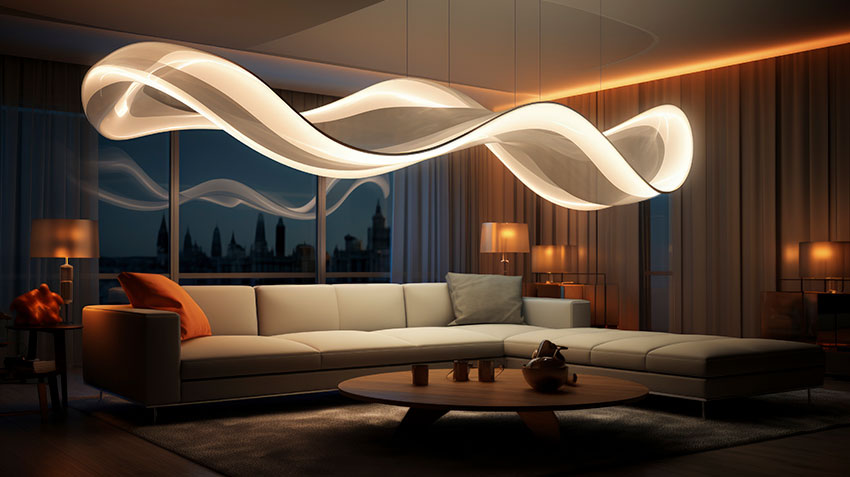
6. Decorative Lighting as a Statement
Beyond functionality, decorative fixtures serve as works of art. Sculptural pendants, artistic chandeliers, and unique lamps can act as focal points, elevating a room’s aesthetic appeal.
7. Sustainability and Eco-Friendly Choices
Sustainable lighting doesn’t mean sacrificing style. LED lights, solar-powered outdoor fixtures, and materials made from recycled elements combine functionality with environmental responsibility. More homeowners are making conscious choices in this area, and designers are responding with stunning eco-friendly solutions.
For more ideas and guidance, follow us on Instagram.
Conclusion
Lighting is more than just a practical necessity; it is a powerful tool for shaping experiences within your home. By exploring different interior lighting design ideas, you can craft spaces that feel welcoming, functional, and visually inspiring. From layering techniques and fixture choices to smart technology and sustainability, the right lighting enhances both mood and performance in every room.
If you are looking to bring these concepts to life, Builpire, a trusted company specializing in renovation and interior design, can help. Their expertise ensures that every project combines beauty, function, and modern efficiency, turning any home into a space that reflects your lifestyle.
FAQs about Interior Lighting Design Ideas
1. What are the latest trends in interior lighting design ideas?
The latest trends in interior lighting design ideas emphasize a combination of aesthetics, technology, and sustainability. Minimalist fixtures with clean lines, natural materials like wood or stone, and sculptural statement pieces are very popular. Smart lighting systems, which allow users to control brightness and color temperature through apps or voice commands, are becoming mainstream. Layered lighting—combining ambient, task, and accent lights—is a must-have in modern homes to achieve flexibility. Additionally, eco-friendly LED lights and warm-toned bulbs that mimic natural daylight are trending, as they improve both atmosphere and energy efficiency.
2. How do I choose the right lighting for small spaces?
When working with small spaces, the goal is to maximize brightness without overwhelming the room. Opt for wall-mounted sconces, recessed lighting, or track lights instead of bulky chandeliers to save space. Use mirrors and reflective surfaces to bounce light around the room, making it feel larger. Layer your lighting: combine a compact overhead light for general illumination with task lighting in specific areas like reading nooks or countertops. Warm, neutral tones prevent the room from feeling cramped, while dimmers give you flexibility to adjust intensity depending on the activity.
3. Can interior lighting design ideas improve productivity in a home office?
Yes, effective lighting can significantly enhance productivity in a home office. Bright, cool-toned task lighting mimics daylight, helping to reduce eye strain and maintain focus. Adjustable desk lamps positioned at the right angle improve comfort during long working hours. Smart lighting systems allow you to shift from cooler tones in the morning (to boost energy) to warmer tones in the evening (to reduce stress). Incorporating natural light through large windows or skylights is also essential, as it improves mood and keeps you alert throughout the day.
4. What is the best way to balance mood and function with lighting?
The best way to balance mood and function is by layering different types of lighting. Ambient lighting sets the base level of brightness, task lighting provides focused illumination for activities, and accent lighting creates atmosphere by highlighting design features or artwork. Dimmable switches are key to adjusting light intensity depending on the occasion—brighter for work or study, softer for relaxation. Combining warm and cool tones in different zones of the home also allows you to shift seamlessly between functionality and comfort.
5. Are eco-friendly interior lighting design ideas expensive?
Eco-friendly lighting solutions are not necessarily expensive. While the initial cost of LED bulbs, smart lighting systems, or sustainable fixtures made from recycled materials may be slightly higher than traditional options, they save money in the long run. LEDs consume up to 80% less energy and last up to 25 times longer than incandescent bulbs. Smart systems further reduce waste by allowing automated schedules and motion sensors. Over time, the energy savings and durability make eco-friendly interior lighting design ideas cost-effective, environmentally responsible, and stylish.