
Interior Design for Small Spaces: Transform Your Home with Expert Tips
Introduction
Interior design for small spaces is a growing trend that allows homeowners to maximize their living areas without sacrificing style or functionality. Whether you live in a compact apartment or a cozy house, creating a space that feels open and inviting can transform your daily life. Interior design for small spaces isn’t just about arranging furniture; it’s about using clever techniques to make your home both beautiful and practical. With the right approach, even the tiniest areas can shine with personality and purpose.
If you’ve ever struggled with limited square footage, you’re not alone. Interior design for small spaces can seem challenging at first, but the rewards are worth it. A well-designed small space can offer the same comfort and utility as larger homes. Imagine walking into your home and being greeted by an environment that feels spacious, organized, and uniquely yours. That’s the power of interior design for small spaces.
Small-space living has become more popular as urban areas grow and housing options shrink. This trend has inspired innovative solutions for interior design for small spaces, making it easier than ever to optimize your home. From multifunctional furniture to smart storage solutions, every detail can make a difference.
One of the keys to success is understanding how to use light, color, and layout effectively. Interior design for small spaces often involves creating illusions of depth and openness. For example, light-colored walls and mirrors can make a room feel larger, while vertical storage solutions can free up valuable floor space. Investing in interior design for small spaces is not just about aesthetics; it’s about improving the quality of your life.
If you’re looking to transform your small home, you’ve come to the right place. This guide will provide expert tips and strategies for interior design for small spaces, empowering you to create a home that’s as functional as it is beautiful. Let’s explore how to make the most of your limited space and turn it into a sanctuary you’ll love.
Transform Your Space with BUILPIRE – Book Your Consultation Today!
Expert Tips for Interior Design for Small Spaces
1. Optimize Your Layout
The foundation of interior design for small spaces is a well-planned layout. Start by identifying the primary functions of each room and arrange your furniture accordingly. Avoid overcrowding by prioritizing essential pieces. For example, a sofa bed can serve as both a seating area and a guest bed, saving precious space.
2. Use Multifunctional Furniture
Investing in multifunctional furniture is a game-changer for interior design for small spaces. Look for pieces like storage ottomans, extendable dining tables, and foldable desks. These items offer versatility without compromising on style.
3. Maximize Vertical Space
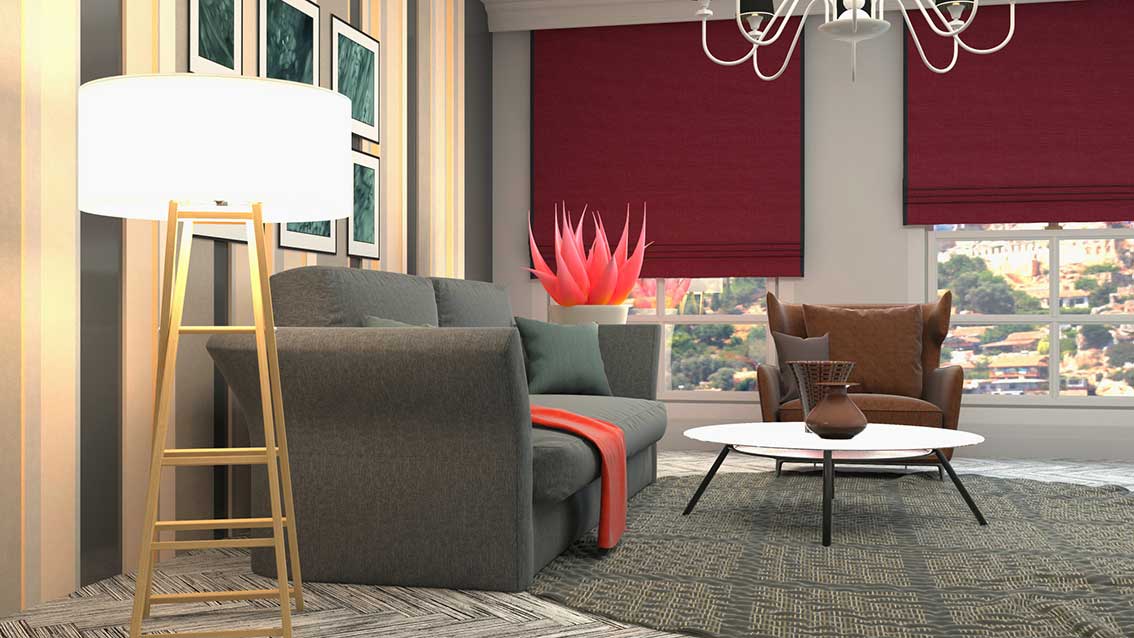
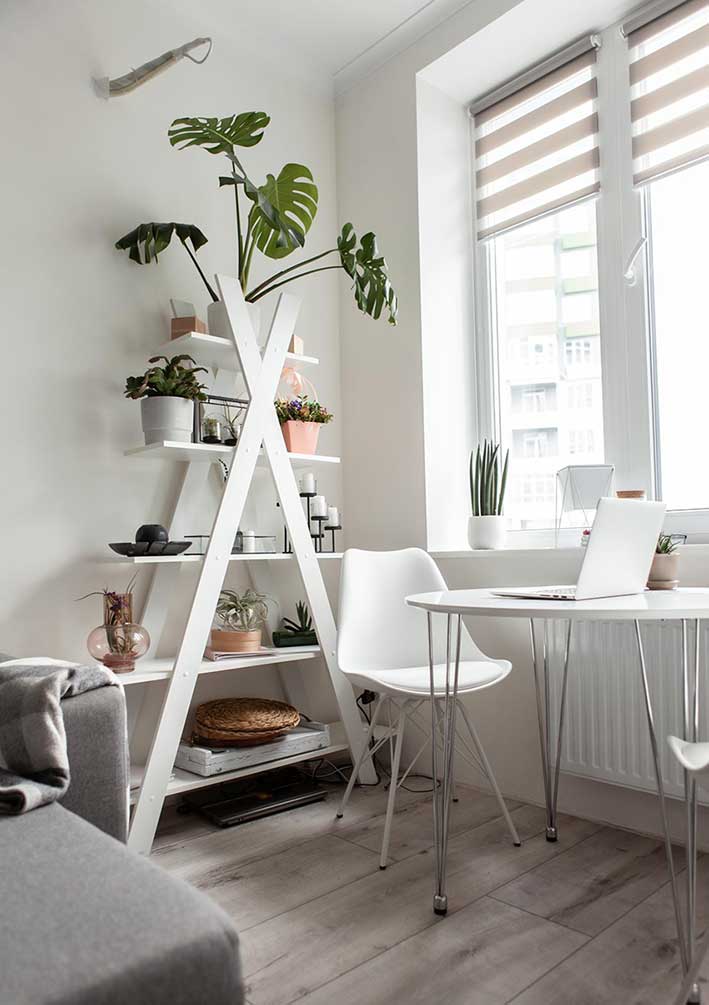
When floor space is limited, go vertical. Use tall shelves, wall-mounted storage, and hanging plants to make the most of your walls. Vertical storage is an essential element of interior design for small spaces, helping you keep your home organized and clutter-free.
4. Choose Light Colors
Light colors can make a room feel larger and more open. Opt for neutral shades like white, beige, or pastel tones. Interior design for small spaces often relies on the strategic use of color to create the illusion of more space.
5. Incorporate Mirrors
Mirrors are a secret weapon in interior design for small spaces. They reflect light and create a sense of depth, making your rooms appear bigger than they are. Consider placing a large mirror opposite a window to amplify natural light.
6. Declutter Regularly
Clutter can make small spaces feel even smaller. Adopt a minimalist approach to interior design for small spaces by regularly decluttering your home. Keep only the items you truly need and love.
7. Utilize Smart Storage Solutions
From under-bed storage to custom-built cabinets, smart storage is essential for interior design for small spaces. Look for innovative solutions like pull-out drawers and modular units to keep your belongings organized.
8. Create Zones
Define different areas within your small space to enhance functionality. Use rugs, furniture placement, or partitions to create distinct zones for sleeping, working, and relaxing. Zoning is a key strategy in interior design for small spaces.
9. Embrace Natural Light
Maximizing natural light is crucial for interior design for small spaces. Keep windows unobstructed and use sheer curtains to let sunlight flood your rooms. Natural light can make any space feel more open and inviting.
10. Add Personality
Don’t forget to infuse your personality into your space. Interior design for small spaces doesn’t have to be purely functional; it should also reflect your style. Add artwork, plants, and decor items that bring you joy.
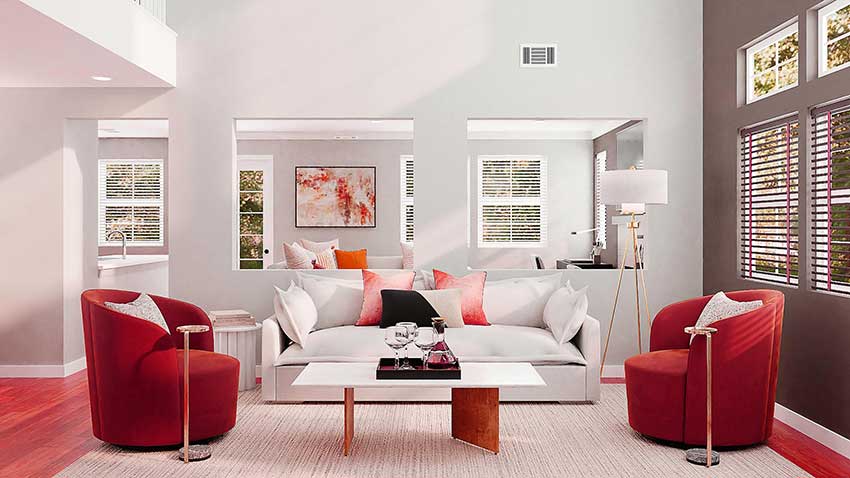
Advanced Techniques for Small Space Design
11. Use Sliding Doors
Sliding doors take up less space than traditional doors, making them a smart choice for compact homes. They can also act as stylish room dividers, adding a modern touch to your interior design for small spaces.
12. Opt for Built-in Furniture
Built-in furniture, such as custom wardrobes or wall-mounted desks, maximizes every inch of available space. This approach is perfect for small bedrooms, home offices, or kitchens.
13. Layer Lighting
Layered lighting can enhance the ambiance of a small room. Combine overhead lights, wall sconces, and table lamps to create a warm and inviting atmosphere. This strategy adds depth to your interior design for small spaces.
14. Use Transparent Furniture
Transparent furniture, such as glass coffee tables or acrylic chairs, creates an illusion of openness. These pieces blend seamlessly into the background, making your space feel less cluttered.
15. Experiment with Textures
Incorporating a variety of textures adds visual interest to small spaces without overwhelming them. Use textured rugs, cushions, and wall art to make your interior design for small spaces more dynamic.
16. Invest in Modular Furniture
Modular furniture offers flexibility and adaptability, allowing you to reconfigure pieces as your needs change. This is especially useful for growing families or individuals who frequently entertain guests.
17. Create Visual Continuity
Maintain a cohesive look by using a consistent color palette and materials throughout your home. Visual continuity makes small spaces feel more harmonious and less fragmented.
18. Install Floating Furniture
Floating furniture, such as wall-mounted shelves or vanities, frees up floor space and makes a room appear larger. This technique is ideal for bathrooms and small living rooms.
19. Incorporate Nature
Adding indoor plants can breathe life into small spaces. Choose low-maintenance plants like succulents or snake plants that thrive in compact environments. Greenery enhances the aesthetics of your interior design for small spaces.
20. Plan for Future Needs
Think long-term when designing small spaces. Choose versatile furniture and decor that can adapt to your changing lifestyle, ensuring your interior design for small spaces remains functional and stylish for years to come.
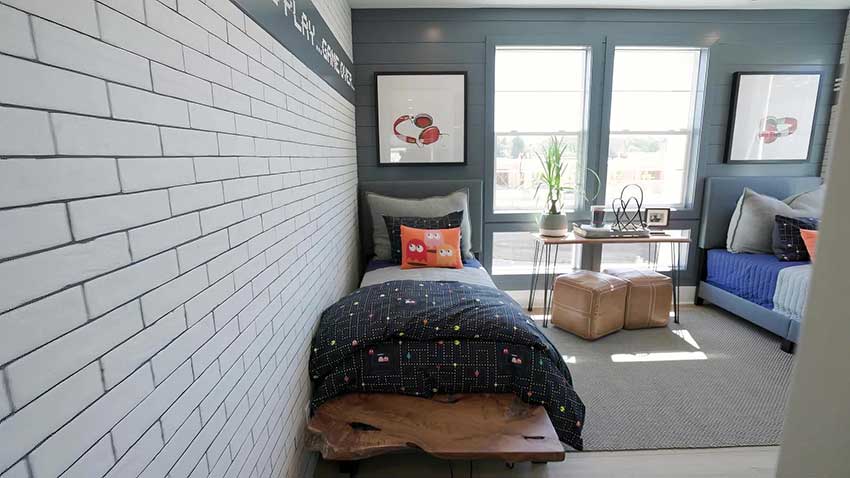
Modern Trends and Innovations in Interior Design for Small Spaces
As the world embraces more compact and sustainable living, modern interior design for small spaces has evolved to incorporate smart technology, eco-friendly materials, and adaptable layouts. Today’s design philosophy goes beyond aesthetics—it’s about creating intelligent environments that respond to your needs and lifestyle in real-time.
1. Smart Home Integration for Space Efficiency
The rise of smart technology has revolutionized interior design for small spaces. From voice-controlled lighting to app-based thermostats and hidden smart storage, technology allows homeowners to control their environment effortlessly. Smart furniture—like beds that lift to reveal storage or desks that fold automatically—can transform a single room into a multifunctional hub. These innovations make small living not only comfortable but also futuristic.
2. Sustainable and Eco-Friendly Materials
Sustainability is no longer a luxury—it’s a necessity. Modern interior design for small spaces increasingly focuses on eco-friendly materials such as bamboo, reclaimed wood, and recycled metals. These materials not only enhance the aesthetic appeal but also reduce your carbon footprint. Energy-efficient LED lighting, water-saving fixtures, and natural ventilation systems are now essential elements of a responsible design plan.
3. The Rise of Minimalist and Japandi Styles
Minimalism remains one of the strongest trends in interior design for small spaces, emphasizing simplicity and functionality. However, a new fusion style called Japandi—a blend of Japanese and Scandinavian design—has become particularly popular. This style values clean lines, warm natural tones, and a “less is more” philosophy, making it ideal for small urban homes. Japandi interiors create a calm, clutter-free atmosphere that promotes relaxation and mindfulness.
4. Flexible and Convertible Living Spaces
With remote work becoming a permanent reality for many, flexibility is now at the core of small-space design. Home offices that double as guest rooms, or dining tables that convert into work desks, are increasingly in demand. Builpire’s design experts specialize in creating modular layouts that easily adapt to daily routines, ensuring every square foot serves a purpose.
5. Lighting as a Design Statement
While functionality is crucial, lighting has become a form of artistic expression in interior design for small spaces. Instead of relying solely on ceiling lights, designers are now integrating LED strips, pendant lights, and wall-mounted fixtures to shape mood and atmosphere. Soft, layered lighting can completely redefine how a small room feels—making it warmer, taller, and more inviting.
6. The Psychology of Space and Well-being
Another emerging trend is the focus on well-being-centered design. Interior design for small spaces now considers how color psychology, texture, and spatial arrangement affect mental health. Calming tones like sage green, sand beige, or soft terracotta are replacing stark whites. Natural materials and biophilic design—introducing nature through plants, light, and organic forms—are proven to reduce stress and improve productivity.
7. Virtual Interior Design and Visualization
Thanks to cutting-edge technology, homeowners can now experience their redesigned spaces before any renovation begins. Virtual interior design tools and 3D visualization software allow clients to preview different layouts, colors, and furniture arrangements in real-time. Builpire uses these digital tools to ensure every design decision aligns with the client’s vision—making the design process faster, more efficient, and personalized.
8. Compact Luxury: Making Small Spaces Feel Grand
Luxury isn’t about size—it’s about detail. Modern interior design for small spaces uses high-quality finishes, elegant textures, and subtle lighting to create an upscale ambiance even in the tiniest apartments. Polished brass fixtures, velvet cushions, and marble accents can instantly elevate the look of your home without overwhelming the space.
9. The Future of Small-Space Living
Looking ahead, interior design for small spaces will continue to merge technology, sustainability, and personalization. Homes will become more adaptive, using smart sensors to adjust lighting and temperature automatically. Designers will prioritize materials that are renewable and recyclable, blending environmental consciousness with timeless aesthetics.
Why Choose Builpire for Your Interior Design Needs?
Builpire specializes in interior design for small spaces, offering tailored solutions to help you achieve your dream home. With years of experience and a passion for innovation, Builpire’s team of experts can transform any space into a masterpiece. Whether you need a complete renovation or just a few design tweaks, Builpire has the skills and creativity to deliver outstanding results. Contact Builpire today to start your journey toward a beautifully designed home.
For more ideas and guidance, follow us on Instagram.
Frequently Asked Questions About Interior Design for Small Spaces
1. How can I make a small room look bigger?
Use light colors, mirrors, and vertical storage to create the illusion of more space. Opt for multifunctional furniture and keep your room clutter-free. These strategies are essential for successful interior design for small spaces.
2. What are the best storage solutions for small spaces?
Look for under-bed storage, wall-mounted shelves, and custom-built cabinets. Modular storage units and pull-out drawers are also great for maximizing space.
3. How do I choose the right furniture for a small space?
Select furniture that serves multiple purposes, such as sofa beds or extendable tables. Prioritize compact, lightweight designs that fit your layout.
4. How important is lighting in small spaces?
Lighting plays a crucial role in interior design for small spaces. Use a mix of natural and artificial light to create a bright, inviting atmosphere. Avoid heavy curtains and opt for sheer fabrics to let sunlight in.
5. Can I use bold colors in small spaces?
Yes, but use them sparingly. Incorporate bold colors through accents like cushions, artwork, or rugs while keeping the overall palette light to maintain a sense of openness.
By following these expert tips and collaborating with professionals like Builpire, you can master the art of interior design for small spaces and create a home that’s both functional and fabulous.