






Breathing Life Back Into Your Space
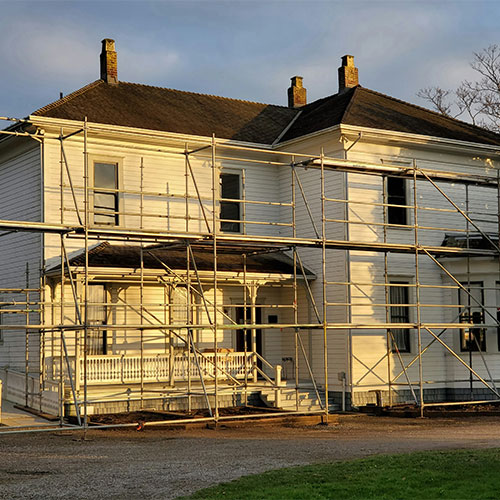
What is home restoration, and how is it different from renovating or remodeling an older property? Home restoration is the process of repairing, preserving, and carefully bringing a home’s historic or original character back to life while addressing the practical needs of modern living. Rather than simply making an older house look new, restoration focuses on understanding what makes the property distinctive—from original windows, woodwork, flooring, and architectural details to its exterior materials and craftsmanship—and determining which features should be preserved, repaired, or thoughtfully updated.
For homeowners, restoring an older property can involve much more than cosmetic improvements. A successful restoration may require structural repairs, updates to electrical and plumbing systems, improvements to heating and cooling, careful treatment of original materials, and compliance with applicable building or preservation requirements. The right approach depends on the home’s age, condition, historical significance, available documentation, and the homeowner’s goals.
Whether you are restoring a historic house, preserving the character of an older home, or adapting a period property for contemporary living, the key is finding the right balance between preservation and functionality. In this guide, we’ll explain what home restoration involves, how it differs from renovation and remodeling, which projects are commonly included, what challenges homeowners should expect, and how professional planning can help protect a home’s character while making it more comfortable and functional.
Key Takeaways: What Is Home Restoration?
- Home restoration focuses on preserving, repairing, and bringing a home’s historic or original character back to life while meeting modern living needs.
- Restoration differs from renovation and remodeling because it places greater emphasis on preserving historically significant materials, architectural details, and craftsmanship.
- Common restoration projects may include repairing original windows and doors, restoring wood flooring and trim, improving exterior features, and addressing structural or building-system issues.
- Before construction begins, homeowners should evaluate the property’s condition, document significant features, define restoration goals, and identify any applicable building or historic-preservation requirements.
- Historic homes can often be updated for comfort and energy performance without unnecessarily removing character-defining features.
- The right restoration strategy depends on the home’s condition, historical significance, available documentation, intended use, and the homeowner’s goals.
- Working with experienced restoration professionals can help homeowners balance preservation, functionality, safety, and long-term performance.
Transform Your Space with BUILPIRE – Book Your Consultation Today!
What Is Home Restoration?
Home restoration is the process of returning a property to its original condition. Unlike remodeling, which changes the design or layout of a home, restoration focuses on preserving the historical and architectural features that make a home unique. This could involve fixing up original hardwood floors, restoring antique windows, or recreating plaster moldings that have long since crumbled.
In practical terms, home restoration often involves:
-
Repairing damaged structures without altering their original design
-
Replacing broken or outdated elements with era-appropriate materials
-
Removing modern additions that detract from the original architecture
-
Cleaning, refinishing, or repainting features to restore them to their original appearance
A successful home restoration requires careful planning, attention to detail, and a deep respect for the property’s original character.
How to Plan a Home Restoration Before Construction Begins
A successful home restoration begins long before demolition, repairs, or material selection. The first step is understanding the property itself—its age, architectural character, existing condition, and the features that contribute to its historical significance.
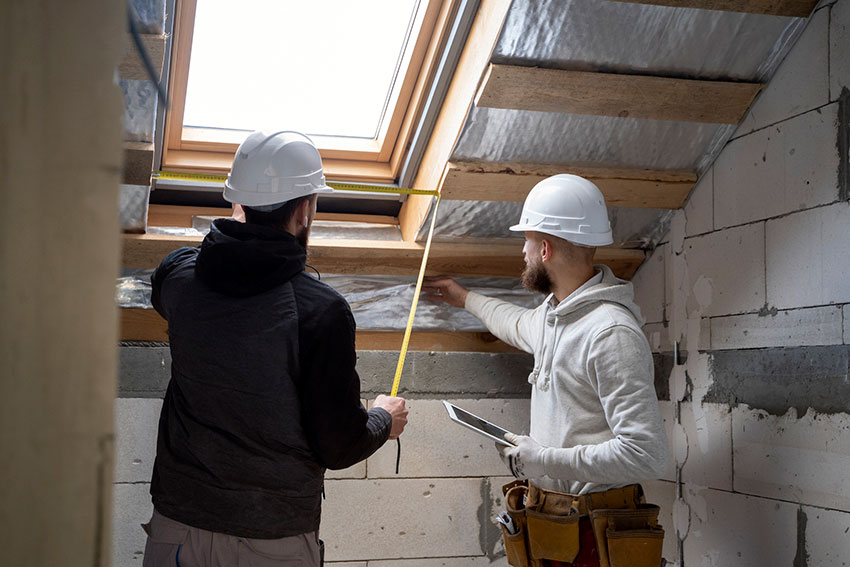
Start with a detailed assessment of the home. Document original windows, doors, flooring, trim, millwork, fireplaces, exterior materials, ceiling details, and other character-defining features. Photographs, measurements, previous renovation records, and historical documents can help establish what is original and what may have been added or altered over time.
The next step is to identify the restoration goal. A homeowner may want to return the property to a specific historical period, preserve its existing character while improving functionality, or adapt the home for modern living without compromising its architectural identity. These goals can lead to different approaches, so defining them early can prevent unnecessary changes later.
It is also important to evaluate the home’s structural and building-system conditions. Electrical, plumbing, heating, cooling, roofing, drainage, and structural components may require upgrades even when the visible architectural features remain largely intact. Modernizing these systems should be carefully coordinated with the preservation of historic materials and spaces.
Before construction begins, homeowners should also determine whether the property is located in a historic district or subject to local preservation requirements. Permit requirements and review processes vary by location, and historically designated properties may have additional rules regarding exterior changes.
The National Park Service recommends consulting preservation professionals early in the planning process and using documentation to guide decisions about historic properties. National Park Service — Secretary of the Interior’s Standards
A thoughtful pre-restoration assessment gives homeowners a clearer scope of work, helps identify potential problems before construction begins, and makes it easier to balance historical character with modern comfort and safety.
Before removing, modifying, or replacing a historic feature, document its condition, materials, dimensions, and distinctive details. Photographs and project records can help establish what existed before construction and provide valuable evidence when restoration decisions need to be made later.
Official source: National Park Service — Standards for Historic Properties
Why Home Restoration Matters
1. Preserving Architectural Integrity
Many older homes were built with materials and craftsmanship that are hard to find today. Restoration allows homeowners to preserve these unique qualities, ensuring that the home retains its original character and charm.
2. Sustainability and Eco-Friendliness
Home restoration is inherently sustainable. Instead of demolishing old structures, you’re recycling existing materials and minimizing waste. This contributes to reduced carbon footprints and promotes responsible homeownership.
3. Increased Property Value
Properly restored homes often see significant increases in property value. Buyers are increasingly drawn to homes with historical character that have been lovingly maintained or restored.
4. Emotional and Cultural Value
Restoring a home is not just about bricks and mortar—it’s about connecting with history and continuing a legacy. For families, it can be a powerful way to maintain cultural roots or family heritage.
The Difference Between Restoration, Renovation, and Remodeling
It’s important to distinguish what is home restoration from renovation or remodeling:
-
Restoration: Brings the property back to its original condition using traditional materials and techniques.
-
Renovation: Updates and repairs a home but might change or modernize the design.
-
Remodeling: Involves altering the structure, layout, or purpose of a space.
While all three can improve a home, restoration is about honoring the past.
Restoration vs. Rehabilitation: Which Approach Is Right for Your Home?
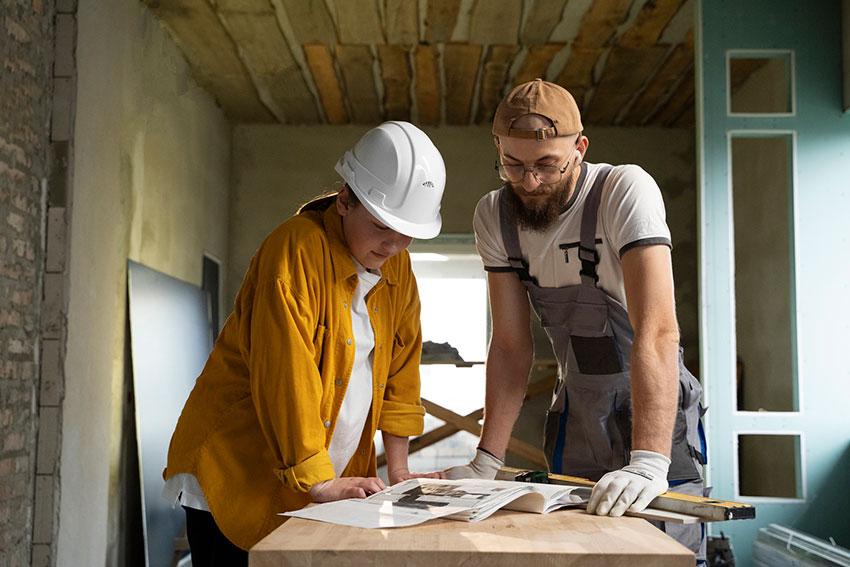
Choosing the right approach is one of the most important decisions in an older-home project. Restoration and rehabilitation both respect a property’s history, but they do not have the same objective.
Restoration aims to accurately represent a property as it appeared during a specific period in its history. This approach places greater emphasis on retaining, repairing, and recreating historically significant materials and features when there is sufficient physical or documentary evidence to support the work.
Rehabilitation, on the other hand, allows more flexibility when a home needs to accommodate contemporary living. According to the National Park Service, rehabilitation makes it possible to repair, alter, or add to a historic property while preserving the portions and features that convey its historical, cultural, or architectural value. National Park Service — Standards for Rehabilitation
For example, a homeowner restoring a historic property to a particular period may prioritize original window profiles, decorative millwork, flooring, and historically appropriate finishes. A homeowner pursuing rehabilitation may preserve those character-defining elements while making carefully considered changes to improve functionality, accessibility, energy performance, or the home’s layout.
The right choice depends on several factors, including the property’s physical condition, historical significance, available documentation, intended use, and the extent of changes required. The National Park Service notes that the appropriate treatment should take these factors, along with economic and technical feasibility, into consideration. National Park Service — Treatment Standards for Historic Properties
Understanding this distinction can help homeowners avoid an expensive mismatch between their goals and the restoration strategy. A home does not necessarily need to be returned to one exact historical moment to preserve its character. In some cases, a carefully planned rehabilitation provides a better balance between preservation and modern living.
When Should You Consider Home Restoration?
Home restoration might be the right choice if:
-
You own a historic or older home and want to preserve its unique features.
-
You value sustainability and want to reuse existing materials.
-
You aim to boost your home’s market value while maintaining authenticity.
-
You’ve inherited a family home with sentimental value.
Restoration isn’t always the easiest or cheapest path, but it’s often the most rewarding.
Common Home Restoration Projects
-
Exterior Facade
Restoring original siding, brickwork, or stucco to reflect the home’s historic design. -
Windows and Doors
Repairing or recreating original windows and doors instead of replacing them. -
Floors and Ceilings
Refinishing old hardwood floors or restoring decorative ceiling tiles. -
Fireplaces and Mantels
Bringing back the elegance of original hearths. -
Architectural Details
Molding, paneling, and trim work can be carefully restored to showcase craftsmanship.
When a historic feature can be repaired, replacement should not automatically be the first option. The National Park Service recommends repairing deteriorated historic features whenever possible and replacing them only when their condition requires it. This approach can help preserve the materials, craftsmanship, and architectural character that make an older home distinctive.
Official source: National Park Service — Standards for Restoration
How to Modernize a Historic Home Without Losing Its Character
Restoring an older home does not mean sacrificing modern comfort. In many cases, the most successful projects combine historic architectural features with carefully planned upgrades that make the property safer, more efficient, and easier to live in.
One of the most important principles is to address modern systems without unnecessarily disturbing character-defining features. Electrical wiring, plumbing, heating and cooling systems, insulation, and other infrastructure may need to be upgraded, but their installation should be coordinated with the existing architecture.
Windows are a good example. Original windows can be an important part of a home’s historic character, so replacing them should not automatically be the first solution. Depending on their condition and the project’s requirements, repair or carefully considered upgrades may be possible. The National Park Service’s rehabilitation guidance, for example, discusses approaches such as modifying historic sash for insulated glass when doing so does not compromise the sash or significantly alter its appearance. National Park Service — Historic Windows Guidance
The same principle applies to interior finishes. Original wood flooring, doors, trim, plaster, fireplaces, and built-in features can often become the foundation for a modern interior rather than obstacles to it. New lighting, furniture, appliances, and technology can be introduced in ways that complement the existing architecture.
Energy improvements should also be approached strategically. Instead of treating every original feature as something that needs to be replaced, homeowners can evaluate the building as a complete system and determine where upgrades will provide meaningful performance improvements without unnecessary loss of historic fabric.
The goal is not to make an older home look new. The goal is to make it function beautifully for modern life while allowing the architectural details that give it identity to remain visible and meaningful.
Modern electrical, plumbing, heating, cooling, and other building systems can be upgraded as part of a restoration project, but the work should be planned carefully to minimize unnecessary damage to historic materials and spaces. The goal is to improve safety and functionality while keeping the property’s character-defining features intact.
Official source: National Park Service — Standards for Restoration
Challenges in Home Restoration
While rewarding, restoration isn’t without its challenges:
-
Matching Materials: Finding historically accurate materials can be difficult and costly.
-
Building Codes: Older homes may not meet modern safety codes and need updates.
-
Hidden Issues: Structural damage, mold, or pests can complicate restoration.
-
Skilled Labor: Finding craftsmen who understand traditional techniques can be a hurdle.
However, with expert guidance, these challenges can be overcome—often with stunning results.
Why Work with a Professional Restoration Company?
Restoring a home is a delicate balance between art and science. Professionals like Builpire specialize in bringing old homes back to life with precision and care. They understand what is home restoration at its core and can:
-
Identify which elements to preserve
-
Source authentic materials
-
Manage restoration timelines and budgets
-
Ensure that the final result is safe, functional, and beautiful
Whether you’re restoring a historic brownstone or a mid-century bungalow, having a trusted partner makes all the difference.
Builpire: Experts in Home Restoration and Interior Design
When it comes to what is home restoration, no name shines brighter than Builpire. With years of experience in home restoration, remodeling, and interior design, Builpire transforms outdated homes into timeless, livable works of art.
Their team of designers, contractors, and artisans is passionate about respecting architectural history while infusing modern-day functionality. From intricate ceiling restorations to full-home transformations, Builpire brings vision and craftsmanship together under one roof.
So, whether you’re dreaming of restoring your family’s vintage farmhouse or modernizing a century-old city home without losing its character, Builpire is the team to trust.
For more ideas and guidance, follow us on Instagram.
Frequently Asked Questions
How much does home restoration cost?
Home restoration costs vary depending on the size, age, condition, location, materials, and level of historical accuracy required. Structural repairs, specialty craftsmanship, custom materials, historic windows, and upgrades to electrical, plumbing, heating, or cooling systems can all affect the final budget. Instead of relying on a generic price range, homeowners should begin with a professional assessment and a detailed scope of work to identify potential costs before construction begins.
Is it better to restore or remodel an old home?
The right approach depends on the property’s condition, historical significance, and the homeowner’s goals. Restoration focuses on preserving or returning historically significant features to a documented period, while remodeling generally allows greater changes to the home’s layout, materials, and appearance. Rehabilitation can provide a balance by preserving important historic features while allowing carefully planned updates for modern living.
Should original windows be replaced during a home restoration?
Not necessarily. Original windows can be important character-defining features of an older home, so repair should be considered before replacement when the existing windows can be retained. The National Park Service recommends evaluating historic windows and considering repair or compatible improvements before replacing them. Any upgrade should balance energy performance and functionality with the preservation of the window’s historic appearance and materials.
How do I know which parts of an old house should be preserved?
Start by identifying the features that contribute to the home’s architectural and historical character. These may include original windows and doors, exterior materials, hardwood floors, fireplaces, staircases, trim, molding, plasterwork, and built-in features. Photographs, historical records, physical evidence, and professional assessment can help determine which elements are significant and should be preserved, repaired, or carefully incorporated into the restoration plan.
Can a historic home be made energy efficient without losing its character?
Yes. A historic home can often be improved for comfort and energy performance without removing the features that give it character. Upgrades to insulation, heating and cooling systems, air sealing, windows, and other building components should be evaluated as part of the property’s overall condition. The best strategy is to prioritize improvements that provide meaningful performance benefits while minimizing unnecessary changes to historically significant materials and architectural details.