







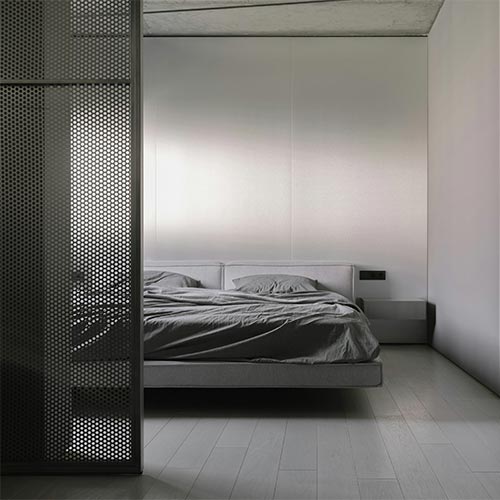
Cozy & Modern Bedroom Design Ideas You’ll Love
Your bedroom should be more than a place to sleep. It should be a comfortable, functional retreat that reflects your personal style and supports your everyday routine. The best bedroom interior design ideas combine thoughtful furniture placement, calming colors, layered lighting, and practical storage to create a space that feels both inviting and organized. Whether you’re refreshing a small bedroom, updating a primary suite, or planning a complete renovation, the right design choices can help you make the most of your space without sacrificing comfort or visual appeal.
Article Summary
- Use warm, neutral colors and layered textures to create a comfortable, inviting bedroom.
- Choose furniture and storage solutions that match the room’s dimensions and daily needs.
- Combine ambient, task, and accent lighting for a flexible and functional design.
- Explore 2026 bedroom design ideas through warm colors, natural materials, and personalized details.
- Evaluate materials, finishes, privacy, and maintenance requirements before starting a renovation.
- Plan the layout and budget carefully to avoid unnecessary purchases and costly changes.
- Work with a professional design and renovation team when you need a coordinated plan from concept to completion.
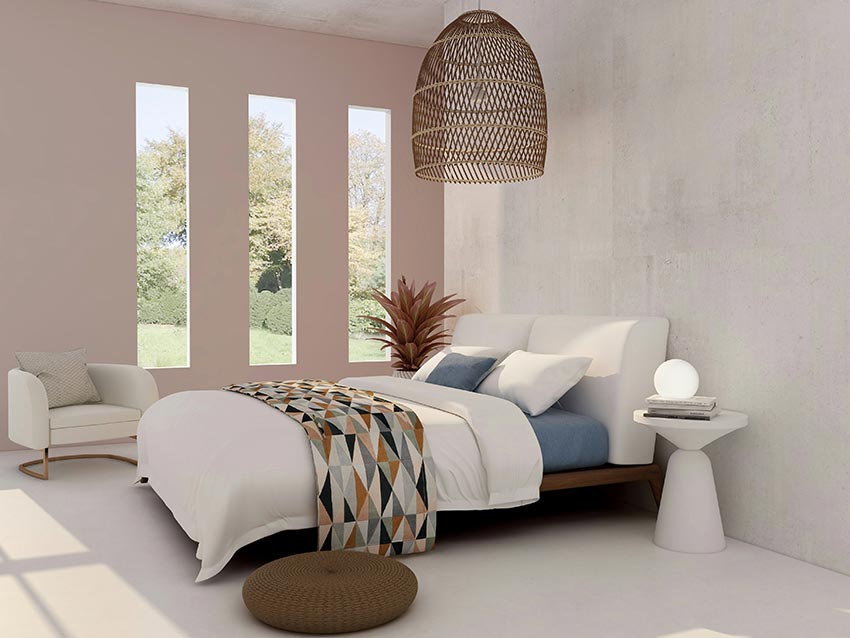
Transform Your Space with BUILPIRE – Book Your Consultation Today!
Embrace Warm, Neutral Color Palettes
Neutral tones like beige, taupe, soft gray, and warm white are timeless for bedroom spaces. These colors create a soothing atmosphere that promotes relaxation and rest. Pairing them with wooden accents or natural textures enhances the cozy vibe, making the space feel warm and welcoming.
Layer with Textures
One of the quickest ways to achieve a cozy bedroom is through layering. Think chunky knit throws, velvet pillows, linen bedding, and soft area rugs. Combining different textures adds depth and visual interest without overwhelming the space.
Go Minimal with Purpose
Modern bedroom design often embraces minimalism—but not in a cold or stark way. Use functional furniture pieces that offer storage solutions, and keep surfaces uncluttered. Choose quality over quantity in your décor elements to create a clean yet inviting room.
Invest in Smart Lighting
Lighting plays a major role in setting the mood of your bedroom. Layer ambient lighting with task lighting (like bedside lamps) and accent lighting (such as LED strips behind the headboard). Consider dimmable lights or smart bulbs for more control over brightness and color temperature.
Plan bedroom lighting around specific activities rather than choosing fixtures by appearance alone. Combine general illumination with bedside task lighting, then consider dimmers where compatible with the bulbs and controls. Before purchasing, check the manufacturer’s specifications for brightness, color appearance, dimmer compatibility, and installation requirements. The U.S. Department of Energy’s LED lighting guidance can help homeowners understand the practical benefits and selection considerations of LED products.
How to Choose Bedroom Materials, Lighting, and Finishes
The materials and finishes you select can influence how comfortable, cohesive, and practical your bedroom feels. Instead of choosing every item separately, consider how wall colors, flooring, window treatments, furniture, and lighting will work together. A coordinated plan helps create a polished result while reducing the risk of costly changes during a renovation.
When planning a bedroom renovation, look beyond color and appearance when selecting paints, flooring, adhesives, and furniture. Ask suppliers about product emissions, follow installation and ventilation instructions, and allow newly installed materials to air out as directed. The U.S. Environmental Protection Agency explains that building materials and furnishings can contribute to indoor air pollution and recommends source control and appropriate ventilation as part of improving indoor air quality. Read the EPA’s guidance on protecting indoor air quality during remodeling before finalizing material choices.
Select Materials Based on Daily Use
Bedroom materials should look appealing and perform well under everyday conditions. Upholstered headboards can introduce softness, while wood furniture adds warmth and visual structure. For flooring, consider comfort underfoot, cleaning requirements, durability, and compatibility with the home’s overall design. If you choose delicate fabrics or textured finishes, understand their maintenance needs before committing.
Build a Balanced Color and Finish Palette
Choose one dominant color, one or two complementary shades, and a small selection of accent finishes. For example, warm white walls, medium-tone wood, muted green textiles, and brushed brass details can create a cohesive look without feeling overly coordinated. Test paint samples under both daylight and artificial lighting, since colors can appear different throughout the day.
Use Lighting for More Than Decoration
A successful bedroom lighting plan combines general illumination, task lighting, and accent lighting. Ceiling fixtures provide overall light, bedside lamps or wall sconces support reading, and subtle accent lights can highlight architectural features. Dimmers offer additional flexibility, allowing you to adjust the atmosphere for different activities and times of day.
When selecting LED bulbs, consider brightness, color appearance, compatibility with dimmers, and the manufacturer’s specifications. Warm-looking light is often a comfortable choice for a relaxing bedroom, but the best setup depends on the room’s finishes, natural light, and personal preferences.
Coordinate Window Treatments and Privacy
Window treatments influence light control, privacy, and the overall appearance of the room. Layered curtains can soften a space, while shades may offer a more streamlined look. If outside light affects your sleep, consider room-darkening options and check how well the treatment fits the window. In bedrooms that receive strong sunlight, also consider how fabrics and finishes may respond to prolonged exposure.
Plan the Details Before Renovation Begins
Before ordering materials, confirm dimensions, product availability, installation requirements, and the relationship between adjacent finishes. Create a simple materials board with paint samples, flooring, fabric swatches, and hardware selections. Reviewing these elements together makes it easier to spot mismatches before purchasing and helps the finished bedroom feel intentional from floor to ceiling.
Incorporate Nature-Inspired Elements
Adding plants or nature-inspired art can bring life to your bedroom. Not only do they improve air quality, but they also introduce a sense of calm and serenity. Wood, stone, and rattan elements also help bring the outdoors in.
Create a Statement Wall
A bold wallpaper, textured paint finish, or a curated gallery wall can give your bedroom a unique personality. Statement walls serve as a focal point and add a creative flair without needing to overhaul the entire space.
Use Multi-Functional Furniture
Incorporate furniture that offers multiple uses—like a bed with drawers, a bench that doubles as storage, or a wall-mounted desk. These pieces are perfect for small bedrooms and contribute to a clutter-free look.
Focus on the Bed
Your bed is the centerpiece of the room. Invest in a comfortable mattress, quality bedding, and an eye-catching headboard. Upholstered headboards or reclaimed wood frames can enhance both comfort and aesthetics.
Try Accent Lighting Behind Headboards
LED strip lights behind the headboard can create a cozy glow that adds depth to your room. It’s a modern touch that doesn’t require a full renovation but significantly enhances ambiance.
Keep It Personal
Add personal touches like photos, souvenirs from travels, or your favorite books. These elements make your bedroom uniquely yours and contribute to a sense of emotional warmth.
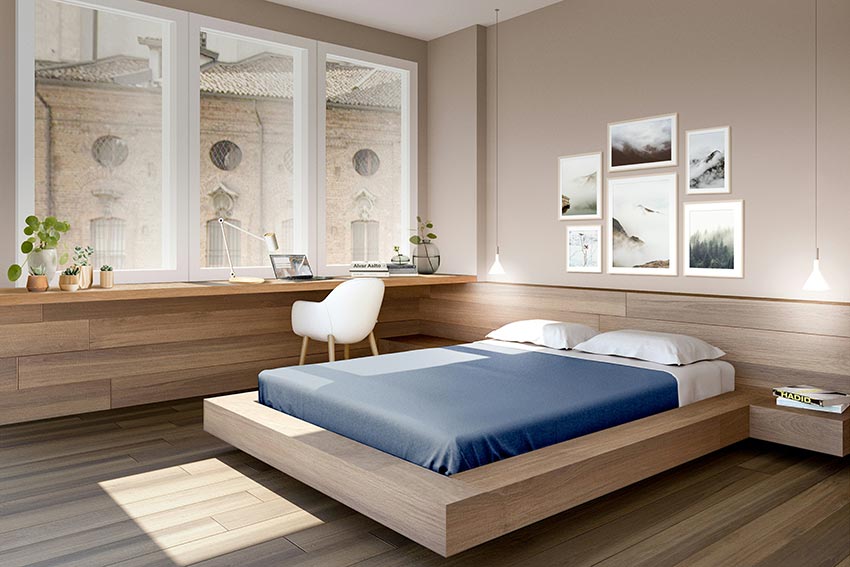
Bedroom Interior Design Ideas for Small Spaces
Small bedrooms can still be stylish and comfortable. The key is smart design. Use mirrors to create the illusion of space, choose light colors to open up the room, and invest in space-saving furniture. Wall-mounted lights and floating nightstands are great ways to maximize floor space.
Another smart bedroom interior design idea is to use vertical space for storage. Tall dressers, hanging shelves, and overhead cabinets can keep clutter at bay and maintain a streamlined look.
How to Plan a Bedroom Layout That Actually Works
A beautiful bedroom starts with a layout that supports your daily routine. Before choosing furniture, measure the room, identify the location of doors and windows, and consider how you move through the space. A well-planned layout makes even a modest bedroom feel more comfortable, organized, and visually balanced.
Start with the Bed Placement
The bed is usually the largest piece of furniture in a bedroom, so its position should guide the rest of the layout. When possible, place the headboard against a solid wall and leave enough room to get in and out of bed comfortably. Avoid blocking doors, closets, windows, or essential walkways with oversized furniture.
Choose Furniture That Fits the Room
Furniture should complement the available floor space rather than compete with it. In a compact bedroom, consider slim nightstands, wall-mounted sconces, and dressers with a smaller footprint. In a larger primary bedroom, a bench at the foot of the bed or a comfortable accent chair can add function without making the room feel empty.
Create Practical Zones
Think about how you use your bedroom beyond sleeping. You may need a dressing area, a reading corner, a workspace, or additional storage. Define these zones through furniture placement, area rugs, lighting, or subtle changes in color and texture. Each area should serve a clear purpose while remaining visually connected to the overall design.
Plan Storage Before Adding Decor
Clutter can undermine even the most carefully designed bedroom. Evaluate what needs to be stored and choose solutions that fit your habits, such as under-bed drawers, built-in closets, or vertical shelving. Planning storage early can reduce the need for additional furniture later.
Test the Layout Before Committing
Before purchasing large furniture pieces or beginning a renovation, sketch the room to scale or use a digital floor-planning tool. Mark furniture dimensions and check door swings, closet access, and walking paths. This simple planning step can help prevent expensive mistakes and make the final bedroom design feel intentional rather than crowded.
Luxury Bedroom Interior Design Ideas
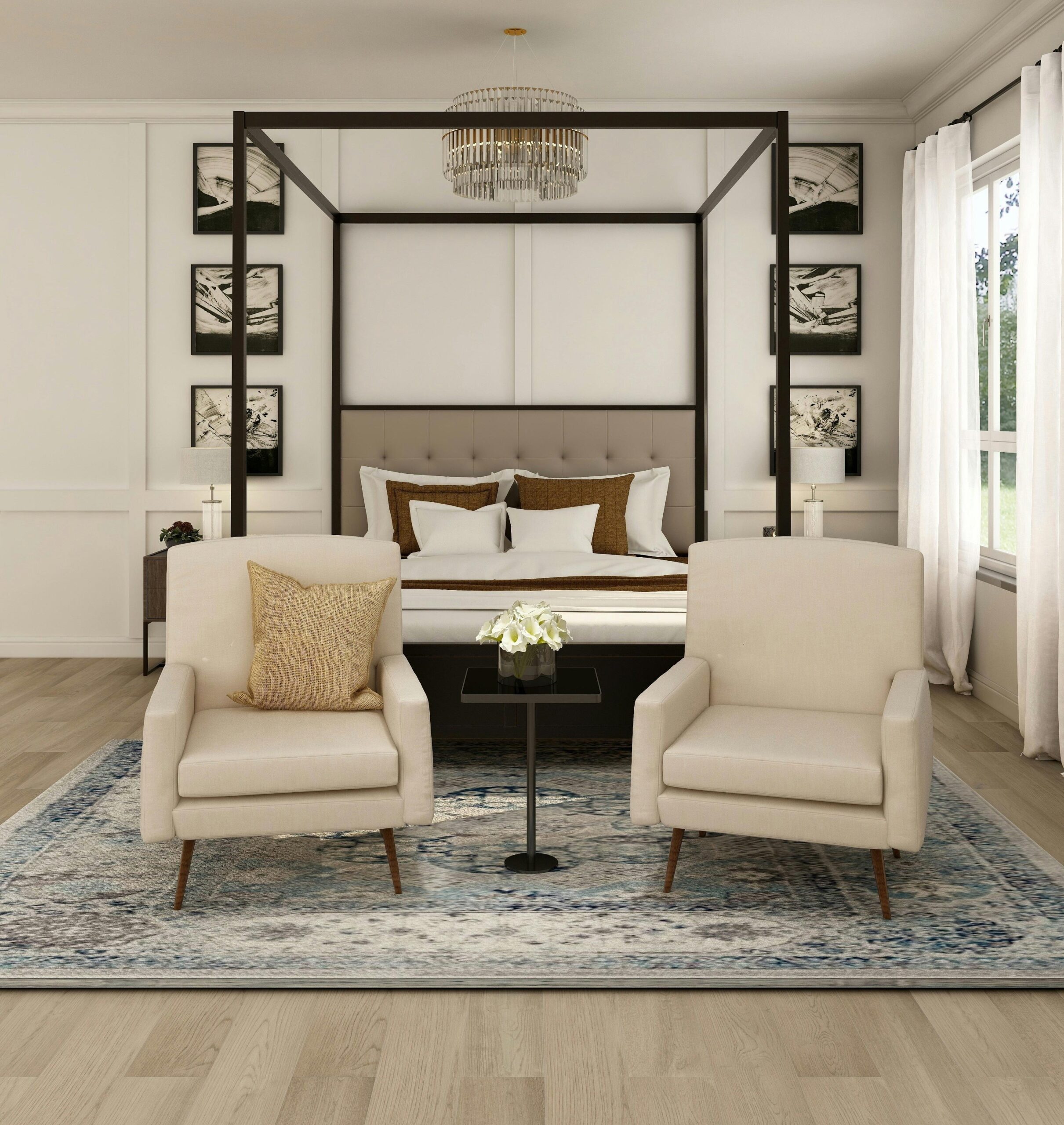
For those looking to bring a sense of luxury to their bedroom, materials and finishes make a difference. Use plush fabrics like velvet, high-thread-count linens, and statement light fixtures such as chandeliers. A mix of metallic finishes—like gold, brass, or chrome—can also elevate the room’s appeal.
Floor-to-ceiling drapes, oversized art pieces, and tufted furniture pieces are just a few ways to create a luxurious bedroom ambiance.
For more ideas and guidance, follow us on Instagram.
Modern Meets Cozy: The Perfect Blend
Modern design is often sleek and minimal, but that doesn’t mean it can’t be cozy. Add warm textures and layered lighting to soften the modern look. Incorporate cozy elements like a reading nook with a plush chair or soft wall hangings to make the space feel more lived-in.
Using a combination of clean lines and comfortable elements ensures that your bedroom doesn’t feel too cold or too cluttered. This balance is key in achieving the perfect modern-cozy bedroom.
Bedroom Design Trends for 2026: Warmth, Texture, and Personal Style
Bedroom design in 2026 is moving beyond perfectly matched furniture and stark, all-white interiors. Homeowners are increasingly drawn to spaces that feel personal, comfortable, and thoughtfully layered. Recent U.S. design reporting from Houzz highlights warm color palettes, tactile materials, natural finishes, and rooms designed around everyday well-being. These ideas offer a practical starting point for creating a bedroom that feels current without becoming dated too quickly.
Embrace Warm, Earthy Colors
Cream, mushroom, taupe, muted sage, and warm brown can create a grounded foundation for a bedroom. Rather than relying on a single shade, combine complementary tones through wall color, bedding, upholstery, and wood finishes. If you prefer a more dramatic look, introduce deeper colors through an accent wall, headboard, or carefully selected accessories.
Bring in Texture Through Materials
Texture adds depth even when the color palette remains simple. Linen bedding, natural wood, woven accents, textured wall finishes, and softly upholstered furniture can make a room feel richer without requiring excessive decoration. For a balanced result, combine a few contrasting textures instead of introducing too many competing materials.
Choose Natural Materials with Character
Wood, stone, woven fibers, and other natural-looking finishes can make a bedroom feel connected to its surroundings. Visible grain, subtle variations, and handcrafted details can contribute to a more individual look. When selecting materials, consider durability, maintenance, comfort, and how each finish will work with the room’s existing elements.
Make the Design Personal
A bedroom should reflect the person who uses it, not simply reproduce a trend from a magazine. Display meaningful artwork, incorporate a favorite color, or mix contemporary furniture with a vintage accent. A thoughtful combination of personal objects and practical design choices often feels more authentic than purchasing an entire matching collection.
Prioritize Comfort Over Short-Lived Trends
Not every popular design feature belongs in every bedroom. Before committing to a statement finish or expensive furniture piece, consider whether it will suit your lifestyle for years to come. Invest in comfortable bedding, a functional layout, useful storage, and lighting that supports your routine. These fundamentals can remain valuable even as decorative preferences evolve.
For homeowners planning a larger transformation, working with an interior design professional can help coordinate colors, finishes, lighting, and furniture before installation begins. BUILPIRE can help homeowners explore bedroom design options that balance personal style with everyday functionality.
Final Thoughts
Your bedroom is more than just a sleeping area—it’s where you start and end each day. The right bedroom interior design ideas can have a significant impact on your mood, productivity, and quality of life. Whether you’re working with a large master suite or a compact room, a few thoughtful design choices can transform it into a haven.
If you’re looking to bring your bedroom vision to life, consider working with professionals who understand both style and functionality. Builpire, a trusted name in home renovation and interior design, specializes in creating custom bedroom spaces tailored to your needs and preferences. From initial concept to final execution, Builpire ensures every detail is perfected.
Frequently Asked Questions About Bedroom Interior Design
How can I make a small bedroom look bigger without remodeling?
To make a small bedroom feel more spacious, choose furniture that fits the room’s dimensions and keep walkways clear. Light, neutral colors can help create an open appearance, while mirrors can reflect available light and add visual depth. Consider a bed with built-in drawers, floating nightstands, and wall-mounted lighting to free up floor space. Vertical shelving and well-organized closets can also improve storage without making the room feel crowded. Before purchasing furniture, measure the room and plan the layout to ensure that doors, closets, and windows remain accessible.
What colors are best for a cozy and modern bedroom?
Warm white, cream, beige, taupe, muted green, and soft blue are versatile choices for a cozy, modern bedroom. The best palette depends on the room’s natural light, flooring, furniture, and personal preferences. To create depth, combine a dominant wall color with complementary bedding, curtains, and accent pieces rather than using the same shade everywhere. Test paint samples under different lighting conditions before making a final decision, since colors can appear warmer or cooler throughout the day.
How can I make my bedroom look luxurious on a budget?
You can create a luxurious bedroom without replacing every piece of furniture. Start with coordinated bedding, layered textures, and a consistent color palette. Updated bedside lighting, full-length curtains, attractive hardware, and carefully selected artwork can make the room feel more refined. Reduce unnecessary decorations to create a cleaner visual appearance, and focus your budget on elements you use every day, such as comfortable bedding, functional lighting, and effective storage. Making a few coordinated improvements is often more effective than purchasing expensive decorative items that do not work together.
What is the best lighting setup for a modern bedroom?
A well-designed bedroom typically benefits from three types of lighting: ambient, task, and accent lighting. Ceiling fixtures provide general illumination, bedside lamps or wall sconces support reading, and accent lights can highlight a headboard or architectural detail. Dimmable fixtures offer flexibility for different activities, provided the bulbs and controls are compatible. When selecting LED bulbs, compare brightness, measured in lumens, and color temperature, measured in kelvins. Choose lighting that complements the room’s finishes and provides comfortable illumination for your daily routine.
How much does a bedroom renovation cost in the United States?
The cost of a bedroom renovation in the United States varies according to the room’s size, location, labor rates, material choices, and project scope. Cosmetic updates such as painting, replacing bedding, and changing light fixtures generally involve different expenses from projects that include new flooring, custom cabinetry, electrical work, or structural changes. To establish a realistic budget, list the required improvements, compare material options, and request itemized estimates from qualified contractors. Also, account for permits when applicable and set aside a contingency for unexpected expenses. A professional consultation can help clarify priorities and define the scope before work begins.