







A Complete Guide to Long-Term Bathroom Damage Repair
Bathrooms are one of the most vulnerable areas of any home. Constant moisture, hidden plumbing, and limited ventilation make them highly susceptible to water damage, mold growth, and structural issues. When damage occurs, quick fixes rarely hold up. What homeowners need are bathroom restoration services designed to last.
This guide explains how professional bathroom restoration works, when it’s necessary, and how to ensure the results are durable—not temporary patches.
Transform Your Space with BUILPIRE – Book Your Consultation Today!
What Are Bathroom Restoration Services?
Bathroom restoration services go beyond cosmetic repairs. They focus on returning the bathroom to a safe, functional, and durable condition after damage caused by water, flooding, leaks, mold, or plumbing failures.
Unlike standard renovations, restoration prioritizes:
-
Damage assessment
-
Moisture control
-
Structural integrity
-
Health and safety
-
Long-term prevention
Common Causes of Bathroom Damage
Water Damage from Leaks
Leaking pipes behind walls or under floors are one of the most common causes of bathroom damage. Small leaks often go unnoticed until flooring buckles or mold appears.
Flooding and Overflows
Overflowing toilets, burst supply lines, or storm-related flooding can quickly saturate walls, subfloors, and cabinetry.
Poor Ventilation
Bathrooms without proper ventilation trap moisture. Over time, this leads to mold, peeling paint, and weakened materials.
Aging Materials
Old grout, cracked tiles, and worn waterproofing systems allow moisture to seep into hidden areas.
Signs You Need Bathroom Damage Restoration
Many homeowners delay restoration because the damage isn’t obvious. Warning signs include:
-
Persistent musty odors
-
Soft or spongy flooring
-
Peeling paint or bubbling walls
-
Discolored grout or tiles
-
Visible mold spots
-
Unexplained increases in humidity
Ignoring these signs often results in higher repair costs later.
Bathroom Damage Restoration vs. Bathroom Renovation
Restoration
-
Focuses on damage repair
-
Addresses water intrusion and mold
-
Prioritizes safety and durability
-
Often insurance-related
Renovation
-
Aesthetic upgrades
-
Layout changes
-
Design-driven improvements
In many cases, bathroom renovation after flood damage includes restoration first, followed by optional upgrades.
The Bathroom Restoration Process Explained
1. Inspection and Moisture Detection
Professionals use moisture meters and thermal imaging to locate hidden water damage behind walls and under floors.
2. Water Extraction and Drying
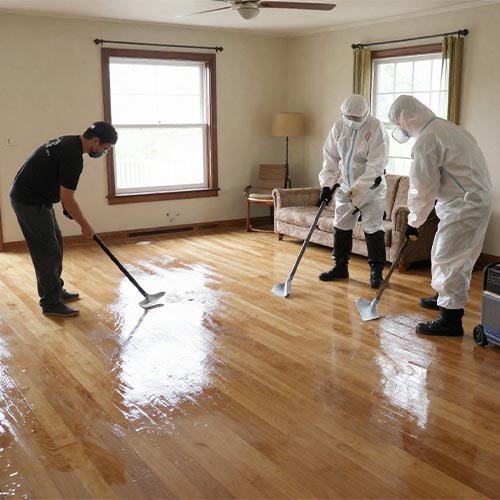
Standing water is removed immediately. Industrial air movers and dehumidifiers dry the affected area thoroughly.
3. Mold Removal and Bathroom Restoration
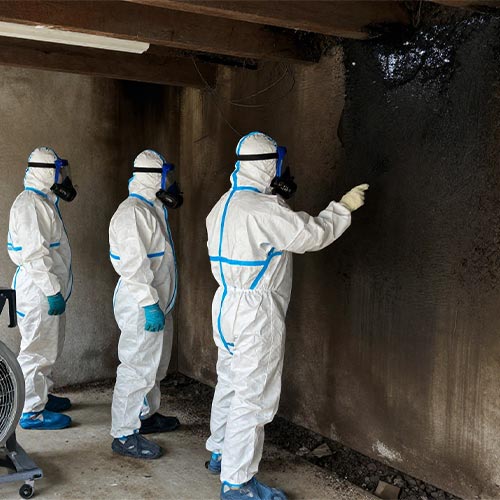
If mold is present, containment procedures prevent spores from spreading. Affected materials may be removed and treated safely.
4. Structural Repairs
This includes repairing subfloors, drywall, framing, and insulation compromised by moisture.
5. Surface Restoration
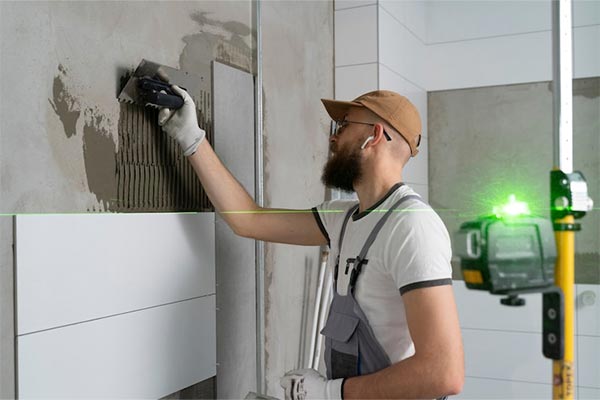
Tiles, grout, fixtures, cabinetry, and finishes are repaired or replaced using water-resistant materials.
6. Final Quality Check
Moisture levels are verified before completion to ensure the bathroom is safe and stable.
Water Damaged Bathroom Repair: What’s Often Missed
Many DIY or low-cost repairs fail because they overlook hidden damage.
Common mistakes include:
-
Replacing tiles without fixing the subfloor
-
Painting over moisture-damaged drywall
-
Ignoring ventilation upgrades
-
Skipping mold testing
Professional water damaged bathroom repair addresses the root cause, not just visible symptoms.
Emergency Bathroom Restoration Services
Some situations require immediate action.
When to Call Emergency Services
-
Active leaks or burst pipes
-
Toilet overflows affecting multiple rooms
-
Sewage backups
-
Flooding from storms
Emergency bathroom restoration services reduce secondary damage and often help with insurance documentation.
Mold Removal and Bathroom Restoration
Bathrooms are prime environments for mold due to warmth and humidity.
Professional mold remediation includes:
-
Identifying the moisture source
-
Safe containment and removal
-
HEPA filtration
-
Antimicrobial treatments
Without proper removal, mold often returns within months.
Choosing Materials That Last
Durable bathroom restoration depends heavily on material selection.
Recommended materials include:
-
Cement board instead of drywall
-
Waterproof membranes under tile
-
Mold-resistant paints
-
Porcelain or sealed stone tiles
-
Moisture-rated cabinetry
Cutting corners here usually shortens the lifespan of the repair.
Insurance and Bathroom Restoration Claims
Many bathroom restoration projects are covered by homeowner’s insurance.
Covered situations often include:
-
Sudden pipe failures
-
Accidental overflows
-
Storm-related flooding (policy dependent)
Experienced restoration companies help document damage and communicate with adjusters, saving homeowners time and stress.
How Long Does Bathroom Restoration Take?
Timelines vary based on damage severity.
| Damage Level | Estimated Time |
|---|---|
| Minor leak | 3–7 days |
| Moderate water damage | 1–2 weeks |
| Flood or mold remediation | 2–4 weeks |
Drying time is critical and should never be rushed.
Preventing Future Bathroom Damage
Long-lasting restoration includes prevention.
Practical tips:
-
Install high-quality exhaust fans
-
Reseal grout annually
-
Address leaks immediately
-
Avoid carpeted bathrooms
-
Schedule periodic inspections
Prevention costs far less than repeated restoration.
Final Thoughts: Restoration That Truly Lasts
Bathroom damage rarely fixes itself. Temporary repairs often lead to recurring issues, higher costs, and health risks. Investing in professional bathroom restoration services ensures the job is done right the first time—with results that last.
If your bathroom has suffered water damage, mold, or flooding, acting early is the most cost-effective decision you can make.
Professional assessment today prevents major repairs tomorrow.
For more ideas and guidance, follow us on Instagram.
Frequently Asked Questions (FAQ)
Are bathroom restoration services worth it?
Yes. Proper restoration prevents recurring damage, protects health, and preserves property value.
Can I use the bathroom during restoration?
Usually not. Water, power, and fixtures may be temporarily disconnected for safety.
Does mold always mean replacement?
Not always. If caught early, professional cleaning and treatment may be enough.
Is bathroom restoration expensive?
Costs depend on damage extent, but early intervention significantly reduces expenses.
Will insurance cover bathroom restoration?
Often yes, especially for sudden and accidental damage. Coverage varies by policy.