
Stunning Interior Decoration on a Budget
Creating a beautiful home doesn’t have to come with a hefty price tag. With the right approach, you can transform your living space into a stylish, comfortable, and inviting environment without overspending. Whether you’re decorating a small apartment, refreshing a rental home, or updating your house, budget-friendly interior decorating ideas can help you achieve a polished look while making the most of what you already have. From thoughtful furniture arrangements and affordable décor to simple upgrades that make a lasting difference, smart design choices can turn an ordinary room into a space that feels uniquely yours.
Article Summary
- Discover affordable interior decorating ideas that help transform your home without overspending.
- Learn how to refresh your space with paint, furniture rearrangement, DIY projects, and budget-friendly accessories.
- Explore smart decorating strategies for small apartments and rental homes.
- Find out how to prioritize home upgrades and avoid unnecessary decorating expenses.
- Use lighting, storage, textiles, and statement pieces to create a more cohesive and inviting interior.
- Understand when professional interior design guidance can help you make smarter decorating decisions.
Transform Your Space with BUILPIRE – Book Your Consultation Today!
Start with a Vision
The first step in any interior decoration project is to visualize the final outcome. Budget-friendly projects work best when you know your style preferences—whether that’s cozy farmhouse vibes, sleek modern design, or eclectic boho. Creating a mood board using free tools like Pinterest can help you stay focused on affordable purchases that match your theme.
How to Decorate Your Home on a Budget Without Wasting Money
Decorating on a budget is not just about finding inexpensive furniture or choosing the cheapest accessories. It is about making thoughtful decisions that deliver the greatest visual impact for every dollar spent. Without a clear plan, even affordable purchases can add up quickly and leave a room feeling unfinished.
Start by identifying what bothers you most about the space. Is the room too dark, does the furniture feel outdated, or is the layout making it difficult to move around? Addressing the main problem first helps you avoid spending money on decorative items that do little to improve the overall result.
Next, divide your budget into priorities. Essential improvements, such as repairing damaged surfaces or replacing worn-out items, should come before purely decorative purchases. Once those needs are covered, allocate a smaller portion of your budget to accessories, artwork, and finishing touches.
Before buying anything new, measure your room and the furniture you plan to keep. A beautiful piece can become an expensive mistake if it does not fit the space or disrupt the room’s layout. Keep a simple list of planned purchases, compare prices, and allow room in your budget for unexpected costs.
The smartest low-budget decorating strategy is to combine what you already own with a few carefully selected updates. This approach creates a more cohesive interior while helping you avoid unnecessary spending.
The Power of Paint
One of the most effective ways to transform a space without overspending is painting. A single gallon of paint can redefine a room completely. Lighter shades can make a small room appear larger, while bold accent walls can add character without breaking the bank.
Rearrange Before Replacing
Sometimes the most stunning transformations happen when you don’t buy anything at all. Simply rearranging furniture, swapping rugs between rooms, or moving art pieces can refresh your home. Think of it as shopping your own house.
Incorporate DIY Projects
DIY décor projects are at the heart of low-budget interior decoration ideas. From crafting your own shelves with reclaimed wood to making throw pillow covers with old fabrics, these projects add personality and uniqueness while keeping costs minimal.
Shop Smart: Thrift Stores & Online Marketplaces
Second-hand doesn’t mean second-best. Many people are surprised by the quality and character of thrift-store finds. Platforms like Facebook Marketplace or Craigslist also offer furniture at a fraction of the retail price. Mixing old with new creates a stylish, lived-in look.
Maximize Natural Light
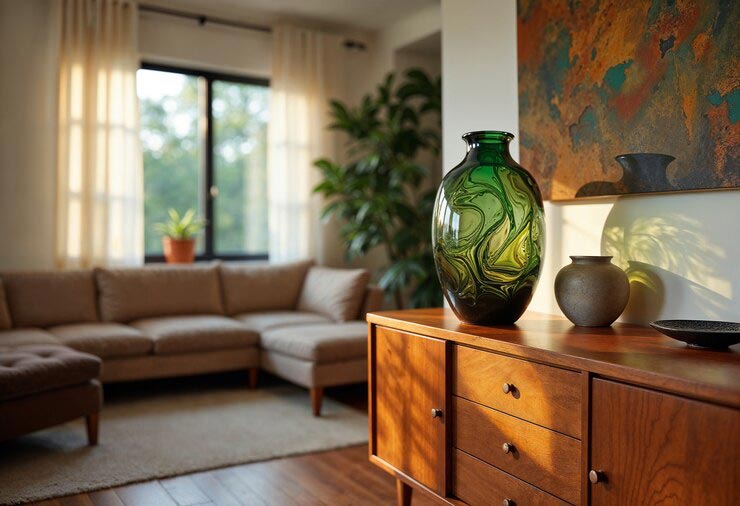
Lighting plays a crucial role in interior design. Instead of investing in expensive fixtures, focus on maximizing natural light. Use sheer curtains, place mirrors strategically, and keep windows clean to brighten up your space.
Instead of relying on a single overhead light, combine ambient, task, and accent lighting to make your room more functional and visually inviting. Use task lighting near reading chairs, desks, or kitchen work areas, and add floor or table lamps to create a softer atmosphere. This layered approach can improve the room’s overall feel without requiring expensive lighting fixtures.
Add Greenery
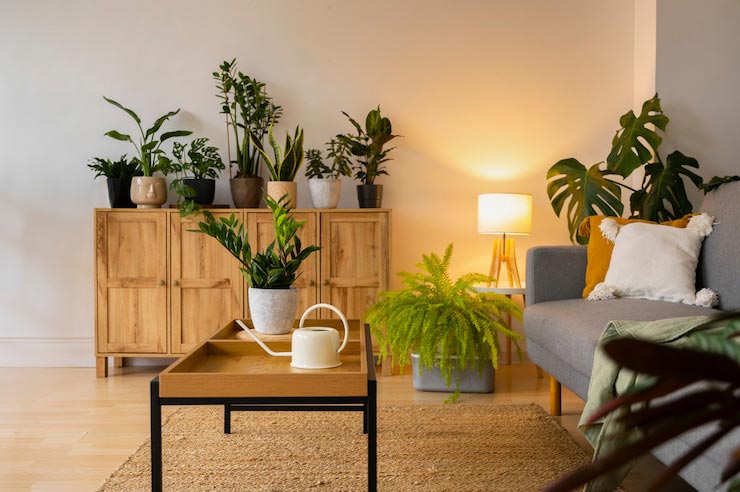
Plants are inexpensive yet powerful tools in interior decoration. They bring freshness, improve air quality, and create a calming atmosphere. From large indoor plants to small succulents, greenery enhances every design style.
Repurpose & Upcycle
One of the most creative low-budget interior decoration ideas is repurposing existing items. Old mason jars can become candle holders, crates can transform into coffee tables, and an old ladder can serve as a bookshelf. These innovative touches make your home truly one of a kind.
Affordable Textiles for Warmth & Style
Cushions, throws, and rugs instantly make a home more inviting. Instead of luxury brands, look for sales, outlet stores, or even create your own with simple fabrics. Changing textiles seasonally is a budget-friendly way to refresh interiors.
Focus on Statement Pieces
Instead of trying to decorate everything at once, invest your limited budget in one or two statement items—like a stylish chair, a bold rug, or unique artwork. These become focal points that elevate the entire space.
What to Upgrade First When Decorating on a Tight Budget
When your decorating budget is limited, deciding what to upgrade first can make the difference between a room that feels refreshed and one that looks incomplete. Instead of trying to change everything at once, focus on the elements that have the greatest influence on the room’s appearance and functionality.
Start with the layout. Rearranging furniture can improve circulation, create better focal points, and make a room feel more spacious without requiring any purchases. Remove unnecessary items and identify which furniture pieces are worth keeping.
Next, evaluate the surfaces that dominate the room. Walls, flooring, and large furniture pieces often have a stronger visual impact than small decorative accessories. A carefully chosen paint color, updated cabinet hardware, or a refreshed furniture finish may deliver more noticeable results than buying several inexpensive decorations.
Lighting should also be considered early. A room with poor lighting can feel dull even when its furniture and accessories are attractive. Combining existing overhead lighting with affordable floor or table lamps can create a more balanced atmosphere.
Finally, add finishing touches such as artwork, cushions, curtains, and greenery. These details work best when the room’s layout, color palette, and main visual elements are already established.
A practical rule is to improve the room in stages: functionality first, major visual elements second, and decorative details last. This makes it easier to control spending and achieve a more intentional result.
Minimalism as a Budget Strategy
Minimalist design not only looks modern and clean but also saves money. By reducing clutter and focusing on essential items, you avoid unnecessary expenses while creating a sophisticated environment.
Wall Art on a Budget
You don’t need expensive art to make your walls look beautiful. Printable artwork, family photos in creative frames, or even fabric hangings can turn an empty wall into a statement.
Use Multi-Functional Furniture
Opt for furniture that serves more than one purpose—like a sofa bed, storage ottoman, or extendable dining table. This maximizes both space and money, especially for smaller homes.
In a small home, decorating and storage should work together. Use vertical shelving, storage boxes, and furniture with hidden compartments to reduce clutter without sacrificing valuable floor space. Keep frequently used items accessible while storing less-used belongings in closed cabinets or under-bed containers. A well-organized room can feel more spacious without adding square footage.
Budget-Friendly Decorating Ideas for Small Apartments and Rental Homes
Small apartments and rental homes often require a different decorating approach. Limited square footage, lease restrictions, and the need to keep furniture portable can make traditional decorating projects less practical. Fortunately, a few thoughtful changes can make a rental feel more personal without requiring permanent renovations.
Begin by creating functional zones within the space. In a studio apartment, a rug can visually define the living area, while a compact bookshelf or strategically placed furniture can separate sleeping and working areas. These simple choices help the room feel organized without adding walls.
Choose furniture that works harder. A storage ottoman, nesting tables, a sofa bed, or a dining table that doubles as a workspace can help maximize limited square footage. Look for pieces that fit the room’s actual dimensions rather than selecting oversized furniture that makes movement difficult.
For rental-friendly updates, consider removable wallpaper, peel-and-stick accents, freestanding shelving, decorative mirrors, and curtains that add color or texture. Before applying adhesive products, painting, drilling, or replacing fixtures, review your lease and obtain permission when required. Some products can damage paint or surfaces when removed.
Portable decorating elements are particularly useful for renters. Artwork, table lamps, rugs, cushions, and indoor plants can transform a room while remaining easy to take to your next home.
The goal is to create a space that reflects your personality while preserving flexibility. With the right combination of layout, lighting, storage, and portable accessories, even a modest rental can feel thoughtfully designed.
Lighting on a Budget
Instead of designer lamps, explore affordable string lights, lanterns, or LED strips. They provide ambiance without heavy costs. Mixing lighting sources also adds depth to your interiors.
Seasonal Refreshes
One of the most overlooked low-budget interior decoration ideas is seasonal décor updates. For instance, add cozy blankets and warm colors in winter, then switch to bright tones and floral prints in summer.
Before making changes to a rental home, review your lease and confirm which improvements are permitted. Removable wallpaper, freestanding shelves, rugs, curtains, and portable lighting can help personalize a space without permanent alterations. Always check product instructions and test adhesive materials on an inconspicuous area before applying them to painted walls or other surfaces.
For more ideas and guidance, follow us on Instagram.
Final Thoughts
Transforming your living space doesn’t have to be expensive. By combining creativity, DIY approaches, and smart shopping, you can achieve interiors that look high-end while staying budget-friendly. Whether it’s repurposing old items, adding a touch of greenery, or simply rearranging furniture, these strategies make home decoration accessible to everyone.
If you are looking for professional assistance, Builpire is a trusted company specializing in home remodeling and interior design. Their team combines creativity, craftsmanship, and affordability to help clients achieve stunning results, whether working on a tight budget or aiming for a luxurious transformation.
Frequently Asked Questions
How can I decorate my home on a very tight budget?
Start by rearranging your existing furniture, decluttering the space, and identifying the areas that need the most attention. Small updates such as adding affordable curtains, changing cushion covers, painting a wall, or incorporating secondhand furniture can make a noticeable difference. Prioritize improvements that affect the room’s appearance and functionality rather than buying multiple decorative accessories. Planning your purchases and setting a realistic budget can help you avoid unnecessary expenses.
How can I make my home look expensive without spending a lot?
A polished interior depends more on coordination and thoughtful design than on the price of individual items. Choose a consistent color palette, reduce visual clutter, and arrange furniture to create a balanced layout. Layered lighting, well-fitted curtains, attractive textiles, and one or two statement pieces can make a room feel more refined. Mixing affordable accessories with existing furniture is often more effective than purchasing an entirely new set of furnishings.
What are the best budget decorating ideas for small apartments?
Small apartments benefit from furniture that serves multiple purposes, vertical storage, mirrors, and carefully planned layouts. Use rugs to define different areas, choose compact furniture that fits the room, and keep walkways clear. Floor and table lamps can add warmth, while baskets and storage ottomans help control clutter. The best approach is to improve both functionality and appearance without overcrowding the space.
How can I decorate a rental home without damaging the walls?
Use portable and removable decorating options such as freestanding shelves, rugs, curtains, table lamps, and artwork that can lean against furniture. Removable wallpaper and adhesive hooks may also work, but their suitability depends on the wall finish and product instructions. Always review your lease and ask your landlord for permission before making changes that could affect the property. Test removable products carefully to avoid paint damage or unexpected repair costs.
Is it cheaper to decorate a home myself or hire an interior designer?
DIY decorating can be more affordable for simple projects such as rearranging furniture, styling shelves, painting when permitted, or updating accessories. However, professional interior design services may be valuable when you need help with space planning, selecting materials, coordinating multiple rooms, or avoiding costly purchasing mistakes. The right choice depends on your project’s complexity, available time, budget, and design goals. For larger updates, professional guidance can help you make more informed decisions before spending money.