




Understanding Water Damage Restoration
Water Damage Restoration is the professional process of cleaning, drying, repairing, and restoring a property after it has been affected by unwanted water intrusion. In simple terms, it’s how homes and businesses get back to normal after floods, leaks, or plumbing failures. Although water might look harmless, when it gets where it doesn’t belong, it can cause serious trouble fast.
At its core, Water Damage Restoration focuses on minimizing damage, preventing secondary issues like mold growth, and ensuring the structure remains safe. This process isn’t just about removing visible water. It also involves detecting hidden moisture inside walls, floors, and ceilings. If that moisture is ignored, it can quietly weaken materials and create unhealthy living conditions.
Transform Your Space with BUILPIRE – Book Your Consultation Today!
Definition and Core Purpose
The main purpose of Water Damage Restoration is damage control. Professionals aim to stop water from spreading, extract it efficiently, dry affected areas thoroughly, and restore materials whenever possible. When restoration is done correctly, it can save property owners significant repair costs and emotional stress.
Common Causes of Water Damage
Water damage can happen in many ways, and often when you least expect it. Some of the most common causes include:
-
Burst or leaking pipes
-
Roof leaks during heavy rain
-
Appliance malfunctions (washing machines, dishwashers)
-
Flooding from storms or overflowing rivers
-
Sewage backups
Natural vs Man-Made Causes
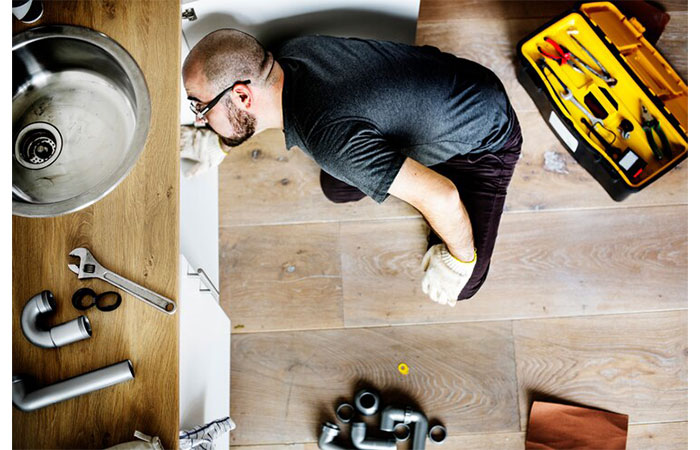
Natural causes, like storms and floods, are often sudden and widespread. Man-made causes, such as plumbing failures, tend to be localized but can still cause extensive damage if left untreated. Regardless of the cause, Water Damage Restoration follows a structured approach to reduce risk and restore safety.
Why Water Damage Restoration Matters
Water Damage Restoration isn’t just a cosmetic fix. It directly affects health, safety, and long-term property value. Acting quickly and correctly can make the difference between a minor inconvenience and a major renovation.
Health and Safety Impacts
Standing water and damp materials create the perfect environment for mold, bacteria, and other harmful microorganisms. These contaminants can trigger allergies, respiratory issues, and other health problems. Water Damage Restoration helps eliminate these risks by thoroughly drying and sanitizing affected areas.
Structural Integrity Risks
Water weakens building materials over time. Wood can rot, drywall can crumble, and metal components may corrode. If moisture seeps into foundations or load-bearing structures, the safety of the entire building may be compromised.
Long-Term Property Value
Ignoring water damage can significantly reduce property value. Buyers and inspectors are quick to spot signs of past moisture issues. Proper Water Damage Restoration preserves the integrity and market value of your property, giving you peace of mind.
The Water Damage Restoration Process
The Water Damage Restoration process follows a systematic sequence designed to address both visible and hidden damage. Each step builds on the previous one to ensure thorough recovery.
Emergency Response and Assessment
Time is critical. Restoration teams typically respond within hours to assess the extent of damage. They identify the water source, determine contamination levels, and create a restoration plan. This early assessment helps prevent further deterioration.
Water Extraction Techniques
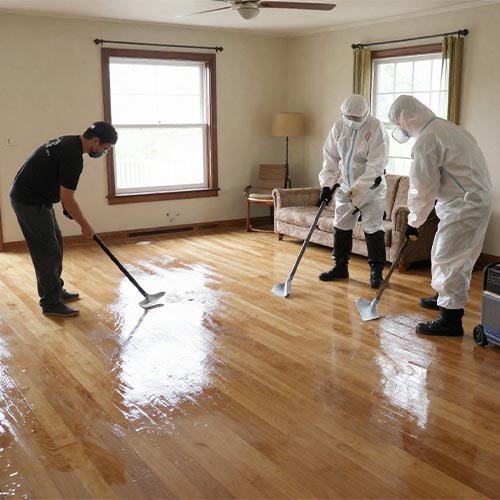
Once the area is secured, professionals use high-powered pumps and vacuums to remove standing water. This step is crucial because the longer water sits, the deeper it penetrates materials.
Drying and Dehumidification
After extraction, industrial-grade air movers and dehumidifiers are deployed. These tools remove moisture from the air and materials, speeding up the drying process and preventing mold growth.
Monitoring and Moisture Mapping
Technicians regularly monitor moisture levels using specialized sensors. Moisture mapping ensures no damp areas are overlooked, which is a key factor in successful Water Damage Restoration.
Types of Water Damage
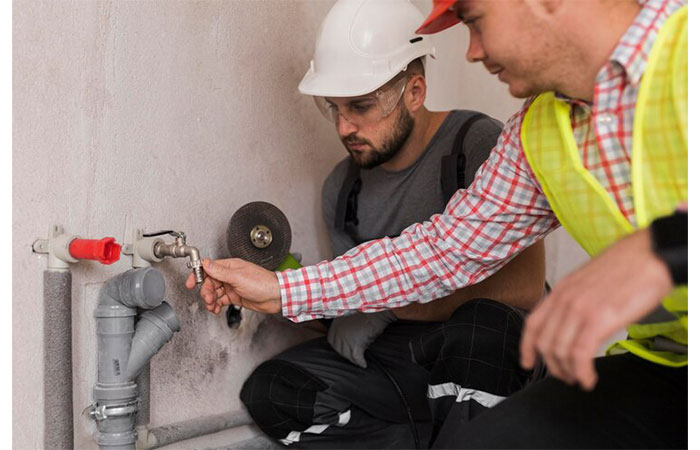
Not all water damage is the same. In Water Damage Restoration, water is categorized based on contamination level, which determines safety measures and restoration methods.
Clean Water
This type comes from clean sources like broken supply lines or rainwater. While it’s the least harmful initially, it can become contaminated if not addressed quickly.
Grey Water
Grey water contains contaminants and may come from appliances or sinks. Direct contact should be avoided, and professional Water Damage Restoration is recommended.
Black Water
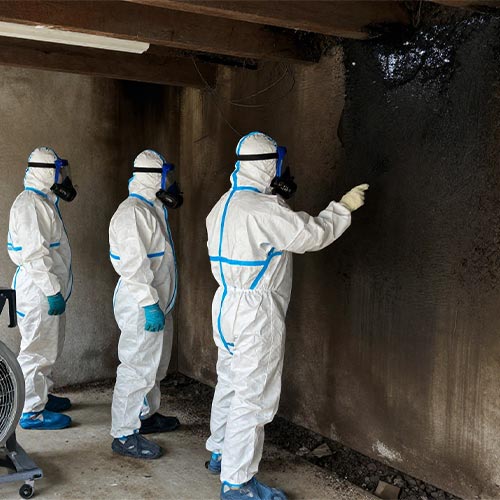
Black water is highly contaminated and includes sewage or floodwater. Restoration in these cases requires strict safety protocols and specialized equipment.
Choosing a Professional Restoration Company
Selecting the right company for Water Damage Restoration is essential. Experience, equipment, and transparency all matter.
Certifications and Experience
Look for companies certified by recognized organizations. Trained professionals understand industry standards and best practices.
Equipment and Technology
Modern restoration relies on advanced tools for moisture detection, drying, and sanitation. Proper equipment ensures faster and more effective results.
Insurance Coordination
A reputable restoration company often assists with insurance claims, documenting damage and communicating with adjusters. This support can make a stressful situation much easier.
Prevention Tips and Best Practices
While Water Damage Restoration is effective, prevention is always better.
Home Maintenance Strategies
-
Inspect plumbing regularly
-
Maintain your roof and gutters
-
Seal windows and doors properly
Early Detection Tools
Water sensors and smart home systems can alert you to leaks early. Early detection reduces the need for extensive Water Damage Restoration and lowers repair costs.
For more ideas and guidance, follow us on Instagram.
Conclusion
Water Damage Restoration plays a vital role in protecting homes, businesses, and health. By understanding what it is, why it matters, and how the process works, property owners can respond confidently when water damage strikes. Acting quickly, choosing qualified professionals, and focusing on prevention can save time, money, and stress in the long run. For additional guidance on disaster recovery, you can refer to resources from organizations like FEMA .
Frequently Asked Questions (FAQs)
What is Water Damage Restoration exactly?
Water Damage Restoration is the professional process of removing water, drying affected areas, and repairing damage caused by water intrusion.
How quickly should restoration begin?
Ideally within 24 hours. Fast action reduces structural damage and mold growth.
Can I handle water damage myself?
Minor spills can be managed, but significant water damage requires professional Water Damage Restoration to ensure safety.
Does insurance cover water damage restoration?
Coverage depends on your policy and the cause. Many policies cover sudden and accidental damage.
How long does the restoration process take?
It can range from a few days to several weeks, depending on severity.
Is mold always a concern after water damage?
Yes, mold can begin growing within 24–48 hours, which is why prompt Water Damage Restoration is critical.