



The Hidden Dangers of Old Pipes
Homeownership often comes with hidden responsibilities, some of which remain unnoticed until they evolve into costly problems. One of the most overlooked issues in older homes is aging plumbing systems. Many homeowners assume that as long as water flows from their faucets, their pipes are functioning properly. Unfortunately, this assumption can mask deeper and more severe concerns that may threaten the safety, efficiency, and value of a property. This is where the topic of “The Hidden Dangers of Old Pipes” becomes crucial to understand.
When people think about home maintenance, they usually focus on visible areas such as repainting walls, replacing flooring, or modernizing outdated fixtures. Rarely does anyone consider what lies behind those walls or beneath the floors—yet those unseen systems can be some of the most hazardous when neglected. The Hidden Dangers of Old Pipes extend far beyond simple leaks or annoying water pressure fluctuations. They can introduce health risks, compromise structural integrity, contaminate drinking water, and lead to extremely expensive repairs if left unaddressed.
Transform Your Space with BUILPIRE – Book Your Consultation Today!
Understanding The Hidden Dangers of Old Pipes means recognizing the silent threats that slowly develop over time. Materials used decades ago—like lead, galvanized steel, or polybutylene—are no longer considered safe or efficient by today’s standards. These pipes deteriorate from the inside out, making it nearly impossible to detect problems without professional inspection. Many homeowners only realize what has been happening when a major pipe bursts, a basement floods, or strange discoloration appears in their water.
Moreover, old pipes don’t just affect the home itself; they can also impact the health of those living in it. Lead contamination, mold growth, and bacterial infiltration are real dangers associated with deteriorating plumbing systems. These hidden threats are especially concerning for families with children, older adults, or individuals with compromised immune systems.
Financially, the consequences can be even more alarming. Repair costs increase dramatically the longer aging pipes remain in use. What could have been a manageable replacement or upgrade may turn into thousands of dollars in damage to walls, floors, foundations, and personal belongings. Insurance companies may also deny claims if it’s determined that the issue resulted from poor maintenance.
In this article, we take a deep and detailed look at The Hidden Dangers of Old Pipes, exploring the risks they pose, the signs homeowners should watch for, and the steps needed to prevent potential disasters. By understanding these dangers early, you can make more informed decisions about your home’s plumbing, protect your property value, and create a safer living environment for everyone inside.
1. Why Old Pipes Are a Hidden Threat
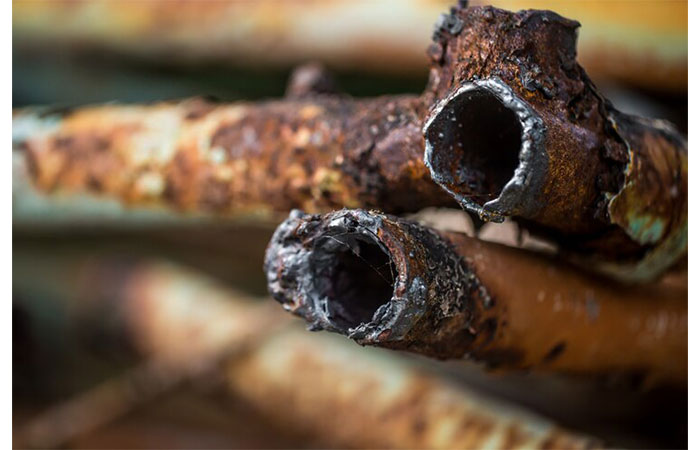
Old plumbing systems often deteriorate slowly and silently. Because pipes are buried behind walls or beneath concrete, homeowners rarely notice problems until they’ve become severe. This makes The Hidden Dangers of Old Pipes even more hazardous—most issues are invisible until it’s too late.
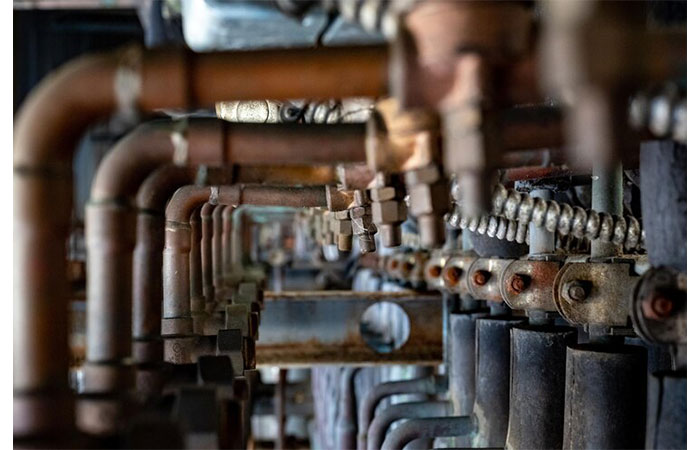
Materials used in older homes were once considered reliable, but today we know they can degrade, corrode, or leach harmful substances. Even copper pipes—which are more durable—can weaken over time.
2. Common Pipe Materials and Their Risks
Lead Pipes
Lead was widely used before the 1980s. It is now known to cause serious health problems, especially in young children.
Galvanized Steel Pipes
These rust from the inside, leading to discoloration, clogs, reduced water pressure, and structural weakening.
Polybutylene Pipes
Popular in the 1980s and 1990s, these pipes are known to fail without warning.
All these materials contribute to The Hidden Dangers of Old Pipes, particularly in homes more than 30 years old.
3. Health Risks Associated With Old Pipes
One of the most alarming aspects of The Hidden Dangers of Old Pipes is related to health. Aged plumbing systems can expose families to:
-
Lead poisoning
-
Bacterial contamination
-
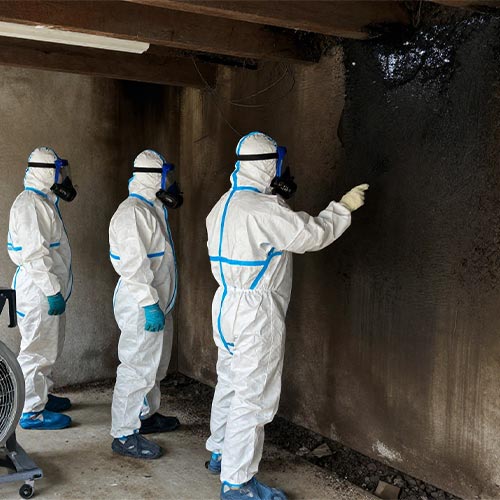
Mold growth from hidden leaks
-
Waterborne diseases
These risks can cause long-term health complications if not addressed promptly.
4. Structural Damage From Aging Plumbing Systems
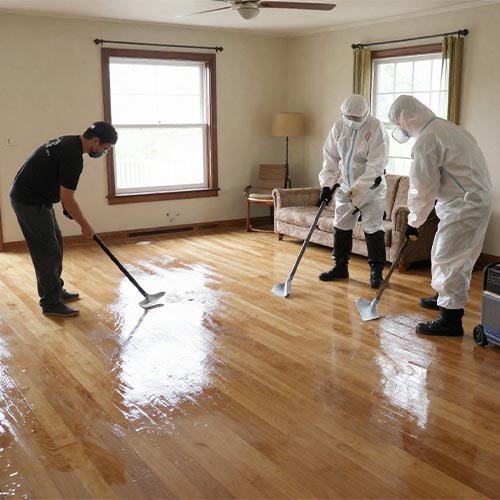
Water is incredibly destructive when it leaks into hidden areas. Damaged pipes can lead to:
-
Weakening of walls and flooring
-
Foundation damage
-
Mold infestations
-
Electrical hazards
These issues highlight The Hidden Dangers of Old Pipes, showing how a small leak can become a major financial burden.
5. Warning Signs Homeowners Should Never Ignore
Watch for these indicators:
-
Low water pressure
-
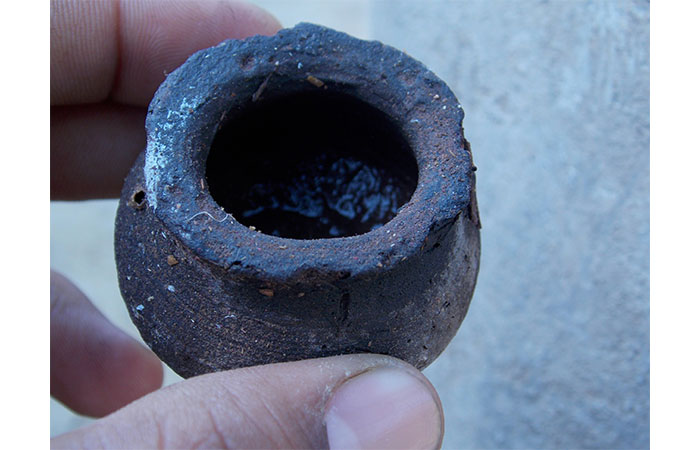
Water discoloration
-
Rust-tinted water
-
Frequent drain clogs
-
Unexplained increases in water bills
-
Damp walls or ceiling spots
All of these signs may point directly to The Hidden Dangers of Old Pipes.
6. Financial Impact: Why Waiting Costs More
Homeowners often delay pipe replacement because they assume it’s expensive. However, the cost of ignoring The Hidden Dangers of Old Pipes is significantly higher. A single pipe burst can cost thousands in:
-
Water damage repairs
-
Mold remediation
-
Flooring and drywall replacement
-
Plumbing overhauls
Proactive maintenance is always more economical than emergency repairs.

7. How to Prevent Plumbing Disasters
To protect your home from The Hidden Dangers of Old Pipes, consider these steps:
-
Schedule annual plumbing inspections
-
Replace outdated pipe materials
-
Install modern water filtration systems
-
Upgrade to PEX or copper plumbing
-
Monitor water quality regularly
Simple actions today can prevent enormous problems tomorrow.
8. Why Renovating Your Plumbing Adds Home Value
Modern plumbing systems improve:
-
Water quality
-
Energy efficiency
-
Home resale price
-
Safety and reliability
Updating plumbing eliminates The Hidden Dangers of Old Pipes and makes the home more attractive to future buyers.
9. When to Call a Professional
If you notice unusual odors, discoloration, mold, or repeated leaks, it’s time for an inspection. Professionals can identify The Hidden Dangers of Old Pipes early and recommend effective solutions before structural damage occurs.
10. Final Thoughts & Mention of Builpire
Addressing The Hidden Dangers of Old Pipes is not only a matter of convenience—it’s essential for protecting your health, your home, and your finances. Outdated plumbing poses risks that escalate over time, but with proper maintenance and timely replacement, you can safeguard your property and enjoy the peace of mind of a secure home.
If you are planning renovations or upgrades, the expert team at Builpire—a trusted company specializing in remodeling and interior design—can help you modernize your home while ensuring your plumbing system is safe, efficient, and fully updated. Their professional solutions make it easier than ever to eliminate the risks associated with old plumbing and create a healthier, more beautiful living environment.
For more ideas and guidance, follow us on Instagram.
FAQs
1. What are the main health risks associated with old pipes?
Old pipes can leach lead, rust, and harmful bacteria into household water. Lead exposure is especially dangerous for children, while bacterial contamination can cause gastrointestinal illnesses and infections.
2. How do I know if my home’s pipes need replacing?
Signs include low water pressure, frequent leaks, rust-colored water, metallic taste, moldy odors, and increased water bills. Any home over 30 years old should have a professional inspection.
3. Are old pipes dangerous even if nothing appears wrong?
Yes. Many issues develop internally and remain hidden until they cause major damage. Corrosion, weakening, and contamination often start long before visible symptoms appear.
4. What pipe materials are most problematic?
Lead, galvanized steel, and polybutylene are the most concerning. They corrode, fail suddenly, or release toxic substances into drinking water.
5. Does replacing old pipes increase home value?
Absolutely. Modern plumbing improves water quality, efficiency, safety, and buyer confidence. A home with updated plumbing often sells faster and at a higher price.