







Signs Your Roof Needs Repairs or Replacement
Your roof is your home’s first line of defense. Yet many homeowners overlook early warning signs until damage becomes expensive. Understanding the signs your roof needs repairs or replacement can save thousands of dollars, protect your property, and preserve your peace of mind.
In the first 10% of this guide, it’s important to stress this: most roofing failures don’t happen overnight. They develop quietly, over years. Spotting the signs your roof needs repairs or replacement early gives you control, options, and leverage.
Transform Your Space with BUILPIRE – Book Your Consultation Today!
Why Roof Health Matters More Than You Think
A roof does more than keep rain out. It stabilizes indoor temperatures, supports structural integrity, and directly impacts property value. When roof issues go unnoticed, they can lead to:
-
Structural rot
-
Mold growth
-
Electrical hazards
-
Reduced energy efficiency
-
Lower resale value
According to the National Roofing Contractors Association, proactive roof maintenance can extend roof lifespan by up to 30%.
Ignoring the signs your roof needs repairs or replacement often turns small fixes into major renovations.
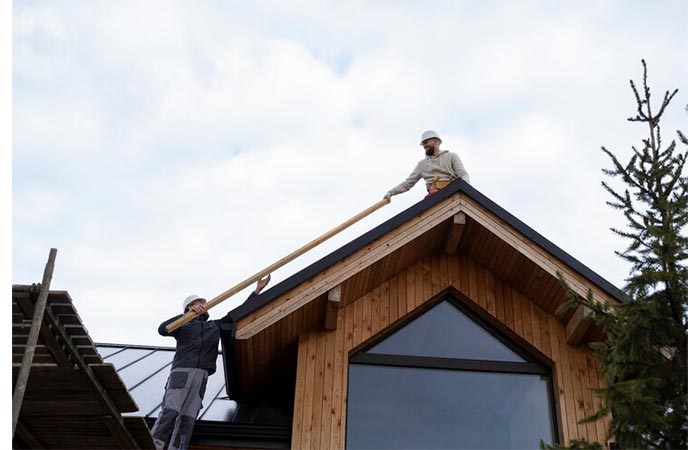
How Long Does a Roof Typically Last?
Roof lifespan varies based on materials and environmental exposure:
| Roofing Material | Average Lifespan |
|---|---|
| Asphalt Shingles | 20–30 years |
| Metal Roofing | 40–70 years |
| Clay or Concrete Tile | 50+ years |
| Slate | 75–100 years |
If your roof is approaching the upper end of its expected lifespan, even minor symptoms may indicate that replacement is more cost-effective than repeated repairs.
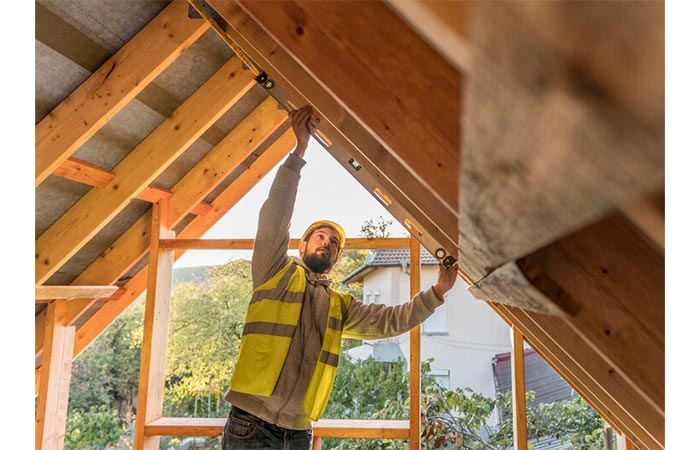
Visible Exterior Signs of Roof Damage
Missing, Curling, or Cracked Shingles
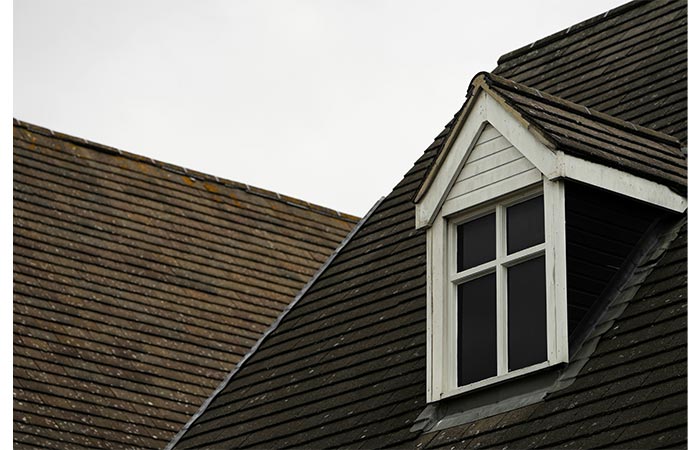
One of the clearest signs your roof needs repairs or replacement is damaged shingles. Shingles protect the underlayment; once compromised, leaks follow.
Watch for:
-
Curling edges
-
Bald patches
-
Cracks or splits
-
Shingles scattered around your yard
These issues often signal aging materials or storm damage.
Sagging Roof Lines and Structural Red Flags
A sagging roofline isn’t cosmetic—it’s structural. It often indicates:
-
Trapped moisture
-
Rotted decking
-
Compromised rafters
This is one of the most urgent signs your roof needs repairs or replacement and should be addressed immediately.

Granules in Gutters and Downspouts
Asphalt shingles shed granules over time. Excessive granules in gutters suggest the roof is nearing the end of its lifespan.
If granule loss is widespread, repairs may no longer be sufficient.
Interior Warning Signs You Shouldn’t Ignore
Water Stains on Ceilings and Walls
Brown stains, peeling paint, or bubbling drywall often mean water intrusion. Even small stains can signal major roof failure above.
These stains are classic signs your roof needs repairs or replacement, especially when recurring after rainfall.
Mold, Mildew, and Moisture Buildup
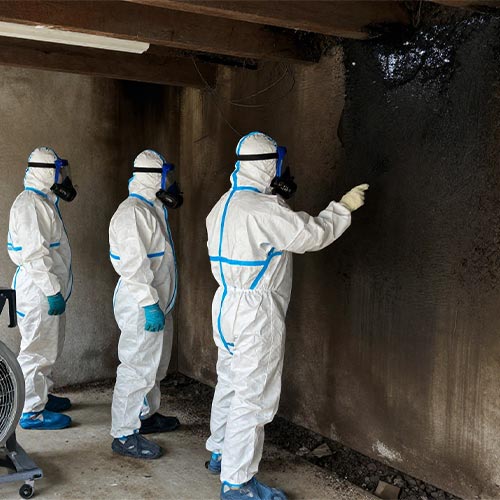
Persistent moisture leads to mold, which affects indoor air quality and health. Mold in attic spaces usually traces back to roofing failures.
If mold is widespread, replacement—not repair—may be the safer option.
Rising Energy Bills and Poor Insulation
A damaged roof allows heat to escape in winter and enter during summer. If your energy bills spike without explanation, your roof may be the culprit.
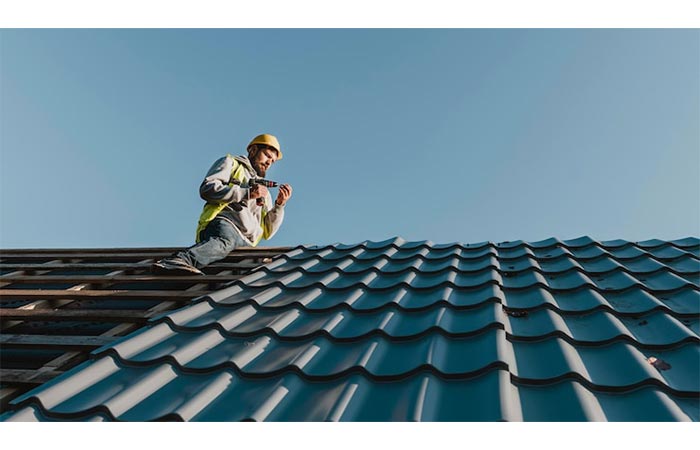
Weather-Related Roof Damage Indicators
Storm, Wind, and Hail Impact
Severe weather accelerates wear. After storms, inspect for:
-
Dented flashing
-
Shingle displacement
-
Exposed underlayment
Even if leaks aren’t visible, hidden damage may exist.
Ice Dams and Snow Load Stress
Ice dams prevent proper drainage, forcing water beneath shingles. Over time, this weakens roof structures and insulation.
Age-Related Roof Deterioration
Age alone doesn’t demand replacement, but when combined with visible damage, it strongly suggests it. Older roofs lose flexibility, adhesion, and waterproofing ability.
Repeated repairs on an aging roof often cost more long-term than a full replacement.
Repair vs Replacement: How to Decide
Choose repairs when:
-
Damage is localized
-
Roof is relatively young
-
No structural compromise exists
Choose replacement when:
-
Issues are widespread
-
Roof is near end of lifespan
-
Energy efficiency is poor
Understanding these distinctions helps interpret the signs your roof needs repairs or replacement accurately.
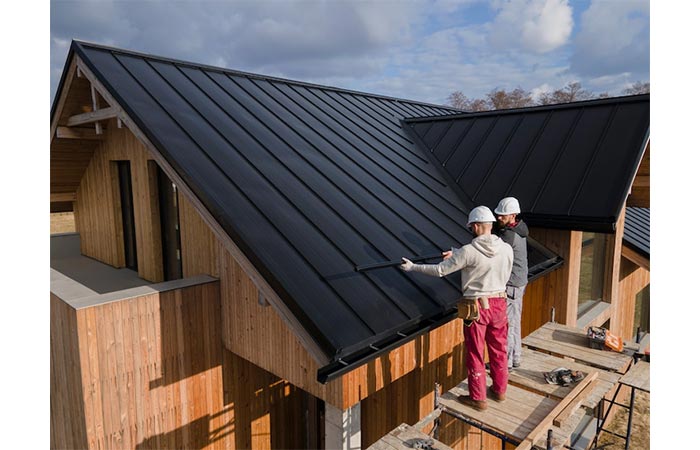
Cost Implications and Long-Term Value
While repairs may seem cheaper upfront, replacements often provide better ROI through:
-
Lower maintenance costs
-
Improved energy efficiency
-
Increased resale value
A new roof can recoup up to 60–70% of its cost at resale.
Professional Roof Inspections: What to Expect
A certified roofer evaluates:
-
Shingles and flashing
-
Ventilation
-
Structural integrity
-
Moisture presence
Professional inspections remove guesswork when identifying the signs your roof needs repairs or replacement.
Preventive Maintenance to Extend Roof Life
Routine steps include:
-
Cleaning gutters
-
Trimming overhanging branches
-
Annual inspections
-
Prompt minor repairs
Prevention is cheaper than replacement—always.
Environmental and Material Considerations
Modern roofing materials offer:
-
Better insulation
-
Eco-friendly options
-
Improved durability
Upgrading during replacement can reduce environmental impact and energy costs.
Conclusion
Recognizing the signs your roof needs repairs or replacement empowers homeowners to act before damage escalates. Whether it’s subtle granule loss or obvious sagging, early action protects your investment, your comfort, and your safety.
A healthy roof isn’t just protection—it’s peace of mind.
For more ideas and guidance, follow us on Instagram.
Frequently Asked Questions (FAQs)
1. How often should a roof be inspected?
At least once a year and after major storms.
2. Can I repair a roof instead of replacing it?
Yes, if damage is limited and the roof is relatively new.
3. What is the most common sign of roof failure?
Water stains and missing shingles.
4. Does insurance cover roof replacement?
Often yes, if damage is storm-related and documented.
5. How long does roof replacement take?
Most residential projects take 1–3 days.
6. Is a leaking roof always an emergency?
Yes. Even small leaks can cause major structural damage over time.